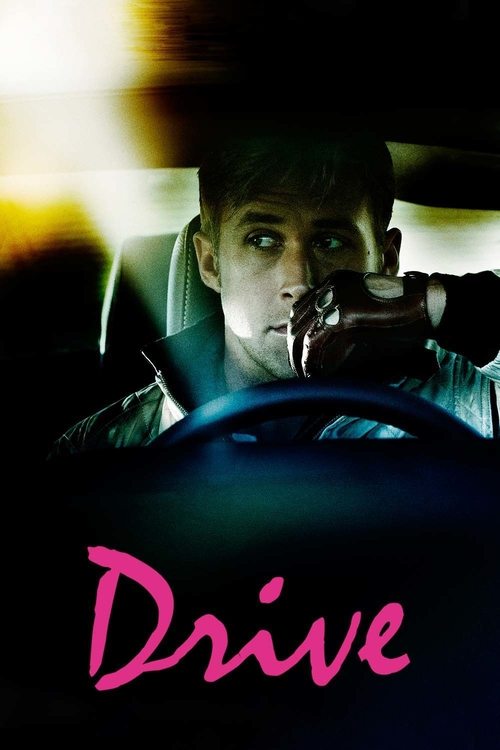
Drive
Nicolas Winding Refn’s pulp triumph operates on pure sensory rhythm. Ryan Gosling delivers a virtually silent performance as an unnamed Hollywood stuntman moonlighting behind the wheel for criminal heists. Infused with Cliff Martinez’s magnetic electronic score and Newton Thomas Sigel’s amber-soaked night photography, the film turns brief romantic longing into savage, elevator-crushing survivalism. Every shadow pulses with predatory dread, balancing lyrical melancholy against instantaneous graphic carnage. Beyond its stylistic precision, the film effectively ignited the visual template for modern neo-noir throughout the 2010s. It liberated genre filmmakers from grayscale nostalgia, proving that hardboiled fatalism flourishes brilliantly under glaring magenta streetlights and cold, calculated choreography.