Best 2010S Psychological Thriller Movies (Ranked) hero banner

Best 2010S Psychological Thriller Movies (Ranked)

Screenverse ranks the best 2010s psychological thriller movies, from Bong Joon-ho's Parasite to David Fincher's Gone Girl.

Year & EraUpdated October 29, 2026

Pinpointing the best 2010s psychological thriller movies requires confronting a decade where internal paranoia migrated from individual neurosis to systemic dread. Directors in this era dismantled classic genre mechanics, trading tidy whodunit setups for insidious examinations of social stratification, fractured identity, and the rot behind clean bourgeois facades. What emerged was cinema engineered to unseat our collective equilibrium, capturing an ambient cultural anxiety that felt distinct to its time.

From razor-sharp satires of wealth and domestic illusion to descent-into-madness character studies, the 2010s redefined psychological tension as an unavoidable byproduct of modern existence. Auteurs like Bong Joon-ho, David Fincher, and Jordan Peele weaponized audience expectations, crafting narratives where the threat was rarely lurking in the shadows, but smiling across the dinner table or staring back from the bathroom mirror.

Filter by Platform:
1
Parasite - Ranking #1 Recommendation

Parasite

⚡96% Match
Class WarfareArchitectural DreadDark SatireBong Joon-ho

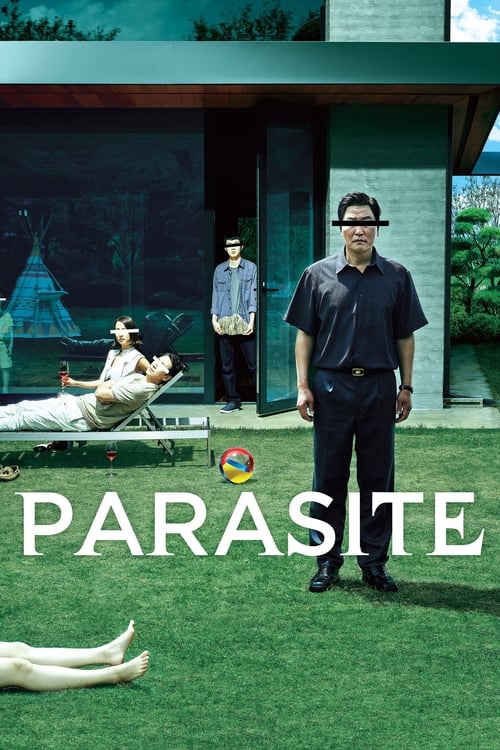
Bong Joon-ho choreographs a ruthless invasion of domestic space with surgical precision, turning vertical architecture into a battlefield of desperation. Every camera glide down concrete steps and across polished hardwood articulates the chasm between the Kim and Park households before erupting into visceral shock. The script transitions seamlessly from pitch-black situational farce to frantic claustrophobia, exposing how deeply economic anxiety poisons human empathy. Within the landscape of 2010s thrillers, Bong’s tonal acrobatics established a new global benchmark. It proved that genre cinema could sweep the international awards circuit without sacrificing an ounce of blood, bite, or psychological terror, setting the decade's absolute high-water mark.
2
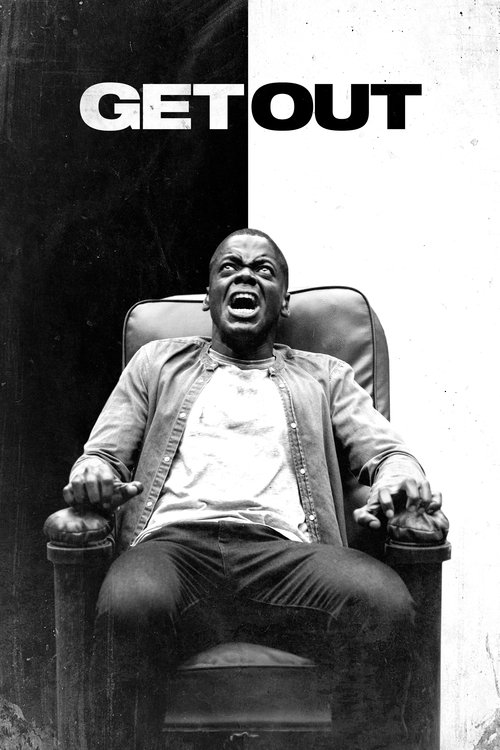
Get Out - Ranking #2 Recommendation

Get Out

⚡94% Match
Social HorrorSuburban ParanoiaRacial AllegorySunken Place

Jordan Peele weaponizes suburban white liberalism into an instrument of suffocating terror, crafting a nightmare where microaggressions harbor literal existential danger. Daniel Kaluuya anchors the narrative with a grounded, quietly observant performance that grounds the sunken place in raw historical trauma. The tension builds not through jump scares, but through the unnerving etiquette of polite social gatherings turned predatory. It altered the trajectory of modern psychological horror, forcing American cinema to confront racial exploitation through a fresh, incisive lens. By proving that social commentary could fuel a tight, commercially triumphant thriller, it became the cultural lightning rod that defined the decade's genre renaissance.

3
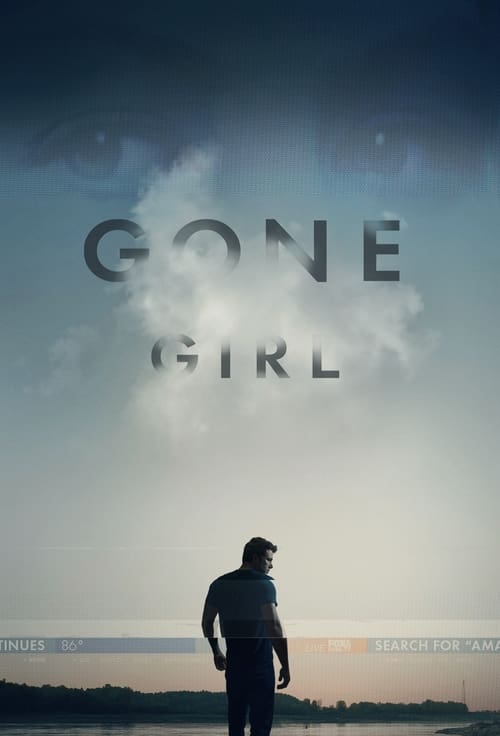
Gone Girl - Ranking #3 Recommendation

Gone Girl

⚡92% Match
Marital ToxicityMedia CircusFincher PrecisionUnreliable Narrator

David Fincher dissects the weaponization of narrative and marital toxicity with cold, razor-edged malice. Rosamund Pike delivers an icy, career-defining performance as Amy Dunne, transforming a missing-woman mystery into a caustic interrogation of media sensationalism and gendered performance. Trent Reznor and Atticus Ross provide a synthetic score that hums with sickly detachment, mirroring the film's sterile Missouri McMansions. Gone Girl stood as the decade's sharpest warning against curated domestic bliss. Fincher proved that modern psychological tension thrives best when stripped of sentimentality, offering a clinical, razor-sharp blueprint for post-recession pulp fiction that subsequent literary adaptations spent years desperately chasing.

4
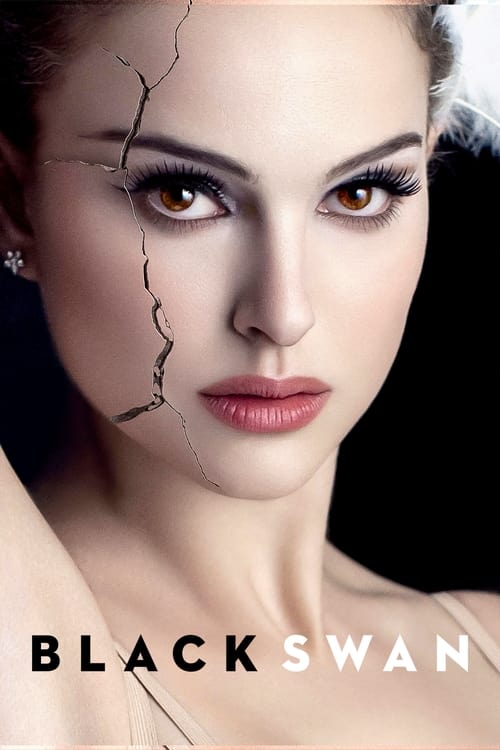
Black Swan - Ranking #4 Recommendation

Black Swan

⚡90% Match
Artistic ObsessionBody HorrorDoppelgängerPsychosexual Drama

Darren Aronofsky turns the pursuit of technical perfection into a ferocious body-horror nightmare set against the cutthroat world of Lincoln Center ballet. Natalie Portman’s physical transformation fuels an unraveling psyche, blurring the boundaries between hallucination and artistic metamorphosis with disorienting camera movements and feverish editing. The relentless sensory assault transforms Tchaikovsky's classic score into a panic attack of peeling skin and sprouting feathers. Standing tall in the early 2010s, the film reignited the psycho-sexual melodrama with uncompromising ferocity. It anchored the decade’s fixation on female ambition and bodily autonomy, proving psychological disintegration could achieve operatic, visceral grandeur.

5
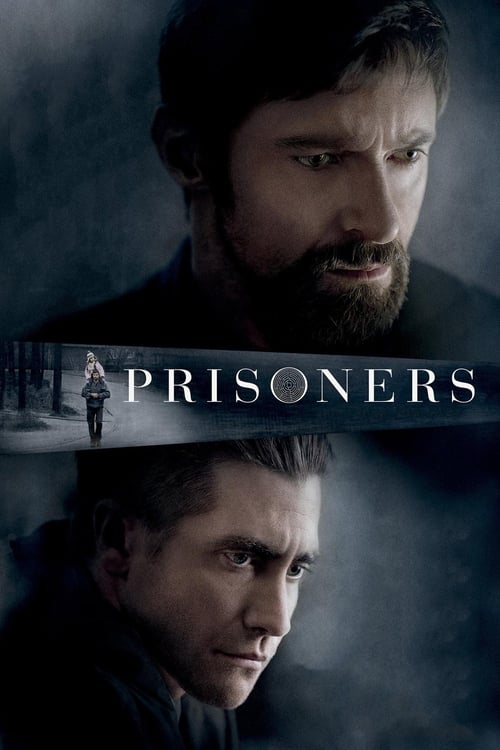
Prisoners - Ranking #5 Recommendation

Prisoners

⚡88% Match
Vigilante MoralityGothic MysteryDenis VilleneuveBleak Realism

Denis Villeneuve transforms a bleak Pennsylvania winter into a grueling moral labyrinth that tests the absolute limits of parental devotion. Hugh Jackman gives a feral, unhinged turn against Jake Gyllenhaal’s twitching, methodical detective, escalating an abduction investigation into an agonizing trial of faith and vengeance. Roger Deakins' gray-hued cinematography drains every frame of warmth, reflecting the script's refusal to offer easy ethical exits. Prisoners solidified Villeneuve’s reputation as an uncompromising genre stylist in American cinema. It redefined the 2010s police procedural by trading glossy forensics for suffocating spiritual dread, forcing viewers to interrogate the cruelty humans inflict when their righteousness turns obsessive.

6
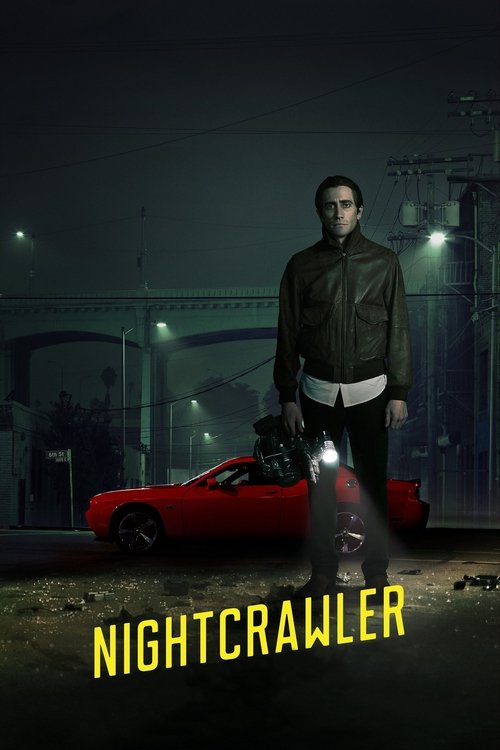
Nightcrawler - Ranking #6 Recommendation

Nightcrawler

⚡86% Match
Late-Stage CapitalismSociopathic AmbitionMedia ExploitationNeo-Noir

Dan Gilroy crafts an unsettling portrait of hyper-capitalist sociopathy through the gaunt, unblinking eyes of freelance videographer Lou Bloom. Jake Gyllenhaal delivers a career-best turn, prowling the neon-soaked asphalt of nocturnal Los Angeles to exploit human misery for television ratings. The dialogue crackles with the empty rhetoric of modern corporate self-help, turning bloodshed into quantifiable market value. Nightcrawler captured the 2010s anxiety surrounding 24-hour digital commodification better than almost any contemporary crime picture. It stripped away traditional thriller morality, offering no heroic counterbalance to Lou’s depravity and reflecting back an era where amoral opportunism was rewarded rather than punished.

Stream Now (US)

Watch on Provider
7
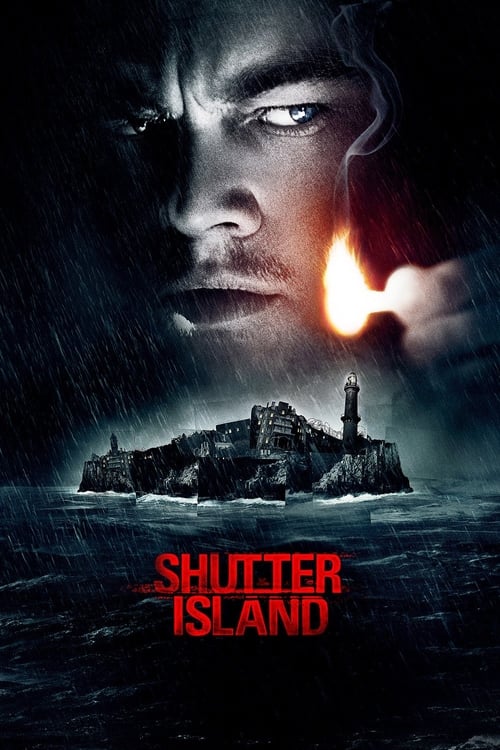
Shutter Island - Ranking #7 Recommendation

Shutter Island

⚡84% Match
Gothic ParanoiaUnreliable RealityScorsese Neo-NoirTrauma & Guilt

Martin Scorsese channels the spirit of 1950s B-movie paranoia and Samuel Fuller pulp through the grandest gothic canvas imaginable. Leonardo DiCaprio’s haunted federal marshal spirals through an impenetrable asylum island, battered by hurricane winds, traumatic wartime memories, and disorienting subjective editing. Robbie Robertson’s curated modern classical score hammers home an inescapable sense of doom long before the trap springs. Opening the 2010s with sheer stylistic excess, the film reminded Hollywood that psychological twists could be grounded in genuine emotional devastation. It set an early aesthetic standard for the decade, demonstrating how classical studio craftsmanship could elevate pulpy psychological deception into tragic operatic tragedy.

8
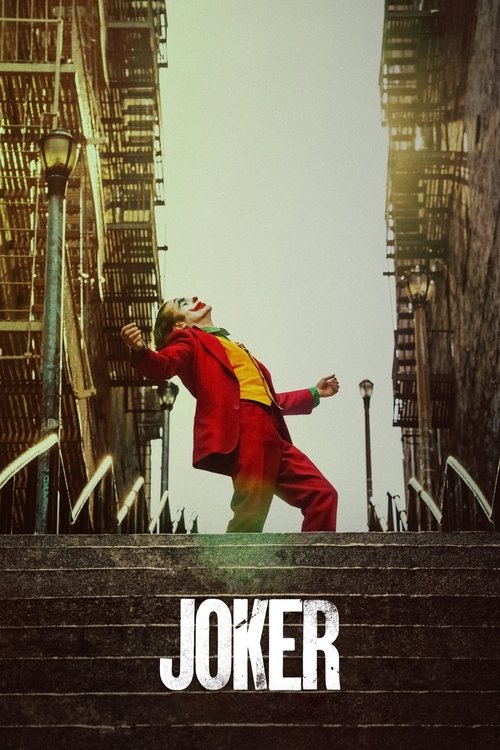
Joker - Ranking #8 Recommendation

Joker

⚡82% Match
Urban AlienationCharacter StudyNihilistic DescentJoaquin Phoenix

Todd Phillips strips comic-book mythos of its escapism, channeling 1970s New Hollywood grit to chart Arthur Fleck’s descent into catastrophic nihilism. Joaquin Phoenix commands the screen with an emaciated, contorted physicality that turns social isolation and public neglect into violent urban revolt. The grimy, decaying Gotham backdrop works as an oppressive pressure cooker, amplified by Hildur Guðnadóttir’s mournful, rumbling cello arrangements. Joker marked a watershed moment for 2010s studio cinema by proving an R-rated, deeply grim psychological character study could dominate the global box office. It bridged mainstream comic adaptation with bleak antihero drama, capturing an era simmering with disenfranchised rage.

Stream Now (US)

Watch on Provider
9
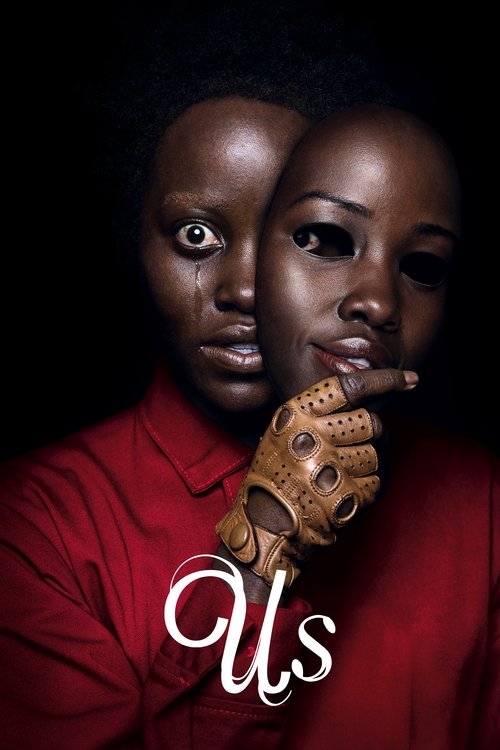
Us - Ranking #9 Recommendation

Us

⚡80% Match
Shadow SelfHome InvasionAllegorical NightmareDual Performance

Lupita Nyong'o delivers an electrifying dual performance in Jordan Peele’s ambitious follow-up, contrasting maternal ferocity with guttural, uncanny menace. The invasion of red-jumpsuited doppelgängers transforms a Santa Cruz beach getaway into an unnerving mythic reckoning beneath the American surface. Michael Giacchino-esque choral arrangements and surreal imagery ensure the film operates on visceral nightmare logic rather than strict literalism. Us cemented Peele's status as a distinct cinematic auteur of the 2010s. While structurally messier than its predecessor, its provocative exploration of class disparity, repressed culpability, and the shadow selves we refuse to acknowledge resonated deeply with the decade’s fractured cultural psyche.

Stream Now (US)

Watch on Provider
10
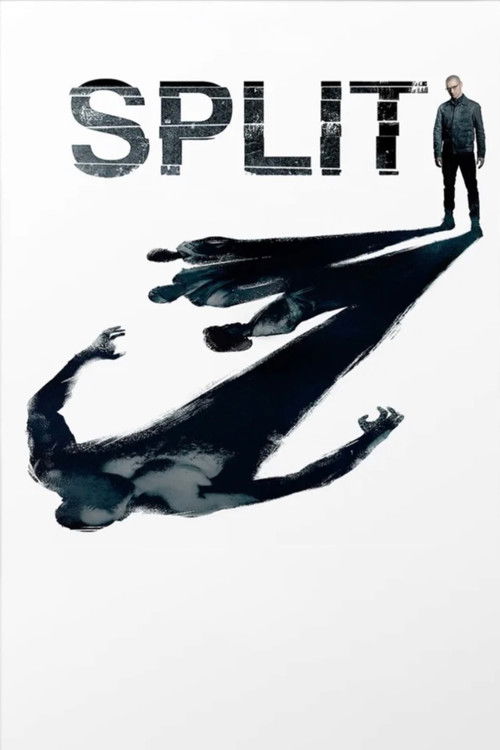
Split - Ranking #10 Recommendation

Split

⚡78% Match
Claustrophobic SurvivalSplit IdentityHigh-Concept PulpShyamalan Twist

M. Night Shyamalan stages an unapologetically pulpy, claustrophobic survival game powered by James McAvoy’s astonishing, chameleon-like multi-character performance. Anya Taylor-Joy matches his intensity with measured stoicism, giving her character an empathetic trauma background that subverts standard final-girl tropes. The subterranean setting restricts the frame, heightening tension through razor-sharp blocking and sudden tonal shifts. Split revitalized Shyamalan’s career while signaling a return to mid-budget, high-concept thrillers in late-2010s Hollywood. Though reliant on heightened sensationalism rather than deep realism, McAvoy’s kinetic execution turned what could have been an exploitation relic into an undeniably gripping, twist-laden crowd-pleaser.

Stream Now (US)

Watch on Provider

⚡ At-A-Glance Comparison: Top Ranked Picks

Summary breakdown of release years, match DNA, and where to stream in the US.

RankMovie TitleYearThematic DNAWhere to Stream (US)
#1Parasite2019
Class WarfareArchitectural Dread
fuboTV, Paramount Plus Premium
#2Get Out2017
Social HorrorSuburban Paranoia
fuboTV, Peacock Premium
#3Gone Girl2014
Marital ToxicityMedia Circus
VOD / Digital
#4Black Swan2010
Artistic ObsessionBody Horror
VOD / Digital
#5Prisoners2013
Vigilante MoralityGothic Mystery
VOD / Digital
#6Nightcrawler2014
Late-Stage CapitalismSociopathic Ambition
Netflix, Sundance Now
#7Shutter Island2010
Gothic ParanoiaUnreliable Reality
fuboTV, Paramount Plus Premium
#8Joker2019
Urban AlienationCharacter Study
HBO Max Amazon Channel, HBO Max
#9Us2019
Shadow SelfHome Invasion
HBO Max Amazon Channel, HBO Max
#10Split2017
Claustrophobic SurvivalSplit Identity
Netflix, Netflix Standard with Ads

Frequently Asked Questions

Key answers for film lovers looking for titles like Best 2010S Psychological Thriller Movies (Ranked).

Bong Joon-ho’s Parasite stands as the most critically acclaimed and universally lauded psychological thriller of the 2010s, earning four Academy Awards including Best Picture. Its seamless blending of biting social commentary, architectural dread, and sudden violence set an unmatched gold standard for modern genre filmmaking.