Best 70S Crime Movies (Ranked) hero banner

Best 70S Crime Movies (Ranked)

Discover the best 70s crime movies ranked by screen critic Leo Sterling. From The Godfather to Taxi Driver, explore the definitive decade of gritty neo-noirs.

Year & EraUpdated October 29, 2026

The debate over the best 70s crime movies isn't just an exercise in nostalgia; it is a reckoning with the decade that dismantled Hollywood's sanitised mythologies. Emerging from the ashes of the classical studio system and fueled by Vietnam-era disillusionment, Watergate cynicism, and rapid urban decay, filmmakers seized the crime genre to mirror an unraveling American psyche. Gone were the neatly moralistic gumshoes and clean-cut G-men of past generations, replaced by morally compromised antiheroes, bureaucratic rot, and visceral street violence.

What emerged across the 1970s was an uncompromising golden age of auteur-driven filmmaking that permanently altered the medium's grammar. Directors like Francis Ford Coppola, Martin Scorsese, and Sidney Lumet brought gritty authenticity to the asphalt, shooting on location in sweltering city avenues and turning criminality into an operatic study of capitalism, institutional corruption, and existential loneliness. Ranking these monumental works reveals not only the zenith of New Hollywood ambition, but how the decade reshaped storytelling forever.

Filter by Platform:
1
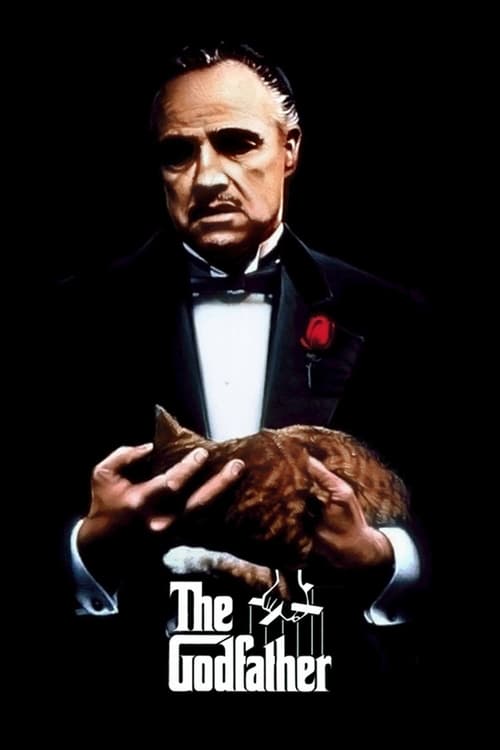
The Godfather - Ranking #1 Recommendation

The Godfather

⚡96% Match
Mafia DynastyChiaroscuro CinematographyNew Hollywood AuteurTragic Downfall

Francis Ford Coppola reframed Mario Puzo’s pulp paperback into an intoxicating Shakespearean tragedy about power, family, and the dark cost of assimilation. Gordon Willis’s groundbreaking chiaroscuro lighting and Marlon Brando’s weathered, raspy authority set an impossibly high standard, while Al Pacino charts Michael Corleone’s transformation with chilling subtlety. Every scene hums with measured dread, punctuated by bursts of surgical violence and Nino Rota’s haunting score. Within the pantheon of seventies crime, this monumental saga completely rewrote the genre's DNA. It stripped away traditional pulp sensationalism and established the mob epic as the ultimate vehicle for exploring American capitalism's ruthless underbelly.

Stream Now (US)

Watch on Provider

2
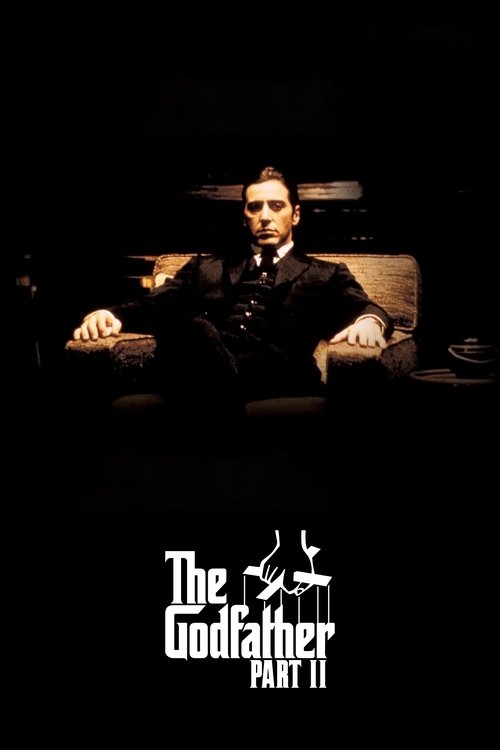
The Godfather Part II - Ranking #2 Recommendation
Parallel NarrativeImmigrant ExperienceMoral DecayPower Politics

Constructing a sequel that acts simultaneously as a prequel and a devastating moral autopsy is an astonishing structural achievement. Coppola juxtaposes Robert De Niro’s magnetic rise as young Vito in early twentieth-century Little Italy against Pacino’s cold, isolated descent into fratricidal paranoia in late-fifties Lake Tahoe. The parallel editing deepens the tragedy, showing how an empire built to protect a family inevitably devours it from within. Arriving at the zenith of New Hollywood, the film solidified the decade's obsession with moral rot. It stands alongside its predecessor as an untouchable monument of seventies cinema, proving that sequels could challenge and elevate dramatic art.

Stream Now (US)

Watch on Provider
3
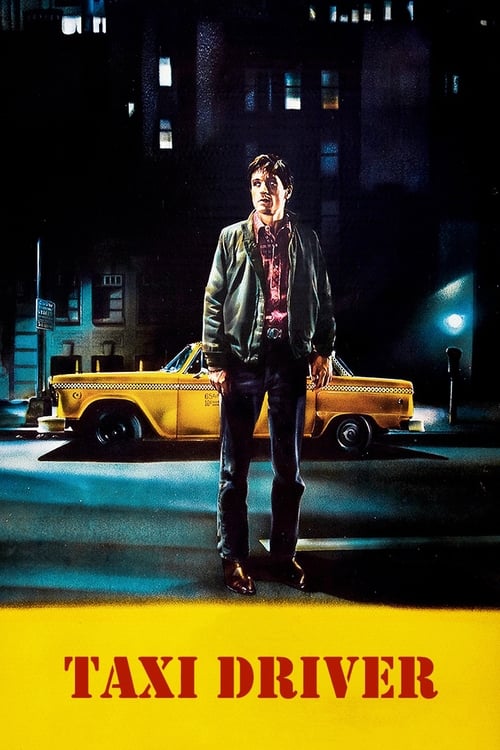
Taxi Driver - Ranking #3 Recommendation

Taxi Driver

⚡92% Match
Urban AlienationVigilante PsychologyNeo-NoirPost-Vietnam Disillusionment

Paul Schrader’s searing screenplay and Martin Scorsese’s feverish direction transform Travis Bickle’s yellow cab into a claustrophobic confessional roaming through a nightmarish, rain-slicked Manhattan. Robert De Niro delivers a frighteningly raw performance as an alienated Vietnam veteran whose desperate thirst for purpose curdles into self-righteous vigilante madness. Michael Chapman’s gritty cinematography and Bernard Herrmann’s ominous final score turn the city streets into an urban purgatory. In an era marked by national trauma, Bickle became the haunting archetype of seventies alienation. The film remains the era’s most chilling psychological portrait, showing crime not as organized enterprise, but as an eruption of neglected societal sickness.

Stream Now (US)

Watch on Provider
4
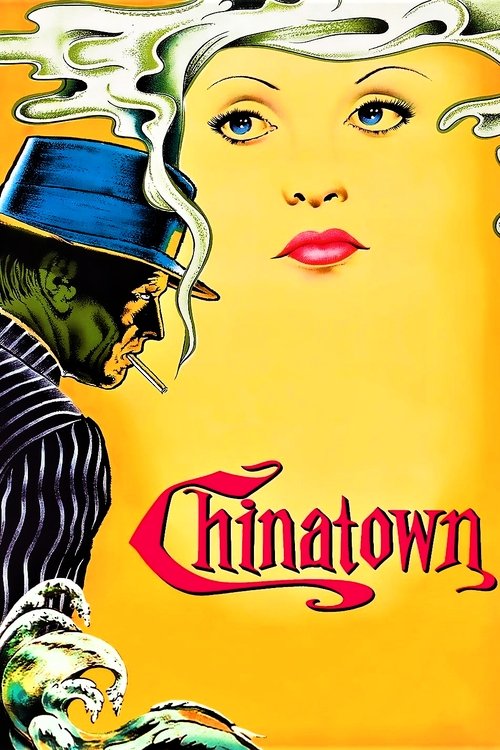
Chinatown - Ranking #4 Recommendation

Chinatown

⚡90% Match
Sun-Drenched Neo-NoirMunicipal CorruptionFatalistic TragedyHardboiled Detective

Roman Polanski and screenwriter Robert Towne subvert the classic hardboiled detective formula to create an enduring post-Watergate parable. Jack Nicholson plays private eye J.J. Gittes with cynical charm, drifting into a sun-bleached Southern California conspiracy that trades petty infidelity for grand-scale water theft, municipal corruption, and unfathomable familial horror. John A. Alonzo’s golden-hued cinematography masks a bottomless moral abyss, anchored by John Huston’s monstrous Noah Cross. The film arrived during an era when faith in American institutions had cratered, making its gut-wrenching conclusion resonate with ferocious power. It remains the seventies' quintessential neo-noir, demonstrating that systemic malice always defeats individual decency.

5
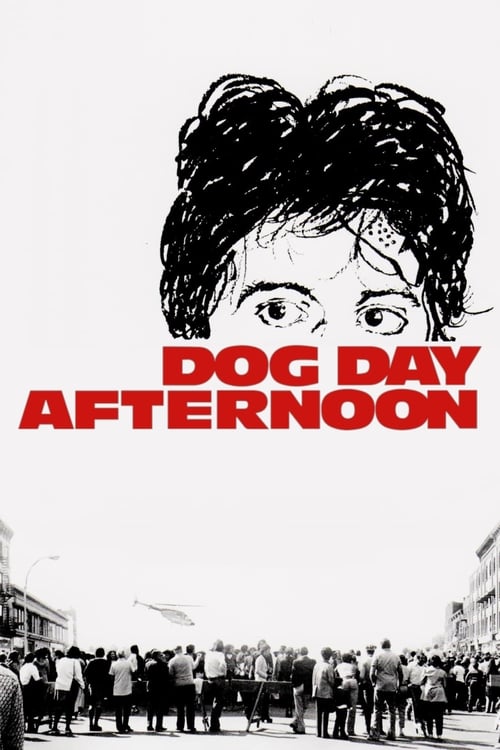
Dog Day Afternoon - Ranking #5 Recommendation

Dog Day Afternoon

⚡88% Match
Bank HeistMedia CircusCounterculture VolatilityQueer Cinema History

Sidney Lumet’s sweat-soaked, real-time chronicle of a botched Brooklyn bank robbery captures the raw countercultural volatility of mid-seventies New York like lightning in a bottle. Al Pacino’s electric, improvisational desperation as Sonny Wortzik—a man trying to fund his lover’s gender affirmation surgery—transforms a hostage crisis into a media circus and anti-establishment rally. Lumet ditches musical scoring entirely, relying instead on ambient street noise and John Cazale’s quiet, tragic vulnerability to cultivate razor-sharp tension. The film perfectly channeled the decade’s populist anger and anti-police sentiment. It redefined the heist formula, turning sensational tabloid exploitation into an empathetic character study of societal outcasts.

6
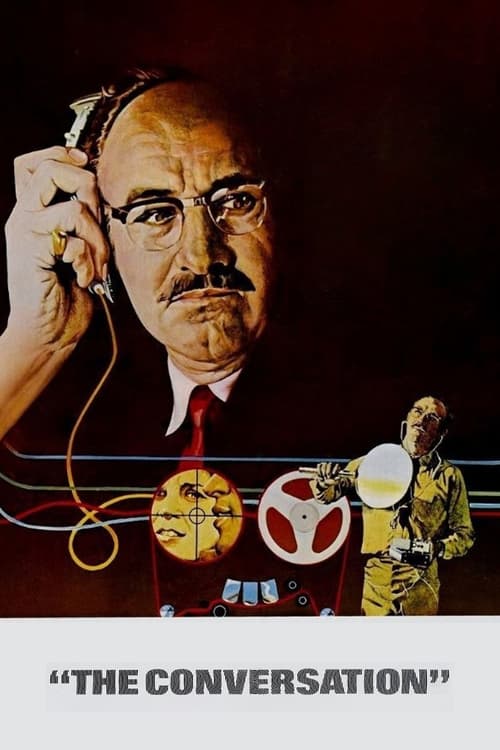
The Conversation - Ranking #6 Recommendation

The Conversation

⚡86% Match
Paranoid ThrillerSurveillance ParanoiaAcoustic VoyeurismPsychological Breakdown

Gene Hackman turns in a career-defining performance as Harry Caul, a solitary wiretapper whose hyper-professional detachment dissolves into suffocating paranoia after he records an enigmatic couple in San Francisco's Union Square. Coppola’s deliberate pacing, paired with Walter Murch’s groundbreaking sound design, turns audio distortion and tape loops into instruments of existential dread. Caul’s obsession reveals how voyeurism isolates the watcher as thoroughly as the watched. Released in the shadow of the Watergate break-in, the film tapped directly into the pervasive dread of Nixonian surveillance culture. It represents the cerebral peak of seventies crime cinema, ditching gunfire for the quieter, deadlier terrors of technological invasion.

7
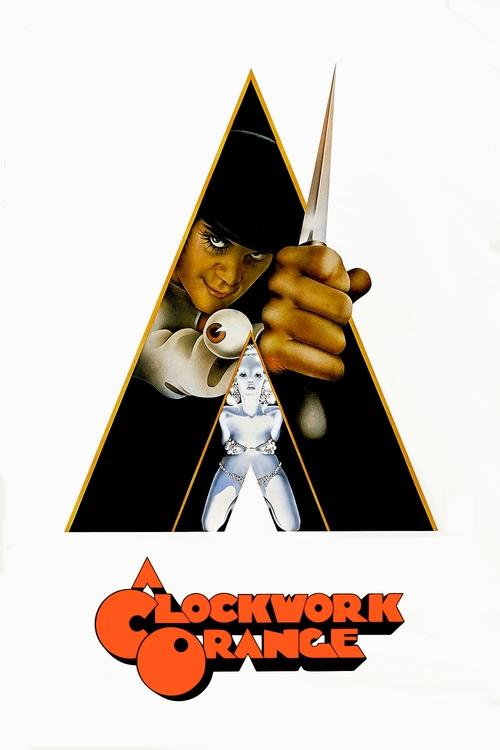
A Clockwork Orange - Ranking #7 Recommendation

A Clockwork Orange

⚡84% Match
Dystopian SatireState ControlUltraviolencePsychological Conditioning

Stanley Kubrick’s brazen adaptation of Anthony Burgess’s dystopian novella offers a merciless inquiry into free will, state violence, and sociopathy. Malcolm McDowell is magnetic and grotesque as Alex DeLarge, whose appetite for ultraviolence and Beethoven becomes the testing ground for the sinister Ludovico psychological conditioning technique. Kubrick’s meticulous wide-angle framing, jarring electronic score by Wendy Carlos, and candy-colored brutalism challenge viewers to confront uncomfortable philosophical realities. While leaning into speculative fiction, its portrayal of juvenile delinquency and institutional brutality struck a profound nerve in early seventies cinema. It pushed genre boundaries into audacious territory, illustrating how state tyranny often eclipses street-level crime.

Stream Now (US)

Watch on Provider
8
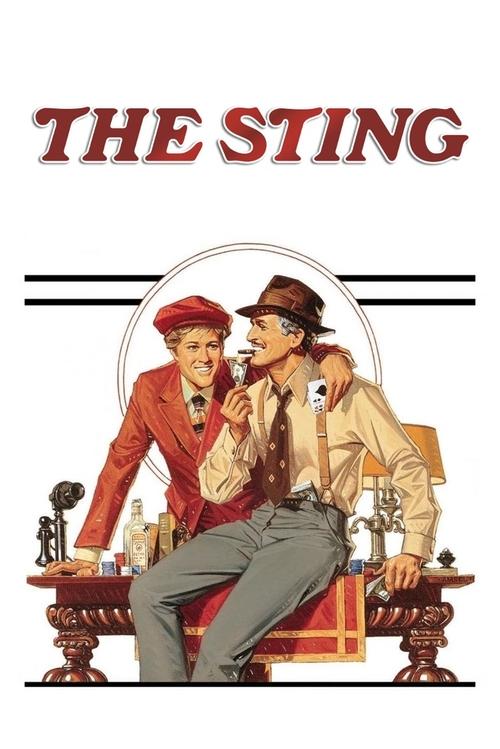
The Sting - Ranking #8 Recommendation

The Sting

⚡82% Match
The Big ConBuddy ChemistryDepression-Era GriftRagtime Aesthetic

George Roy Hill orchestrates a masterclass in narrative sleight-of-hand, reuniting Paul Newman and Robert Redford as two Depression-era grifters staging an elaborate wire con against Robert Shaw’s ruthless mob boss. Powered by Marvin Hamlisch’s revival of Scott Joplin’s ragtime compositions and Edith Head’s pristine period costuming, the film balances immaculate comedic chemistry with genuine narrative stakes. Every trick, misdirection, and reveal is executed with surgical precision. Amidst a decade dominated by grim cynicism and bleeding asphalt, this breezy caper offered audiences an escape without sacrificing sharp, layered storytelling. It remains the gold standard for the con-artist subgenre within New Hollywood's historic run.

Stream Now (US)

Watch on Provider

9
Serpico - Ranking #9 Recommendation

Serpico

⚡80% Match
Whistleblower DramaInstitutional CorruptionPolice ProceduralDocudrama Realism

Filmed on the volatile streets of New York, this hard-hitting biographical drama stars Al Pacino as Frank Serpico, the principled undercover cop who refused payoffs and exposed systemic rot throughout the NYPD. Sidney Lumet directs with documentary-like realism, framing Frank’s growing isolation and eccentric individuality against a sea of indifferent, kickback-collecting patrolmen. Pacino radiates righteous indignation, capturing the immense psychological toll of whistleblowing long before it became a common cinematic trope. In 1973, when civic trust was unraveling nationwide, the film struck a resonant chord. It anchored the decade’s gritty wave of realistic police procedurals, focusing on ethical courage in an inherently compromised system.

10
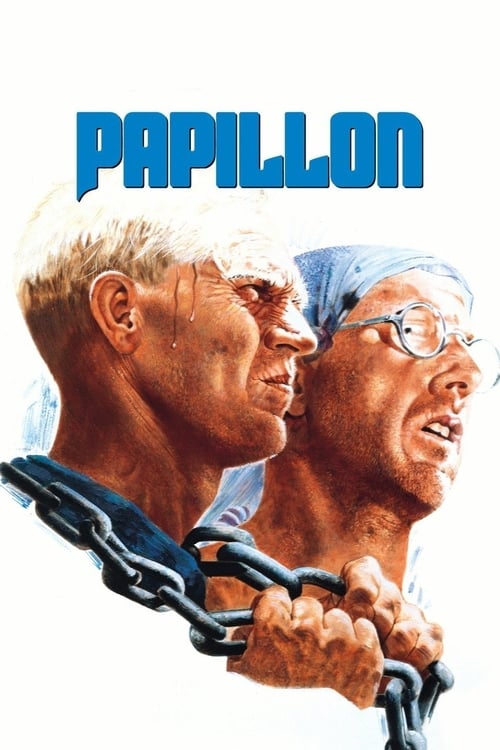
Papillon - Ranking #10 Recommendation

Papillon

⚡78% Match
Penal ColonyPrison BreakSurvival EpicUnyielding Defiance

Franklin J. Schaffner’s brutal survival epic casts Steve McQueen as Henri Charrière, a safecracker unjustly framed for murder and sent to an inescapable penal colony in French Guiana. McQueen’s understated physical resolve pairs brilliantly with Dustin Hoffman’s fragile, bespectacled counterfeiter, creating an emotionally grounded anchor inside a sweltering nightmare of solitary confinement, disease, and relentless cruelty. Schaffner stages the unforgiving jungle topography and treacherous ocean currents with grand scale and unflinching intensity. While functioning largely as an exotic prison escape adventure, its harsh focus on penal brutality reflects the gritty anti-establishment ethos of the 1970s. It stands as a gripping examination of human endurance against institutional cruelty.

⚡ At-A-Glance Comparison: Top Ranked Picks

Summary breakdown of release years, match DNA, and where to stream in the US.

RankMovie TitleYearThematic DNAWhere to Stream (US)
#1The Godfather1972
Mafia DynastyChiaroscuro Cinematography
Amazon Prime Video, Paramount Plus Premium
#2The Godfather Part II1974
Parallel NarrativeImmigrant Experience
Amazon Prime Video, Paramount Plus Premium
#3Taxi Driver1976
Urban AlienationVigilante Psychology
Apple TV, Apple TV Amazon Channel
#4Chinatown1974
Sun-Drenched Neo-NoirMunicipal Corruption
MGM Plus Roku Premium Channel
#5Dog Day Afternoon1975
Bank HeistMedia Circus
VOD / Digital
#6The Conversation1974
Paranoid ThrillerSurveillance Paranoia
Lionsgate+ Amazon Channel, Howdy Amazon Channel
#7A Clockwork Orange1971
Dystopian SatireState Control
HBO Max Amazon Channel, Cinemax Amazon Channel
#8The Sting1973
The Big ConBuddy Chemistry
Amazon Prime Video, YouTube TV
#9Serpico1973
Whistleblower DramaInstitutional Corruption
VOD / Digital
#10Papillon1973
Penal ColonyPrison Break
VOD / Digital

Frequently Asked Questions

Key answers for film lovers looking for titles like Best 70S Crime Movies (Ranked).

Francis Ford Coppola's The Godfather (1972) is widely heralded by critics and film historians as the definitive crime film of the decade. Its operatic scale, iconic ensemble acting, and profound commentary on American capitalism set the benchmark that all subsequent mafia pictures measure themselves against.