Best 70S Neo-Noir Movies (Ranked) hero banner

Best 70S Neo-Noir Movies (Ranked)

Discover the best 70s neo-noir movies ranked. From Chinatown to Taxi Driver, explore the gritty, paranoid decade that reinvented crime cinema.

Year & EraUpdated October 29, 2026

Any serious inventory of the best 70s neo-noir movies must reckon with an era defined by political rot, broken institutions, and shattered illusions. Following the collapse of the Hollywood studio system and the moral disillusionment of Vietnam and Watergate, filmmakers stripped classical film noir of its comforting shadows and romantic fatalism, exposing raw venality under the harsh California sun and grimy city streets.

What emerged was an aggressive, revisionist wave of genre filmmaking that prioritized pervasive paranoia over tidy resolutions. These films traded trench-coated detectives for alienated cabbies, world-weary private eyes adrift in modern counterculture, and desperate antiheroes operating in systems rigged irrevocably against them.

Filter by Platform:
1
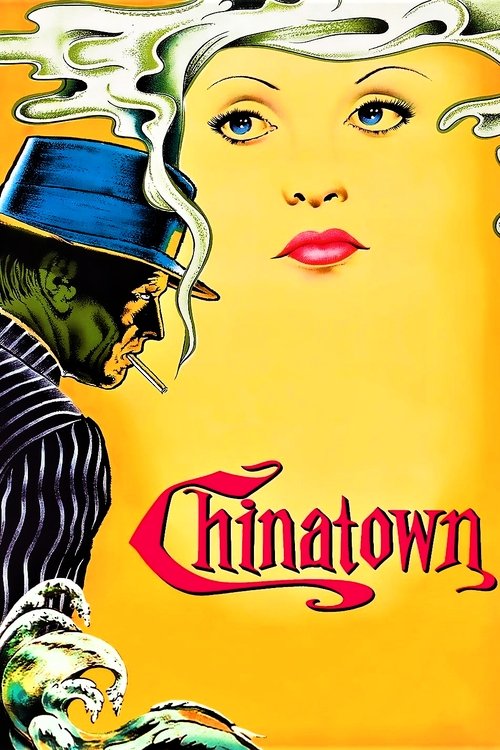
Chinatown - Ranking #1 Recommendation

Chinatown

⚡96% Match
Institutional CorruptionSun-Drenched FatalismHardboiled RevisionismWatergate Era Paranoia

Robert Towne’s script operates like clockwork, yet Roman Polanski drowns that structural perfection in blinding sunlight and unspeakable dread. Jack Nicholson’s J.J. Gittes is an arrogant private eye whose tragic flaw is believing he can outsmart a rotten power structure. John A. Alonzo’s scorched-earth cinematography and Jerry Goldsmith’s melancholic trumpet score elevate a deceptive municipal water conspiracy into a cosmic confrontation with moral depravity. It stands at the absolute zenith of seventies neo-noir because it shattered the traditional hardboiled redemption arc. By replacing the genre’s classical moral certainty with crushing systemic futility, the film crystallizes the post-Watergate American nightmare where greed and corruption always prevail unchecked.

2
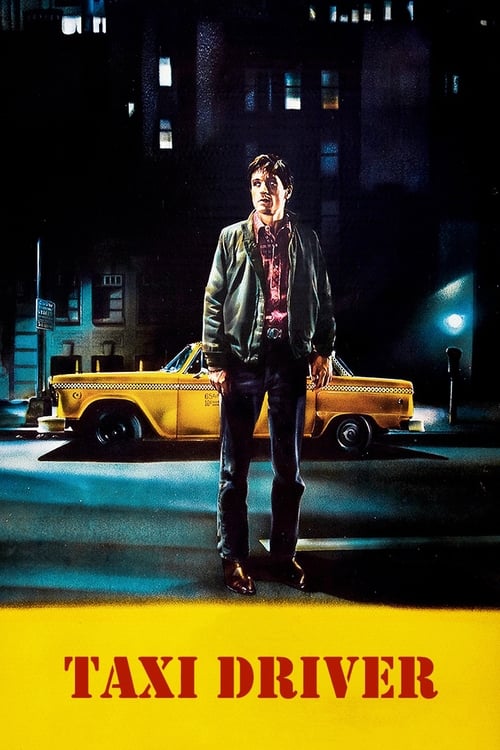
Taxi Driver - Ranking #2 Recommendation

Taxi Driver

⚡94% Match
Urban AlienationPsychological CollapseVigilante PathologyNocturnal Realism

Martin Scorsese turns the decaying asphalt of mid-seventies Manhattan into an operatic descent through urban purgatory. Robert De Niro’s Travis Bickle is the definitive post-war phantom, a ticking time bomb whose violent alienation pulses through Michael Chapman’s neon-slicked camera work and Bernard Herrmann’s brooding, final jazz score. Paul Schrader’s searing script captures the terrifying pathology of vigilante self-righteousness without granting easy catharsis. Within seventies American crime cinema, Bickle redefined the noir protagonist for a cynical new era. His nocturnal vigilante trajectory tore away romantic detective tropes, replacing them with a terrifyingly intimate study of societal fracture, isolation, and performative media idolization.

Stream Now (US)

Watch on Provider
3
The Long Goodbye - Ranking #3 Recommendation

The Long Goodbye

⚡92% Match
Counterculture DeconstructionSlacker DetectiveSun-Bleached SatireCinematic Naturalism

Robert Altman takes Raymond Chandler’s sacred gumshoe and leaves him hilariously out of step with seventies counterculture. Elliott Gould plays Philip Marlowe not as a tough-talking knight-errant, but as a mumbling, chain-smoking slacker drifting through sun-dazed Los Angeles apartments and corrupt coastal enclaves, fixated primarily on finding his missing cat. Vilmos Zsigmond’s restless, drifting zoom lens mirrors this pervasive ethical lethargy. The film remains one of the era’s most brilliant deconstructions, intentionally detonating classical noir morality. Altman exposes the iconic 1940s private eye code as an obsolete relic, capturing the profound disillusionment and casual cruelty of a society that traded honor for self-absorbed apathy.

Stream Now (US)

Watch on Provider
4
The Killing of a Chinese Bookie - Ranking #4 Recommendation
Cinema Verite CrimeClaustrophobic RealismExistential DesperationIndependent Auteur

John Cassavetes applies his trademark cinema-verite intimacy to the underworld thriller with nerve-shredding emotional vulnerability. Ben Gazzara delivers an astonishing, career-defining turn as Cosmo Vittelli, a charismatic yet reckless strip club proprietor trapped by crippling mob gambling debts. The camerawork refuses to grant viewers slick visual relief, locking us in claustrophobic, fluorescent-lit backrooms. Rather than staging glamorous heist thrills, the film documents the agonizing, chaotic mechanics of desperation. Its standing in the seventies crime canon rests on this raw, improvisational realism. Cassavetes completely upends genre convention, turning a mob contract killing into a tragic, micro-budget portrait of personal artistic dignity suffocated by predatory capitalism.

Stream Now (US)

Watch on Provider
5
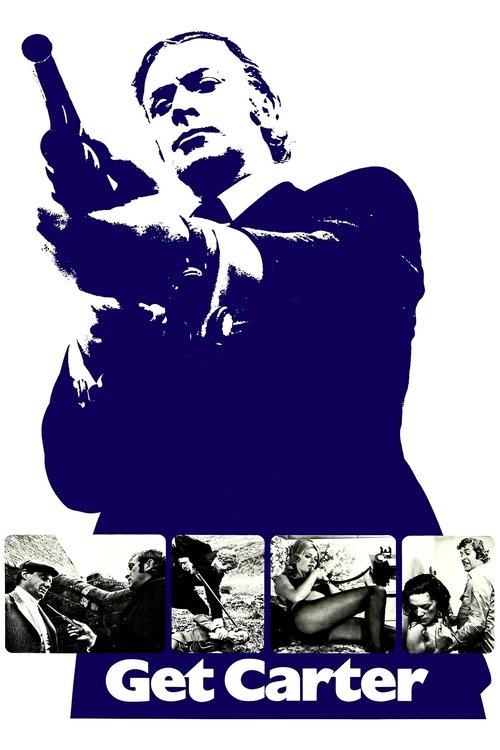
Get Carter - Ranking #5 Recommendation

Get Carter

⚡88% Match
British Industrial BleaknessRevenge TragedyCold-Blooded AntiheroWorking-Class Realism

Mike Hodges drenches the British crime landscape in industrial gloom, trading London glamour for the bleak, smoke-choked streets of Newcastle. Michael Caine embodies cold-blooded vengeance as Jack Carter, a London enforcer investigating his brother’s suspicious demise while dispensing brutal violence without an ounce of remorse. The film’s handheld starkness, jarring editing, and Roy Budd’s sparse, rhythmic score strip all romanticism from British gangster folklore. It remains a watershed entry in international seventies noir, bringing working-class grit and unflinching viciousness to a narrative stripped bare of sentimentality. Hodges proved that the genre's rot wasn't confined to sunny California; it festered deep within decaying British provincial towns.

6
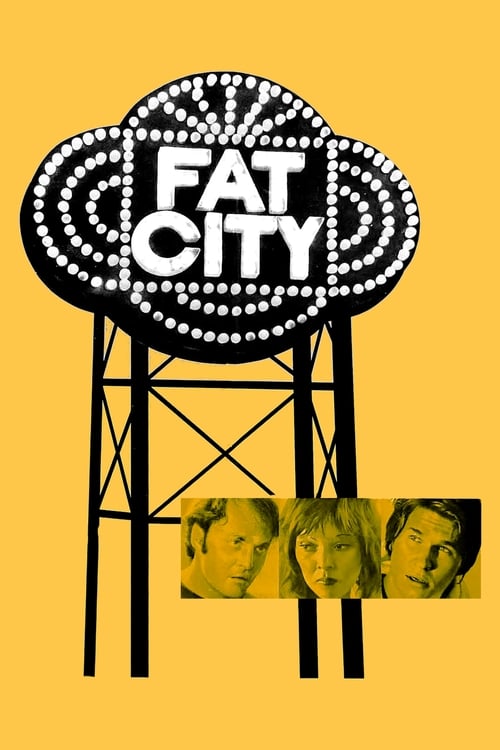
Fat City - Ranking #6 Recommendation

Fat City

⚡86% Match
Underdog MelancholySkid Row DespairPugilistic NaturalismEconomic Desolation

John Huston, who helped birth classical film noir with The Maltese Falcon, returned three decades later to strip the genre down to its bare, bruised knuckles. Set against the sun-baked, decaying flop-houses of Stockton, California, Stacy Keach and Jeff Bridges portray two broken pugilists bound by failure, cheap booze, and economic destitution. Huston shoots every boxing gym and low-rent barroom with unvarnished, tragic empathy, backed by Kris Kristofferson’s mournful soundtrack. The film earns its foundational status in the decade's revisionist wave through its relentless rejection of triumph. It swaps private eyes and femme fatales for down-and-out laborers, revealing noir's soul to be an endless, cyclical trap of everyday working-class survival.

7
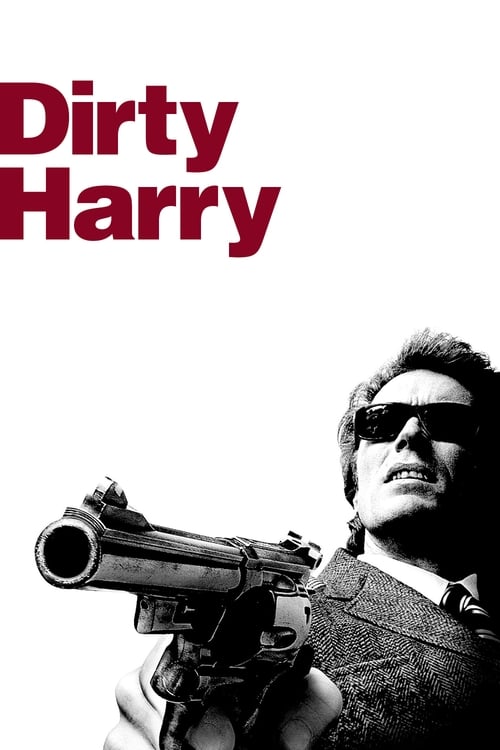
Dirty Harry - Ranking #7 Recommendation

Dirty Harry

⚡84% Match
Rogue EnforcerMetropolitan AnxietyVisceral Urban ThrillerMoral Ambivalence

Don Siegel’s stripped-down, visceral direction transforms San Francisco from a flower-power haven into a sunlit concrete jungle under siege. Clint Eastwood’s Inspector Harry Callahan wields a .44 Magnum as an instrument of reactionary fury against Andy Robinson’s unhinged Scorpio killer, accompanied by Lalo Schifrin’s funk-laced, anxious score. Siegel refuses to sanitize Callahan’s violent contempt for due process, creating a deeply polarizing urban thriller. The film catalyzed a distinct, influential sub-strain of seventies neo-noir that shifted focus from disillusioned private investigators to rogue institutional enforcers. Its cynical view of civil liberties and judicial bureaucracy mirrored the volatile anxieties of a nation grappling with escalating metropolitan crime.

8
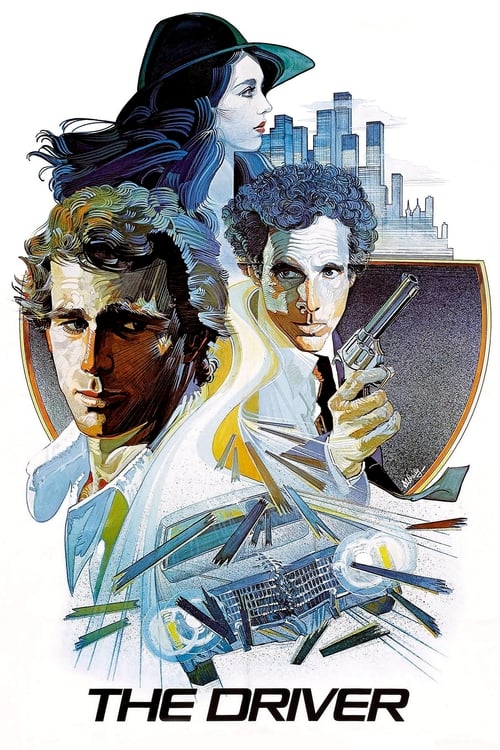
The Driver - Ranking #8 Recommendation

The Driver

⚡82% Match
Existential MinimalismKinetic Car ChasesNocturnal StylizationStoic Antihero

Walter Hill strips narrative exposition down to pure cinematic kineticism, refusing even to name his characters. Ryan O’Neal plays the titular getaway driver with icy, stone-faced restraint, while Bruce Dern relishes his role as an obsessive, corrupt cop bent on orchestrating his downfall. The film’s centerpiece car chases through midnight Los Angeles alleys are staged with punishing mechanical realism, prioritizing roaring tires and crunching metal over flashy editing. As a seminal late-seventies stylistic bridge, Hill’s minimalist exercise fused European existentialism with American muscle. It distilled neo-noir into a sleek, nocturnal game of cat-and-mouse that fundamentally reshaped modern action aesthetics, echoing through subsequent decades of getaway thrillers.

9
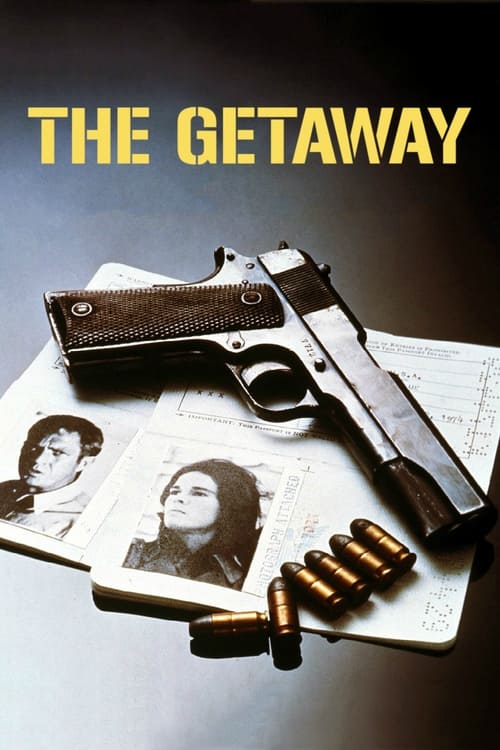
The Getaway - Ranking #9 Recommendation

The Getaway

⚡80% Match
Fugitive DesperationPeckinpah BallisticsSun-Parched PulpMarital Friction

Sam Peckinpah channels his signature kinetic brutality into a sleek, relentless road movie adapted from Jim Thompson’s nihilistic novel. Steve McQueen and Ali MacGraw display genuine, combustible chemistry as an ex-con and his wife fleeing corrupt bankers, ruthless syndicate hitmen, and local law enforcement across sun-scorched Texas plains. Peckinpah’s use of slow-motion gunfights and sharp editing infuses the cross-border chase with blistering tension. Though more pulp-infused and accessible than the era’s moodier detective stories, it holds a vital place in seventies genre cinema. It showcases how New Hollywood filmmakers injected raw visceral violence and moral ambivalence into classic fugitive tropes, turning a desperate escape into an unsparing marital crucible.

10
The Night Caller - Ranking #10 Recommendation

The Night Caller

⚡78% Match
Euro-Crime ProceduralPsychopathic MenacePractical StuntsMorricone Atmosphere

Henri Verneuil directs Jean-Paul Belmondo in an electrifying, Parisian-set duel between a hard-nosed commissaire and an unhinged, misogynistic serial killer named Minos. Belmondo performs astonishing, death-defying practical stunts across moving subway roofs and Parisian balconies, balancing the film’s grim police procedural elements with star-powered action flair. Ennio Morricone provides a haunting, dissonant score that punctuates the suffocating psychological terror lurking across French apartment buildings. While leaning heavily into European pulp thrills, the film captures the bleak urban malaise and investigative helplessness characteristic of the decade’s detective fiction. It demonstrates the international reach of seventies neo-noir, translating American institutional decay into an atmospheric, relentless European thriller.

⚡ At-A-Glance Comparison: Top Ranked Picks

Summary breakdown of release years, match DNA, and where to stream in the US.

RankMovie TitleYearThematic DNAWhere to Stream (US)
#1Chinatown1974
Institutional CorruptionSun-Drenched Fatalism
MGM Plus Roku Premium Channel
#2Taxi Driver1976
Urban AlienationPsychological Collapse
Apple TV, Apple TV Amazon Channel
#3The Long Goodbye1973
Counterculture DeconstructionSlacker Detective
Amazon Prime Video, Amazon Prime Video with Ads
#4The Killing of a Chinese Bookie1976
Cinema Verite CrimeClaustrophobic Realism
HBO Max Amazon Channel, Criterion Channel
#5Get Carter1971
British Industrial BleaknessRevenge Tragedy
VOD / Digital
#6Fat City1972
Underdog MelancholySkid Row Despair
YouTube TV
#7Dirty Harry1971
Rogue EnforcerMetropolitan Anxiety
VOD / Digital
#8The Driver1978
Existential MinimalismKinetic Car Chases
VOD / Digital
#9The Getaway1972
Fugitive DesperationPeckinpah Ballistics
fuboTV, YouTube TV
#10The Night Caller1975
Euro-Crime ProceduralPsychopathic Menace
VOD / Digital

Frequently Asked Questions

Key answers for film lovers looking for titles like Best 70S Neo-Noir Movies (Ranked).

Roman Polanski's Chinatown (1974) is widely recognized as the peak of seventies neo-noir due to its flawless script, devastating resolution, and razor-sharp indictment of systemic corruption. Its subversion of classical detective conventions permanently altered the trajectory of modern crime cinema.