Best 70S Psychological Thriller Movies (Ranked) hero banner

Best 70S Psychological Thriller Movies (Ranked)

Explore the best 70s psychological thriller movies ranked from Lumet's Dog Day Afternoon to cult paranoiac gems of New Hollywood and Europe.

Year & EraUpdated October 29, 2026

Evaluating the best 70s psychological thriller movies requires confronting a decade defined by institutional decay, urban alienation, and shattered trust. Following Vietnam and Watergate, filmmakers abandoned glossy escapism to examine fractures within the human psyche, weaponizing claustrophobic sound design, telephoto lenses, and morally compromised protagonists.

From sweaty New York bank lobbies and sinister corporate boardrooms to desolate Paris apartments, the era’s psychological thrillers captured a pervasive national dread. Directors like Sidney Lumet, Alan J. Pakula, and Roman Polanski blurred the boundary between external conspiracies and internal neuroses, establishing a tense, hyper-realistic grammar that permanently altered how cinema conveys madness, panic, and vulnerability.

1
Dog Day Afternoon - Ranking #1 Recommendation

Dog Day Afternoon

⚡96% Match
New Hollywood RealismHostage CrisisMedia ManipulationUrban Claustrophobia

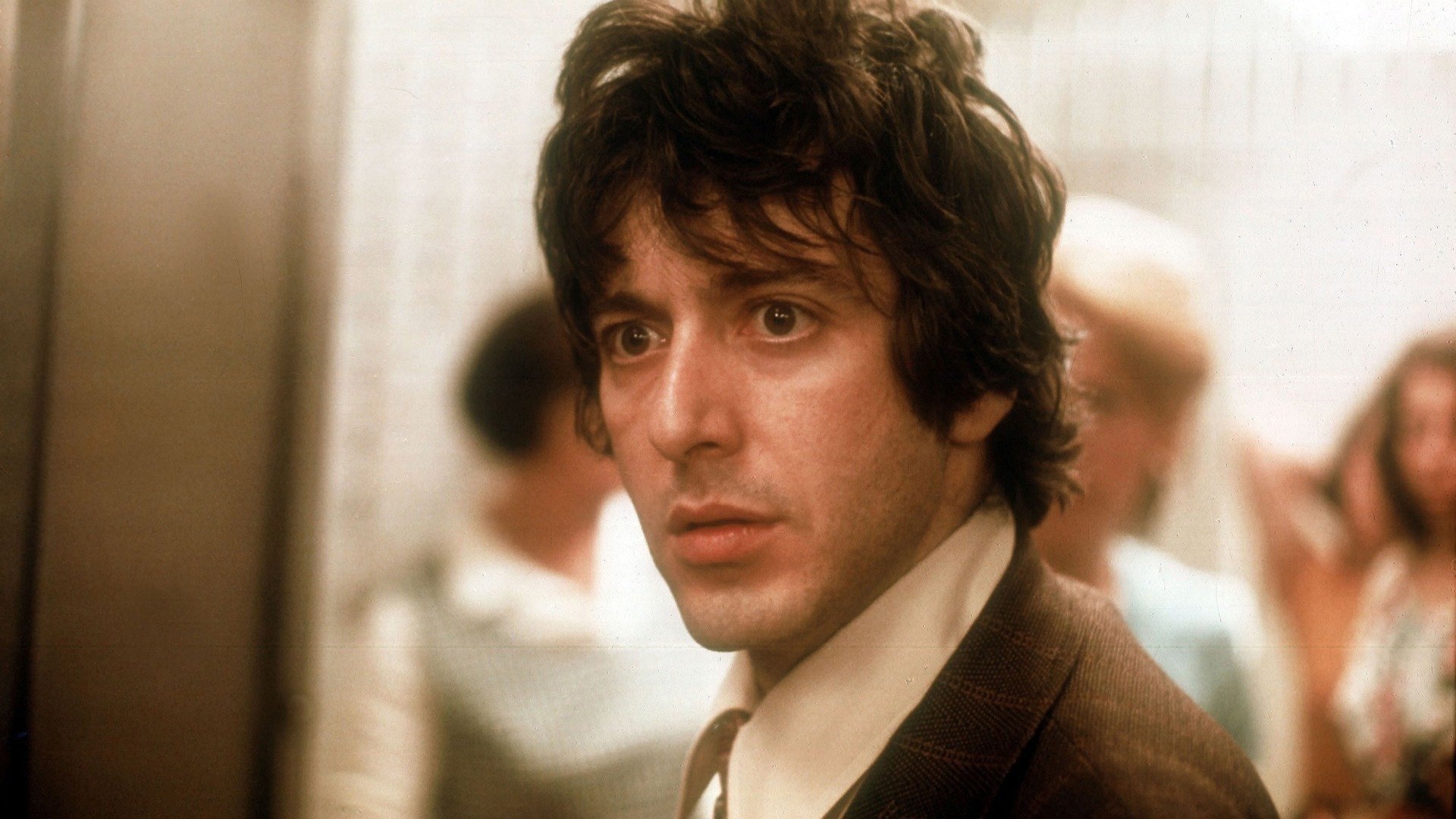
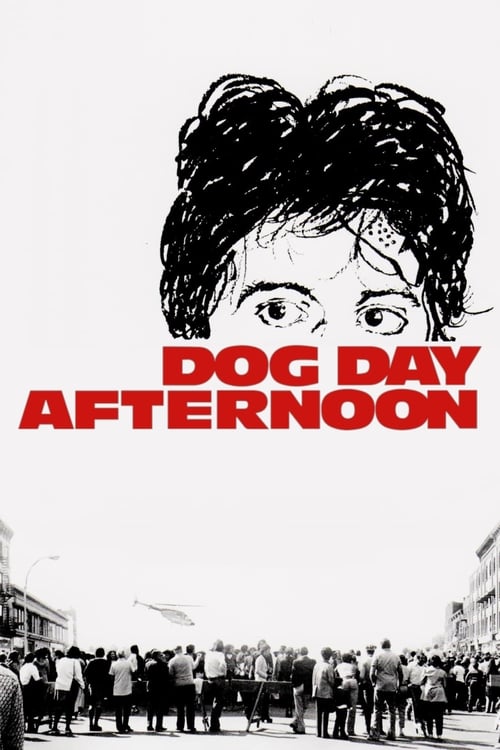
Few films capture collective hysteria and personal disintegration as acutely as Sidney Lumet’s baking Brooklyn pressure cooker. Anchored by Al Pacino’s raw, manic performance as Sonny Wortzik, the narrative strips away standard bank robbery mechanics to reveal a tragic study of desperation, media voyeurism, and identity crisis. Lumet refuses non-diegetic scoring, forcing the audience into uncomfortable intimacy with the sweat, noise, and mounting exhaustion inside the vault. Within 70s psychological thriller history, it stands as the absolute high-water mark—a searing portrait of social friction that transformed a sensationalist hostage negotiation into an agonizing psychological autopsy of working-class survival.
2
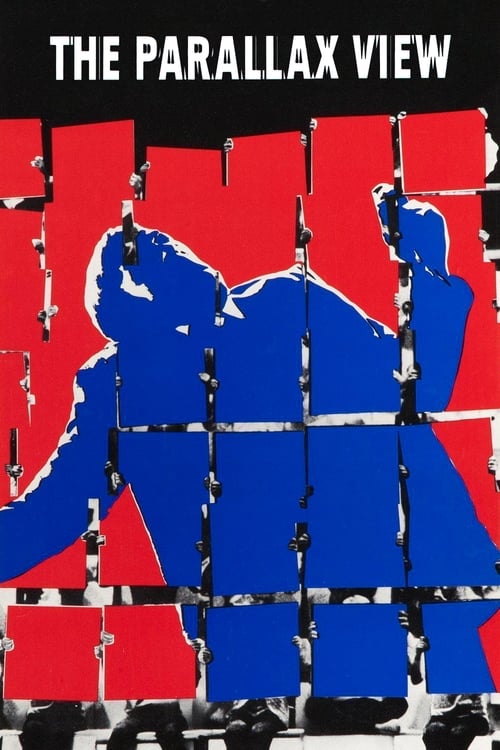
The Parallax View - Ranking #2 Recommendation

The Parallax View

⚡94% Match
Paranoid ConspiracyCorporate IntrigueVisual AlienationBrainwashing

Gordon Willis’s compositions here are exercises in deliberate geometric alienation, isolating Warren Beatty against monumental corporate monoliths and blinding white voids. Alan J. Pakula crafts an uncompromising vision of investigative obsession curbed by systemic annihilation, centered around the sinister Parallax Corporation's brainwashing apparatus. The montage sequence remains an unsettling study in semiotic psychological manipulation that burrows directly under the viewer's skin. In the landscape of 70s thrillers, Pakula’s work represents the apex of post-Watergate paranoia, proving that the most lethal psychological horrors of the decade were not specters in the shadows, but boardrooms silently redrafting reality.

3
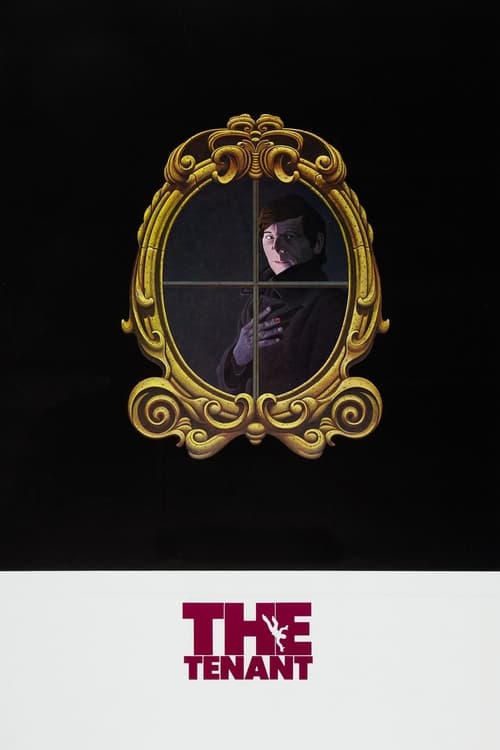
The Tenant - Ranking #3 Recommendation

The Tenant

⚡92% Match
Apartment HorrorIdentity DissolutionUrban ParanoiaSocial Ostracization

Stepping into the suffocating architecture of a dilapidated Parisian flat, Roman Polanski crafts a harrowing descent into identity theft and total social estrangement. As Trelkovsky, an unassuming bureaucrat driven mad by hostile neighbors, Polanski turns domestic walls, transoms, and shared courtyard toilets into instruments of psychological torture. Sven Nykvist’s cinematography distorts spatial geography until mundane domesticity morphs into aggressive malevolence. The film occupies an indispensable niche in the decade’s psychological canon, perfecting the "apartment trilogy" aesthetic by demonstrating how urban isolation and social conformity can systematically dismantle a person's sanity from the inside out.

4
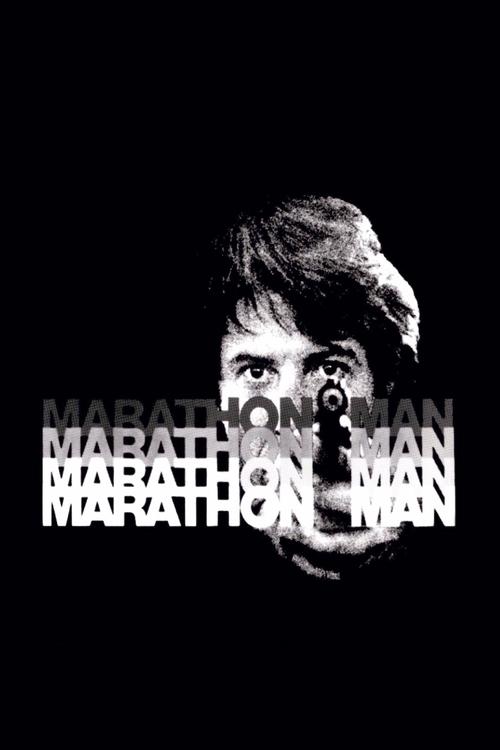
Marathon Man - Ranking #4 Recommendation

Marathon Man

⚡90% Match
Espionage SuspensePost-Holocaust TraumaPhysiological DreadVigilante Justice

John Schlesinger transforms the pavement of mid-seventies Manhattan into a maze of dread, where personal grief collides violently with international espionage. Dustin Hoffman's obsessive graduate student finds his physical endurance tested by Laurence Olivier’s chilling, scalpel-wielding war criminal Christian Szell. The infamous dental interrogation endures because it strips vulnerability down to raw physiological terror, exploiting our most primal anxieties about helplessness and physical violation. As a pivotal entry in the decade's psychological thriller cycle, it brilliantly bridged gritty New Hollywood realism with relentless, nerve-shredding pulp, leaving audiences perpetually distrustful of authority figures and innocent questions alike.

5
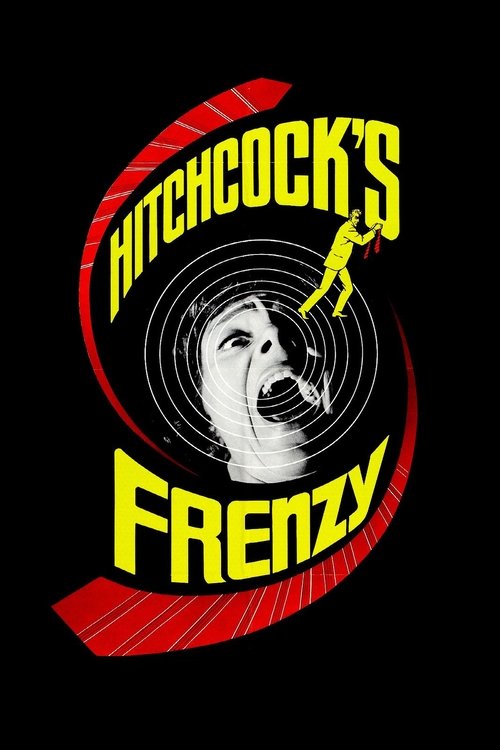
Frenzy - Ranking #5 Recommendation

Frenzy

⚡88% Match
Hitchcockian MacabreWrong Man TropeSerial MurderDark Farce

Returning to London, Alfred Hitchcock embraced the permissive British rating system to deliver an unsparing, darkly comic examination of sexual violence and circumstantial guilt. Jon Finch’s volatile, abrasive protagonist makes for an unusually prickly surrogate, while Barry Foster plays the Necktie Murderer with unnerving charm and domestic banality. Hitchcock’s bravura long take tracking backwards down an ominous staircase proves that silence and absence generate more psychological tension than overt bloodshed. This late-career triumph reaffirmed the master's technical dominance in a changing decade, infusing classical psychological suspense with the grime, cynicism, and brutality of 1970s exploitation aesthetics.

6
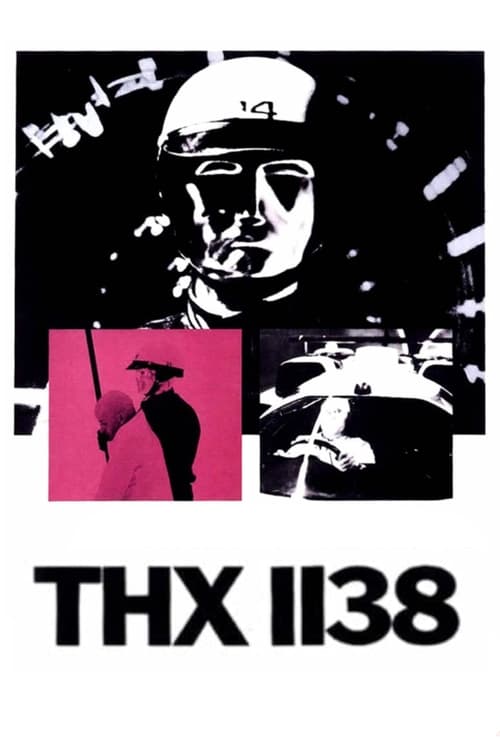
THX 1138 - Ranking #6 Recommendation

THX 1138

⚡86% Match
Dystopian SurveillanceSensory DeprivationPharmacological ControlAvant-Garde Sound

George Lucas’s feature debut weaponizes antiseptic white spaces, abrasive sound collages, and institutional sedation to construct an excruciating portrait of psychological suppression. Robert Duvall gives a remarkably restrained performance as an underground technician waking up from state-enforced numbness after his mate alters their medication regimen. Walter Murch’s sound design behaves like an intrusive psychic buzz, disorienting the viewer with relentless bureaucratic chatter. While often classified purely as speculative sci-fi, the film functions fundamentally as an avant-garde psychological thriller, prefiguring the decade’s recurring obsession with state surveillance, pharmacological control, and the systemic obliteration of personal autonomy.

7
The Plumber - Ranking #7 Recommendation

The Plumber

⚡84% Match
Australian New WaveDomestic InvasionClass ResentmentSlow-Burn Gaslighting

Peter Weir demonstrates his uncanny gift for turning trivial everyday disruptions into creeping existential crises in this compact, slow-burn psychological invasion. Judy Morris excels as an introverted academic whose domestic sanctuary is systematically violated by an abrasive, blue-collar tradesman played with smirking sociopathy by Ivar Kants. Weir focuses on passive-aggressive mind games and class resentment rather than physical violence, letting bathroom pipes and torn tiles echo the protagonist's crumbling composure. The film holds a vital position in the Australian New Wave, epitomizing how 1970s cinema could conjure acute psychological terror out of social politeness and domestic vulnerability.

8
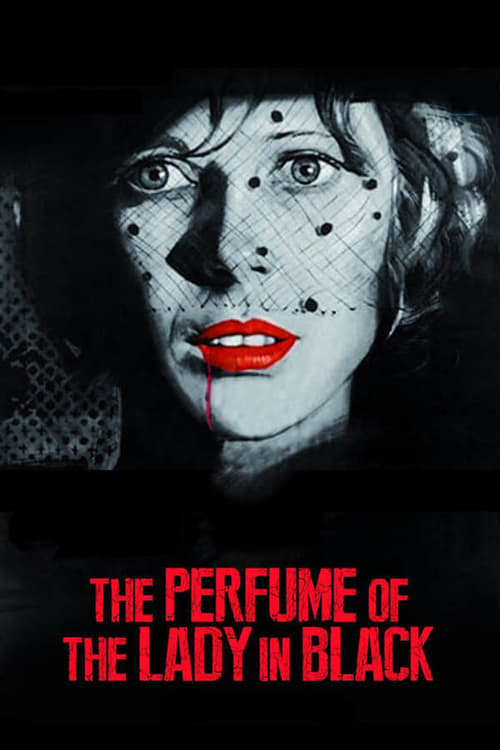
The Perfume of the Lady in Black - Ranking #8 Recommendation
Italian Giallo-AdjacentChildhood TraumaSurreal DeliriumOccult Paranoia

Roberto Barilli’s Italian psychodrama crafts a shimmering, pastel-hued nightmare around an industrial chemist unraveling beneath the weight of childhood trauma and occult machinations. Mimsy Farmer delivers a fragile, empathetic lead performance, wandering through dreamlike Roman streets while surreal delusions erode her grip on reality. Nicola Piovani’s haunting choral score lends an air of tragic inevitability to her mental decay. Standing proudly distinct from standard slash-heavy gialli of the mid-seventies, this cult curiosity remains a fascinating showcase of European psychological cinema's penchant for fusing surrealism, Lewis Carroll imagery, and deep psychoanalytic breakdown.

9
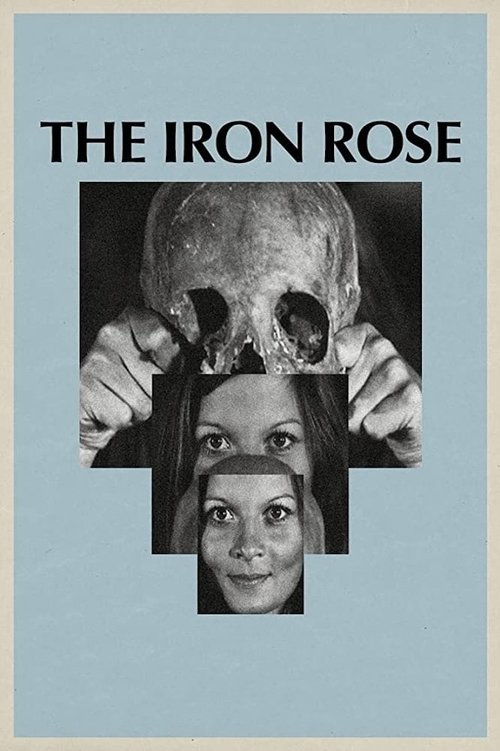
The Iron Rose - Ranking #9 Recommendation

The Iron Rose

⚡80% Match
Poetic RealismExistential DreadNocturnal DespairMinimalist Horror

Jean Rollin trades his signature vampire iconography for pure existential dread, locking an unnamed young couple inside a sprawling, labyrinthine cemetery at sundown. As shadows lengthen, their casual romantic tryst quickly deteriorates into frantic disorientation, delirium, and psychological savagery. Françoise Pascal charts an eerie transformation from frightened lover to unhinged creature of the night, while Rollin uses stark stone crypts and howling winds to evoke raw psychological despair. Though lacking the narrative momentum of mainstream thrillers, it earns its place on this list as a haunting, minimalist experiment in how claustrophobic panic can blossom under an open night sky.

10
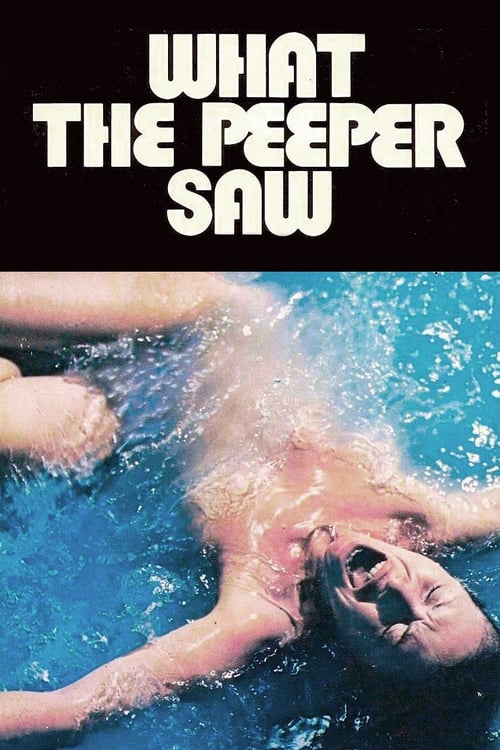
What the Peeper Saw - Ranking #10 Recommendation
Euro-SleazeTaboo SubversionSociopathic YouthManor House Mystery

Also known as Night Hair Child, this transgressive Euro-thriller hinges on the unnerving dynamic between Britt Ekland’s fragile second wife and Mark Lester’s disturbingly poised prep-school sociopath. Co-directors Andrea Bianchi and John Hough generate considerable unease through domestic gaslighting, lingering close-ups, and taboo-skirting psychological warfare. Lester effectively weaponizes his angelic innocence against an isolated adult trapped in a cavernous manor. While undeniably anchored in the exploitative fringes of seventies European cinema, the film offers a grim, claustrophobic slice of psychological manipulation that demonstrates just how perverse the decade’s family thrillers were willing to become.

⚡ At-A-Glance Comparison: Top Ranked Picks

Summary breakdown of release years, match DNA, and where to stream in the US.

RankMovie TitleYearThematic DNAWhere to Stream (US)
#1Dog Day Afternoon1975
New Hollywood RealismHostage Crisis
VOD / Digital
#2The Parallax View1974
Paranoid ConspiracyCorporate Intrigue
VOD / Digital
#3The Tenant1976
Apartment HorrorIdentity Dissolution
VOD / Digital
#4Marathon Man1976
Espionage SuspensePost-Holocaust Trauma
fuboTV, Paramount Plus Premium
#5Frenzy1972
Hitchcockian MacabreWrong Man Trope
VOD / Digital
#6THX 11381971
Dystopian SurveillanceSensory Deprivation
VOD / Digital
#7The Plumber1979
Australian New WaveDomestic Invasion
Criterion Channel
#8The Perfume of the Lady in Black1974
Italian Giallo-AdjacentChildhood Trauma
VOD / Digital
#9The Iron Rose1973
Poetic RealismExistential Dread
Kino Film Collection
#10What the Peeper Saw1972
Euro-SleazeTaboo Subversion
Midnight Pulp Amazon Channel, Bloodstream

Frequently Asked Questions

Key answers for film lovers looking for titles like Best 70S Psychological Thriller Movies (Ranked).

Sidney Lumet's Dog Day Afternoon (1975) is widely regarded by critics as the peak of the genre for its searing blend of social tension, raw realism, and psychological breakdown. Its stripped-down aesthetic and Al Pacino's electric performance set the gold standard for seventies character-driven suspense.