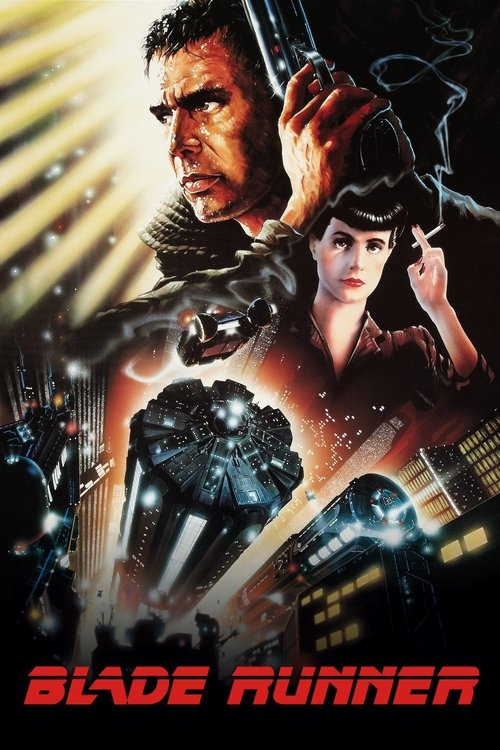
Blade Runner
Ridley Scott’s rain-slicked neo-noir reimagines Philip K. Dick’s existential paranoia through vaporous neon, smoky shadows, and Vangelis’s melancholic synthesizer score. Harrison Ford’s exhausted detective provides the cynical conduit, yet Rutger Hauer’s poetic replicant Roy Batty steals the soul of the picture, articulating the tragedy of manufactured mortality. Scott refuses easy moral resolutions, treating the architecture of 2019 Los Angeles as an oppressive, layered organism reflecting unchecked corporate hegemony. Decades later, its visual syntax defines the aesthetic grammar of futuristic world-building. In an era often dominated by sunny escapism, this picture stands as the philosophical high-water mark of eighties speculative fiction, proving that high-concept studio filmmaking could rival the greatest European arthouse cinema.