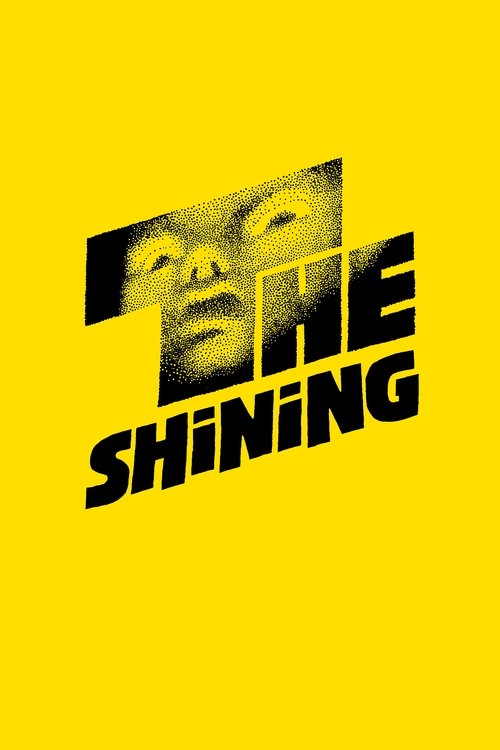
The Shining
Stanley Kubrick treats human unraveling not as a shock tactic, but as a deliberate architectural collapse. Anchored by Jack Nicholson’s manic dissolution and Shelley Duvall’s raw, nerve-shredded survival instinct, the film weaponizes the Steadicam to transform the Overlook Hotel’s maze of hallways into an inescapable psychological labyrinth. Every wide-angle frame hums with claustrophobic dread, stripping away the comfort of sanity until cabin fever morphs into mythic violence. Within the ecosystem of the 1980s, it completely reshaped horror-thriller mechanics, discarding cheap jump scares in favor of calculated disorientation. It stands as an enduring benchmark for psychological dread, anchoring the decade's obsession with isolation and fractures in the nuclear family.
Stream Now (US)
Watch on Provider