Best 80S War Movies (Ranked) hero banner

Best 80S War Movies (Ranked)

Discover the best 80s war movies ranked from worst to best, featuring Come and See, Full Metal Jacket, Platoon, and Das Boot.

Year & EraUpdated October 29, 2026

Evaluating the best 80s war movies requires reckoning with a decade that permanently dismantled military romanticism. After decades of square-jawed heroics and sanitized battlefields, 1980s filmmakers confronted historical carnage with unflinching psychological brutality, existential terror, and profound moral ambiguity. Across the globe, directors stopped treating combat as a stage for triumph and started treating it as an industrial meat grinder that ravages the soul.

This era radically broadened the genre's geography and aesthetic parameters. From the hallucinatory jungles of Vietnam and Soviet nightmares in the Belorussian marshes to suffocating U-boat hulls in the Atlantic, cinema stripped away patriotic mythology in favor of sensory trauma and human cost. What remains is a fiercely intelligent body of work that redefined combat cinema for generations to come.

Filter by Platform:
1
Come and See - Ranking #1 Recommendation

Come and See

⚡96% Match
Psychological HorrorSoviet CinemaEastern Front RealismAnti-War Parable

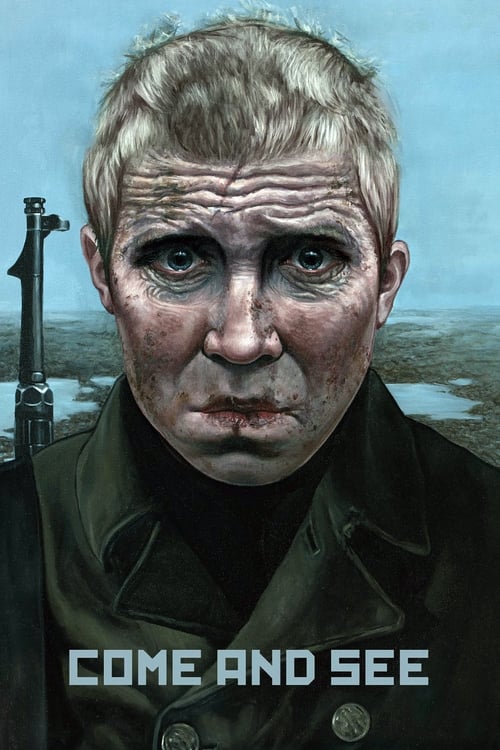
Few cinematic experiences inflict the physical, gut-wrenching dread that Elem Klimov unleashes through the eyes of teenage partisan Flyora. Shot on location in Belarus, the film eschews traditional battle tactics for an unsparing sensory descent into Nazi occupation, weaponizing Steadicam glides, hyper-distorted sound design, and Aleksei Kravchenko's rapidly aging visage. It does not simply depict the slaughter of innocent villagers; it plunges the viewer into a living nightmare of delirium and scorched-earth devastation. Across the entire landscape of 1980s combat cinema, Klimov's work towers as an unmatched, uncompromising anti-war monolith. It remains the gold standard of visceral horror, proving that war on screen should never offer cathartic thrills, only profound, enduring grief.

2
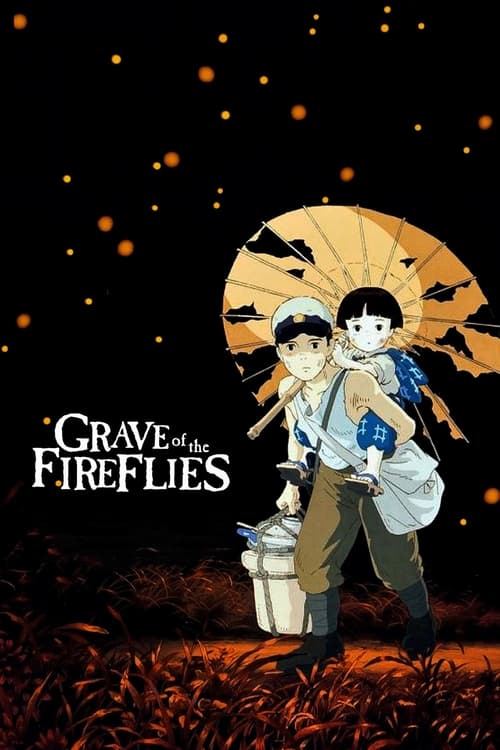
Grave of the Fireflies - Ranking #2 Recommendation
Studio GhibliCivilian TragedyAnime LandmarkWWII Home Front

Isao Takahata achieved the unthinkable with Studio Ghibli: an animated chronicle of civilian survival during the firebombing of Kobe that cuts deeper than almost any live-action production. By focusing entirely on young Seita and his toddler sister Setsuko, the narrative strips combat of soldiers and flags, exposing the slow, bureaucratic cruelty of wartime starvation. The hand-drawn aesthetic amplifies rather than softens the tragedy, infusing fragile moments of childhood wonder with agonizing dramatic irony. It represents the ultimate counter-narrative of the decade, shifting focus from battlefield adrenaline to civilian casualties. Within an era often defined by American jungle warfare, Takahata delivered an indispensable, emotionally devastating critique of nationalist pride and systemic neglect.

Stream Now (US)

Watch on Provider
3
Das Boot - Ranking #3 Recommendation

Das Boot

⚡92% Match
Claustrophobic ThrillerNaval WarfareGerman CinemaGritty Survival

Wolfgang Petersen traps audiences inside the sweating, grease-stained hull of U-96, delivering an agonizing masterclass in claustrophobic suspense. Rather than lionizing ideological zeal, the film tracks German submariners slowly unraveling under the psychological pressure of depth-charge barrages, mechanical failure, and endless weeks of soul-crushing boredom. Jost Vacano's innovative handheld camera races through the narrow corridors, capturing sheer panic in tight, grimy close-ups that make every popping rivet feel fatal. It stood out in its decade as a monumental technical achievement that bypassed Hollywood jingoism entirely. By framing naval conflict as an exercise in sheer survival against an invisible ocean and mechanical decay, Petersen forged an enduring benchmark for submarine cinema.

4
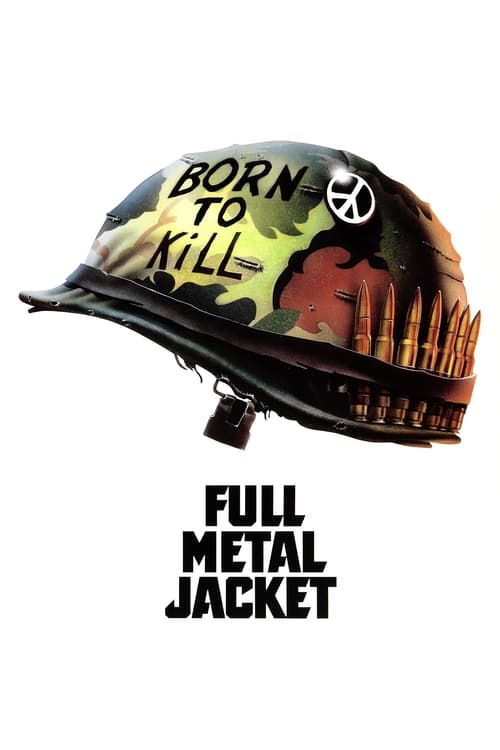
Full Metal Jacket - Ranking #4 Recommendation

Full Metal Jacket

⚡90% Match
Kubrickian SatiresMilitary IndoctrinationVietnam WarTwo-Act Structure

Stanley Kubrick fractures his Vietnam narrative into two stark, dissonant halves: the systematic annihilation of human identity on Parris Island, followed by an ironic, detached stroll through the ruins of Hue City. R. Lee Ermey's blistering, largely improvised performance as Gunnery Sergeant Hartman sets the tone for an unblinking study in institutional indoctrination, where teenage boys are efficiently retooled into lethal, soulless automatons. The film refuses emotional catharsis, relying instead on chilling symmetrical framing, pop-music irony, and cold nihilism. While Hollywood spent the mid-eighties chasing redemptive soldier stories, Kubrick delivered a clinical deconstruction of militarism that exposed the absurd, fatal psychosis at the heart of the American war machine.

Stream Now (US)

Watch on Provider
5
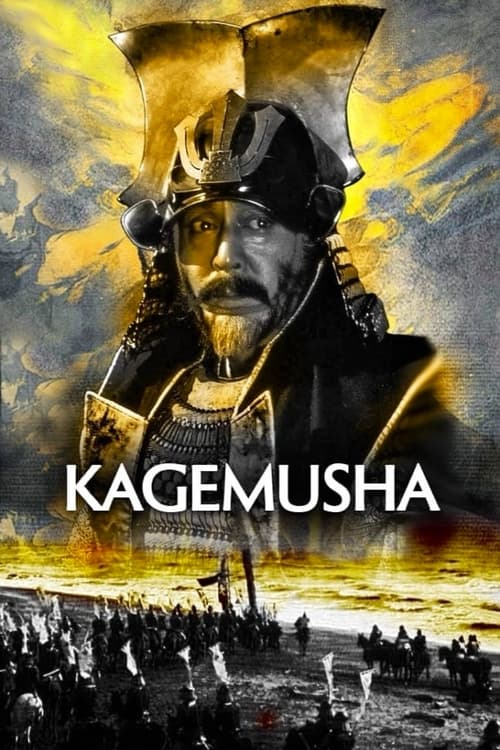
Kagemusha - Ranking #5 Recommendation

Kagemusha

⚡88% Match
Feudal EpicKurosawa AuteurismSamurai TragedyVisual Splendor

Akira Kurosawa paints feudal Japanese warfare with painterly grandeur and Shakespearean gloom, framing the tragic illusion of political power through a petty thief chosen to double for a dying warlord. Tatsuya Nakadai commands the dual role with theatrical grace, mirroring the decaying grandeur of the Takeda clan against vast, color-saturated horizons. When the climactic slaughter at the Battle of Nagashino arrives, Kurosawa deliberately withholds battlefield glory, focusing instead on riderless horses dying in mud and blood. It marked a towering achievement in global eighties filmmaking, demonstrating how international auteurs could combine operatic pageantry with a devastating critique of samurai feudalism, all orchestrated on an astonishingly epic visual canvas.

6
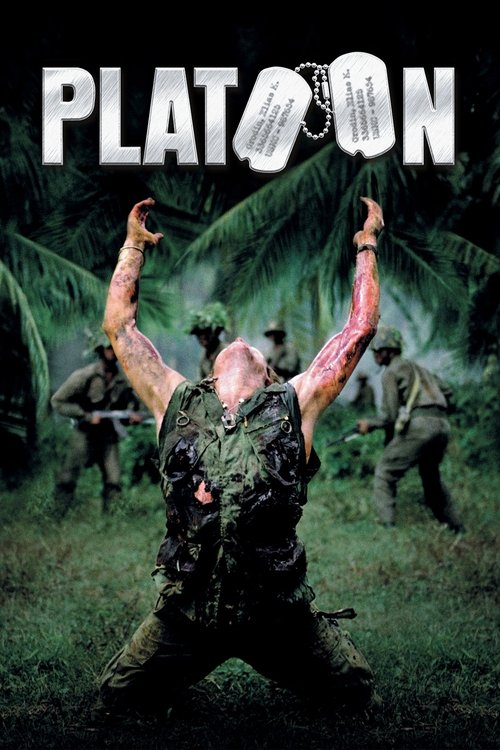
Platoon - Ranking #6 Recommendation

Platoon

⚡86% Match
Veteran PerspectiveJungle WarfareMoral DualityAcademy Award Winner

Oliver Stone brought his own combat scars directly to the screen, turning a grunt's tour of duty into a chaotic, morally bifurcated struggle between two platoon sergeants. Charlie Sheen's Chris Taylor navigates the dense, oppressive jungle like a sleepwalker, caught between Willem Dafoe's compassionate Elias and Tom Berenger's scarred, ruthless Barnes. Robert Richardson's frantic cinematography and Georges Delerue's melancholy arrangements discard glossy Hollywood polish in favor of raw mud, sweat, and moral collapse. As the definitive American cultural reckoning of its decade, the film tore down the romanticized mythology of Vietnam, offering a gritty, deeply personal catharsis that forever altered how modern conflicts are staged on screen.

7
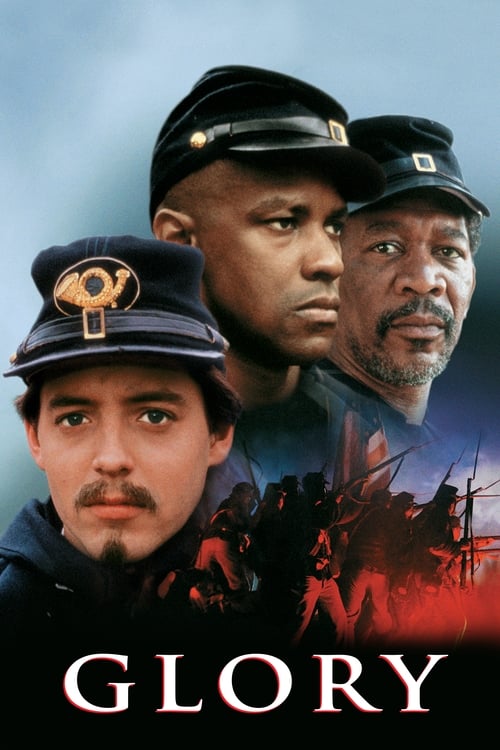
Glory - Ranking #7 Recommendation

Glory

⚡84% Match
Civil War EpicHistorical ReclamationOscar-Winning PerformanceTactile Realism

Edward Zwick mounts an emotionally resonant historical epic that finally brought the heroic sacrifice of the 54th Massachusetts Infantry into mainstream cinematic consciousness. Grounded by Denzel Washington's electrifying, Oscar-winning turn as the defiant Private Trip and Morgan Freeman's stoic gravitas, the film balances quiet interpersonal conflicts with thunderous, tactile combat set pieces. Freddie Francis's luminous cinematography captures both the brutal grime of camp life and the horrifying bayonet charges at Fort Wagner. Arriving at the tail end of the decade, it proved that traditional studio epics could confront institutional racism and historical neglect head-on, delivering a powerful, historically corrective addition to American military cinema.

8
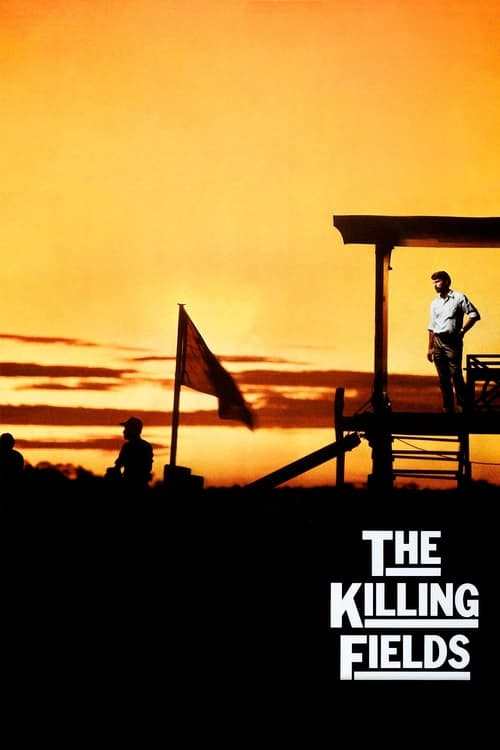
The Killing Fields - Ranking #8 Recommendation

The Killing Fields

⚡82% Match
Journalistic DramaCambodian GenocideTrue SurvivalHistorical Horror

Roland Joffé approaches historical trauma through the prism of investigative journalism and an unbreakable bond of friendship, documenting the horrific rise of the Khmer Rouge in Cambodia. While Sam Waterston's Sydney Schanberg provides the Western journalistic lens, the film's beating heart belongs entirely to Haing S. Ngor, whose Oscar-winning performance as Dith Pran channels real-life survival through Year Zero labor camps. Mike Oldfield's eerie, synth-driven score underscores the nightmarish transformation of a serene society into an agrarian slaughterhouse. It expanded the scope of eighties conflict cinema beyond direct combat skirmishes, delivering an essential, harrowing expose on the catastrophic civilian toll wrought by proxy warfare and ideological fanaticism.

9
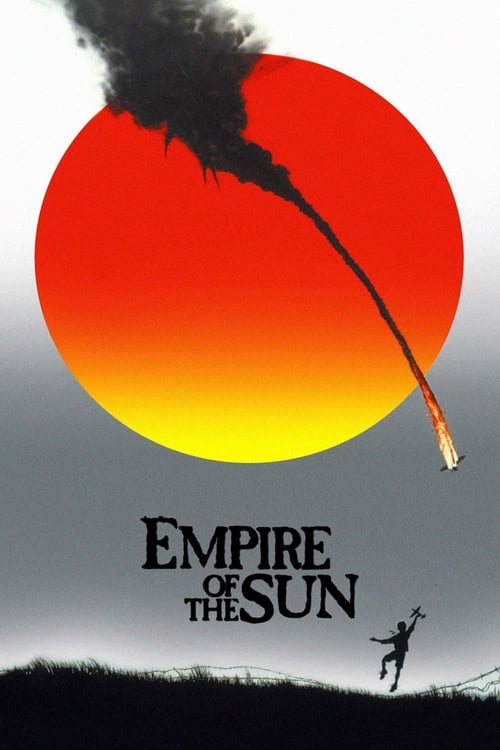
Empire of the Sun - Ranking #9 Recommendation

Empire of the Sun

⚡80% Match
Loss of InnocenceSpielberg DramaPOW PerspectiveComing of Age

Steven Spielberg filters the chaos of the Sino-Japanese War through the surreal, sun-drenched imagination of a sheltered British schoolboy trapped in Lunghua civilian internment camp. Christian Bale delivers a revelatory breakout performance as Jim, balancing childlike wonder for soaring fighter planes with the grim, desperate survival instincts needed to outlast starvation and disease. The production balances massive, sweeping crowd scenes in Shanghai with poetic, dreamlike imagery that anticipates Spielberg's darker mature era. Though lighter in visceral horror than its peers, it holds a unique space in late-eighties cinema as a bittersweet meditation on lost innocence, transforming wartime captivity into a haunting coming-of-age fable.

10
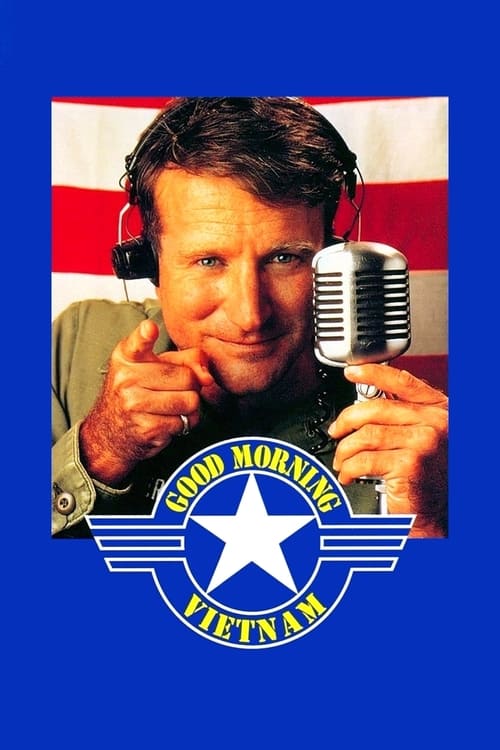
Good Morning, Vietnam - Ranking #10 Recommendation
Wartime SatireRadio BroadcastImprovised ComedyCounterculture

Barry Levinson discovered an unexpected route into wartime absurdity by unleashing Robin Williams' improvisational whirlwind inside the Armed Forces Radio booth in Saigon. Williams balances manic, fast-talking comedy with genuine moral disillusionment as Adrian Cronauer, witnessing firsthand the creeping censorship, civilian casualties, and bureaucratic hypocrisy that characterized the escalating conflict. While the film occasionally leans into soft-edged Hollywood sentimentality in its local romance subplots, its biting critique of military propaganda remains sharp and culturally resonant. It caps the decade's canon by offering a completely different tonal entry point, reminding audiences that humor and rock-and-roll were vital coping mechanisms against systemic madness.

⚡ At-A-Glance Comparison: Top Ranked Picks

Summary breakdown of release years, match DNA, and where to stream in the US.

RankMovie TitleYearThematic DNAWhere to Stream (US)
#1Come and See1985
Psychological HorrorSoviet Cinema
VOD / Digital
#2Grave of the Fireflies1988
Studio GhibliCivilian Tragedy
Netflix, Netflix Standard with Ads
#3Das Boot1981
Claustrophobic ThrillerNaval Warfare
fuboTV
#4Full Metal Jacket1987
Kubrickian SatiresMilitary Indoctrination
HBO Max Amazon Channel, MGM Plus
#5Kagemusha1980
Feudal EpicKurosawa Auteurism
VOD / Digital
#6Platoon1986
Veteran PerspectiveJungle Warfare
fuboTV, MGM+ Amazon Channel
#7Glory1989
Civil War EpicHistorical Reclamation
Sony Pictures Core Amazon Channel
#8The Killing Fields1984
Journalistic DramaCambodian Genocide
VOD / Digital
#9Empire of the Sun1987
Loss of InnocenceSpielberg Drama
VOD / Digital
#10Good Morning, Vietnam1987
Wartime SatireRadio Broadcast
VOD / Digital

Frequently Asked Questions

Key answers for film lovers looking for titles like Best 80S War Movies (Ranked).

Elem Klimov's 1985 Soviet anti-war film Come and See is widely acclaimed by critics and historians as the crowning achievement of 1980s war cinema due to its unflinching psychological realism and hallucinatory depiction of Nazi atrocities. Close contenders include Stanley Kubrick's Full Metal Jacket, Wolfgang Petersen's Das Boot, and Oliver Stone's Platoon.