All 10 Best François Truffaut Movies Ranked (Best to Worst) hero banner

All 10 Best François Truffaut Movies Ranked (Best to Worst)

Explore the best François Truffaut movies ranked from top to bottom, featuring French New Wave essentials like The 400 Blows, Jules and Jim, and Day for Night.

DirectorsUpdated October 29, 2026

Determining the best François Truffaut movies ranked across his prolific career requires engaging directly with the pulse of modern cinema itself. As the fiercest critic of Cahiers du Cinéma turned revolutionary director, Truffaut ignited the French New Wave by dismantling the stuffy, literary "tradition of quality" in favor of vibrant kinetic energy, intimate autobiography, and unadulterated cinephilia. His camera moved with the urgency of youth, capturing Paris not as a postcard studio set, but as an unpredictable maze of longing, rebellion, and stolen romance.

Across three decades, Truffaut shifted from rule-breaking post-war iconoclast to an affectionate guardian of classic European storytelling. Whether chronicling his own coming of age through the life of his on-screen surrogate Antoine Doinel or paying homage to Alfred Hitchcock and Jean Renoir, his filmography remained anchored by humanist empathy and passionate obsession. This critical breakdown separates his enduring breakthroughs from his minor experiments, establishing how each title charts the evolution of French cinema's most romantic auteur.

Filter by Platform:
1
The 400 Blows - Ranking #1 Recommendation

The 400 Blows

⚡96% Match
Juvenile AlienationLocation ShootingAutobiographical RealismFreeze-Frame Syntax

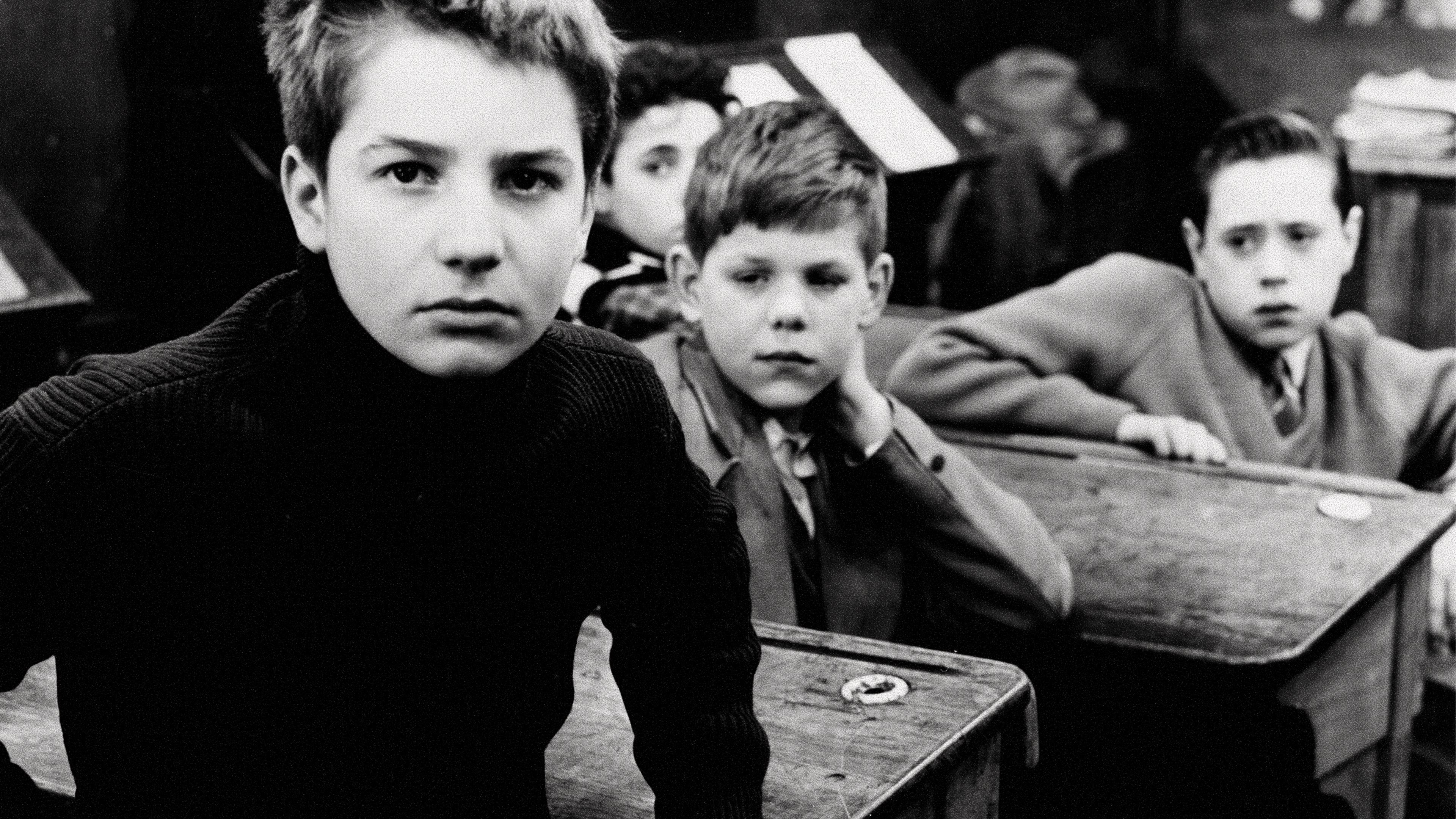
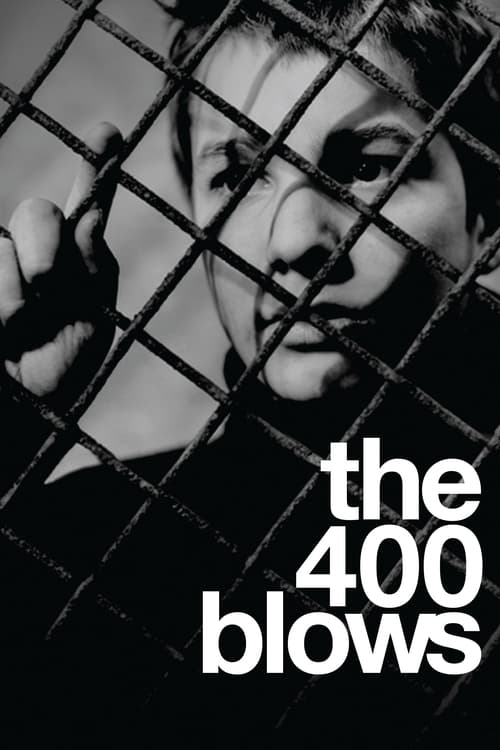
Few films ever altered the medium with the sheer emotional ferocity of this autobiographical debut. Henri Decaë's location shooting brings the cobblestones and schoolrooms of late-fifties Paris to vivid life, capturing young Antoine Doinel's isolation amid unfeeling adults. Jean-Pierre Léaud offers an astonishing performance full of nervous glances and defensive shrugs, culminating in an improvised psychological examination that feels shockingly authentic. The famous concluding freeze frame on the beach remains one of the boldest stylistic punctuations in history. Sitting comfortably at the absolute summit of Truffaut's output, this historic achievement launched the French New Wave and set an impossible benchmark for coming-of-age cinema worldwide.

Stream Now (US)

Watch on Provider

2
Jules and Jim - Ranking #2 Recommendation

Jules and Jim

⚡94% Match
Bohemian RomanceRapid MontagesTragic TrianglesKinetic Camera

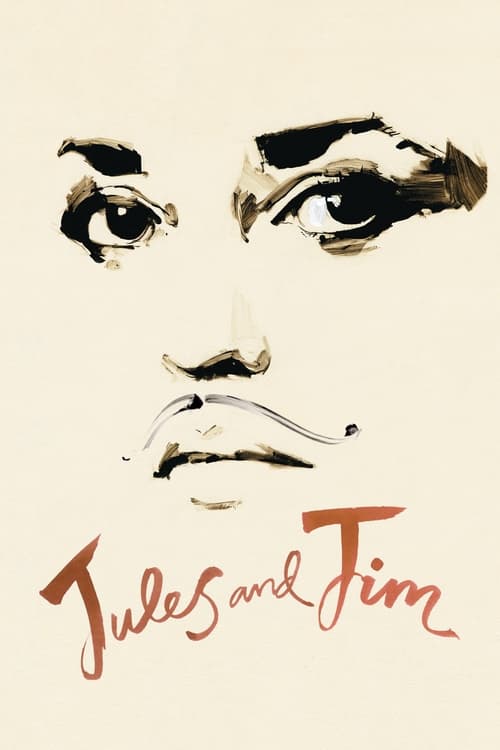
Swirling through time with buoyant momentum, this sweeping adaptation of Henri-Pierre Roché’s novel rewrote the rules of romantic drama. Raoul Coutard's camera flies across Parisian bistros and tranquil countryside vistas, driven by Georges Delerue’s intoxicating musical score. At the center glows Jeanne Moreau as Catherine, a woman whose untamable pursuit of total emotional freedom pulls two inseparable friends into a doomed orbit. The kinetic montage sequences and brisk jump cuts still project an irresistible sense of liberation. It ranks just behind Antoine Doinel's debut as Truffaut’s most formally daring romance, balancing dizzying cinematic joy with devastating historical melancholy across two world wars.

Stream Now (US)

Watch on Provider
3
Day for Night - Ranking #3 Recommendation

Day for Night

⚡92% Match
Film-Set ChaosMeta-CinemaArtistic ObsessionEnsemble Irony

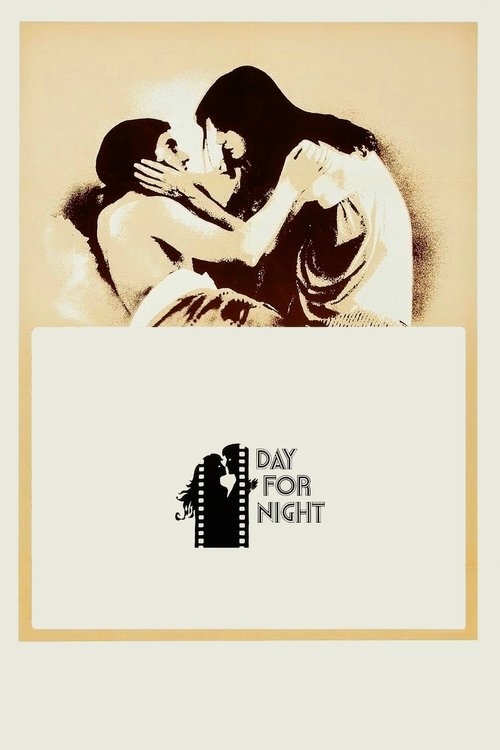
A brilliant self-portrait of the medium itself, this production lays bare the messy alchemy of movie sets. Playing Ferrand, an exhausted director trying to shepherd a pedestrian melodrama across the finish line, Truffaut orchestrates an exquisite ensemble including Jacqueline Bisset and Jean-Pierre Léaud. The narrative juggles nervous breakdowns, flubbed lines, stray kittens, and romantic entanglements with breezy, backstage wit. Beneath the humor lies an impassioned meditation on how cinema consumes real life. Earning the Academy Award for Best Foreign Language Film, it stands as Truffaut's finest mid-career triumph, outranking his conventional later dramas through sheer infectious love for his craft.

4
Shoot the Piano Player - Ranking #4 Recommendation
Pulp SubversionJazz NoirTonal WhiplashDeadpan Absurdism

Injecting David Goodis's pulpy American paperback with Parisian slapstick, this eccentric crime pastiche thrives on radical tonal disjunctions. Charles Aznavour delivers a beautifully downbeat performance as Charlie Kohler, a timid dive-bar pianist desperate to hide his tragic classical past from encroaching mobsters. Instead of honoring standard noir conventions, Truffaut interrupts shootouts with quirky conversational non sequiturs, iris shots, and sudden musical numbers. The narrative swerves unpredictably from lowbrow gangster comedy to bleak tragedy in the snowy countryside. While less emotionally unified than Jules and Jim, this unpredictable, jazzy detour remains his boldest stylistic exercise in pure genre deconstruction.

Stream Now (US)

Watch on Provider
5
The Last Metro - Ranking #5 Recommendation

The Last Metro

⚡88% Match
Occupied FranceTheater MetaphorSubterranean SurvivalClaustrophobic Melodrama

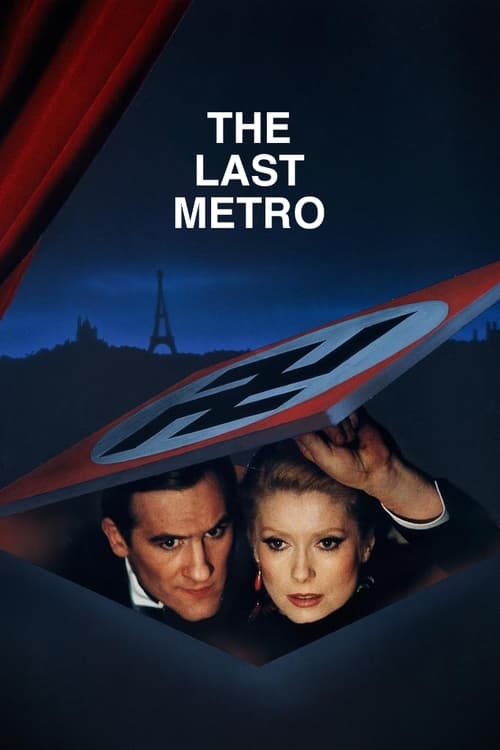
Confinement breeds quiet rebellion within this sophisticated backstage drama set in occupied Paris during World War II. Catherine Deneuve exudes luminous resilience as Marion Steiner, maintaining her troupe’s Montmartre theater while secretly concealing her Jewish husband in the cellar. François Truffaut films the claustrophobic cellar and backstage corridors in warm, suffocating sepia tones, turning stagecraft into an allegory for political endurance. Gérard Depardieu adds electric friction as a hot-headed actor with ties to the Resistance. Dominating the 1981 César Awards, this late triumph ranks just below Truffaut's revolutionary early period, delivering immaculate, classical storytelling that favors nuanced personal compromises over easy cinematic heroics.

Stream Now (US)

Watch on Provider
6
Stolen Kisses - Ranking #6 Recommendation

Stolen Kisses

⚡86% Match
Romantic FumblingPost-68 MelancholyEpisodic ComedyPrivate Detective Farce

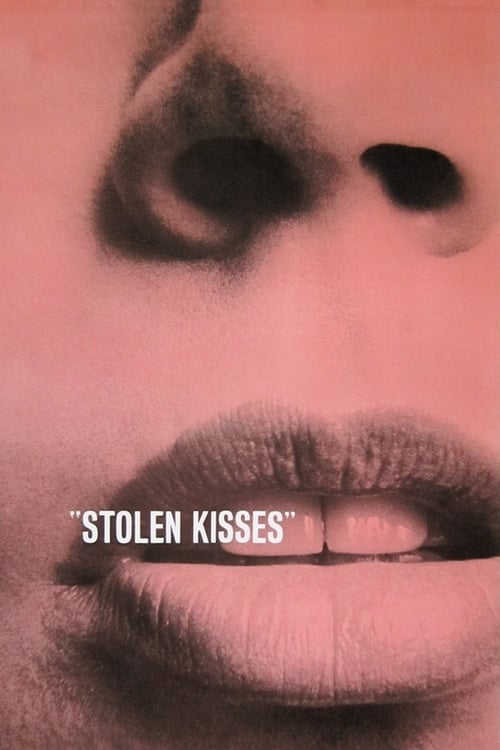
Antoine Doinel's return to civilian life after an ignominious military discharge offers Truffaut at his most casually charming. Released against the turbulent backdrop of Paris in 1968, the film intentionally sidesteps politics for whimsical private investigation, shoe store mishaps, and romantic confusion. Jean-Pierre Léaud brings endearing neurosis to Antoine, especially when smitten by his boss's elegant wife, played with serene poise by Delphine Seyrig. The movie unfolds with breezy, episodic grace, supported by Charles Trenet's lilting title tune. While lacking the revolutionary sting of The 400 Blows, it remains the warmest and most delightfully constructed chapter in the entire Doinel saga.

7
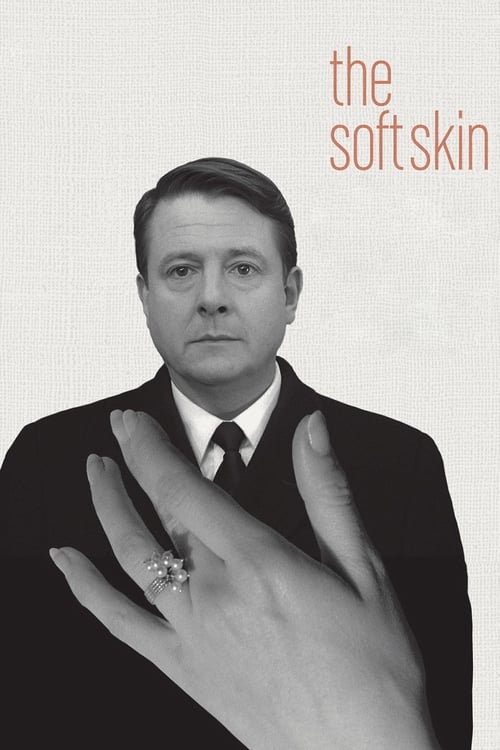
The Soft Skin - Ranking #7 Recommendation

The Soft Skin

⚡84% Match
Adulterous GuiltHitchcockian SuspenseDomestic RuptureIcy Naturalism

Shifting toward Hitchcockian tension, this somber, clinical dissection of adultery shocked critics who expected more New Wave levity. Jean Desailly plays an intellectual celebrity whose comfortable bourgeois marriage crumbles after a liaison with a young flight attendant, portrayed by Françoise Dorléac. Truffaut directs with rigorous precision, emphasizing the humiliating logistics of infidelity: delayed flights, intrusive hotel clerks, and uncomfortable automobile silences. Raoul Coutard’s stark black-and-white cinematography captures the suffocating mechanics of guilt, building inexorably toward violence. Often misunderstood upon release, this calculated tragedy sits comfortably above Truffaut's minor sequels, demonstrating a ruthless psychological maturity that remains criminally underappreciated.

Stream Now (US)

Watch on Provider
8
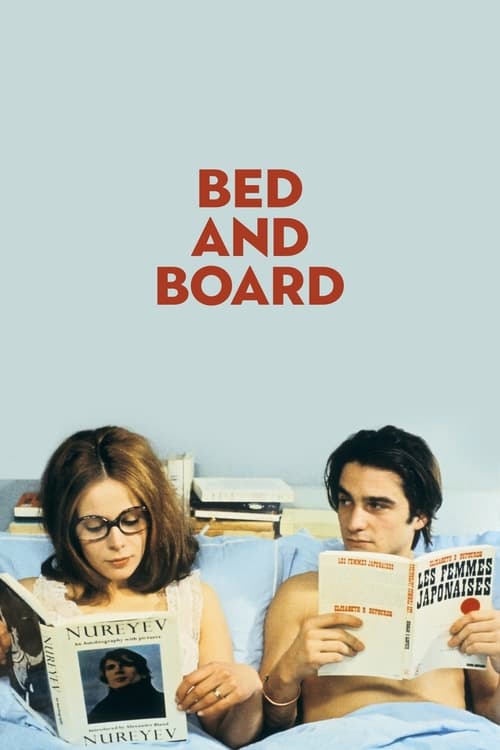
Bed and Board - Ranking #8 Recommendation

Bed and Board

⚡82% Match
Marital FrictionDomestic VignettesCourtyard RealismGentle Farce

Settling into bourgeois adulthood, Antoine and Christine navigate the quiet friction of early domesticity in this colorful neighborhood chronicle. Claude Jade provides an anchor of calm dignity against Antoine's perpetual restlessness, which manifests in odd jobs dying courtyard flowers and an impulsive dalliance with a visiting Japanese woman. Truffaut constructs the film around gentle sight gags, cozy apartment stairwells, and Jacques Tati-esque environmental humor. The comedic timing lands reliably, but the emotional stakes feel noticeably diluted compared to earlier adventures. It sits firmly in the middle tier of Truffaut's filmography: an affectionate, impeccably crafted crowd-pleaser that coasts on established nostalgia.

9
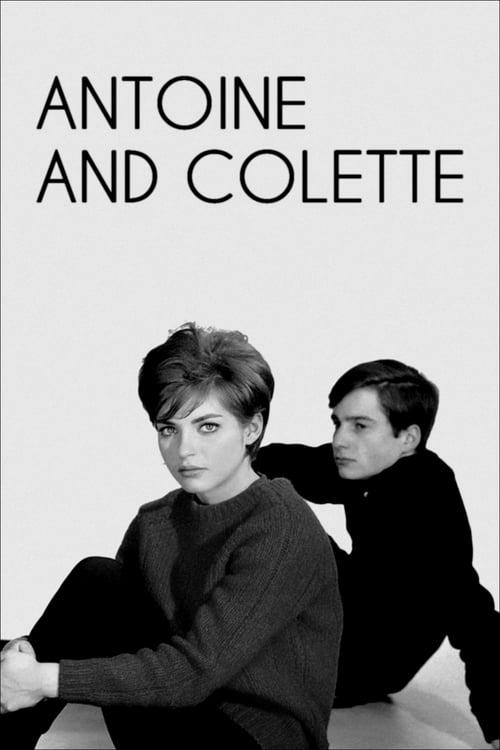
Antoine and Colette - Ranking #9 Recommendation
Adolescent InfatuationUnrequited LoveEpistolary TendernessShort-Form Lyricism

Clocking in at just thirty minutes for the omnibus project Love at Twenty, this brisk short film offers a poignant glimpse into youthful infatuation. Working in a vinyl pressing factory, a teenage Antoine falls head over heels for a classical concertgoer, only to discover that her parents like him far more than she does. Jean-Pierre Léaud's desperate attempts to ingratiate himself are tender, awkward, and thoroughly human. The vignette bridges Doinel's youth with his adult neuroses beautifully, but its brief runtime naturally limits its narrative ambition. It remains a sparkling miniature, overshadowed by Truffaut's full-scale feature triumphs.

10
Fahrenheit 451 - Ranking #10 Recommendation

Fahrenheit 451

⚡78% Match
Dystopian AllegoryLiterary ReverenceTechnicolor ChillAuthoritarian Alienation

Stepping outside his native language, this dystopian adaptation of Ray Bradbury’s sci-fi novel suffers from an unmistakable creative stiffness. Oskar Werner plays the book-burning fireman Guy Montag, whose awakening conscience clashes with an authoritarian society that outlaws literature. Nicolas Roeg's vivid primary-color cinematography and Bernard Herrmann’s ominous score deliver striking moments of haunting atmosphere, particularly during the fiery destruction of hidden libraries. However, flat dialogue and Truffaut's uneasy command of an English-speaking cast drain the narrative of human warmth. Anchoring the bottom of his filmography, it remains a fascinating, flawed visual experiment that never quite achieves thematic liftoff.

⚡ At-A-Glance Comparison: Top Ranked Picks

Summary breakdown of release years, match DNA, and where to stream in the US.

RankMovie TitleYearThematic DNAWhere to Stream (US)
#1The 400 Blows1959
Juvenile AlienationLocation Shooting
HBO Max Amazon Channel, HBO Max
#2Jules and Jim1962
Bohemian RomanceRapid Montages
HBO Max Amazon Channel, HBO Max
#3Day for Night1973
Film-Set ChaosMeta-Cinema
VOD / Digital
#4Shoot the Piano Player1960
Pulp SubversionJazz Noir
HBO Max Amazon Channel, Criterion Channel
#5The Last Metro1980
Occupied FranceTheater Metaphor
HBO Max Amazon Channel, Criterion Channel
#6Stolen Kisses1968
Romantic FumblingPost-68 Melancholy
Criterion Channel
#7The Soft Skin1964
Adulterous GuiltHitchcockian Suspense
HBO Max Amazon Channel, Criterion Channel
#8Bed and Board1970
Marital FrictionDomestic Vignettes
Criterion Channel
#9Antoine and Colette1962
Adolescent InfatuationUnrequited Love
Criterion Channel
#10Fahrenheit 4511966
Dystopian AllegoryLiterary Reverence
VOD / Digital

Frequently Asked Questions

Key answers for film lovers looking for titles like All 10 Best François Truffaut Movies Ranked (Best to Worst).

The 400 Blows (1959) is universally recognized as Truffaut's supreme work, earning the Best Director prize at Cannes and launching the French New Wave. Its raw, semi-autobiographical depiction of rebellious youth and famous freeze-frame finale remain historic milestones in world cinema.