All 10 Best Hirokazu Kore-eda Movies Ranked (Best to Worst) hero banner

All 10 Best Hirokazu Kore-eda Movies Ranked (Best to Worst)

Discover the best Hirokazu Kore-eda movies ranked from worst to best, tracing the Japanese auteur's greatest works from Shoplifters to Nobody Knows.

DirectorsUpdated October 29, 2026

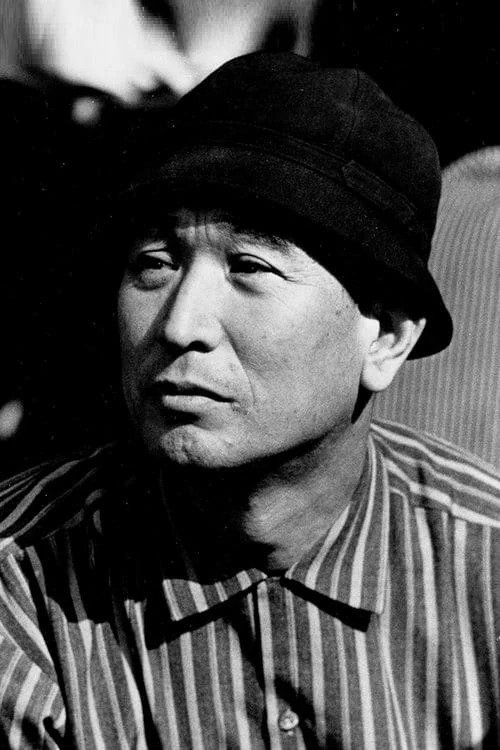
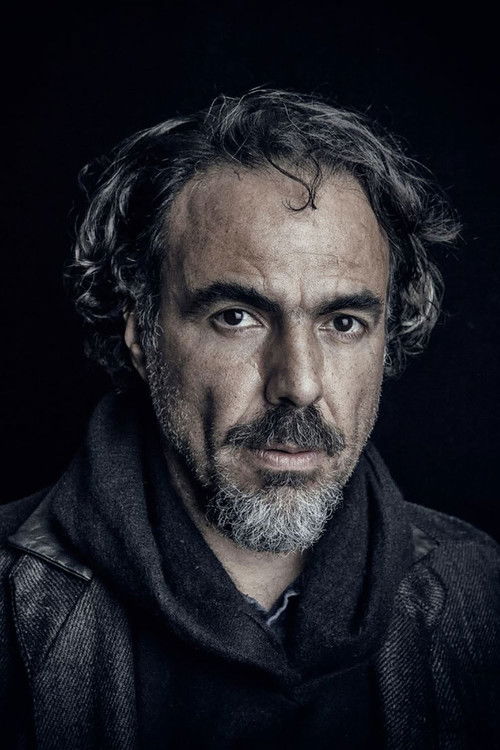
Surveying any definitive list of the best Hirokazu Kore-eda movies ranked requires understanding a filmmaker whose camera operates like an attentive, unhurried guest in the living rooms of ordinary Japanese families. Over three decades of fiction filmmaking following his formative roots in television documentaries, the Tokyo-born auteur has earned justified comparisons to Yasujirō Ozu and Ken Loach, crafting intimate moral studies that elevate domestic minutiae into sublime drama. He does not engineer explosive theatrical crises; instead, his cinema lives in quiet gestures—chopping radishes, hanging laundry, or whispering in crowded apartments—revealing how social institutions frequently abandon the people who need them most.

What distinguishes his body of work is an unmatched ability to interrogate the construct of family itself, continually asking whether biological ties matter more than chosen companionship. From neorealist tragedies of parental neglect to bittersweet generational reunions and tender crime-family portraits, his narratives resist black-and-white moral judgments in favor of radical empathy. Tracing his evolution reveals an artist who transitioned from formal visual grief into humanist storytelling of unparalleled warmth and social bite. Ranking his output means separating absolute peaks of world cinema from merely lovely domestic chronicles, celebrating a director who consistently discovers grace in society's forgotten corners.

Filter by Platform:
1
Shoplifters - Ranking #1 Recommendation

Shoplifters

⚡96% Match
Chosen FamilySocial MarginalizationMoral AmbiguityDomestic Intimacy

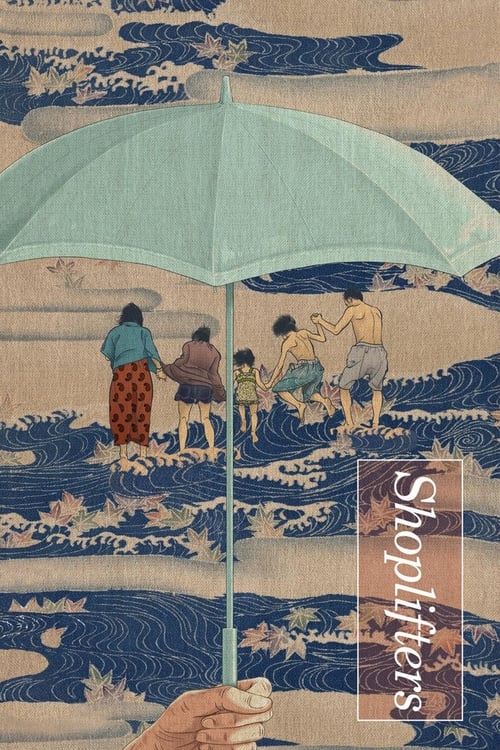
Few filmmakers capture the fragile beauty of improvised kinship with such aching specificity. Centered on a scrappy clan surviving on petty theft and communal warmth in Tokyo's margins, the drama subverts conventional morality by prioritizing genuine tenderness over biological bloodlines. Sakura Ando delivers an astonishing, tear-stained confession that exposes the hypocrisy of institutional care, while Ryuto Kondo's cinematography envelopes the cramped home in golden, tactile intimacy. In a catalog filled with incisive explorations of domestic estrangement, this Palme d'Or triumph marks the director's peak. It synthesizes his documentary-rooted naturalism with sharp social criticism, standing tall as his most complete, emotionally devastating artistic statement.

Stream Now (US)

Watch on Provider


2
Still Walking - Ranking #2 Recommendation

Still Walking

⚡94% Match
Generational GriefDomestic FrictionMicro-GesturesKitchen Realism

Unfolding across twenty-four stifling hours during an annual memorial for an elder son who drowned, this domestic study turns everyday kitchen prep and passive-aggressive banter into profound psychological terrain. Kirin Kiki is quietly terrifying yet deeply human as a grieving matriarch who weaponizes polite hospitality, while Hiroshi Abe portrays simmering middle-aged inadequacy with exquisite reserve. The camera lingers on tempura crackling in hot oil and passing yellow butterflies, capturing how grief metastasizes into unspoken resentment. Occupying the very upper echelon of the canon, it outstrips flashier efforts through pure thematic discipline, functioning as his tightest, most formally refined tribute to the emotional architecture of generational guilt.

3
Nobody Knows - Ranking #3 Recommendation

Nobody Knows

⚡92% Match
Neorealist AnguishChildhood ResilienceParental NeglectUrban Alienation

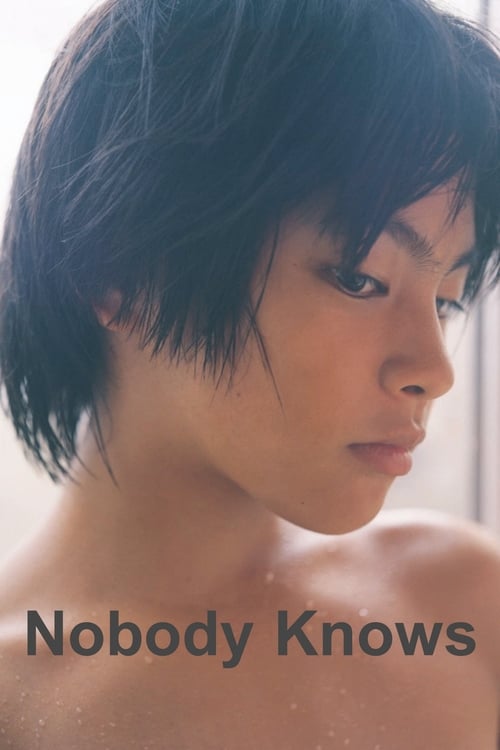
Abandonment receives a devastatingly unsentimental gaze in this neorealist chronicle of four half-siblings left to fend for themselves in a Tokyo flat. Drawing on his documentary background, the director extracts an extraordinarily unvarnished performance from twelve-year-old Yūya Yagira, who anchors the quiet horror with weary resilience. Sunlight filters through grimy windowpanes, toy pianos chime softly, and dirty fingernails mark the passage of time without relying on melodramatic histrionics. This breakthrough remains one of his most haunting triumphs. While lacking the expansive societal scope that elevates his later Palme d'Or winner, its raw, observational anguish makes it an indelible moral cornerstone that defined his international reputation.

4
Like Father, Like Son - Ranking #4 Recommendation
Nature vs NurtureClass ContrastPaternal IdentityEthical Dilemma

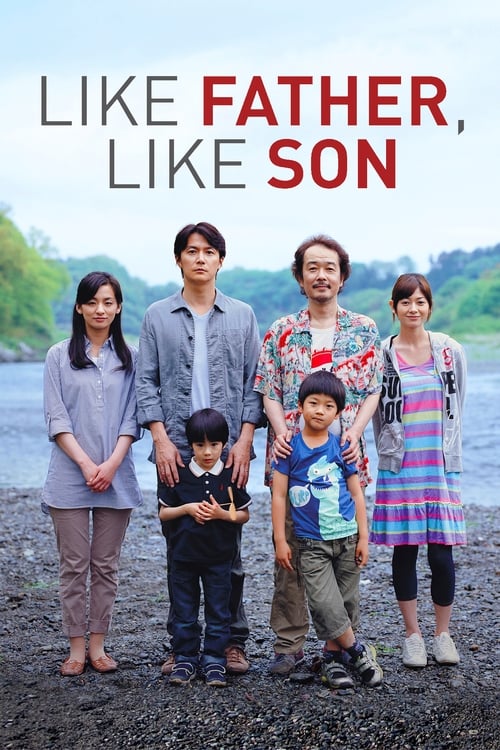
When two sets of parents discover their six-year-old sons were switched at birth, a wealthy corporate architect is forced to dismantle his rigid assumptions about blood, pedigree, and fatherhood. Masaharu Fukuyama delivers a sharp, austere performance as a man whose calculated pursuit of perfection clashes with the messy, joyful warmth of a working-class counterpart. The narrative explores nature versus nurture without ever lapsing into courtroom cliché, utilizing crisp architectural lines to reflect internal emotional distance. It firmly holds a top-tier slot in the filmography, balancing mainstream accessibility with penetrating psychological rigor, even if its central thematic dilemma resolves on slightly tidier footing than his grittier masterworks.

5
Monster - Ranking #5 Recommendation

Monster

⚡88% Match
Rashomon StructureQueer AwakeningSubjective TruthInstitutional Failure

Employing a tripartite structure reminiscent of Rashomon, this enigmatic lakeside drama fractures a single elementary school confrontation across the perspectives of a protective single mother, an accused teacher, and two troubled boys. The late Ryuichi Sakamoto's delicate piano score wraps around mud-streaked uniforms and abandoned railway cars, shifting the tone from an ominous social thriller into a radiant celebration of queer awakening. It represents a thrilling formal detour for the veteran auteur, benefiting from Yuji Sakamoto's intricate script. Although its puzzle-box framing occasionally feels more calculated than his usual organic domestic rhythms, the film's climactic emotional catharsis solidifies its position among his finest recent achievements.

6
Maborosi - Ranking #6 Recommendation

Maborosi

⚡86% Match
Visual StillnessUnspoken MourningChiaroscuro CompositionCoastal Solitude

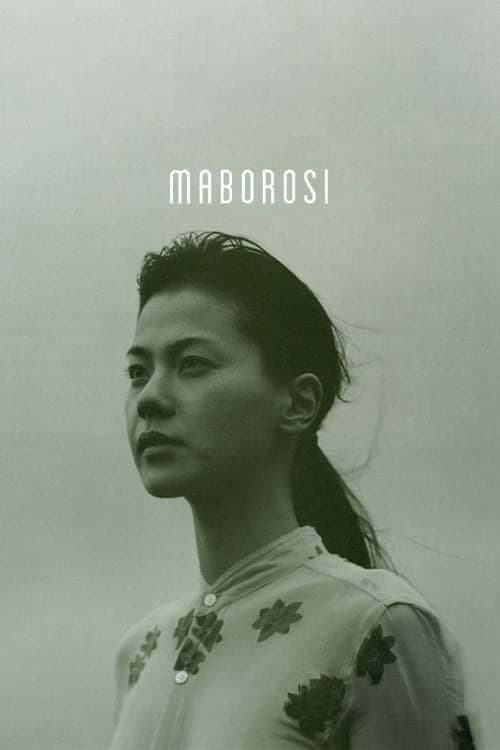
Long, contemplative takes and deep chiaroscuro lighting define this hypnotic meditation on inexplicable loss, where a young widow struggles to understand her husband's sudden suicide on a train track. Makiko Esumi's performance is built on subtle postures and lingering silences, framed against the windswept shorelines and shadowy interiors of rural Wajima. Drawing obvious visual kinship to the static compositions of Hou Hsiao-hsien, the film prioritizes spatial mood over conventional plot advancement. As his fiction feature debut, it remains a formally daring visual anomaly. While somewhat colder and more detached than the humane character portraits that followed, it establishes his lifelong obsession with grief and lingering memory.

7
Our Little Sister - Ranking #7 Recommendation

Our Little Sister

⚡84% Match
Sisterhood SolidarityCulinary NostalgiaPastoral SerenityGentle Forgiveness

Adapted from Akimi Yoshida's manga, this gentle seaside chronicle welcomes a teenage half-sister into the Kamakura home of three adult siblings following their estranged father's funeral. The visual palette bursts with plum wine harvests, cherry blossom tunnels, and seaside diners, celebrating the healing power of shared meals and quiet female solidarity. Haruka Ayase anchors the ensemble with serene grace, guiding the narrative away from soap-operatic friction toward gentle emotional reconciliation. Positioned comfortably in the director's mid-tier, the picture delivers intoxicating sensory pleasure, even if its sun-dappled sweetness lacks the abrasive sociological friction and structural urgency found in his greatest family deconstructions.

8
I Wish - Ranking #8 Recommendation

I Wish

⚡82% Match
Childhood LogicBreezy OptimismDivorce FalloutWanderlust Innocence

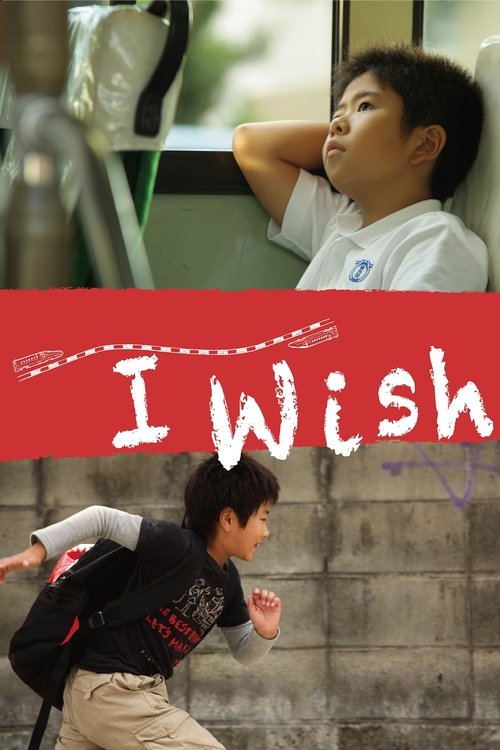
Separated by their parents' divorce across Kyushu, two spirited young brothers hatch an audacious scheme to witness the crossing of two newly opened bullet trains, believing the intersection will grant a miracle. Real-life comedy duo brothers Koki and Oshiro Maeda supply effortless, vibrant energy, capturing childhood logic with authentic wit and zero condescension. The pacing floats on breezy summer breezes and pop-rock strums, avoiding saccharine traps through observant realism. It sits as a lighter, wonderfully buoyant palette cleanser within his filmography. While undeniably delightful and warm-hearted, its modest emotional stakes keep it from matching the crushing dramatic depth of his premier child-focused tragedies.

9
Broker - Ranking #9 Recommendation

Broker

⚡80% Match
Road Trip DynamicUnderworld HumanismAdoption EthicsFound Kinship

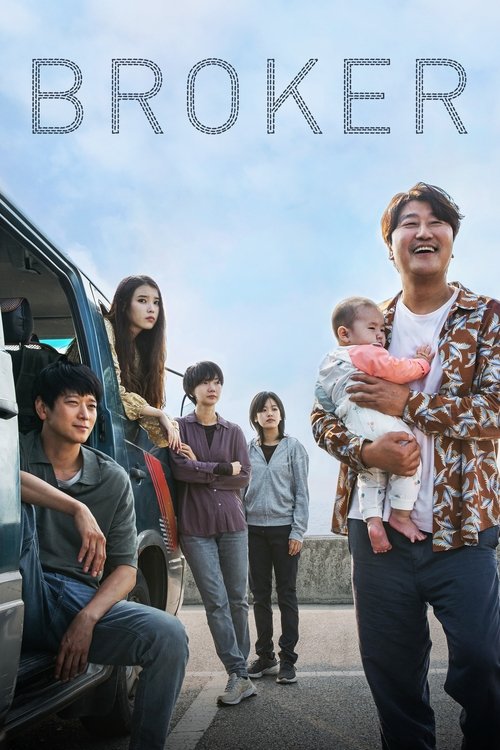
Venturing to South Korea with Song Kang-ho at the wheel of a battered laundry van, this road movie assembles an ad-hoc family around an illegally brokered infant and an ambivalent young mother. The interplay between desperate hustlers and trailing detectives generates isolated pockets of genuine sweetness, climaxing in a poignant hotel-room affirmation of existence. However, the plotting creaks under coincidental detective subplots and tonal uncertainty that occasionally tilts toward overt sentimentality. While far from a failure and buoyed by exceptional acting, it ranks near the bottom of his original works, feeling like an over-schematic rehash of themes he explored with far sharper discipline in Tokyo.

10
Look Back - Ranking #10 Recommendation

Look Back

⚡78% Match
Artistic RivalryCreative GriefAnimated MetatextAuteur Outlier

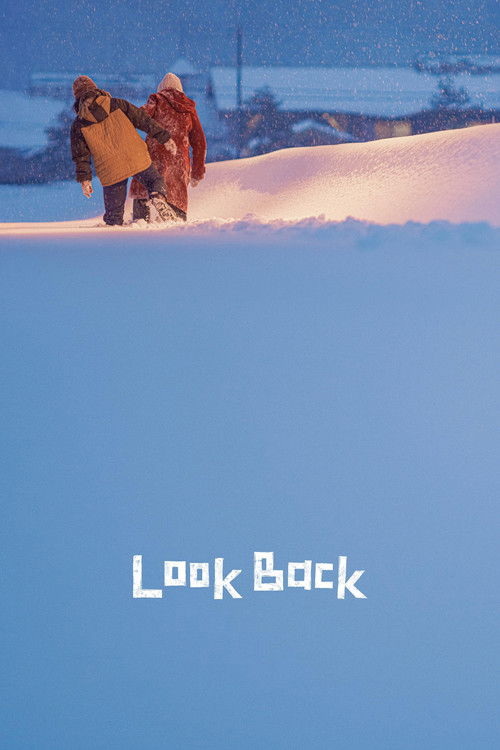
This curious entry captures artistic rivalry and teenage obsession, chronicling two young mangaka whose shared creative passion is fractured by sudden real-world trauma. The visual execution relies on sharp animated lines, rhythmic drawing montages, and poignant reflections on why artists create in the face of inevitable sorrow. While carrying thematic echoes of artistic memory, its production footprint and authorship diverge sharply from the live-action, observational realism that defines the director's renowned corpus. Consequently, it occupies the lowest slot on this ranking, standing as an anomalous footnote that cannot compete with the layered, lived-in humanity of the auteur's authentic signature masterworks.

⚡ At-A-Glance Comparison: Top Ranked Picks

Summary breakdown of release years, match DNA, and where to stream in the US.

RankMovie TitleYearThematic DNAWhere to Stream (US)
#1Shoplifters2018
Chosen FamilySocial Marginalization
Netflix, Amazon Prime Video
#2Still Walking2008
Generational GriefDomestic Friction
Philo, AMC Plus Apple TV channel
#3Nobody Knows2004
Neorealist AnguishChildhood Resilience
Philo, AMC Plus Apple TV channel
#4Like Father, Like Son2013
Nature vs NurtureClass Contrast
AMC Plus Apple TV channel, AMC+ Amazon Channel
#5Monster2023
Rashomon StructureQueer Awakening
MUBI, MUBI Amazon Channel
#6Maborosi1995
Visual StillnessUnspoken Mourning
OVID
#7Our Little Sister2015
Sisterhood SolidarityCulinary Nostalgia
VOD / Digital
#8I Wish2011
Childhood LogicBreezy Optimism
Magnolia Selects Amazon Channel
#9Broker2022
Road Trip DynamicUnderworld Humanism
VOD / Digital
#10Look Back2026
Artistic RivalryCreative Grief
VOD / Digital

Frequently Asked Questions

Key answers for film lovers looking for titles like All 10 Best Hirokazu Kore-eda Movies Ranked (Best to Worst).

His 2018 drama Shoplifters is widely regarded as his definitive masterpiece, having won the prestigious Palme d'Or at the Cannes Film Festival and an Academy Award nomination. The film represents the ultimate culmination of his recurring themes regarding chosen families, societal marginalization, and moral ambiguity.