Best Japanese Drama Movies (Ranked) hero banner

Best Japanese Drama Movies (Ranked)

Discover the best Japanese drama movies ranked by acclaim. From Kurosawa and Kobayashi classics to animated masterworks, explore the genre's peak films.

Cultural & MoodUpdated October 29, 2026

Finding the best japanese drama movies requires navigating decades of formal perfection, radical social critiques, and intimate character portraits. From Golden Age humanism to modern animated melancholia, Japanese filmmakers have consistently treated emotional resonance not as cheap melodrama, but as an uncompromising exploration of human vulnerability.

Whether dissecting the crushing strictures of feudal honor or following everyday existential reckoning in postwar Tokyo, these narratives thrive on quiet moments between crises. They honor silence, spatial composition, and spiritual weariness, yielding a cinematic tradition where internal conflict hits harder than any theatrical spectacle.

Filter by Platform:
1
Seven Samurai - Ranking #1 Recommendation

Seven Samurai

⚡96% Match
Class DivideTactical SurvivalHonor DeconstructionFeudal Strife

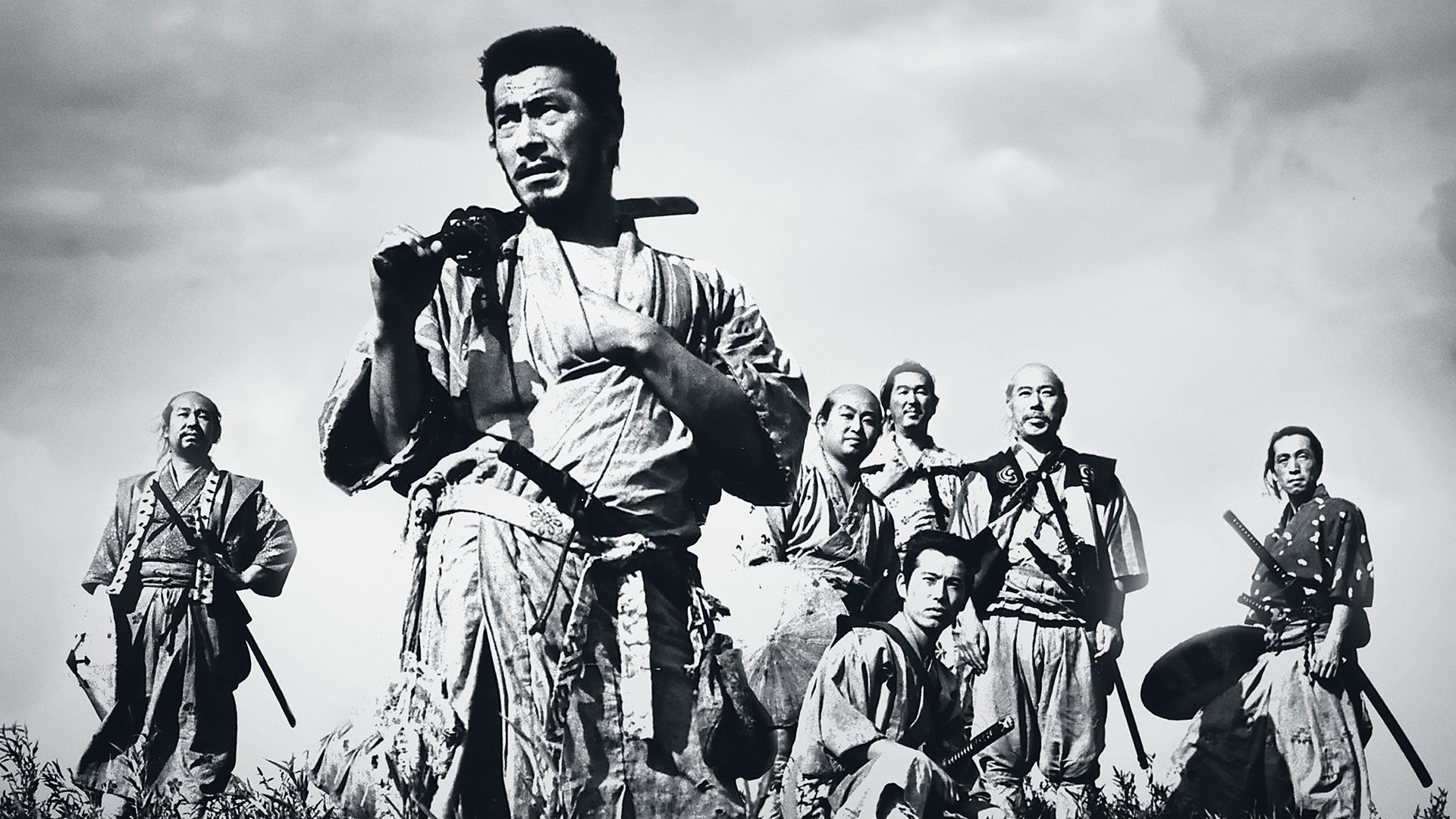
Akira Kurosawa turns an austere rural defense into an anatomy of class tension and community survival. When desperate farmers hire seven masterless warriors to repel ruthless bandits, the narrative shifts from calculated tactical planning to raw human observation. Takashi Shimura anchors the ensemble with weary moral resolve, while Toshiro Mifune injects wild, anarchic grief into a dying warrior caste. The kinetic mud-soaked climax commands respect, but the film's lasting power lies in its sober evaluation of sacrifice. It stands as an absolute standard of dramatic storytelling, proving how high-stakes group dynamics can lay bare societal hypocrisies without losing individual humanity.

Stream Now (US)

Watch on Provider

2
Harakiri - Ranking #2 Recommendation

Harakiri

⚡94% Match
Ritual SuicideSystemic HypocrisyHonor Code DeconstructionClaustrophobic Tension

Masaki Kobayashi weaponizes patience and geometrical framing in this searing takedown of bushido hypocrisy. Tatsuya Nakadai commands the frame as Tsugumo Hanshirō, an aging rōnin arriving at a grand feudal estate asking for a courtyard to end his life, only to steadily dismantle the clan's hollow posturing through methodical flashbacks. Kobayashi exposes the cruelty masked behind institutional ceremony with surgical, uncompromising precision. Rather than romanticizing stoic sacrifice, the picture reveals how rigid honor codes inevitably grind down the destitute. It remains an astonishing achievement in suspense-laden tragedy, transforming a simple confrontation into an indictment of authoritarian cruelty.

3
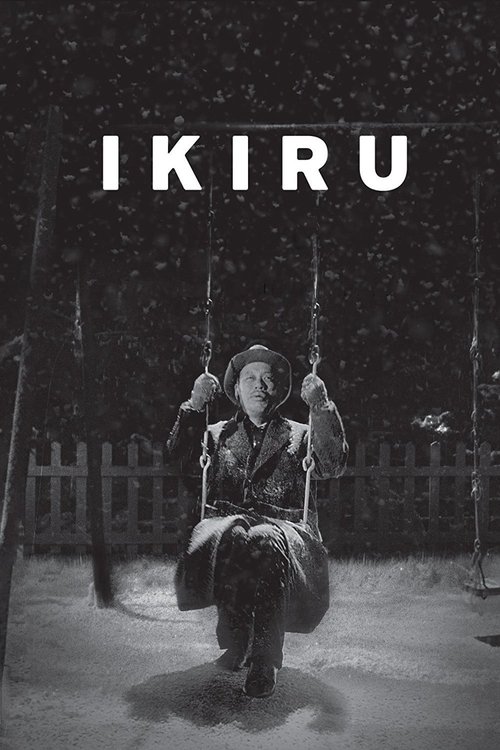
Ikiru - Ranking #3 Recommendation

Ikiru

⚡92% Match
Bureaucratic NihilismTerminal IllnessExistential AwakeningPostwar Realism

Takashi Shimura delivers an agonizingly vulnerable performance as Kanji Watanabe, a desiccated bureaucrat shaken awake by a terminal stomach cancer diagnosis. Kurosawa strips away romantic gloss, observing a man who abruptly realizes he has spent thirty years pushing paper without genuinely living. When hedonism fails to bring solace, Watanabe channels his remaining vitality into carving a small public playground out of stagnant bureaucratic mud. The second half, framed through drunken funeral wake recollections, sharply anatomizes societal apathy. It represents humanistic tragedy at its absolute peak, showing how personal despair can be converted into quiet, radical purpose.

Stream Now (US)

Watch on Provider

4
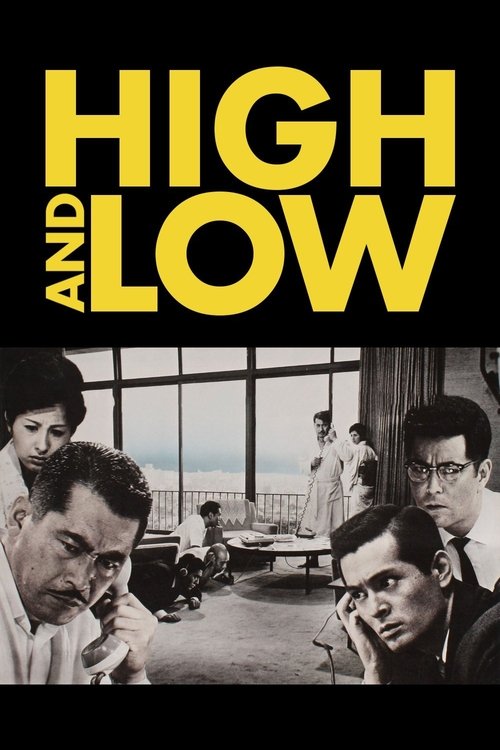
High and Low - Ranking #4 Recommendation

High and Low

⚡90% Match
Class WarfareMoral ExtortionUrban NoirProcedural Tension

Split cleanly down the middle, Kurosawa’s procedural morality play contrasts opulent hilltop wealth with the sweltering heroin-drenched alleys of postwar Yokohama. Toshiro Mifune plays an ambitious shoe industrialist caught in an agonizing ethical trap when kidnappers accidentally abduct his chauffeur's son instead of his own heir. The first half unfurls almost entirely in a single living room, staging moral paralysis through immaculate spatial blocking before descending into a gritty police manhunt. By grounding its suspense in raw socioeconomic division, the narrative elevates standard noir into a biting critique of urban inequality and class resentment.

Stream Now (US)

Watch on Provider
5
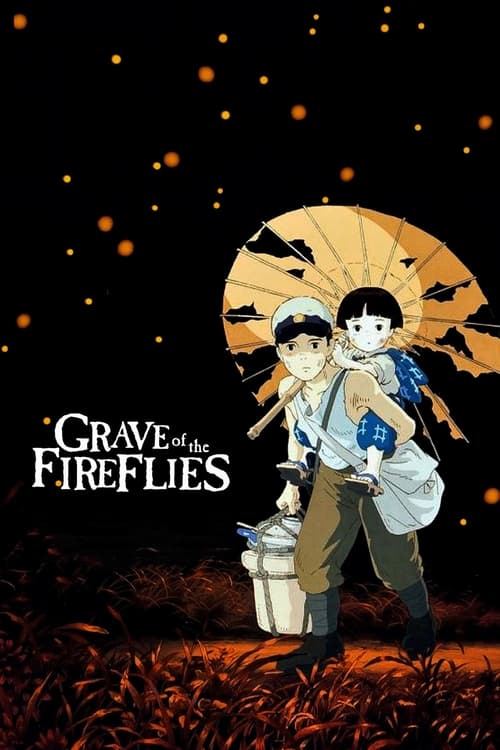
Grave of the Fireflies - Ranking #5 Recommendation
Wartime DevastationSibling FragilityCivilian TraumaSocial Indifference

Isao Takahata approaches the ruin of World War II without patriotic posturing or easy sentimentality. The narrative follows young Seita and his toddler sister Setsuko as they wander through firebombed Kobe, desperately attempting to construct an isolated shelter away from an indifferent society. Takahata contrasts pastoral beauty—fireflies illuminating an abandoned bomb shelter—with the merciless, agonizing physical decay of starvation. The film avoids grand political speeches, focusing instead on how pride and youthful delusion speed up an inevitable demise. As an unsparing study of civilian devastation, it achieves an unbearable emotional clarity that permanently redefines animated grief.

Stream Now (US)

Watch on Provider
6
A Silent Voice: The Movie - Ranking #6 Recommendation
Social AnxietyDisability RepresentationAtonementAdolescent Trauma

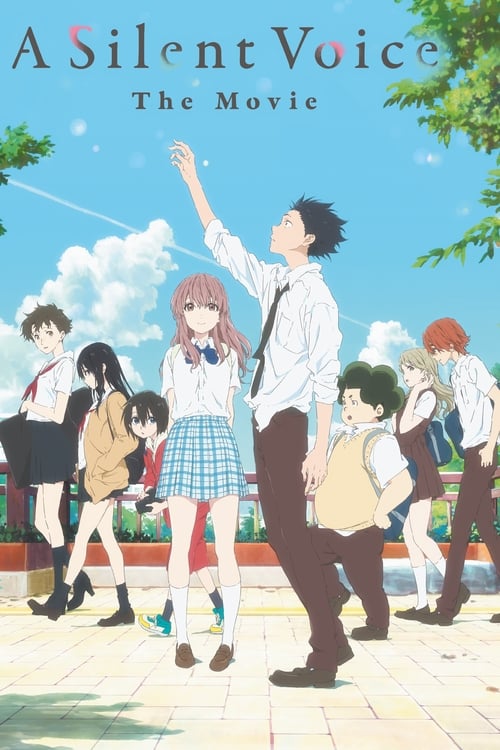
Naoko Yamada directs this raw exploration of adolescent guilt, social isolation, and self-loathing with profound sensory insight. The plot centers on Shoya Ishida, an ostracized high schooler plagued by his middle-school bullying of a deaf classmate, Shouko Nishimiya, who seeks out redemption before ending his life. Yamada uses visual metaphors—like giant Xs plastered across the faces of classmates—to mirror Shoya’s crippling anxiety. Instead of offering a clean romantic resolution, the film bravely probes the messy, nonlinear realities of suicide ideation and mutual forgiveness. It demonstrates how modern animation can dissect the claustrophobia of shame with remarkable nuance.

7
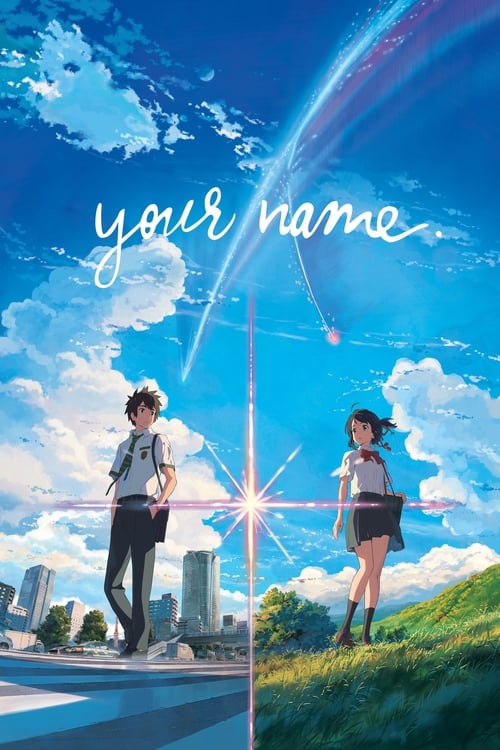
Your Name. - Ranking #7 Recommendation

Your Name.

⚡84% Match
Spatiotemporal FractureCollective DisasterYouth ConnectionMemory Loss

Makoto Shinkai bridges supernatural body-swapping with the visceral trauma of disaster and collective memory. Mitsuha, a shrine maiden yearning to escape her rural town, and Taki, an architectural student in Tokyo, navigate a bizarre cosmic tether before realizing time and geography stand between them. Shinkai’s vivid hyper-detailed backgrounds underscore an ache for connection that transcends physical proximity. Beneath the slick pacing and pop soundtrack beats an acute post-Fukushima anxiety about sudden loss and community erasure. It anchors sweeping spectacle in adolescent earnestness, illustrating how personal longing can carry immense thematic weight when confronting historical catastrophe.

Stream Now (US)

Watch on Provider
8
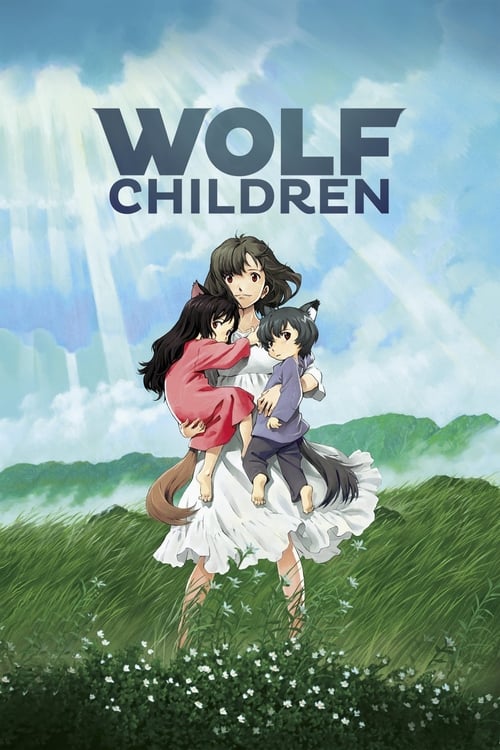
Wolf Children - Ranking #8 Recommendation

Wolf Children

⚡82% Match
Maternal SacrificeRural IsolationIdentity ChoiceComing of Age

Mamoru Hosoda approaches motherhood with unsentimental grit disguised as a contemporary fable. After the death of her wolf-human partner, college student Hana relocates to a dilapidated countryside home to raise two half-wolf siblings in secrecy. The drama rests not on mythological combat, but on the relentless grind of parenting: fixing leaky roofs, managing social suspicion, and choosing when to let children forge their own disparate paths. Hosoda captures the passing seasons with serene patience, celebrating the immense quiet labor behind domestic survival. It stands out by grounding fantastical elements in genuine parental sacrifice and the bitter-sweet ache of letting go.

Stream Now (US)

Watch on Provider
9
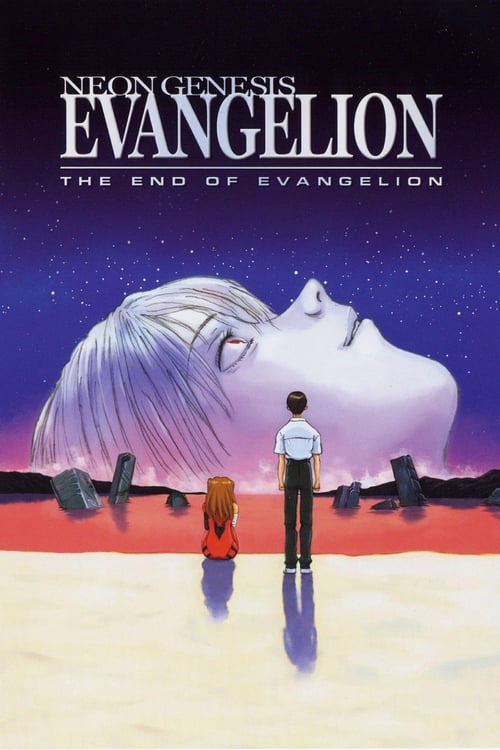
Neon Genesis Evangelion: The End of Evangelion - Ranking #9 Recommendation
Existential SolipsismPsychological BreakdownApocalyptic CollapseIntimacy Terror

Hideaki Anno’s apocalyptic conclusion to his iconic mecha saga functions less as a sci-fi wrap-up and more as an unfiltered psychoanalytic breakdown. Trapped inside the shattered remnants of NERV headquarters, teenage pilot Shinji Ikari succumbs to paralysis as global annihilation unfolds around him. Anno weaponizes experimental animation, live-action footage, and brutal visceral imagery to externalize acute depression and the agonizing terror of human intimacy. The film directly attacks audience escapism, forcing viewers to confront the hedgehog's dilemma alongside its shattered protagonist. Its placement here reflects how devastating existential horror can be when merged with uncompromising psychological confession.

Stream Now (US)

Watch on Provider
10
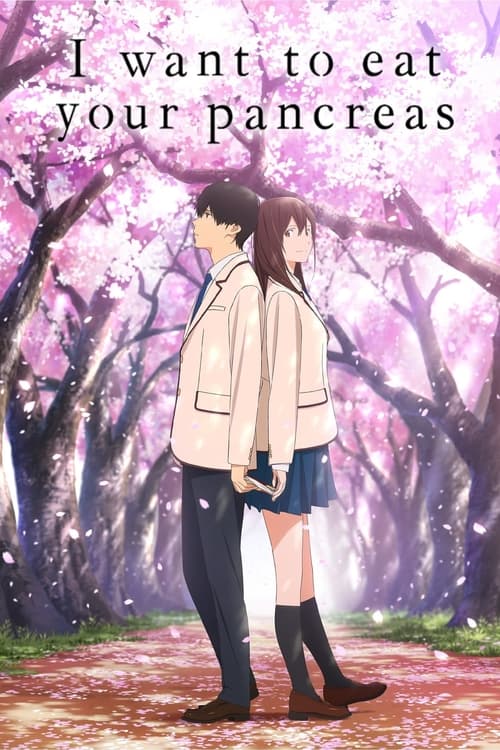
I Want to Eat Your Pancreas - Ranking #10 Recommendation
Terminal IllnessEmotional StoicismOpposites AttractSudden Grief

Shinichiro Ushijima takes a premise prone to tearjerker cliches and refashions it through sharp character friction. An aloof, bookish loner accidentally discovers that his bubbly classmate Sakura is secretly dying from a terminal pancreatic disease, reluctantly becoming her keeper of secrets. Rather than descending into purely manipulative melodrama, their dialogue crackles with philosophical friction regarding fate, social masks, and deliberate choices. The story upends conventional tragic pacing with an abrupt, grounded twist that recontextualizes how sudden grief impacts young lives. It succeeds because it emphasizes living purposefully in the present rather than bathing in passive sorrow.

⚡ At-A-Glance Comparison: Top Ranked Picks

Summary breakdown of release years, match DNA, and where to stream in the US.

RankMovie TitleYearThematic DNAWhere to Stream (US)
#1Seven Samurai1954
Class DivideTactical Survival
HBO Max Amazon Channel, HBO Max
#2Harakiri1962
Ritual SuicideSystemic Hypocrisy
Criterion Channel
#3Ikiru1952
Bureaucratic NihilismTerminal Illness
HBO Max Amazon Channel, Criterion Channel
#4High and Low1963
Class WarfareMoral Extortion
HBO Max Amazon Channel, HBO Max
#5Grave of the Fireflies1988
Wartime DevastationSibling Fragility
Netflix, Netflix Standard with Ads
#6A Silent Voice: The Movie2016
Social AnxietyDisability Representation
Crunchyroll, Crunchyroll Amazon Channel
#7Your Name.2016
Spatiotemporal FractureCollective Disaster
HBO Max Amazon Channel, HBO Max
#8Wolf Children2012
Maternal SacrificeRural Isolation
HBO Max Amazon Channel, HBO Max
#9Neon Genesis Evangelion: The End of Evangelion1997
Existential SolipsismPsychological Breakdown
Netflix, Criterion Channel
#10I Want to Eat Your Pancreas2018
Terminal IllnessEmotional Stoicism
VOD / Digital

Frequently Asked Questions

Key answers for film lovers looking for titles like Best Japanese Drama Movies (Ranked).

Japanese dramas frequently favor restraint, environmental atmosphere, and prolonged silence over overt emotional outbursts or rapid exposition. They often center on the friction between social obligation and personal desire, known culturally as giri and ninjo.