Best Japanese Psychological Thriller Movies (Ranked) hero banner

Best Japanese Psychological Thriller Movies (Ranked)

Explore the best Japanese psychological thriller movies ranked. From Satoshi Kon's mind-benders to classic Kurosawa tension, discover Japan's finest.

Cultural & MoodUpdated October 29, 2026

Exploring the best japanese psychological thriller movies reveals an obsession with fractured identities, social suppression, and the razor-thin divide between sanity and delusion. Japanese cinema treats mental unraveling not as a cheap parlor trick, but as an existential reckoning born from suffocating societal conformity and private isolation.

From mid-century postwar anxieties to the cyber-anonymity of the late nineties, these films dissect how paranoia takes root inside ordinary minds. Rather than relying on simple jump scares or violent shock tactics, the country's finest directors prioritize psychological friction—trapping audiences inside unreliable memories, moral labyrinths, and waking nightmares that linger long after the credits roll.

Filter by Platform:
1
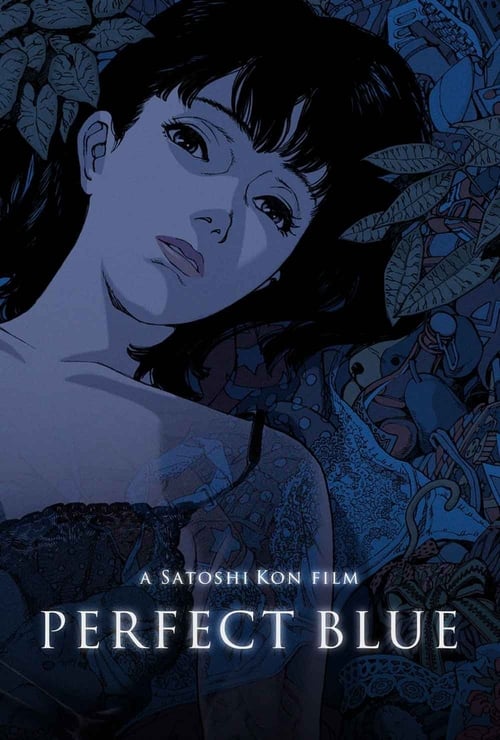
Perfect Blue - Ranking #1 Recommendation

Perfect Blue

⚡96% Match
Identity DissociationParasocial ParanoiaEditing Sleight-of-HandCelebrity Alienation

Satoshi Kon's directorial debut plunges former pop idol Mima Kirigoe into an escalating mental collapse as she sheds her squeaky-clean persona for an edgy acting career. Stalked by an obsessive fan and haunted by an illusory, vengeful phantom of her past self, Mima loses her grip on what is scripted drama, what is physical reality, and what is bloody delusion. Kon weaponizes sharp match-cuts and claustrophobic framing to disorient the viewer, simulating psychosis with ruthless precision. It earns its peak position among the best japanese psychological thriller movies by codifying modern identity fragmentation, anticipating the corrosive nature of parasocial obsession decades before social media made it our collective reality.

Stream Now (US)

Watch on Provider

2
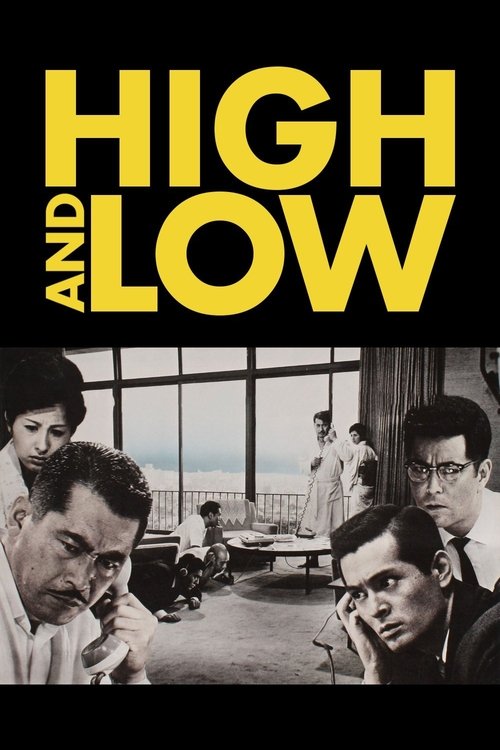
High and Low - Ranking #2 Recommendation

High and Low

⚡94% Match
Moral DilemmaClass WarfareClaustrophobic StagingProcedural Tension

Akira Kurosawa divides this razor-sharp procedural into two radically different halves: an excruciating domestic standoff followed by a frantic urban manhunt through humid Yokohama slums. Toshiro Mifune radiates intense moral agony as Kingo Gondo, a wealthy executive coerced into paying a ruinous ransom for his chauffeur's son rather than his own. Kurosawa constructs the film's opening entirely inside Gondo’s sweltering penthouse, turning geometric blocking and unspoken ethics into pure kinetic anxiety. Its status as an elite psychological thriller rests on how it weaponizes class resentment and moral paralysis, forcing the viewer to inhabit Gondo’s impossible ethical dilemma before descending into the poisoned psyche of his spiteful tormentor.

Stream Now (US)

Watch on Provider
3
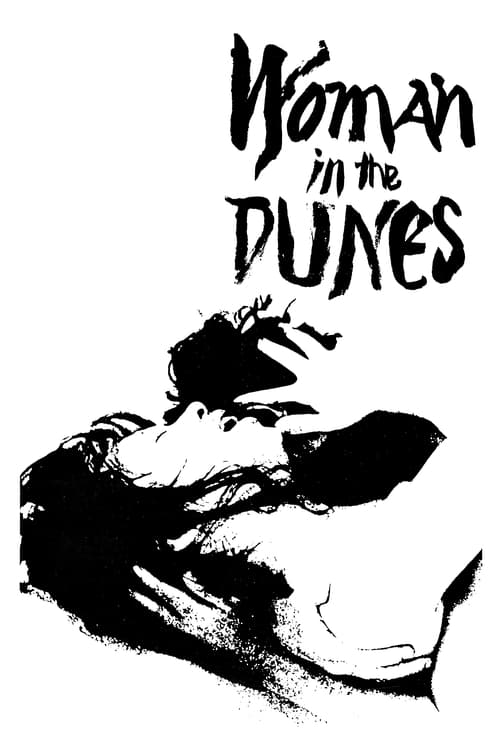
Woman in the Dunes - Ranking #3 Recommendation

Woman in the Dunes

⚡92% Match
Existential CaptivitySensory HorrorErosion of SanitySurrealist Dread

Hiroshi Teshigahara traps an amateur entomologist at the bottom of a desert pit, enslaved alongside an enigmatic widow to shovel shifting sand that threatens to bury their shelter. Eiji Okada’s performance charts a horrifying descent from indignant intellectual defiance to primal, sensory survival. Toru Takemitsu’s abrasive, screeching score pairs with microscopic close-ups of glistening sweat and abrasive grit, transforming an absurd physical trap into a suffocating mental prison. It belongs high on this list for redefining psychological tension as an existential erosion of purpose, illustrating with hypnotic dread how easily human will capitulates to isolation, routine, and institutional submission.

4
Rashomon - Ranking #4 Recommendation

Rashomon

⚡90% Match
Unreliable NarratorSubjective MemoryMoral EgoismDeconstructive Mystery

Under the ruins of a Kyoto gate, a priest, a woodcutter, and a commoner dissect a brutal forest crime through four contradictory testimonies—including one channelled through a spirit medium. Kurosawa does not treat the murder of a samurai and the assault of his wife as a tidy whodunit; instead, he subjects human vanity to ruthless cross-examination. Each narrator bends the truth not merely to escape punishment, but to preserve their fragile self-image. The film laid the conceptual cornerstone for psychological thrillers everywhere, establishing that memory is inherently corrupt and that our greatest delusions are the self-serving lies we manufacture to live with ourselves.

Stream Now (US)

Watch on Provider
5
Monster - Ranking #5 Recommendation

Monster

⚡88% Match
Perspective ShiftsSocietal ParanoiaChildhood VulnerabilityStructural Ambiguity

Hirokazu Kore-eda’s structural departure starts with a fierce single mother confronting a meek schoolteacher over her son's bizarre physical injuries and erratic behavior. Through a tri-part narrative structure reminiscent of classical subjective mysteries, the plot flips perspectives, demolishing preconceived judgments with each temporal reset. Soya Kurokawa and Yori Hinata deliver quietly heartbreaking performances amidst Ryuichi Sakamoto’s delicate final score. The film proves essential to this genre tier by manipulating spectator bias and communal paranoia, demonstrating that psychological terror often stems not from external monsters, but from systemic misunderstandings, societal prejudice, and our lethal rush to villainize the unfamiliar.

6
Paprika - Ranking #6 Recommendation

Paprika

⚡86% Match
Subconscious InfiltrationTechno-SurrealismDual IdentityLucid Madness

When a revolutionary psychotherapeutic device called the DC Mini is stolen, dreams bleed uncontrollably into conscious reality, spawning chaotic parades of household objects and fractured psyches across Tokyo. Satoshi Kon directs Dr. Atsuko Chiba’s dual existence—prim scientist by day, spunky dream-detective Paprika by night—with visual audacity that defies conventional narrative logic. Susumu Hirasawa’s hallucinatory electronic score propels the relentless escalation as suppressed traumas manifest as city-crushing monsters. It rounds out this ranking by taking psychological dread into the realm of techno-surrealism, examining how our most hidden desires, neuroses, and collective repressions can swallow rational waking life whole if left unchecked.

⚡ At-A-Glance Comparison: Top Ranked Picks

Summary breakdown of release years, match DNA, and where to stream in the US.

RankMovie TitleYearThematic DNAWhere to Stream (US)
#1Perfect Blue1998
Identity DissociationParasocial Paranoia
HBO Max Amazon Channel, HBO Max
#2High and Low1963
Moral DilemmaClass Warfare
HBO Max Amazon Channel, HBO Max
#3Woman in the Dunes1964
Existential CaptivitySensory Horror
Criterion Channel, Darkroom
#4Rashomon1950
Unreliable NarratorSubjective Memory
HBO Max Amazon Channel, HBO Max
#5Monster2023
Perspective ShiftsSocietal Paranoia
MUBI, MUBI Amazon Channel
#6Paprika2006
Subconscious InfiltrationTechno-Surrealism
Sony Pictures Core Amazon Channel

Frequently Asked Questions

Key answers for film lovers looking for titles like Best Japanese Psychological Thriller Movies (Ranked).

Satoshi Kon's 1998 animated feature Perfect Blue is widely recognized as the preeminent Japanese psychological thriller due to its revolutionary depiction of identity fragmentation and stalking paranoia. Its disorienting match-cuts and narrative ambiguity set a benchmark that influenced acclaimed Western films like Black Swan.