All 10 Best Manoel de Oliveira Movies Ranked (Best to Worst) hero banner

All 10 Best Manoel de Oliveira Movies Ranked (Best to Worst)

Explore the best Manoel de Oliveira movies ranked from worst to best, tracing the Portuguese titan's century of audacious, literary cinema.

DirectorsUpdated October 29, 2026

Any critical assessment surveying the best Manoel de Oliveira movies ranked faces an artist whose working life spanned from the silent era to the digital age. Directing across eight decades, the Portuguese patriarch created a unique grammar rooted in theatrical anti-naturalism, philosophical irony, and contemplative duration. Instead of using film to imitate fleeting reality, he treated the camera as a stage witness, prioritizing spoken literature, precise staging, and the enigmatic weight of time itself.

From his raw mid-century street portraits of Porto youth to the lavish, multilingual stage adaptations of his autumn years, his work consistently challenged modern commercial conventions. He embraced an aristocratic, subversive classicism that treated text as holy music and architectural framing as moral destiny. Navigating this dense body of work requires understanding how he turned theatrical stiffness into supreme cinematic transcendence.

1
Abraham's Valley - Ranking #1 Recommendation

Abraham's Valley

⚡96% Match
Douro AristocracyTragic BoredomFlaubertian MelodramaLiterary Purity

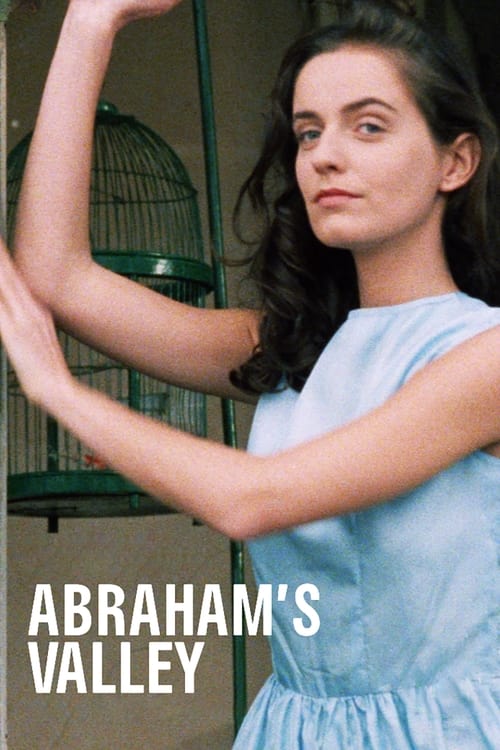
Translating Flaubert's Madame Bovary into the languid estates of the Douro Valley, this three-hour triumph thrives on lush sensuality and philosophical desolation. Leonor Silveira plays Ema with aloof magnetism, gliding through an existence suffocated by provincial wealth, idle romance, and creeping ennui. The camera glides with deceptive calm across sun-bleached vineyards and mirrored drawing rooms, contrasting aristocratic stillness against profound internal ruin. It represents the director at the height of his visual eloquence and literary control, weaving text and landscape into pure cinematic poetry. As his undisputed magnum opus, it sits perched atop this ranking, outclassing his surrounding canon in emotional breadth, formal elegance, and tragic human insight.
2
The Satin Slipper - Ranking #2 Recommendation

The Satin Slipper

⚡94% Match
Seven-Hour MonumentClaudelian DramaBaroque ArtificeSpiritual Yearning

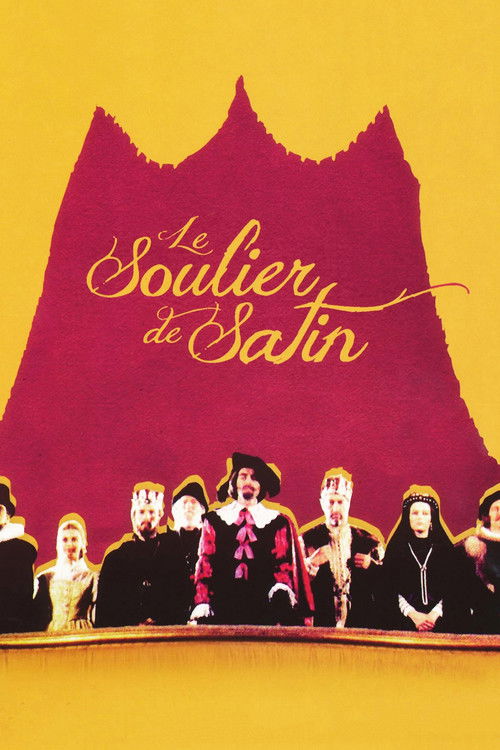
Running nearly seven hours, this colossal staging of Paul Claudel's monumental drama is one of modern cinema's most audacious undertakings. Unfolding across oceans and continents during the Spanish Golden Age, the narrative traces the star-crossed, spiritually tortured love between Doña Prouhèze and Don Rodrigo. The production unapologetically flaunts its painted theatrical sets, stiff declamatory acting, and deliberate artifice to elevate Claudel's text into an unvarnished spiritual invocation. It demands immense patience, but the rewards are staggering for audiences attuned to its unyielding rhythm. While its vast duration and stagebound purity make it less broadly accessible than Abraham's Valley, it claims the runner-up spot as a singular achievement in epic theatrical filmmaking.

3
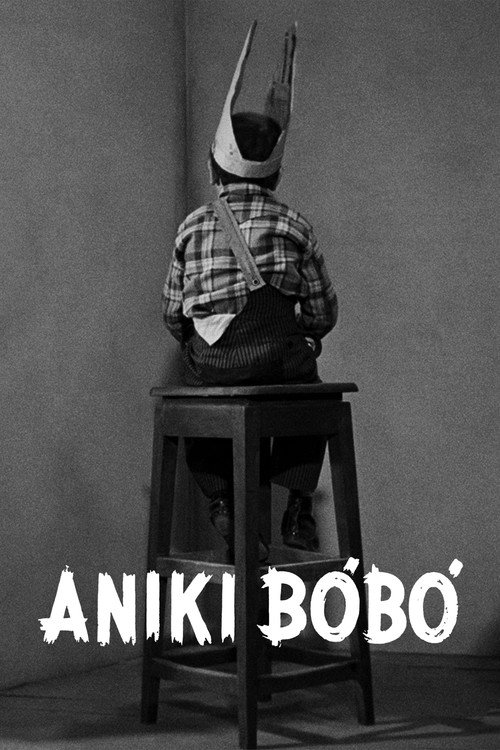
Aniki-Bóbó - Ranking #3 Recommendation

Aniki-Bóbó

⚡92% Match
Childhood RivalryProto-NeorealismPorto WaterfrontUrban Vitality

A vibrant gang of street youths navigate territorial pride, petty theft, and romantic jealousy along the steep riverside alleys of Porto. Rather than leaning on professional actors, the production relies on non-professional local children, capturing their unvarnished slang and impulsive physical vitality with astonishing warmth. Its fluid tracking shots, nocturnal suspense set pieces, and grounded moral friction arrived years ahead of postwar European trends. Long before Vittorio De Sica or Roberto Rossellini redefined dramatic realism, this early gem mapped out the blueprint for youth cinema. Ranking third, it stands as the director's most lively and traditionally accessible triumph, functioning as the foundational bridge between his early documentary roots and narrative ambitions.

4
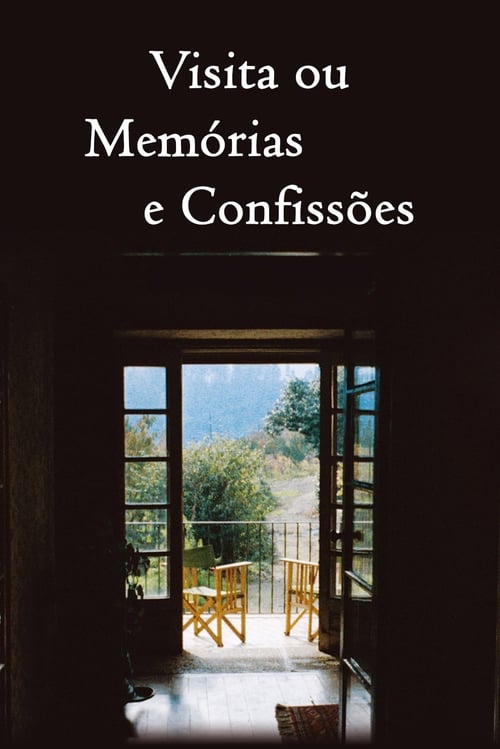
Visit, or Memories and Confessions - Ranking #4 Recommendation
Posthumous MemoirHaunted DomesticityAutobiographical ElegyPolitical Memory

Sealed away inside the Cinemateca Portuguesa under strict instructions to be screened only after the filmmaker's death, this intensely private portrait wanders through the emptied hallways of his beloved Porto residence. Ghosts of family history, fiscal struggles, and past brushes with the Salazar regime emerge through hushed voiceovers, still photographs, and solemn architectural pans. The domestic space transforms into a living mausoleum where memory, political grief, and cinematic obsession converge with striking intimacy. It strips away all dramatic camouflage to reveal the private anxieties of its maker. Holding the fourth spot, this posthumous revelation ranks just beneath his premier narrative achievements as a uniquely vulnerable autobiographical monument.

5
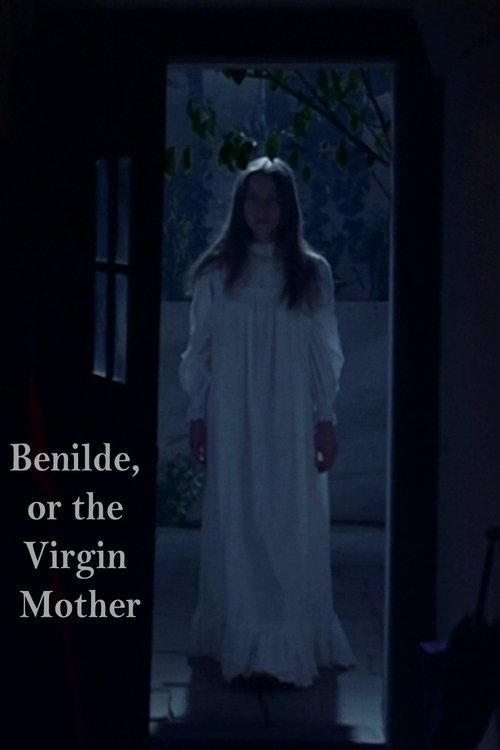
Benilde or the Virgin Mother - Ranking #5 Recommendation
Theatrical RigorMystical DelusionEnclosed ChamberBourgeois Hypocrisy

Trapped within a claustrophobic mansion shrouded in perpetual fog, a deeply devout young woman claims an immaculate conception, throwing her aristocratic, pious family into moral panic. The camera scarcely leaves the dim, high-ceilinged rooms, observing the frantic theological debates and societal terror with icy, uninterrupted long takes. Maria Amélia Arrochela delivers an astonishingly rigid performance, turning bodily mystery into an indictment of patriarchal control and clerical superstition. It operates as an uncompromising exercise in architectural staging and moral confrontation. While its austere, aggressively anti-cinematic theatricality keeps it below his richer narrative peaks, it remains an essential pillar of his celebrated Tetralogy of Frustrated Love.

6
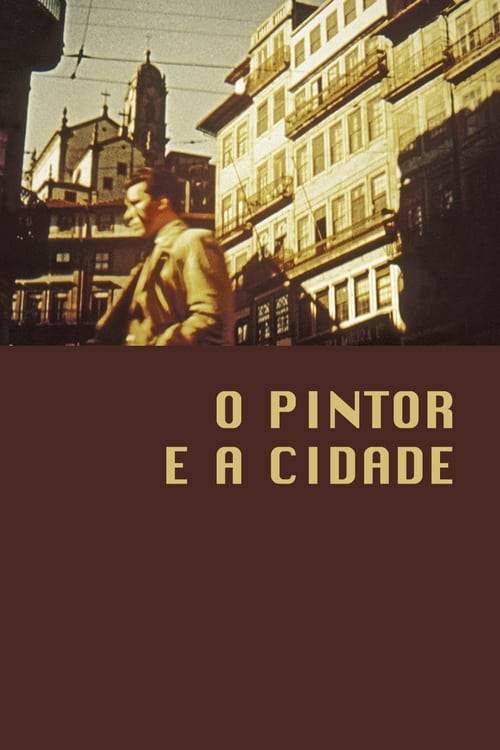
The Artist and the City - Ranking #6 Recommendation
Chromatic UrbanismDocumentary ImpressionismPainterly GazeIndustrial Rhythms

Watching painter António Cruz capture the glistening cobblestones, fog, and working-class dockworkers of Porto provides the backbone for this vibrant color essay. Abandoning traditional voiceover narration for long stretches, the film synchronizes Cruz's expressive watercolor brushwork with rhythmic montages of real urban labor, streetcars, and industrial factories. It serves as an affectionate love letter to the director's hometown, exploring how fine art extracts lyricism from raw civic reality. The energetic editing echoes early city symphonies while signaling a bold leap into modern chromatic textures. Nestled in the mid-tier, it lacks the narrative complexity of his legendary dramas, yet remains an inventive study of artistic process.

7
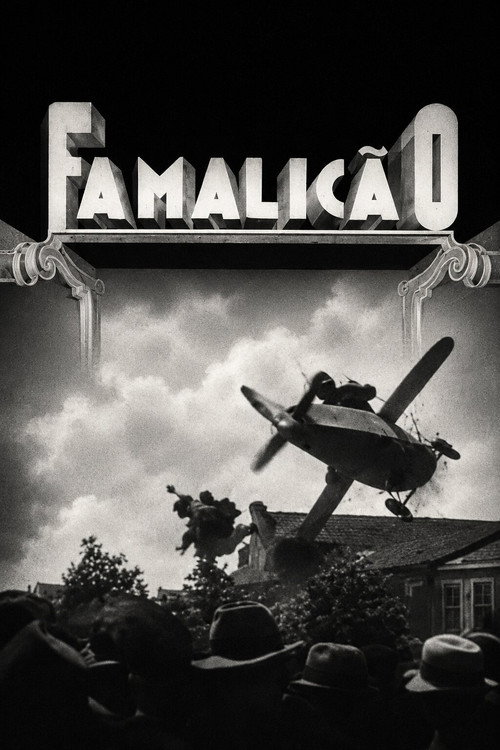
Famalicão - Ranking #7 Recommendation

Famalicão

⚡84% Match
Montage DynamicsAgrarian PortraitureSilent ModernismCivic Geography

Commissioned to profile the titular northern Portuguese municipality, this brisk short avoids predictable municipal boosterism in favor of dynamic cinematic rhythm. Rapid montage cuts, bold geometric angles, and playful juxtapositions contrast emerging industrial factories with pastoral cattle markets and Catholic traditions. Heavily indebted to Soviet montage pioneers like Dziga Vertov, the documentary treats daily labor and urban motion as pure formal energy. It captures a modernizing nation caught uncomfortably between provincial heritage and mechanical momentum. Occupying seventh place, it is a spirited historical time capsule demonstrating the director's technical virtuosity, even if its modest promotional origins prevent it from challenging his later, deeply personal auteurist epics.

8
A Century of Energy - Ranking #8 Recommendation
Centennial ReflectionIndustrial LegacyLate-Style BrevityHistorical Continuity

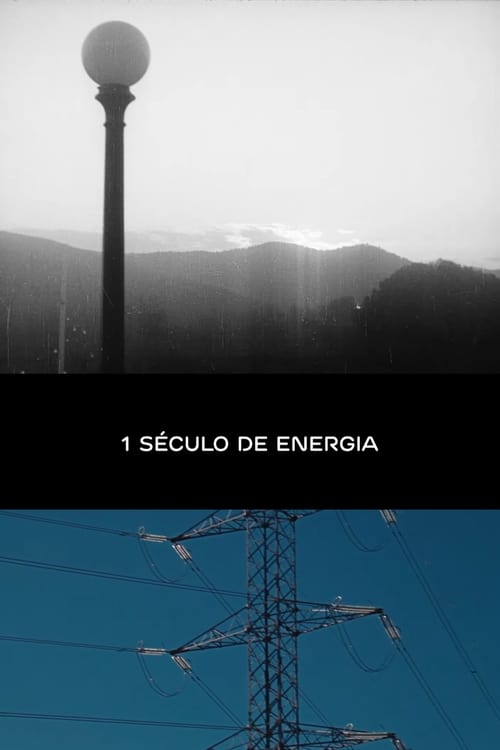
Commissioned in his final months of life at age 106, this short documentary reflects on a century of electric power and industrial transformation across Portugal. By incorporating archival excerpts from his own 1931 silent debut alongside modern energy plants, the piece becomes a quiet dialogue between the filmmaker's youth and his imminent twilight. The pacing is reflective, framed by late-style economy and historical continuity rather than dramatic conflict. It carries unmistakable emotional resonance purely as the final creative statement from cinema's longest-lived pioneer. However, evaluated strictly on dramatic and structural ambition, its modest promotional scope confines it to the lower tier of this ranking.

9
Lisboa Cultural - Ranking #9 Recommendation

Lisboa Cultural

⚡80% Match
Pedagogical InquiryCivic HeritageDiscursive EssayHistorical Didacticism

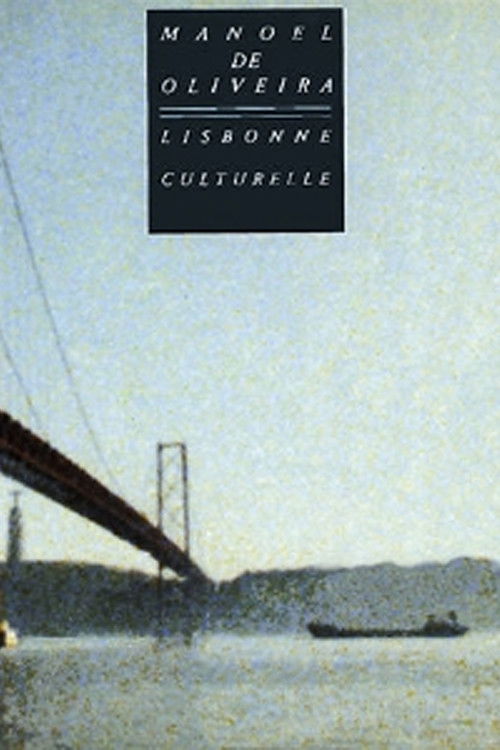
Structured as an episodic survey of Lisbon's cultural heritage, this educational television documentary gathers intellectual luminaries to lecture on nine centuries of Portuguese art and history. The static visual execution rarely disrupts the didactic flow, relying heavily on talking-head reflections, museum artifacts, and historical ruins to carry thematic weight. While scholars and cultural historians will appreciate the erudite commentary, the project lacks the subversive theatricality and aesthetic inventiveness that define the director's greatest creations. It operates primarily as a dignified pedagogical exercise. Sitting near the bottom of the list, it serves more as an intellectual curriculum than an essential piece of cinematic expression.

10
Lisbon statues - Ranking #10 Recommendation

Lisbon statues

⚡78% Match
Disowned FragmentSilent CuriosityUrban MonumentsArchival Relic

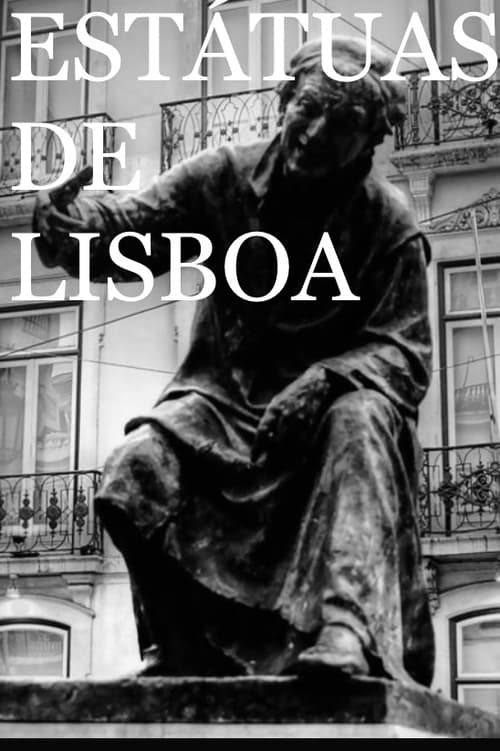
Assembled from discarded footage shot during the making of his 1931 debut, this rough silent fragment wanders among the classical stone statues and urban plazas of Lisbon. The imagery reflects youthful curiosity about architectural scale and light, yet the material remains palpably incomplete, having been compiled and circulated entirely against the director's wishes. Without coherent rhythmic montage or dramatic focus, it feels like an untamed collection of cinematic sketchpad doodles rather than a deliberate artistic statement. As an intriguing archival curiosity, it holds marginal academic interest for completists. It unambiguously finishes last here, outmatched by fully realized projects possessing actual authorial intent and complete narrative form.

⚡ At-A-Glance Comparison: Top Ranked Picks

Summary breakdown of release years, match DNA, and where to stream in the US.

RankMovie TitleYearThematic DNAWhere to Stream (US)
#1Abraham's Valley1993
Douro AristocracyTragic Boredom
VOD / Digital
#2The Satin Slipper1986
Seven-Hour MonumentClaudelian Drama
VOD / Digital
#3Aniki-Bóbó1942
Childhood RivalryProto-Neorealism
VOD / Digital
#4Visit, or Memories and Confessions2015
Posthumous MemoirHaunted Domesticity
VOD / Digital
#5Benilde or the Virgin Mother1975
Theatrical RigorMystical Delusion
VOD / Digital
#6The Artist and the City1956
Chromatic UrbanismDocumentary Impressionism
VOD / Digital
#7Famalicão1941
Montage DynamicsAgrarian Portraiture
VOD / Digital
#8A Century of Energy2015
Centennial ReflectionIndustrial Legacy
VOD / Digital
#9Lisboa Cultural1984
Pedagogical InquiryCivic Heritage
VOD / Digital
#10Lisbon statues1932
Disowned FragmentSilent Curiosity
VOD / Digital

Frequently Asked Questions

Key answers for film lovers looking for titles like All 10 Best Manoel de Oliveira Movies Ranked (Best to Worst).

Abraham's Valley (1993) is almost universally celebrated by critics as his magnum opus, offering a hypnotic Douro Valley transposition of Gustave Flaubert's Madame Bovary. Its haunting visual grandeur, poetic voiceover, and Leonor Silveira's magnetic lead performance represent his aesthetic at its absolute zenith.