All 10 Best Naoto Takenaka Movies Ranked (Best to Worst) hero banner

All 10 Best Naoto Takenaka Movies Ranked (Best to Worst)

Screenverse ranks the 10 best Naoto Takenaka movies, from Shall We Dance? and Ping Pong to Hara-Kiri, dissecting his legendary screen career.

ActorsUpdated October 29, 2026

Evaluating the best Naoto Takenaka movies ranked requires grappling with one of the most delightfully unpredictable forces in Japanese screen history. As an actor, director, and vocal chameleon, he dismantled the polite boundaries of post-bubble Japanese cinema, alternating between explosive manic farce and astonishingly quiet, brooding gravitas. Whether playing frantic salarymen hiding private passions or steely samurai councilors presiding over ritualized death, he has spent four decades refusing to be pinned down to a singular genre or performance register.

His rise through 1980s television comedy gave him exceptional improvisational reflexes, but his work with visionary filmmakers like Masayuki Suo, Takashi Miike, and Bong Joon-ho proved his dramatic architecture ran far deeper than facial contortions. This ranking charts his essential career milestones—from genre-defining comedies and historical epics to striking indie animation—separating his transcendent signature triumphs from fleeting franchise spectacles.

Filter by Platform:
1
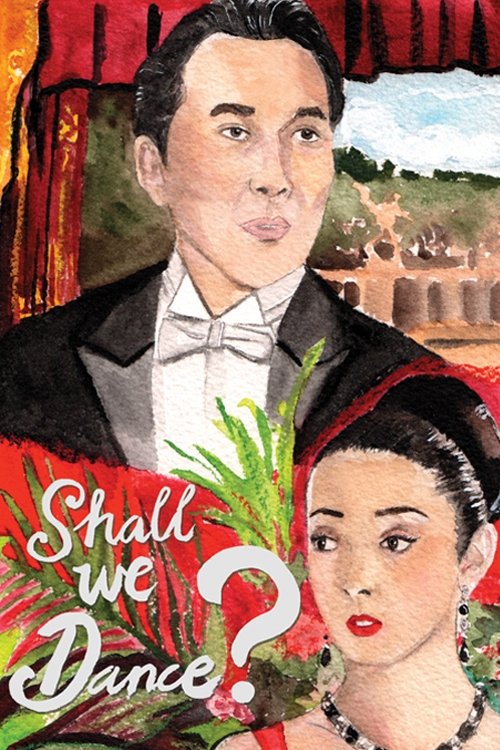
Shall We Dance? - Ranking #1 Recommendation

Shall We Dance?

⚡96% Match
Physical ComedyJapan Academy WinnerSuburban MelancholyCulture Crossover

Masayuki Suo’s gentle portrait of quiet salaryman malaise strikes an exquisite balance between low-key suburban melancholy and incandescent ballroom spectacle. By treating social dance not as a punchline but as a forbidden vessel for unexpressed emotional yearning, the film achieved unprecedented global crossover success, sweeping the Japanese Academy Prizes. At the heart of its emotional exuberance is Tomio Aoki, the secretly passionate colleague whose flamboyant Latin routines and tragic toupee conceal profound domestic isolation. Takenaka turns what could have been disposable comic relief into an unforgettable study of vulnerable self-reinvention. His kinetic mania and piercing pathos walked away with Best Supporting Actor honors and permanently established his cultural legacy.
2
Hara-Kiri: Death of a Samurai - Ranking #2 Recommendation
Period TragedyFeudal PoliticsCannes ContenderMuted Intensity

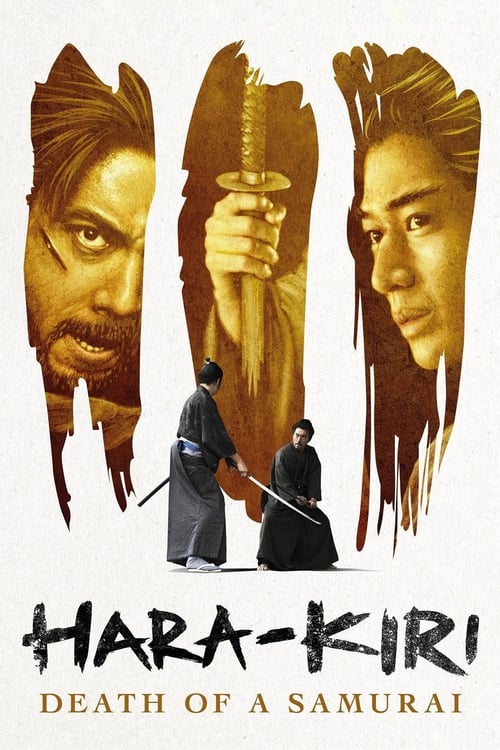
Takashi Miike’s austere reworking of Masaki Kobayashi’s 1962 classic trades blood-spattered excess for icy, formal dread. Shot with painterly control and scored to Ryuichi Sakamoto’s haunting strings, the period tragedy lays bare the callous hypocrisy of late feudalism through the ritual sacrifice of destitute ronin. Within the oppressive, polished halls of the Ii clan, Takenaka portrays the senior counselor Tajiri, trading his familiar theatrical kineticism for chilled bureaucratic menace. His steely, dead-eyed pragmatism provides a formidable counterweight to Ebizo Ichikawa’s quiet fury. Stripped of his trademark rubber-faced exuberance, this chilling dramatic turn demonstrated that Takenaka could command historical prestige cinema with terrifying, muted authority.

3
Ping Pong - Ranking #3 Recommendation

Ping Pong

⚡92% Match
Eccentric MentorManga AdaptationSports Coming-of-AgeCult Classic

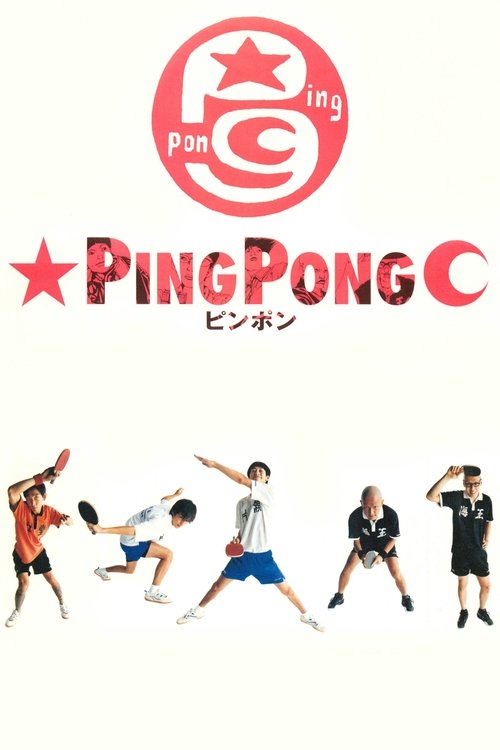
Adapted from Taiyo Matsumoto’s revered manga by screenwriter Kankuro Kudo, this hyper-stylized sports saga converts table tennis into an existential arena of sound, velocity, and adolescent neurosis. Director Fumihiko Sori fuses kinetic early-2000s visual flourishes with authentic youth-subculture energy, tracking childhood friends diverging along competitive and philosophical lines. Steering the film’s moral compass is Coach Koizumi, affectionately dubbed "Butterfly Joe," an aging veteran nursing unresolved regrets. Takenaka attacks the mentor archetype with gruff, tobacco-scented eccentricity, seamlessly sliding from razor-sharp comedic timing to poignant pedagogical affection. It remains one of his most beloved modern turns, showing how effectively he could anchor youthful exuberance with seasoned dramatic texture.

4
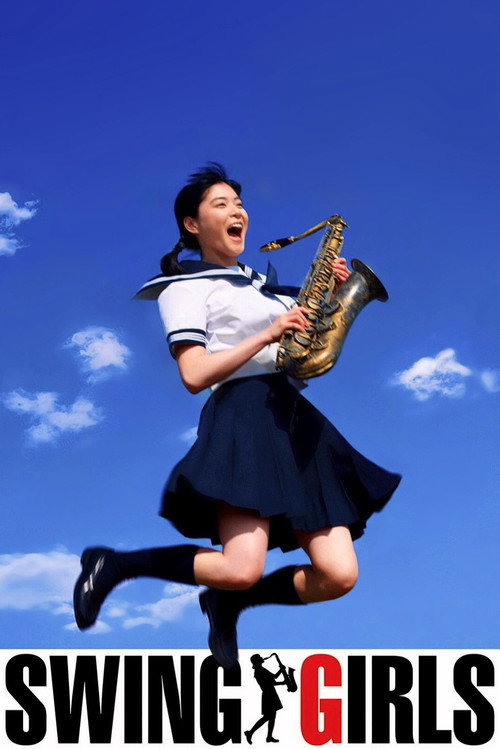
Swing Girls - Ranking #4 Recommendation

Swing Girls

⚡90% Match
Musical ComedyBumbling AuthorityFeel-Good EnsembleYouth Culture

Shinobu Yaguchi’s breezy musical comedy finds irresistible joy in accidental ambition, following an indolent group of high schoolers who stumble into forming a big-band jazz ensemble. Packed with buoyant brass rehearsals, rural Yamagata charm, and rhythmic physical gags, the narrative celebrates the gritty, sweat-soaked transformation from amateur cacophony to genuine musical camaraderie. As the enthusiastic yet incompetent math instructor Mr. Ozawa, Takenaka provides pure comedic propulsion. He secretly studies instructional jazz handbooks under the guise of an experienced bandleader, milking every flustered expression and awkward brass flourish for maximal comedic payoff. The performance reinforced his status as Japanese cinema’s quintessential, endearingly unhinged authority figure.

5
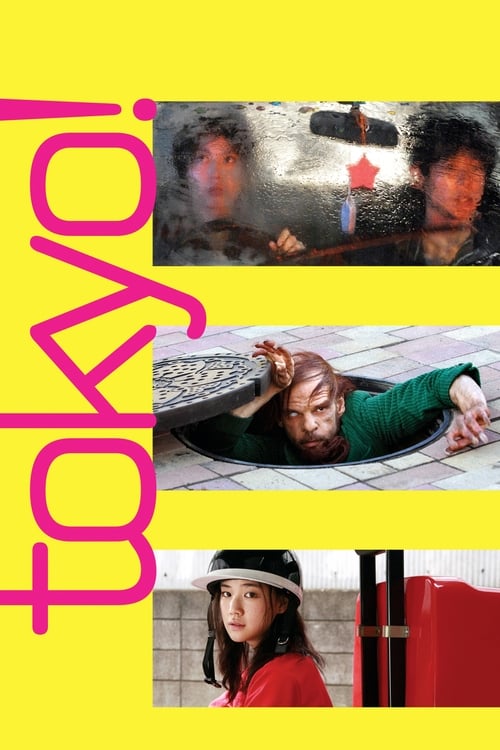
Tokyo! - Ranking #5 Recommendation

Tokyo!

⚡88% Match
Auteur AnthologySurreal UrbanismDeadpan CameoArthouse Crossover

This three-part cinematic omnibus presents a fragmented, surrealist vision of urban alienation, headlined by directors Michel Gondry, Leos Carax, and Bong Joon-ho. While Carax unleashes chaos in the sewers, Bong’s closing segment, "Shaking Tokyo," crafts an intimate, pastel-hued parable about an isolated recluse who falls for a courier during an earthquake. Takenaka arrives as the eccentric pizza store manager, infusing Bong’s tightly controlled urban fable with uncanny, slightly off-kilter human resonance. Even in a compact supporting turn alongside Teruyuki Kagawa and Yu Aoi, his inimitable rhythm punctures the sterile bubble of domestic solitude. It stands as a sharp example of how foreign auteurs tap his peculiar, magnetic screen frequency.

6
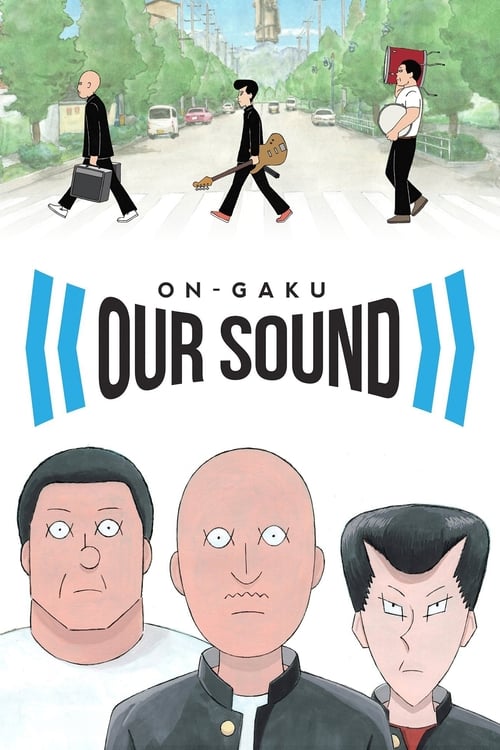
On-Gaku: Our Sound - Ranking #6 Recommendation

On-Gaku: Our Sound

⚡86% Match
Rotoscope AnimationPunk Rock EnergyDeadpan Voice WorkIndie Triumph

Crafted over seven painstaking years through solo rotoscope animation, Kenji Iwaisawa’s deadpan indie oddity is a dead-serious ode to teenage apathy and primal rock expression. When three lethargic high school delinquents randomly pick up bass and drums, their primitive, single-chord jams unlock a transcendent musical epiphany. Voicing the antagonistic yet strangely appreciative rival bandleader Oba, Takenaka slips effortlessly into the film’s minimalist visual vocabulary. His gravelly, lived-in vocal cadence brings weight and subcultural authenticity to the animated landscape. It represents one of the veteran actor’s savviest forays into counter-culture experimentation, demonstrating that his eccentric vocal palette works just as effectively through drawn lines as it does in flesh and blood.

7
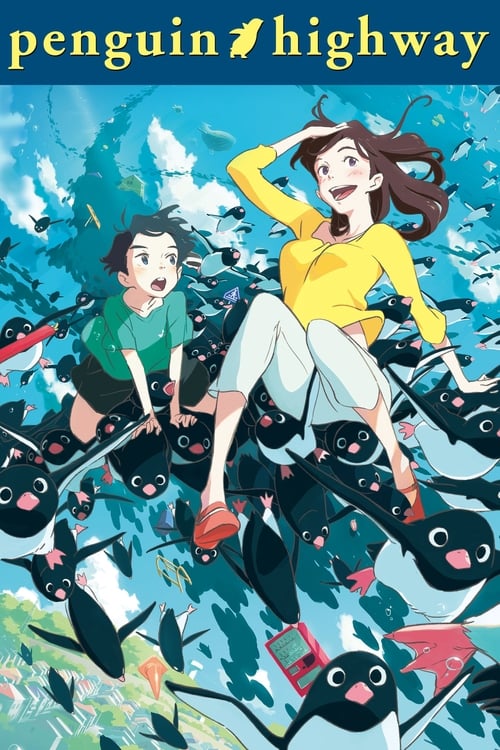
Penguin Highway - Ranking #7 Recommendation

Penguin Highway

⚡84% Match
Magical RealismPaternal WarmthStudio ColoridoSci-Fi Nostalgia

Hiroyasu Ishida’s luminous adaptation of Tomihiko Morimi’s sci-fi novel balances magical realism with nostalgic childhood melancholy. When waddling gentoo penguins mysteriously manifest across an idyllic suburban town, a precocious elementary schooler embarks on an empirical scientific quest that unearths deeper truths about mortality and memory. In this kaleidoscopic suburban landscape, Takenaka lends his vocal talents to Hamamoto’s father, a rational yet deeply supportive scholar. Shifting away from manic cartoonery, he delivers a calm, paternal warmth that grounds the narrative’s escalating metaphysical oddities. It is a subtle vocal performance that quietly reinforces the film’s generational bridge between wide-eyed adolescent inquiry and measured adult understanding.

Stream Now (US)

Watch on Provider
8
125 Years Memory - Ranking #8 Recommendation

125 Years Memory

⚡82% Match
Historical MelodramaCross-Cultural SolidarityPeriod PrestigeEnsemble Gravitas

Staging two historical rescue missions separated by nearly a century, Mitsutoshi Tanaka’s bilingual epic celebrates the historical solidarity between Japan and Turkey. The first half meticulously reconstructs the 1890 sinking of the Ottoman frigate Ertuğrul off Kushimoto, where impoverished coastal villagers risked everything to rescue surviving sailors. Takenaka steps into the period narrative with reliable character-actor gravity, bringing weathered, compassionate humanity to the local ensemble responding to unprecedented disaster. While the production occasionally leans into sweeping sentimental melodrama, his grounded delivery avoids theatrical inflation. It illustrates his enduring utility in prestigious national epics, where his veteran presence provides historical ballast to high-stakes disaster choreography.

9
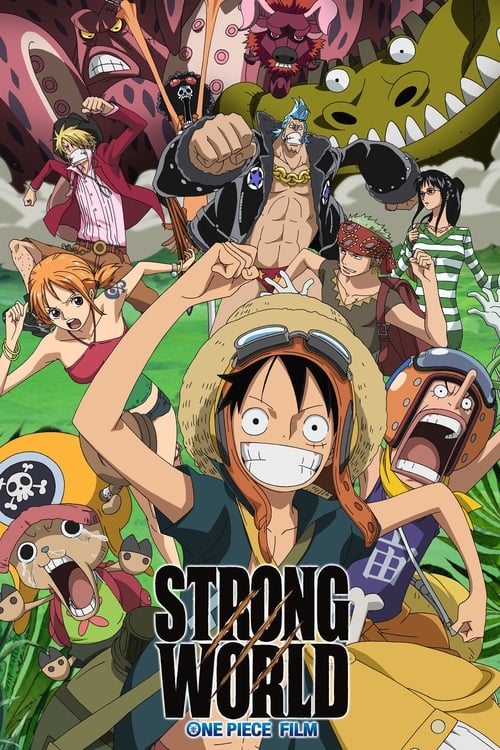
One Piece Film: Strong World - Ranking #9 Recommendation
Shonen SpectacleFlamboyant VillainyBoasting Vocal WorkAnime Box Office

Directly supervised by Eiichiro Oda, this grand theatrical installment injects high-octane thrills into the beloved pirate franchise, stranding the Straw Hat crew across floating sky islands ruled by mutated megafauna. The visual scale is gargantuan, fueled by colorful creature designs and slick shonen battle choreography. Anchoring the villainous threat is Shiki the Golden Lion, voiced with thunderous, cackling showmanship by Takenaka. He elevates Shiki from a standard anime tyrant into a delightfully flamboyant antagonist whose fearsome gravitas routinely clashes with self-inflicted absurdities. It remains a fan-favorite vocal showcase, capturing his uncanny ability to pivot from terrifying criminal bravado to broad, physical slapstick on a dime.

Stream Now (US)

Watch on Provider
10
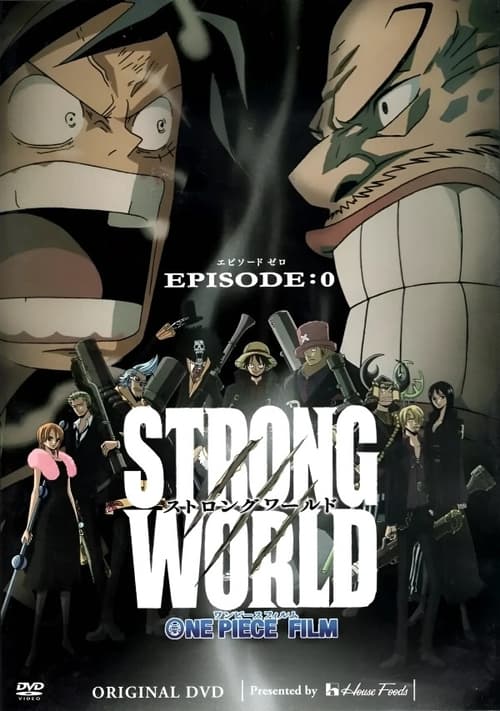
One Piece: Strong World Episode 0 - Ranking #10 Recommendation
Anime PrequelVocal IntensityFranchise LoreBrisk Prologue

Functioning as an animated prologue to the tenth theatrical feature, this brisk special depicts the legendary pirate era twenty years prior, tracking Shiki’s clash with Gol D. Roger and his daring escape from Impel Down. Though restricted by an eighteen-minute promotional runtime, the short delivers concentrated canon lore for hardcore manga enthusiasts. Takenaka reprises his role as the young, ambitious Shiki, delivering the character’s roaring monologues with feral vocal intensity. While the vignette lacks the narrative scope and standalone cinematic weight of a full feature, his vocal dedication remains uncompromising. It serves as a sharp supplementary curiosity that underlines how thoroughly he invested in bringing Oda’s legendary pirate to life.

⚡ At-A-Glance Comparison: Top Ranked Picks

Summary breakdown of release years, match DNA, and where to stream in the US.

RankMovie TitleYearThematic DNAWhere to Stream (US)
#1Shall We Dance?1996
Physical ComedyJapan Academy Winner
MUBI, MUBI Amazon Channel
#2Hara-Kiri: Death of a Samurai2011
Period TragedyFeudal Politics
MUBI, MUBI Amazon Channel
#3Ping Pong2002
Eccentric MentorManga Adaptation
VOD / Digital
#4Swing Girls2004
Musical ComedyBumbling Authority
VOD / Digital
#5Tokyo!2008
Auteur AnthologySurreal Urbanism
VOD / Digital
#6On-Gaku: Our Sound2020
Rotoscope AnimationPunk Rock Energy
VOD / Digital
#7Penguin Highway2018
Magical RealismPaternal Warmth
Amazon Prime Video, Amazon Prime Video with Ads
#8125 Years Memory2015
Historical MelodramaCross-Cultural Solidarity
VOD / Digital
#9One Piece Film: Strong World2010
Shonen SpectacleFlamboyant Villainy
Netflix, Crunchyroll
#10One Piece: Strong World Episode 02010
Anime PrequelVocal Intensity
VOD / Digital

Frequently Asked Questions

Key answers for film lovers looking for titles like All 10 Best Naoto Takenaka Movies Ranked (Best to Worst).

Most critics and audiences regard his turn as the wig-wearing, secretly passionate dancer Tomio Aoki in Masayuki Suo's Shall We Dance? (1996) as his defining achievement. The role earned him the Japan Academy Prize for Best Supporting Actor and showcased his unmatched ability to combine manic physical comedy with genuine pathos.