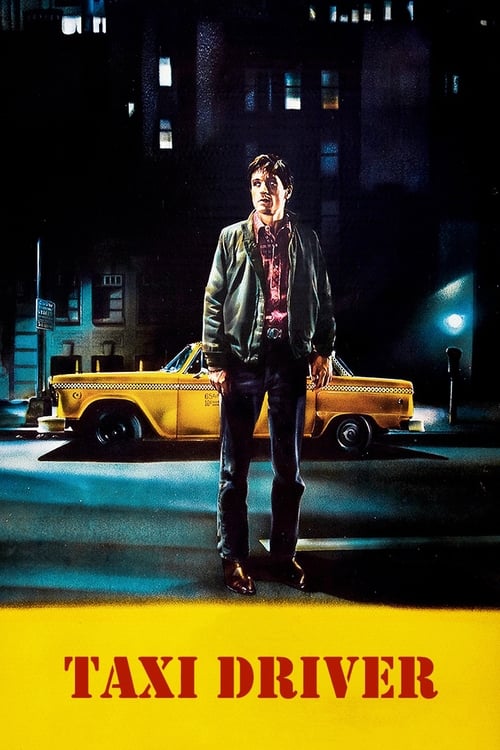
Taxi Driver
Paul Schrader's script and Martin Scorsese's nightmarish visual language drag 1970s Manhattan straight through the gutter, scoring neon-lit urban rot with Bernard Herrmann’s melancholy jazz. The film operates as an unsparing autopsy of alienation, chronicling how disenfranchised rage mutates into violent packaging under the veneer of moral righteousness. In Travis Bickle, De Niro delivered the defining method performance of postwar cinema. It is a terrifyingly quiet exercise in social maladjustment; his vacant half-smiles and twitchy monologues reveal a psyche curdling in plain sight. It remains his most piercing portrait of cracked masculinity, setting the gold standard for antiheroes and cementing his collaborative peak alongside Scorsese.
Stream Now (US)
Watch on Provider