All 10 Best Robert Eggers Movies Ranked (Best to Worst) hero banner

All 10 Best Robert Eggers Movies Ranked (Best to Worst)

Screenverse ranks every Robert Eggers film from worst to best, dissecting folk horror dread, linguistic obsession, and psychological isolation.

DirectorsUpdated October 29, 2026

Navigating the best Robert Eggers movies ranked reveals an uncompromising devotion to historical authenticity and psychological decay unmatched in contemporary American cinema. Since emerging out of independent horror circles, the New Hampshire-born auteur has treated historical periods not as quaint backdrops, but as suffocating, alien universes governed by forgotten superstitions, dialectal idiosyncrasies, and cosmic madness. Rather than modernizing the past, his filmmaking traps contemporary audiences inside the claustrophobic mindset of antiquity, where folklore carries real, terrifying physical consequences.

From micro-budget chamber pieces steeped in Calvinist paranoia to hulking Viking revenge epics, his aesthetic relies on tactile materiality: wet wool, flickering candlelight, hand-hewn timber, and mud-choked earth. His cinema rejects easy allegories, instead staging brutal collisions between human hubris and ancient dread. Looking across his completed features, visionary shorts, and tantalizing unrealized development slate, this definitive ranking traces the architecture of an artist who turned linguistic obsession into modern mythmaking.

Filter by Platform:
1
The Lighthouse - Ranking #1 Recommendation

The Lighthouse

⚡96% Match
Psychological DisintegrationMythic AbsurdismMonochrome ClaustrophobiaLinguistic Virtuosity

Confined to a wind-battered spit of rock in the 1890s, this monochrome chamber nightmare weaponizes nautical folklore and sensory overload to chart a volatile collision between Willem Dafoe and Robert Pattinson. Jarin Blaschke's boxy 1.19:1 framing and vintage orthochromatic lenses evoke early cinema, while the script transforms sea shanties, fart jokes, and Melville-inspired verse into high tragedy. Dafoe's oceanic curses match Pattinson's sweaty descent into manic frenzy, creating an astonishing study of delirium and Prometheus-inspired hubris. It reigns as the filmmaker's absolute zenith, surpassing the quiet terror of his debut through sheer formal audacity, caustic humor, and an uncompromising descent into unhinged madness that stands unrivaled in modern cinema.

Stream Now (US)

Watch on Provider

2
The Witch - Ranking #2 Recommendation

The Witch

⚡94% Match
Puritan HysteriaTactile Folk HorrorFeminine EmancipationNatural Light Cinematography

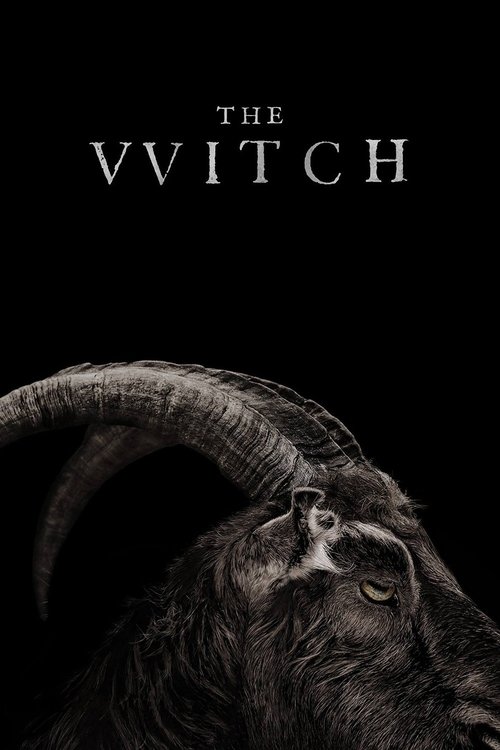
Set in 1630 New England, this devastating folk horror piece captures a Calvinist family unraveling under the psychological pressure of religious fanaticism, crop failure, and an unseen forest presence. Utilizing dialogue drawn directly from period journals and court records, the staging achieves an unsettling authenticity amplified by Mark Korven's screeching string score and natural candlelight. Anya Taylor-Joy delivers a breakout turn of quiet yearning, grounding the supernatural dread in believable familial breakdown. While subsequent projects expanded his scale and budget, this breakthrough feature remains the thematic blueprint for his entire career, establishing his peerless talent for transforming archaic historical records into pure visceral dread without resorting to cheap modern jump scares.

Stream Now (US)

Watch on Provider
3
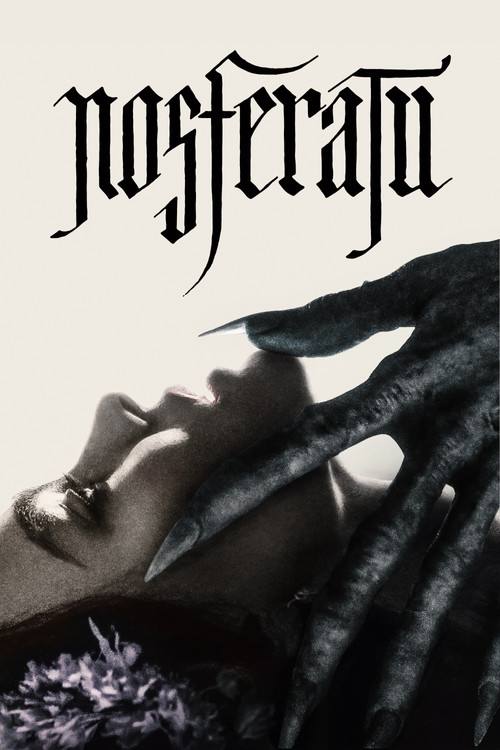
Nosferatu - Ranking #3 Recommendation

Nosferatu

⚡92% Match
Gothic EroticismPlague ParanoiaGerman ExpressionismShadow Architecture

Reinvigorating F.W. Murnau's century-old vampire classic, this adaptation trades blood-drenched melodrama for atmospheric contagion, mounting dread, and genuine occult malevolence. Lily-Rose Depp embodies an agonizing psychic fixation that anchors the narrative, while Bill Skarsgård's shadowy incarnation of Count Orlok stalks through meticulously composed, lantern-lit alleys and pestilent ports. The sound design rattles with sickening vermin scuttles, creating an oppressive sonic atmosphere that envelops every composition. Positioned just behind his two foundational original works, this gothic resurrection proves the director can take well-worn cinematic iconography and bend it completely to his idiosyncratic, period-obsessed will, crafting a mesmerizing hybrid of classic European expressionism and stomach-turning psychological rot.

Stream Now (US)

Watch on Provider

4
The Northman - Ranking #4 Recommendation

The Northman

⚡90% Match
Brutal RealismNorse FatalismRitualistic ViolenceMythological Hallucination

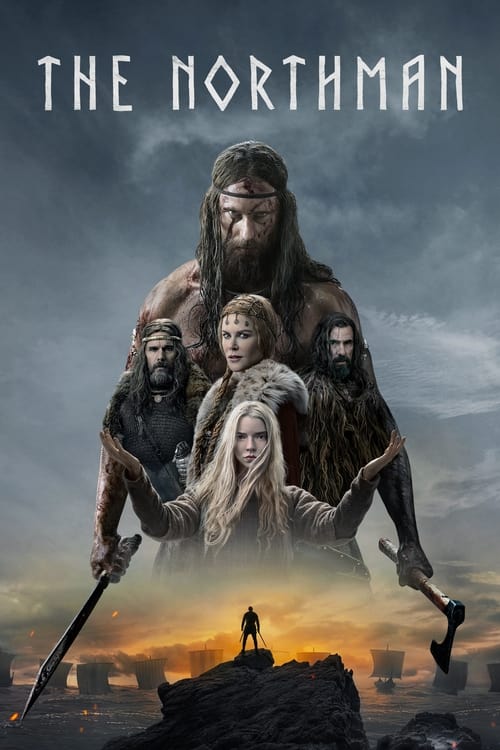
Steeped in volcanic mud and Norse fatalism, this historical revenge epic filters the legend of Amleth through unfiltered berserker rage and hallucinatory pagan ritual. Alexander Skarsgård turns in a terrifying, feral physical performance, marching toward an apocalyptic confrontation against Claes Bang beside a river of molten rock. The film distinguishes itself through relentlessly choreographed tracking shots and an unflinching depiction of ninth-century savagery, refusing to romanticize Viking conquest. Though studio interference diluted some of its narrative ambiguity compared to his more singular micro-budget work, it still outclasses typical studio blockbusters, demonstrating that his uncompromising historicism and tactile world-building can survive even on a gargantuan, ninety-million-dollar studio canvas.

Stream Now (US)

Watch on Provider
5
The Tell-Tale Heart - Ranking #5 Recommendation
Poe AdaptationMacabre PuppetryStop-Motion ArtificeGuilt Manifestation

This early short adaptation of Edgar Allan Poe's iconic tale showcases the director's foundational background in theatrical production design and macabre aesthetics. The solitary caretaker's obsessive fixation on his master's vulture-like eye is framed with calculated, antique precision, utilizing lifelike puppetry and stark monochrome shadows to reflect internal madness. The sound design turns the titular thumping heartbeat into an overwhelming sensory assault that rattles the frame. While its modest length naturally limits the emotional resonance found in his major releases, the project is a pivotal stepping stone, proving that his fascination with claustrophobia, unreliable narrators, and period guilt was fully formed long before his feature breakthrough.

6
Hansel and Gretel - Ranking #6 Recommendation

Hansel and Gretel

⚡86% Match
Silent Cinema GrammarFairy Tale GrotesquerieChiaroscuro FramingExpressionist Archetypes

Conceived as a stylized silent short, this interpretation of the Brothers Grimm fairy tale leans unapologetically into the exaggerated shadows and twisted geometries of German Expressionism. Stripped of dialogue, the narrative relies entirely on striking chiaroscuro lighting, jarring physical gestures, and uncanny miniature sets to depict the young siblings wandering into the woods. The tone sidesteps cartoonish nostalgia in favor of original European folklore's cannibalistic grotesquerie. It sits as a fascinating student artifact within his broader filmography, lacking the linguistic sophistication that would later define his celebrated features, yet providing undeniable evidence of his innate gift for crafting deeply atmospheric, painterly nightmares.

7
Brothers - Ranking #7 Recommendation

Brothers

⚡84% Match
Sibling FracturesRural RealismDomestic TensionFormative Naturalism

Departing temporarily from supernatural omens and historical antiquity, this intimate short observes the fractures between two rural siblings navigating deep-seated resentment in the American woods. The camera adopts a restrained, naturalistic eye, capturing subtle body language and regional realism that feel strikingly grounded compared to his usual period mythologies. The performances carry a raw, understated bitterness that hums beneath casual conversations. Though a competently directed vignette, it ultimately registers as an outlier in the director's canon, lacking the obsessive world-building, archaic linguistic rigor, and dread-soaked historical atmosphere that transform his signature period nightmares into unforgettable cinematic landmarks.

8
Werwulf - Ranking #8 Recommendation

Werwulf

⚡82% Match
Lycanthropy MythosMedieval SuperstitionPagan HorrorUnrealized Vision

Announced as an exploration of lycanthropy steeped in 13th-century German superstition, this prospective project holds immense creative promise as an unadulterated medieval nightmare. Conceptual reports point toward a harrowing examination of damnation, devilry, and the grotesque folkloric roots of werewolves, perfectly tailored to his scholarly research methods and grim physical aesthetic. However, because it remains an unproduced screenplay without completed photography, it cannot compete with the tangible brilliance of his finished cinematic features. It ranks here strictly on its theoretical auteur potential, signaling what could become another defining landmark of period terror whenever the camera finally rolls.

9
Untitled Labyrinth Sequel - Ranking #9 Recommendation
Dark FantasyPuppet PracticalitySurrealist LabyrinthFranchise Reinterpretation

Briefly attached as a theoretical director for a continuation of Jim Henson's beloved fantasy universe, this development prospect intrigued cinephiles eager to see his design background tackle tactile puppetry and surreal labyrinthine architecture. The collision of 1980s dark fantasy nostalgia with his rigorous, mud-caked medievalism offered a compelling what-if for studio genre filmmaking. Yet, remaining indefinitely stalled in development hell with zero shot footage, the project represents an unrealized commercial detour rather than a functional piece of cinema. It sits near the bottom of his ranking as an intriguing developmental footnote that never materialized on screen.

10
Romeo and Juliet - Ranking #10 Recommendation

Romeo and Juliet

⚡78% Match
Tragic RomanceShakespearean MeterPeriod TheatricalityAborted Concept

Floating through early career development rumors and theatrical production sketches, this proposed translation of Shakespeare's classic tragedy aimed to strip away Elizabethan romanticism in favor of authentic period grit and violent tribalism. The prospect of his staging Verona's blood feuds with unvarnished historical realism remains an alluring thought experiment for theater and film scholars alike. However, having never progressed beyond conceptual discussions into actual cinematic realization, it possesses no physical runtime, cinematic grammar, or narrative execution. It occupies the lowest spot in this canon, representing an ethereal concept completely overshadowed by the director's brilliant, fully produced masterworks.

⚡ At-A-Glance Comparison: Top Ranked Picks

Summary breakdown of release years, match DNA, and where to stream in the US.

RankMovie TitleYearThematic DNAWhere to Stream (US)
#1The Lighthouse2019
Psychological DisintegrationMythic Absurdism
HBO Max Amazon Channel, HBO Max
#2The Witch2016
Puritan HysteriaTactile Folk Horror
Amazon Prime Video, Amazon Prime Video with Ads
#3Nosferatu2024
Gothic EroticismPlague Paranoia
Hulu
#4The Northman2022
Brutal RealismNorse Fatalism
Netflix, Netflix Standard with Ads
#5The Tell-Tale Heart2009
Poe AdaptationMacabre Puppetry
VOD / Digital
#6Hansel and Gretel2007
Silent Cinema GrammarFairy Tale Grotesquerie
VOD / Digital
#7Brothers2015
Sibling FracturesRural Realism
VOD / Digital
#8Werwulf2026
Lycanthropy MythosMedieval Superstition
VOD / Digital
#9Untitled Labyrinth SequelN/A
Dark FantasyPuppet Practicality
VOD / Digital
#10Romeo and JulietN/A
Tragic RomanceShakespearean Meter
VOD / Digital

Frequently Asked Questions

Key answers for film lovers looking for titles like All 10 Best Robert Eggers Movies Ranked (Best to Worst).

Most critics and audiences cite The Lighthouse (2019) as his finest hour, celebrated for its astonishing monochrome photography, mythic intensity, and volcanic performances by Willem Dafoe and Robert Pattinson. Its audacious blend of psychological descent, Melville-esque dialogue, and dark sea-shanty absurdity marks the purest expression of his directorial identity.