All 10 Best Ryusuke Hamaguchi Movies Ranked (Best to Worst) hero banner

All 10 Best Ryusuke Hamaguchi Movies Ranked (Best to Worst)

Discover the best Ryusuke Hamaguchi movies ranked from worst to best, analyzing masterpieces like Drive My Car, Happy Hour, and Evil Does Not Exist.

DirectorsUpdated October 29, 2026

Navigating any definitive appraisal of the best Ryusuke Hamaguchi movies ranked reveals an auteur who revitalized contemporary cinema by treating human speech as a high-stakes dramatic battleground. From his early marathon experiments with Tokyo acting workshops to his celebrated Oscar run, the Japanese director has consistently exposed the seismic shifts concealed beneath polite etiquette, unspoken grief, and unexpected coincidences. His camera never hurries; it observes with quiet vigilance until everyday social masks slip away to expose startling emotional truths.

What sets Hamaguchi apart from his peers is his fascination with performance itself—whether orchestrating multilingual readings of Anton Chekhov, tracking romantic doubles, or staging extended face-to-face dialogues that blur the line between documentary and fiction. By merging the observational rigor of Eric Rohmer with the psychological depth of Abbas Kiarostami, his filmography investigates how language can simultaneously shield and liberate the human soul. This ranking examines every pivotal entry in his career, documenting how an adventurous independent documentarian rose to become one of world cinema's defining voices.

1
Drive My Car - Ranking #1 Recommendation

Drive My Car

⚡96% Match
Multilingual PerformanceGrief and CatharsisLiterary AdaptationChauffeur Intimacy

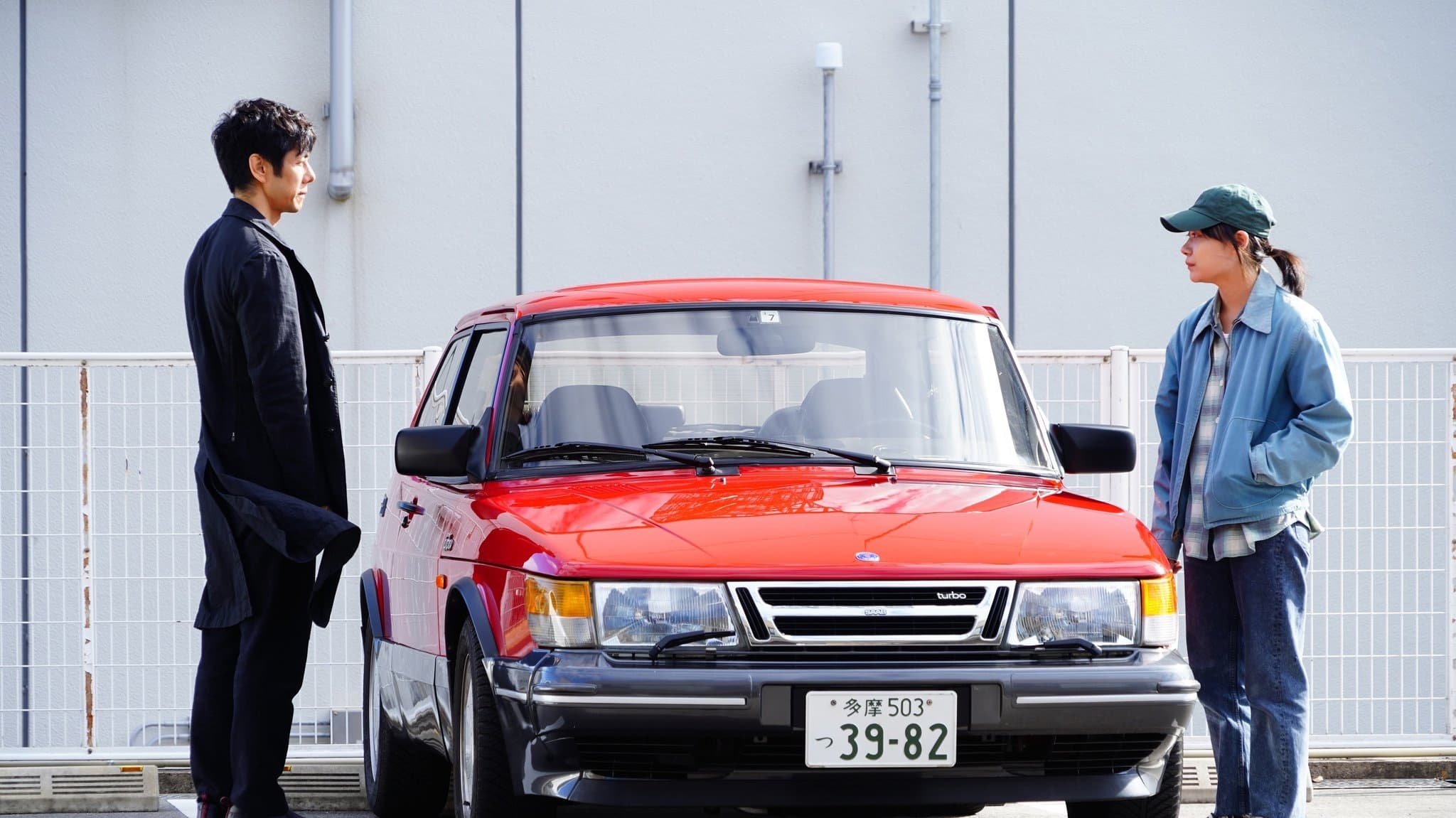
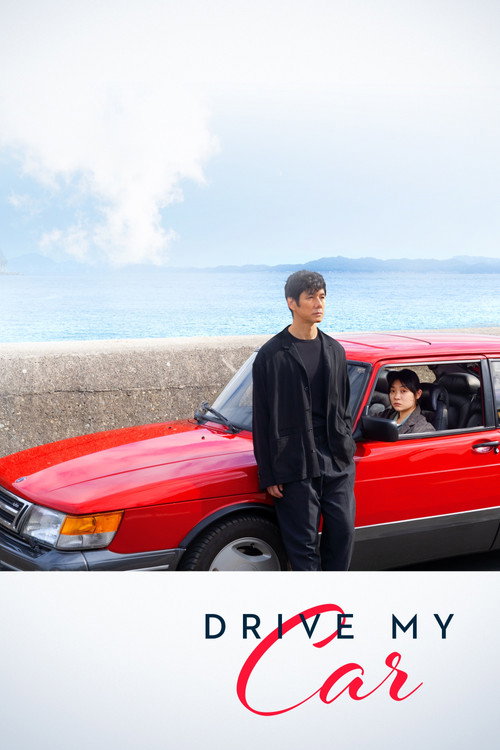
Grief operates at the tempo of a commute inside a vintage red Saab 900, where theater director Yusuke Kafuku and his taciturn chauffeur Misaki trade confessions across Hiroshima highways. Adapted from Haruki Murakami's short story, the narrative weaves Anton Chekhov's Uncle Vanya into its fabric, deploying a multilingual cast to expose how staged rehearsal can unlock paralyzed emotions. Long, unbroken takes transform the simple act of listening into pure dramatic electricity, culminating in an audition room exchange that redefines communicative intimacy on screen. It stands as Hamaguchi's absolute peak, orchestrating literature, architectural pacing, and existential reckoning with earned emotional clarity that sits uncontested atop his canon.

2
Happy Hour - Ranking #2 Recommendation

Happy Hour

⚡94% Match
Workshop NaturalismFemale FriendshipRadical RuntimeDomestic Rupture

Spanning over five hours, this monumental drama tracks four middle-class female friends in Kobe whose tranquil domestic surfaces splinter after a sudden divorce announcement. Developed through a seven-month improvisational workshop with non-professional actors, the film honors the real-time rhythm of conversation, transforming a balance workshop and an intimate dinner into gripping investigations of emotional equilibrium. Spoken silences carry immense weight as marital infidelities and personal compromises surface in natural daylight. While Drive My Car garnered wider global fame, Happy Hour remains the foundational monument of Hamaguchi's artistic method, demonstrating an audacious ensemble scale and democratic directorial patience that outclasses virtually all modern character studies.

3
Wheel of Fortune and Fantasy - Ranking #3 Recommendation
Triptych StructureChance EncountersRomantic IronyVerbal Deception

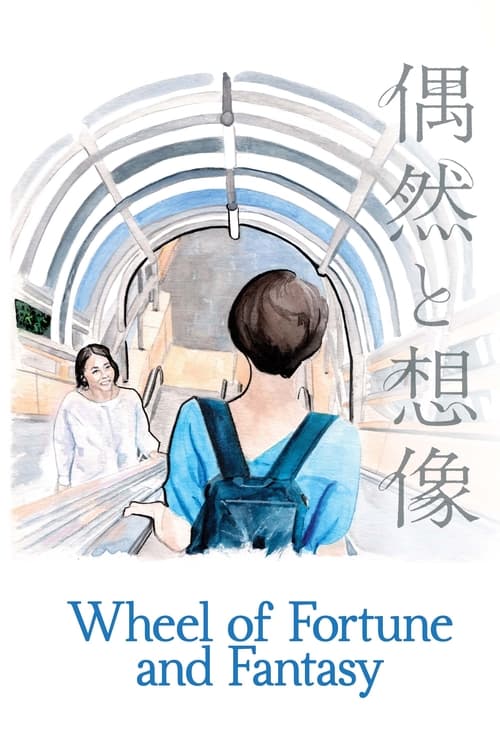
Structural precision fuels this sparkling three-part anthology, where mistaken identities, academic traps, and broken technologies push women into volatile emotional encounters. Hamaguchi relies almost exclusively on two-person conversations, staging them with clean shot-reverse-shots that suddenly snap into piercing frontal zooms during moments of naked vulnerability. The concluding chapter, revolving around two strangers misrecognizing each other as high school sweethearts, ranks among the sharpest romantic vignettes of the decade. Positioned just beneath his two sprawling epics, this Berlin Silver Bear winner proves that Hamaguchi's preoccupations with coincidence and masked desire flourish just as vibrantly in nimble, condensed dramatic movements.

4
Evil Does Not Exist - Ranking #4 Recommendation
Eco-ParableAtmospheric DreadSensory PacingThird-Act Subversion

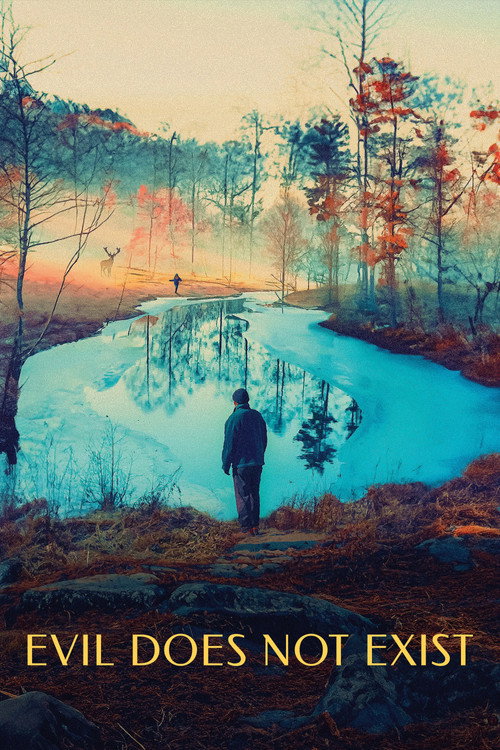
Conceived alongside musician Eiko Ishibashi, this rural drama charts the escalating tension in Mizubiki Village when an urban talent agency attempts to install an ecologically disastrous glamping camp. Hamaguchi steps away from his trademark verbosity, favoring gliding camera tracking shots across pine canopies and quiet scenes of chopping firewood before dropping viewers into a haunting, enigmatic finale. Nature here is depicted without romanticism—it is merely indifferent to human arrogance. Ranking directly below his legendary conversational epics, this Venice Grand Jury Prize winner expands his aesthetic boundary into folk mystery and ecological tension, proving his mastery over wordless spatial friction.

5
Asako I & II - Ranking #5 Recommendation

Asako I & II

⚡88% Match
Doppelgänger RomancePost-3/11 TraumaPsychological ProjectionMelodrama Subversion

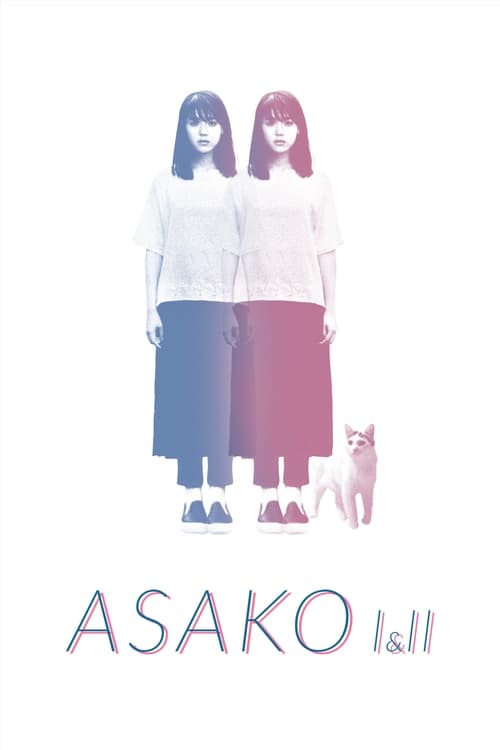
An impulsive young woman falls hard for an erratic wanderer, only to cross paths years later with an upright businessman who shares his exact face. Hamaguchi adapts Tomoka Shibasaki's novel into an unnerving exploration of romantic fixation and personal projection, where the psychological aftershocks of the 2011 Tohoku disaster ripple through seemingly conventional romantic dilemmas. Erika Karata and Masahiro Higashide navigate this uncanny landscape with fragile, unpredictable magnetism. While it operates within the recognizable beats of relationship melodrama more than his experimental triumphs, its subversive undercurrents ensure it holds a prime spot in his celebrated middle period.

6
Intimacies - Ranking #6 Recommendation

Intimacies

⚡86% Match
Meta-TheatricalityYouth AlienationRehearsal ProcessPolitical Awakening

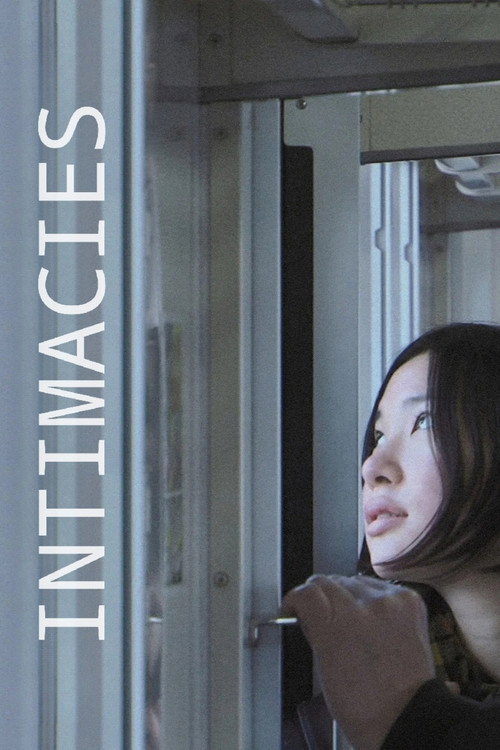
Stretching beyond four hours, this graduation feature divides neatly down the middle: first tracing the tense rehearsals of an anti-war stage production, then filming the complete play in uninterrupted time. Hamaguchi channels the genuine creative friction of his student cast into an incisive meta-textual study of youth disillusionment and artistic labor in post-Fukushima Japan. The theatrical acting can feel unvarnished, yet the sustained commitment to speech and physical space is impossible to ignore. Ranking firmly above his traditional documentaries, this daring early project was the vital proving ground where Hamaguchi refined the rehearsal methodologies that powered his mature triumphs.

7
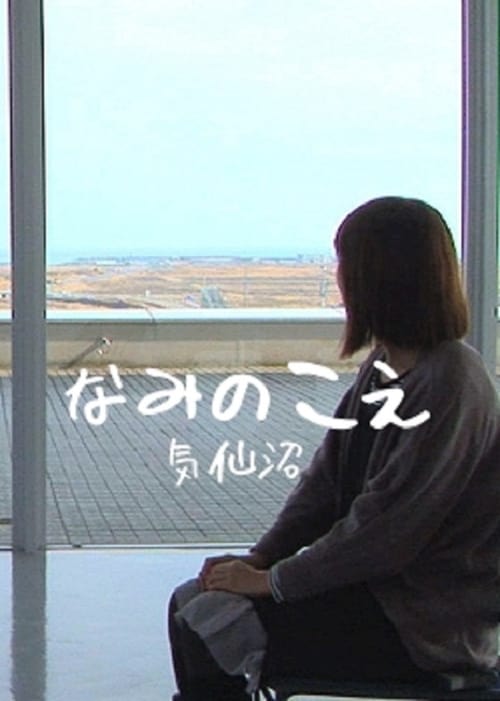
The Sound of Waves - Ranking #7 Recommendation

The Sound of Waves

⚡84% Match
Oral HistoryDirect AddressTsunami AftermathCollective Memory

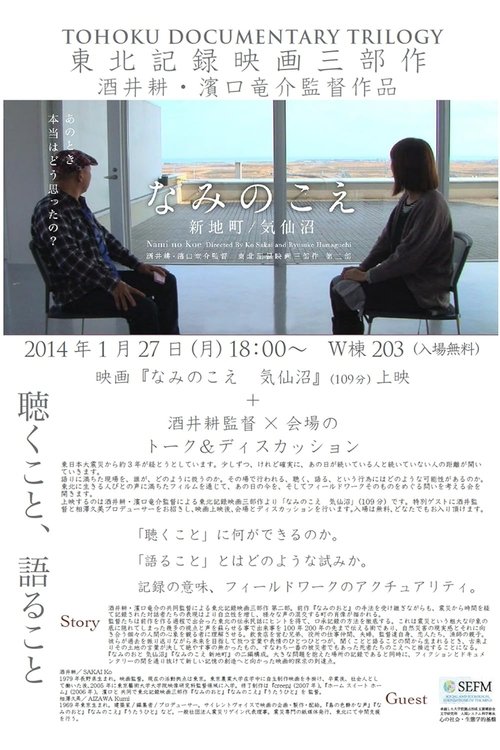
Co-directed with Ko Sakai, this documentary listens to survivors of the 2011 Tohoku tsunami through quiet, head-on interviews that look directly into the camera lens. Completely discarding sensational disaster clips, the filmmakers allow the cadences of oral storytelling to convey the terror of sudden loss and community destruction. The screen becomes a vessel for communal memory, demonstrating how speech can steady people recovering from unimaginable catastrophe. Within Hamaguchi's broader catalog, this initial entry in his Tohoku trilogy provides vital historic grounding; while it lacks the complex narrative games of his fiction features, it first crystallized his devotion to face-to-face vocal truth.

8
Voices from the Waves - Kesennuma - Ranking #8 Recommendation
Community EthnographyConversational HealingCoastal ResilienceDisaster Recovery

Revisiting Miyagi Prefecture after the catastrophic disaster, this documentary entry observes residents of the port city Kesennuma as they discuss lost livelihoods, maritime survival, and rebuilding efforts. Hamaguchi and Sakai deliberately retreat from view, inviting pairs of close friends and married couples to interview each other across kitchen tables and community halls. The resulting dialogues produce genuine moments of humor, practical grief, and unforced vulnerability. Sitting in the lower tier of his filmography due to its straightforward non-fiction framing, it nevertheless remains an essential document that showcases the deep ethical listening foundational to Hamaguchi's narrative screenplays.

9
GIFT - Ranking #9 Recommendation

GIFT

⚡80% Match
Live Score CollaborationWordless CinemaVisual PacingRural Ambience

Crafted as a silent visual counterpoint to Evil Does Not Exist, this project was conceived specifically to accompany live musical performances by experimental composer Eiko Ishibashi. Stripped of spoken words, the daily routines of Takumi and his daughter Hana rely entirely on musical cadence, rhythmic cutting, and environmental atmosphere to convey communal unease. In a festival concert hall, the piece functions as an engaging audio-visual dialogue. When evaluated purely as a home-viewing narrative experience, however, it inevitably registers as an incomplete sketch of its feature-length twin, placing it near the bottom of the director's canon.

10
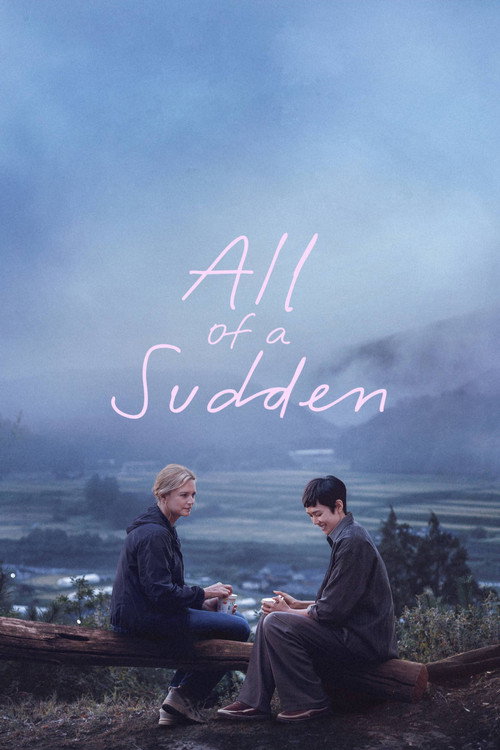
All of a Sudden - Ranking #10 Recommendation

All of a Sudden

⚡78% Match
Institutional CareActive ListeningObservational DirectingSocial Empathy

Investigating eldercare methodologies and active listening in communal elder residences, this observational feature highlights caregivers who implement compassionate, individual-first care strategies. Hamaguchi documents how patient attentiveness and gentle conversational framing can restore dignity to vulnerable seniors navigating institutional life. The subject matter reflects his career-long fascination with empathetic dialogue, but its instructional scope and modest production values keep it safely outside his dramatic masterworks. Occupying the lowest position in this filmography ranking, it stands as an admirable, minor curio suited for completists rather than an essential demonstration of his cinematic power.

⚡ At-A-Glance Comparison: Top Ranked Picks

Summary breakdown of release years, match DNA, and where to stream in the US.

RankMovie TitleYearThematic DNAWhere to Stream (US)
#1Drive My Car2021
Multilingual PerformanceGrief and Catharsis
VOD / Digital
#2Happy Hour2015
Workshop NaturalismFemale Friendship
VOD / Digital
#3Wheel of Fortune and Fantasy2021
Triptych StructureChance Encounters
MUBI, MUBI Amazon Channel
#4Evil Does Not Exist2023
Eco-ParableAtmospheric Dread
VOD / Digital
#5Asako I & II2018
Doppelgänger RomancePost-3/11 Trauma
Philo, Fandor
#6Intimacies2013
Meta-TheatricalityYouth Alienation
VOD / Digital
#7The Sound of Waves2012
Oral HistoryDirect Address
VOD / Digital
#8Voices from the Waves - Kesennuma2013
Community EthnographyConversational Healing
VOD / Digital
#9GIFT2023
Live Score CollaborationWordless Cinema
VOD / Digital
#10All of a Sudden2026
Institutional CareActive Listening
VOD / Digital

Frequently Asked Questions

Key answers for film lovers looking for titles like All 10 Best Ryusuke Hamaguchi Movies Ranked (Best to Worst).

Drive My Car (2021) is universally acknowledged as Hamaguchi's pinnacle work, earning the Cannes Best Screenplay award, three additional Oscar nominations, and the Academy Award for Best International Feature Film. Its profound fusion of Haruki Murakami's literature with Anton Chekhov's Uncle Vanya represents the zenith of his cinematic approach to performance and catharsis.