All 10 Best Toshio Masuda Movies Ranked (Best to Worst) hero banner

All 10 Best Toshio Masuda Movies Ranked (Best to Worst)

Explore the best Toshio Masuda movies ranked from finest to weakest. A definitive critical appraisal of the Japanese genre master's essential works.

DirectorsUpdated October 29, 2026

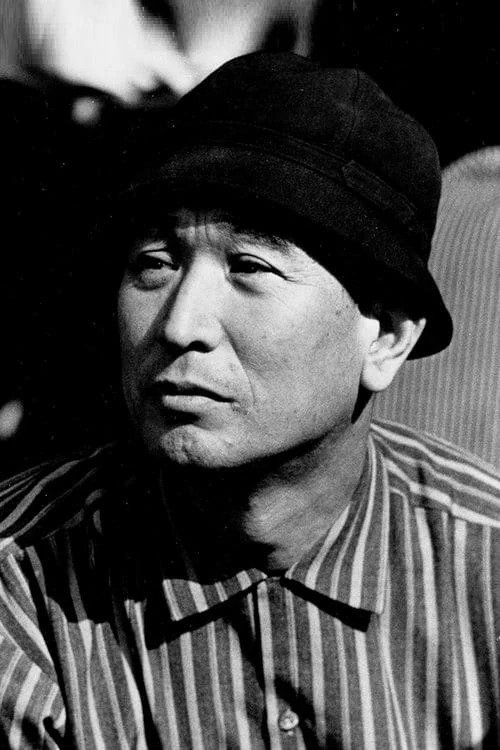
Evaluating the best Toshio Masuda movies ranked reveals one of the most prolific, stylistically muscular engines of post-war Japanese commercial cinema. Emerging through the ranks at Nikkatsu during the late 1950s, Masuda became the consummate architect of the studio's golden age, pioneering the sun-drenched, jazz-infused "borderless action" aesthetic before transitioning into massive wartime epics and razor-sharp yakuza morality tales. His camera operated with restless, propulsive kineticism, fusing Hollywood noir vitality with an unsparingly cynical view of institutional authority.

Unlike contemporaries who retreated into purely formalist art-house experimentation, Masuda found artistic transcendence inside the studio pressure cooker. He directed dozens of high-octane vehicles for stars like Yujiro Ishihara and Tetsuya Watari, demonstrating an instinctive command over dynamic widescreen ratios, rhythmic cutting, and visceral spatial geography. Whether orchestrating mud-caked Sengoku siege tactics or capturing the desperate gasps of battlefield tragedies, his filmography stands as an indispensable monument to mid-century action craftsmanship.

1
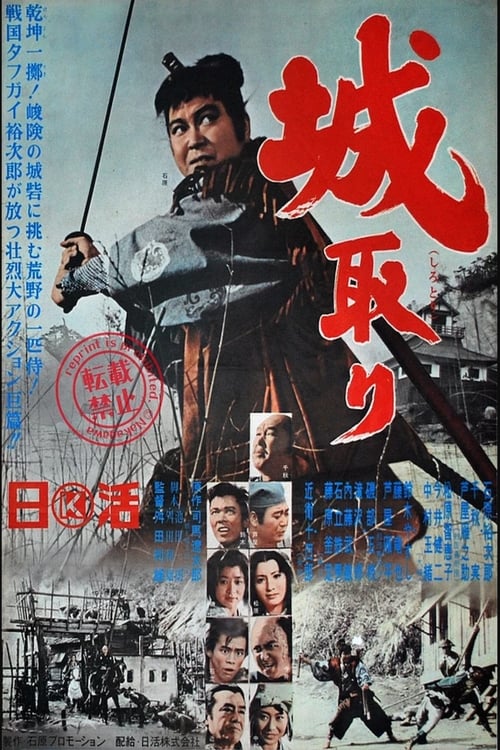
Taking the Castle - Ranking #1 Recommendation

Taking the Castle

⚡96% Match
Tactical Siege WarfareAnti-Feudal CynicismGeometric Monochrome StagingPragmatic Survivalism

Tension boils over in this relentlessly tactile siege picture, which discards romantic samurai chivalry in favor of brutal logistics and raw opportunism. Centered on an impenetrable fortress during the twilight of the Sengoku era, the film weaponizes stark monochrome compositions and geometric frame divisions to chronicle a desperate bid against Tokugawa supremacy. Masuda orchestrates tactical warfare with surgical precision, giving weight to every grunt, blade snap, and strategic deception. It stands at the absolute summit of his filmography—a fierce deconstruction of bushido that trades the kinetic swagger of his contemporary actioners for an unsparing, mature meditation on power and futile sacrifice that remains peerless across his expansive canon.
2
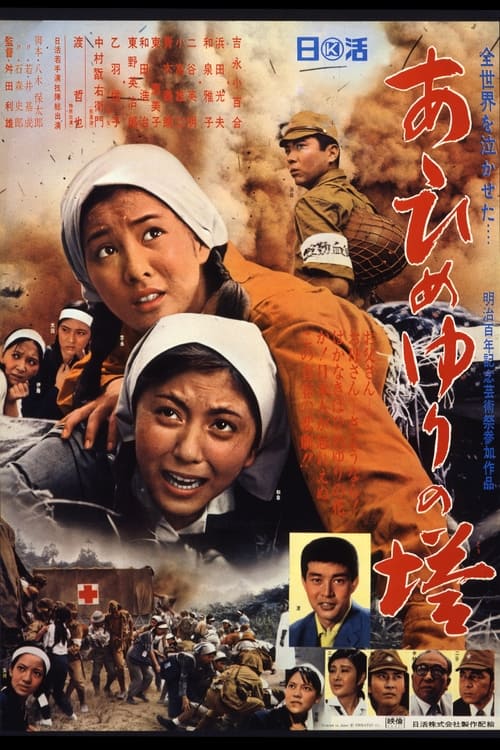
Monument to the Girl's Corps - Ranking #2 Recommendation
Pacific War TragedyVisceral NaturalismClaustrophobic Underground HorrorAnti-War Pathos

Stripping away military bravado, this harrowing recounting of the Himeyuri student nurses during the Battle of Okinawa relies on suffocating naturalism. Masuda traps high school girls in pitch-black subterranean caves, capturing the physical horror of incoming artillery with crushing sonic design and unblinking close-ups. Rather than leaning on overt melodrama, the staging emphasizes bureaucratic cruelty and senseless sacrifice as juvenile innocence is ground beneath Imperial hubris. It ranks near the pinnacle of Masuda's career, matched only by Taking the Castle in thematic weight. Here, his technical fluency is deployed not for populist adrenaline, but for blistering historical reckoning, showcasing an empathetic depth absent from his glossier studio commissions.

3
My Blood is the Blood of Others - Ranking #3 Recommendation
Hard-Boiled Crime NoirGritty Handheld RealismPost-Miracle DisillusionmentVisceral Violence

Unvarnished urban cynicism fuels this relentless 1974 thriller, where moral rot infects every transaction and loyalties evaporate in blood-soaked alleyways. Masuda injects a visceral, grimy handheld urgency into the proceedings, breaking away from traditional studio formality to deliver jagged editing rhythms and unsparing physical violence. The lead performance burns with desperate, cornered-animal intensity, embodying the post-economic miracle disillusionment that swept through mid-seventies Japanese pulp cinema. While it lacks the symphonic historical scale of Monument to the Girl's Corps, it represents Masuda operating at the peak of his hard-boiled instincts, standing as his finest late-career crime opus and easily outclassing his more routine studio assignments.

4
The Fatal Raid - Ranking #4 Recommendation

The Fatal Raid

⚡90% Match
Nikkatsu Gangster CoolFatalistic BrotherhoodPrimary Color PaletteIndustrial Melancholy

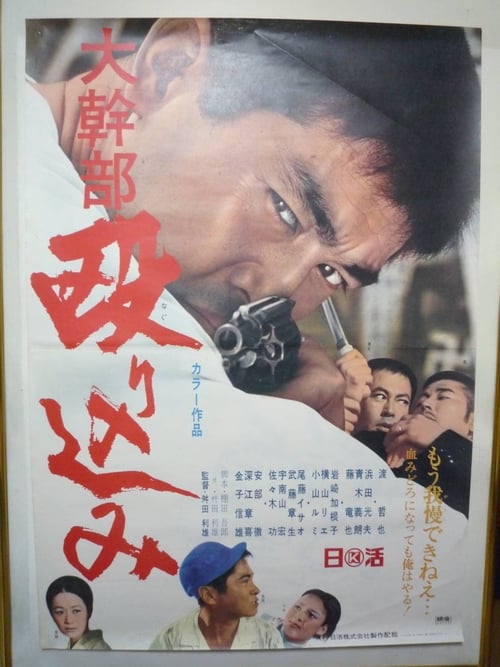
Nikkatsu cool reaches a fever pitch in this fatalistic underworld skirmish, led by Tetsuya Watari's smoldering screen presence. Masuda employs razor-sharp widescreen framing and vibrant pops of primary color against bleak industrial docks, transforming a standard turf-war liquidation into an operatic study of doomed brotherhood. The pacing moves with relentless momentum, staging gun battles not as triumphant heroism but as chaotic, messy squabbles where survival is an accident rather than a virtue. Occupying a high tier in Masuda's catalog, it epitomizes his unmatched ability to elevate pulp studio formulas, falling just short of his grander prestige dramas while remaining an essential touchstone of Japanese gangster cinema.

5
Man of a Stormy Era - Ranking #5 Recommendation
Historical TurmoilWorking-Class SolidarityEnsemble MelodramaPoliticized Tragedy

Sweeping historical turmoil collides with populist melodrama in this expansive chronicle of the early Showa era. Anchored by Yujiro Ishihara's stoic charisma, the narrative navigates crushing famine, industrial strikes, and creeping militarism, balancing sweeping street demonstrations with intimate personal tragedy. Masuda commands the wide aspect ratio with painterly crowd choreography, painting a portrait of a working class fractured by institutional indifference. It secures a vital upper-mid placement in his body of work; while occasionally bogged down by its sprawling episodic structure, its sociopolitical ambition and lavish scale place it well above Masuda's leaner, lower-stakes Nikkatsu program pictures.

6
The Stormy Man - Ranking #6 Recommendation

The Stormy Man

⚡86% Match
Jazz Club VitalitySyncopated Rhythmic EditingYouth RebellionStudio Style Swag

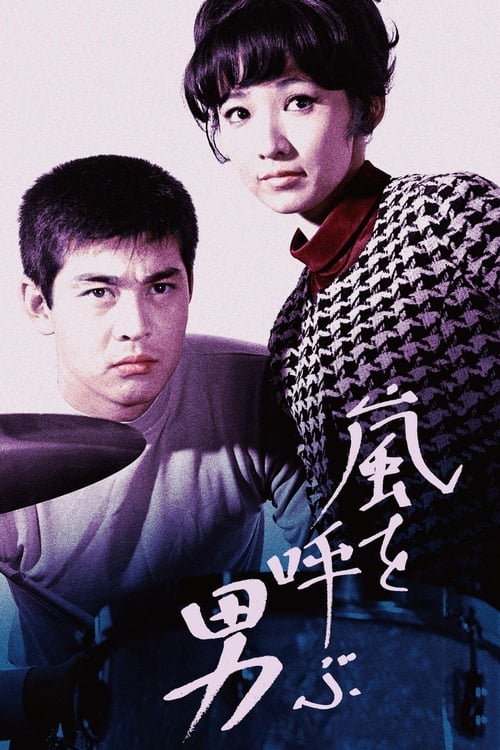
Revisiting the landmark jazz drama that cemented Yujiro Ishihara's stardom, this 1966 color remake injects modern edge courtesy of a ferocious turn by Tetsuya Watari. Masuda leans into punchy syncopated editing, syncing camera cuts to rapid drum rolls and smoke-choked nightclub brawls with infectious swagger. The narrative hits familiar melodramatic beats, yet the audiovisual rhythm carries an electric bite that captures youth rebellion transitioning between cultural eras. It sits comfortably in the middle tier of Masuda's canon—not quite as groundbreaking as the 1957 original or as emotionally devastating as his war films, but a masterclass in stylish, commercial studio revitalization.

7
The Cleanup - Ranking #7 Recommendation

The Cleanup

⚡84% Match
Rapid-Fire GunplayUnderworld MachinationsHigh-Paced ExploitationSlick Studio Efficiency

Frenetic urban violence meets studio polish in this slick yakuza programmer, defined by its crisp pacing and an unapologetic celebration of underworld anarchy. Masuda moves his ensemble through seedy backrooms and neon-drenched Tokyo corridors with seasoned efficiency, orchestrating rapid-fire shootouts and sudden double-crosses with snappy bravura. The film never aspires to high philosophy, functioning instead as a finely tuned engine of visceral action and cynical genre archetypes. Positioned in the middle ranks of his filmography, it showcases Masuda as an elite studio craftsman whose commercial efficiency never flags, even when the narrative architecture follows well-worn genre blueprints without challenging them.

8
対決 - Ranking #8 Recommendation

対決

⚡82% Match
Taisho-Era Turf WarsTraditional Yakuza CodesDeep-Focus ChoreographyRetributive Justice

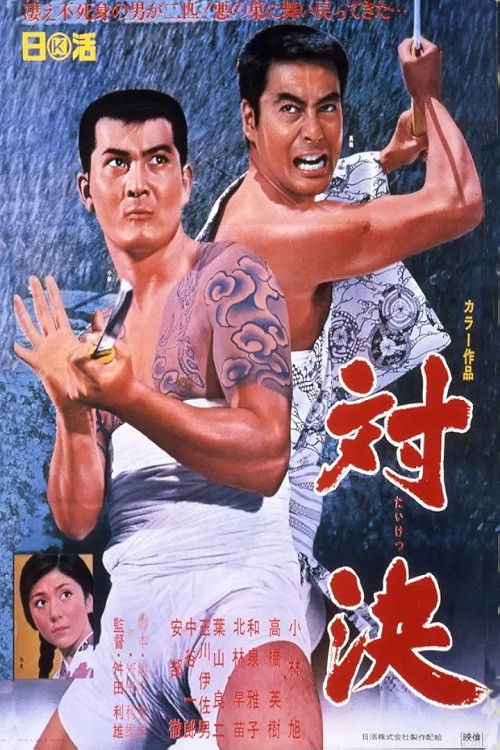
Grounded in the moody atmosphere of Taisho-era gang rivalries, this period yakuza tale trades neon-lit urbanism for dust-strewn rural tension. Masuda stages the territorial clash between rival factions with measured patience, utilizing low-angle shots and deep-focus staging to construct an air of inevitable confrontation. While the sword and pistol choreography hits with decisive blunt-force impact, the plot leans heavily on standard genre tropes of clan loyalty and retributive vengeance. It rests comfortably in the director's respectable middle-to-lower tier—a well-oiled, sturdy genre exercise that demonstrates his reliable staging prowess without reaching the stylistic verve of The Fatal Raid.

9
Showdown in the Red Valley - Ranking #9 Recommendation
Eastern Western HybridHokkaido Frontier LandscapesOutcast MoralityWidescreen Horizon Vistas

Transplanting the tropes of the American Western onto the sweeping plains of Hokkaido, this breezy frontier actioner thrives on visual novelty. Masuda makes superb use of expansive horizontal landscapes, framing lone riders against desolate horizons to evoke a distinctly Japanese borderland frontier. However, the screenplay relies heavily on predictable frontier clichés—land grabs, noble outcasts, and explosive showdowns—that feel somewhat derivative compared to the director's sharper urban noirs. Ranking toward the lower rungs of this list, it remains an entertaining, visually handsome curio, though it lacks the political bite and psychological grit that define his definitive cinematic milestones.

10
Iemitsu, Hikoza and Isshin Tasuke - A National Crisis: Edo Castle in Danger - Ranking #10 Recommendation
Late-Period Television JidaigekiFolkloric ComedyPalace IntrigueHeritage Entertainment

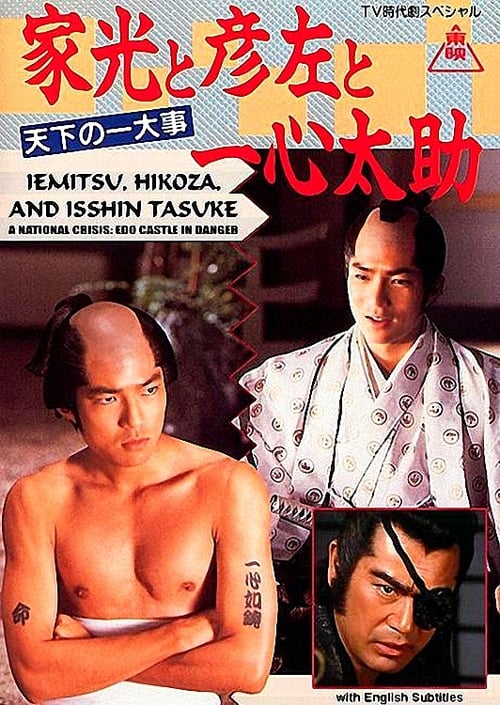
Broadcast during the twilight of Masuda's active career, this late-period television jidaigeki favors lightweight escapism and familiar historical folklore over cinematic invention. The narrative juggles court conspiracy and commoner comedy with seasoned competence, relying heavily on veteran actors and theatrical blocking to move the plot forward. Sadly, the kinetic camera movement and biting visual tension that made Masuda a legendary action director are largely absent here, swapped out for conventional small-screen staging. Occupying the lowest position in this ranking, it is an accessible, mildly charming heritage diversion that ultimately registers as a minor, workmanlike footnote in an otherwise ferocious filmography.

⚡ At-A-Glance Comparison: Top Ranked Picks

Summary breakdown of release years, match DNA, and where to stream in the US.

RankMovie TitleYearThematic DNAWhere to Stream (US)
#1Taking the Castle1965
Tactical Siege WarfareAnti-Feudal Cynicism
VOD / Digital
#2Monument to the Girl's Corps1968
Pacific War TragedyVisceral Naturalism
VOD / Digital
#3My Blood is the Blood of Others1974
Hard-Boiled Crime NoirGritty Handheld Realism
VOD / Digital
#4The Fatal Raid1969
Nikkatsu Gangster CoolFatalistic Brotherhood
VOD / Digital
#5Man of a Stormy Era1968
Historical TurmoilWorking-Class Solidarity
VOD / Digital
#6The Stormy Man1966
Jazz Club VitalitySyncopated Rhythmic Editing
VOD / Digital
#7The Cleanup1969
Rapid-Fire GunplayUnderworld Machinations
VOD / Digital
#8対決1967
Taisho-Era Turf WarsTraditional Yakuza Codes
VOD / Digital
#9Showdown in the Red Valley1965
Eastern Western HybridHokkaido Frontier Landscapes
VOD / Digital
#10Iemitsu, Hikoza and Isshin Tasuke - A National Crisis: Edo Castle in Danger1989
Late-Period Television JidaigekiFolkloric Comedy
VOD / Digital

Frequently Asked Questions

Key answers for film lovers looking for titles like All 10 Best Toshio Masuda Movies Ranked (Best to Worst).

His 1965 samurai siege epic Taking the Castle is celebrated as his artistic zenith due to its rigorous tactical realism and anti-feudal cynicism. It demonstrates Masuda at the height of his visual control, ditching romantic tropes for unsparing historical weight.