Top 5 Best Movies Like Still Alice (Ranked & Where to Stream) hero banner

Top 5 Best Movies Like Still Alice (Ranked & Where to Stream)

Searching for emotionally devastating dramas like Still Alice? Discover the top films exploring memory loss, illness, and human dignity, ranked by critics.

Similar MoviesUpdated October 28, 2026

Finding compelling movies like Still Alice requires looking beyond routine tearjerkers to find stories that honor the terrifying fragility of human cognition. Julianne Moore's Oscar-winning portrayal of Alice Howland struck a rare chord because it refused cheap melodrama, charting early-onset Alzheimer's disease through the precise, devastating erosion of intellect, identity, and domestic balance.

The finest cinema in this subgenre respects the interior life of its subjects while confronting the silent toll exacted on caregivers and families. From claustrophobic psychological portraits of memory slipping through fingers to quiet reckonings with terminal neurological decline, these five essential titles capture that exact intersection of heartbreak and intellectual dignity.

1
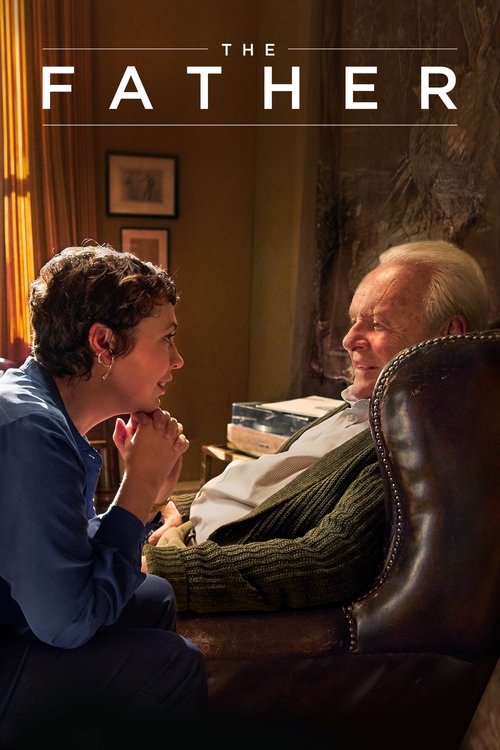
The Father - Ranking #1 Recommendation

The Father

⚡96% Match
Subjective DementiaChamber DramaPsychological Disorientation

Florian Zeller directs an unnerving chamber piece that traps the viewer directly inside the fractured mind of an aging patriarch. Anthony Hopkins delivers an astonishing, vulnerable performance as Anthony, an independent Londoner who insists he can manage alone despite his flat subtly rearranging itself around him. Production designer Peter Francis shifts furniture, paint hues, and wall dimensions across scenes to simulate genuine spatial disorientation, turning everyday domesticity into an uncanny labyrinth. For audiences seeking the clinical honesty and harrowing loss of self found in Still Alice, this film offers an even more immersive, unsparing simulation of cognitive unraveling from behind the sufferer's eyes.

2
You're Not You - Ranking #2 Recommendation

You're Not You

⚡94% Match
Degenerative IllnessUnlikely FriendshipLoss of Autonomy

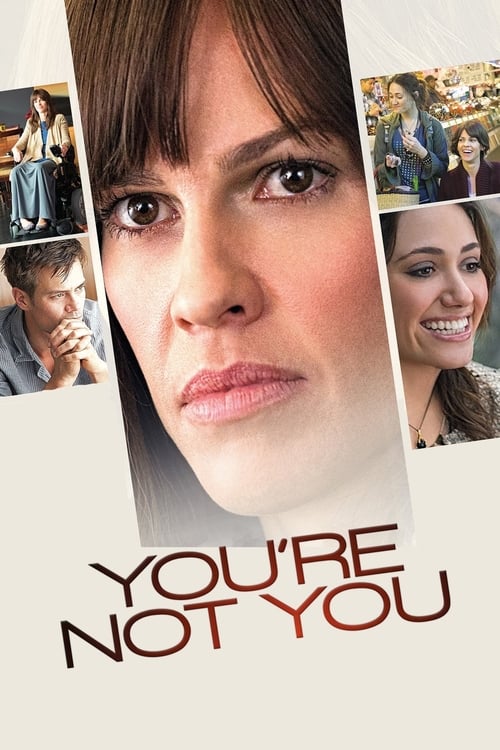
Director George C. Wolfe steers this poignant adaptation with sharp emotional focus, anchored by Hilary Swank's rigorous physical performance as Kate, an acclaimed classical pianist diagnosed with ALS. As her motor skills diminish, Kate rebuffs suffocating institutional pity and hires Bec (Emmy Rossum), an erratic college student whose blunt authenticity cuts through the clinical silence. Swank charts the brutal erosion of fine motor control without theatrical posturing, showing the private frustration of an elite artist losing her body. Viewers drawn to the heartbreaking career disruption and personal dignity of Still Alice will find an equally moving study of terminal neurodegenerative illness here.

Stream Now (US)

Watch on Provider
3
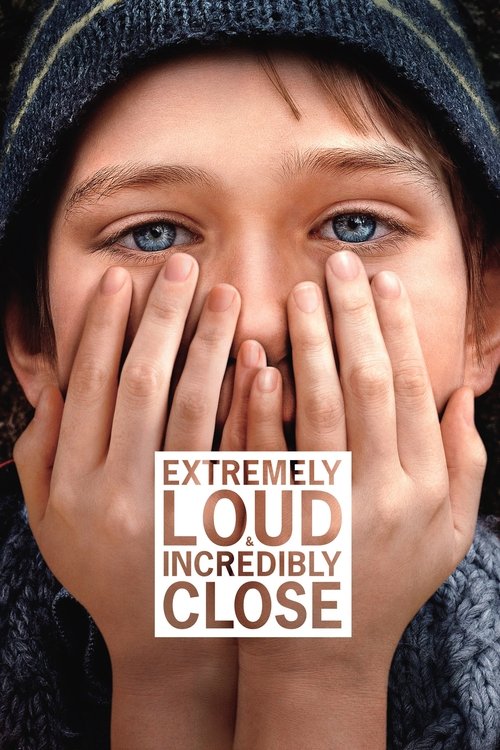
Extremely Loud & Incredibly Close - Ranking #3 Recommendation
Post-Traumatic GriefFamily RuptureNeurodivergent Perception

Stephen Daldry crafts an intensely visual journey through modern trauma, tracking young Oskar Schell as he navigates Manhattan following his father's sudden death on September 11. Thomas Horn brings raw, nervous intensity to Oskar, a boy using an intricate scavenger hunt to structure his overwhelming sadness and keep his late father's memory tactile. Daldry uses rapid-fire editing and sweeping urban perspectives to mirror the boy's hyperactive mind clashing against an unpredictable world. It matches the tender family devastation of Still Alice, specifically how parents and children struggle to communicate across an emotional chasm created by sudden, irreversible tragedy.

4
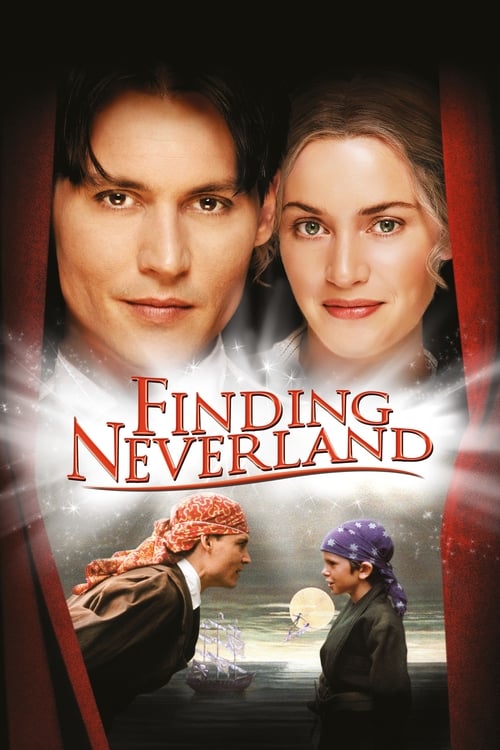
Finding Neverland - Ranking #4 Recommendation

Finding Neverland

⚡90% Match
Subtle MelancholyCreative EscapismAnticipated Grief

Marc Forster brings a poetic restraint to this biographical fantasy about playwright J.M. Barrie and the real-world relationships that birthed Peter Pan. Johnny Depp underplays Barrie with quiet observation, forming a platonic refuge with a widowed mother (Kate Winslet) and her four young sons as quiet sickness looms over their household. Forster uses theatrical lighting and delicate visual flourishes to show how imagination functions as a psychological defense mechanism against mortality. If the family tenderness and quiet acceptance of tragic bodily decline moved you in Still Alice, Forster's gentle exploration of love facing the inevitable will strike a familiar emotional chord.

5
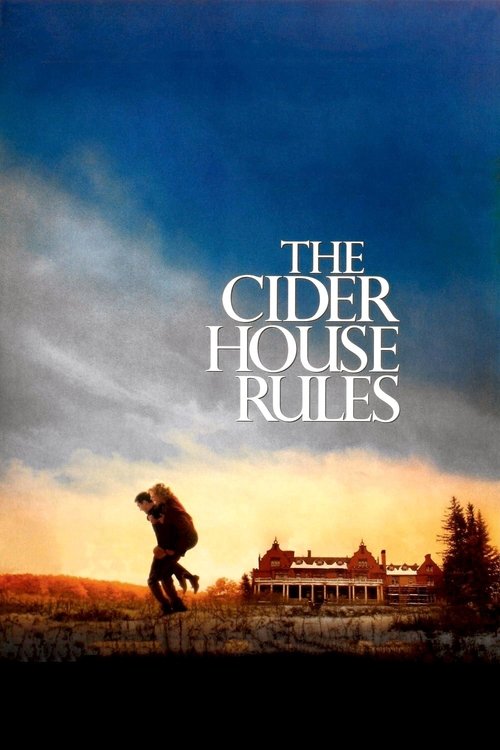
The Cider House Rules - Ranking #5 Recommendation
Moral CompassMedical MentorshipAging and Succession

Lasse Hallström transforms John Irving's sprawling novel into a lyrical reflection on medicine, paternal responsibility, and the messy friction between rules and compassion. Michael Caine shines as Dr. Wilbur Larch, an eccentric orphanage physician secretly battling an ether addiction while preparing his gifted apprentice (Tobey Maguire) to inherit his medical practice. The film glows with Oliver Stapleton's crisp autumnal cinematography, creating a gentle atmosphere that softens the story's heavy themes of abandonment and mortality. Fans of Still Alice who appreciate rich ethical dilemmas and the quiet melancholy of passing the torch to the next generation will appreciate its humane narrative core.

⚡ At-A-Glance Comparison: Top Ranked Picks

Summary breakdown of release years, match DNA, and where to stream in the US.

RankMovie TitleYearThematic DNAWhere to Stream (US)
#1The Father2020
Subjective DementiaChamber Drama
VOD / Digital
#2You're Not You2014
Degenerative IllnessUnlikely Friendship
Amazon Prime Video, Peacock Premium
#3Extremely Loud & Incredibly Close2011
Post-Traumatic GriefFamily Rupture
Howdy Amazon Channel
#4Finding Neverland2004
Subtle MelancholyCreative Escapism
VOD / Digital
#5The Cider House Rules1999
Moral CompassMedical Mentorship
fuboTV, MGM+ Amazon Channel

Frequently Asked Questions

Key answers for film lovers looking for titles like Top 5 Best Movies Like Still Alice (Ranked & Where to Stream).

The Father (2020) is the definitive follow-up, featuring an Oscar-winning performance by Anthony Hopkins that frames dementia from the protagonist's disorienting internal perspective.