1
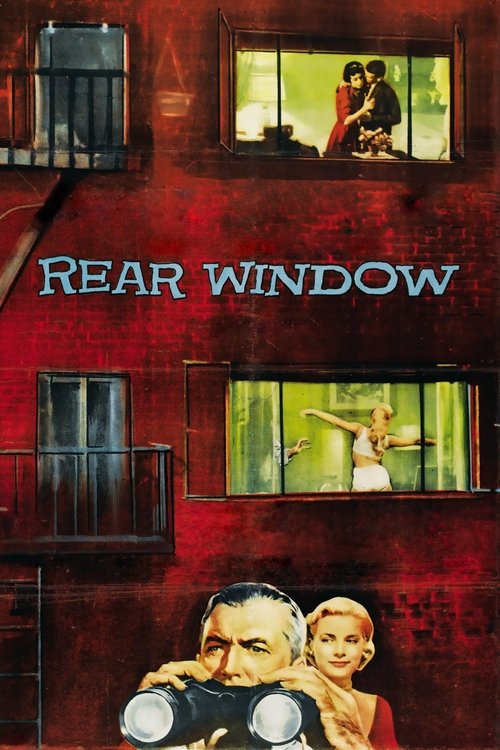
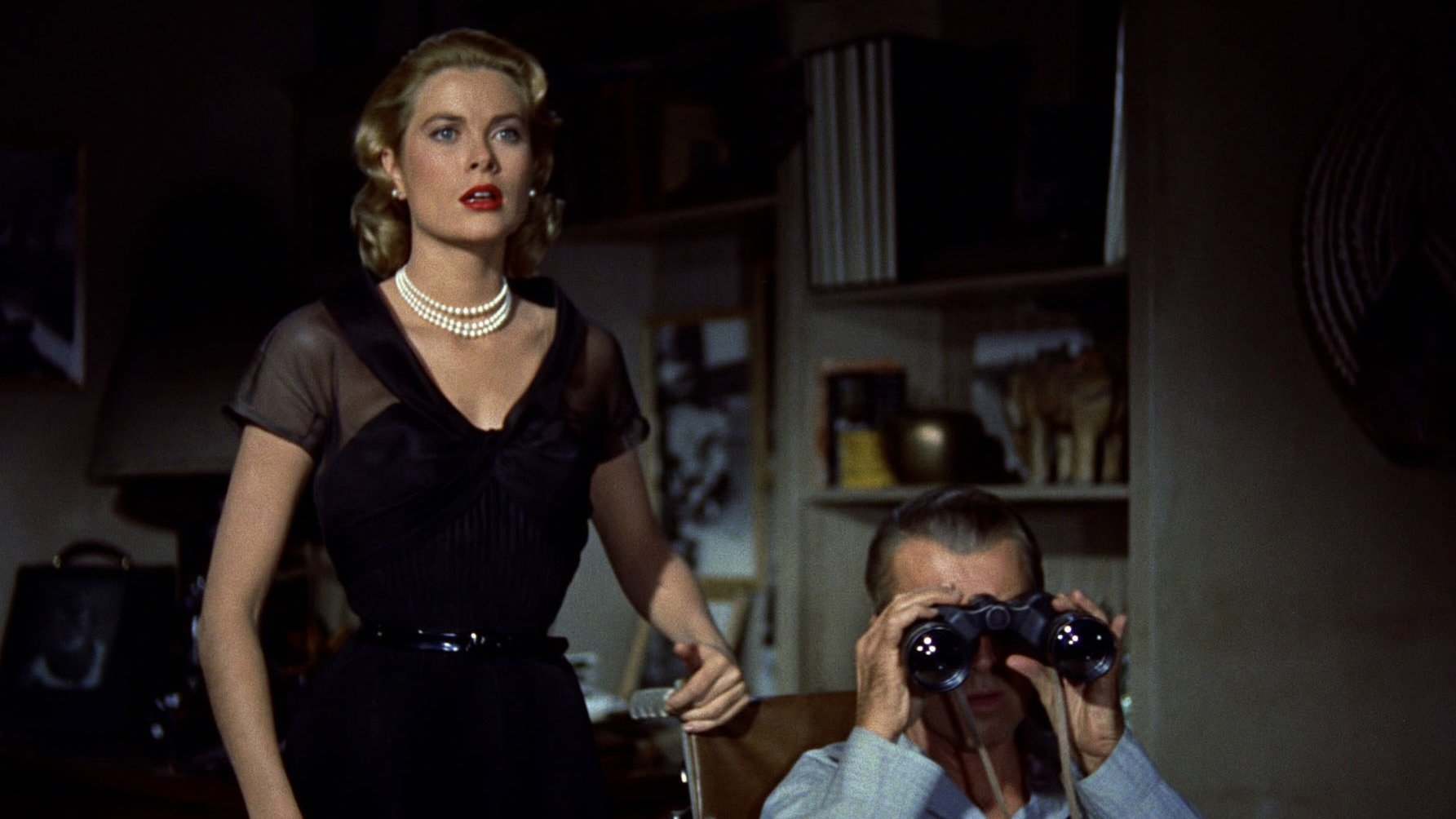
Rear Window
96% Match
Alfred Hitchcock constructs a masterclass in subjective framing as injured photojournalist L.B. Jefferies peers into his Greenwich Village courtyard. Confined to a wheelchair during a sweltering heatwave, Jefferies turns his neighbors' exposed apartments into private cinema screens, slowly piecing together a suspected murder across the way. Hitchcock weaponizes binoculars and telephoto lenses to implicates the viewer directly in the voyeuristic gaze. The film belongs high on this list because its most agonizing tension unfolds during stifling summer darkness, where shadows cloak murderous intent and the vulnerability of being watched transforms an ordinary nocturnal vigil into an iconic crucible of suspense.