1
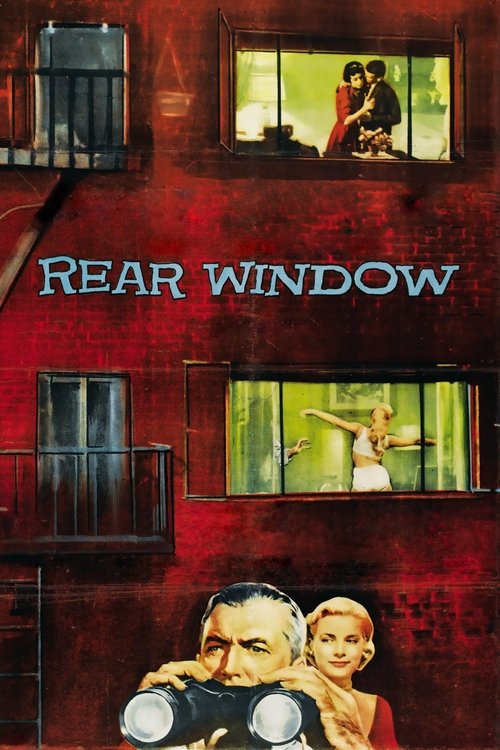
Rear Window
96% Match
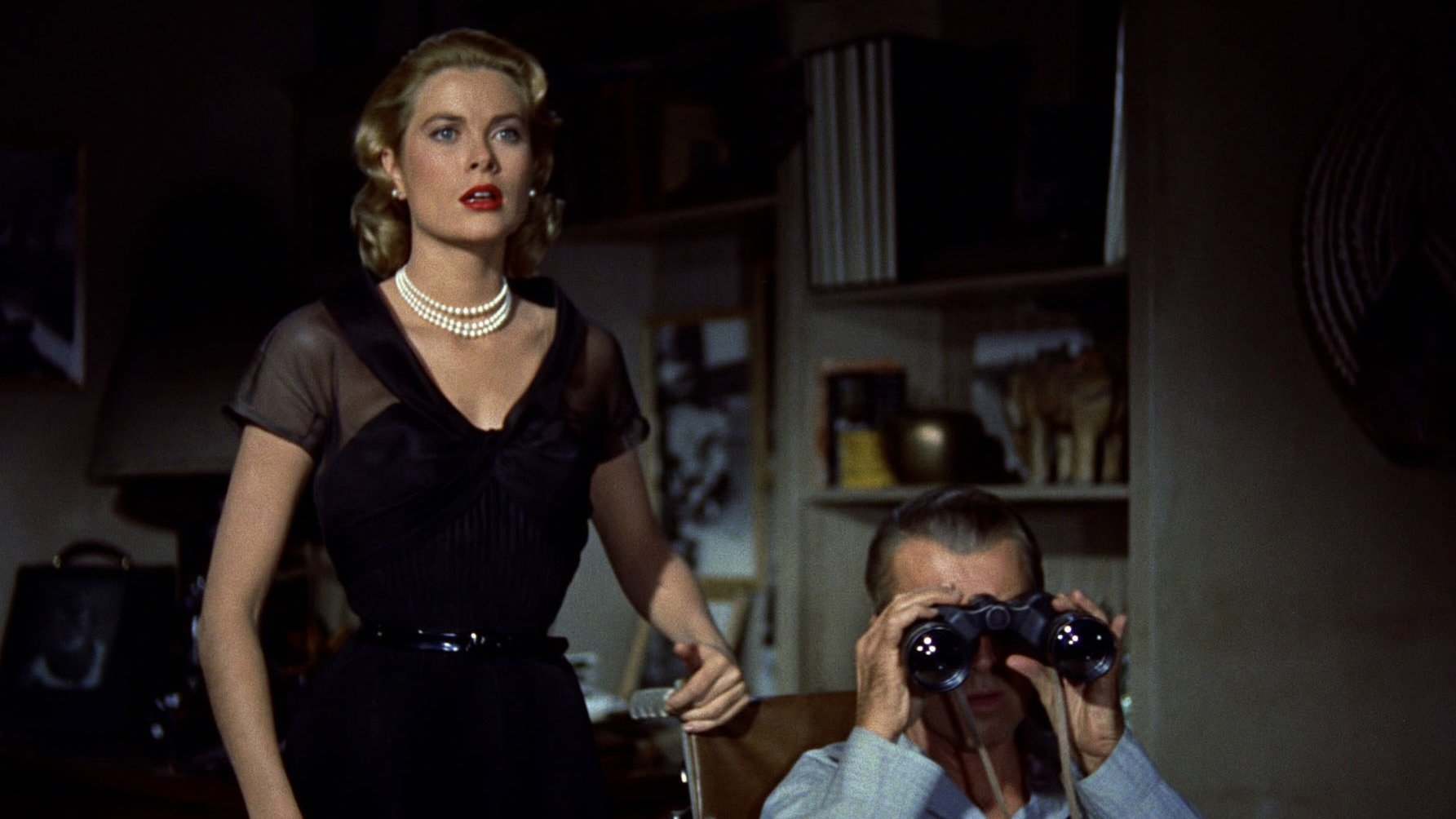
Alfred Hitchcock constructs a masterclass in subjective framing by chaining the audience to L.B. Jefferies' plaster cast. James Stewart's recuperating photojournalist watches courtyard dramas unfold like miniature proscenium plays, turning passive observation into an ethical quagmire once Lars Thorwald's domestic routine curdles into suspected butchery. Hitchcock shoots entirely from Jeff's vantage point, manipulating depth of field to make adjacent brick apartments feel both deceptively near and hopelessly out of reach. This rigorous spatial discipline establishes the baseline for the genre, proving that immobility creates acute panic precisely because the protagonist cannot physically intervene when disaster strikes.