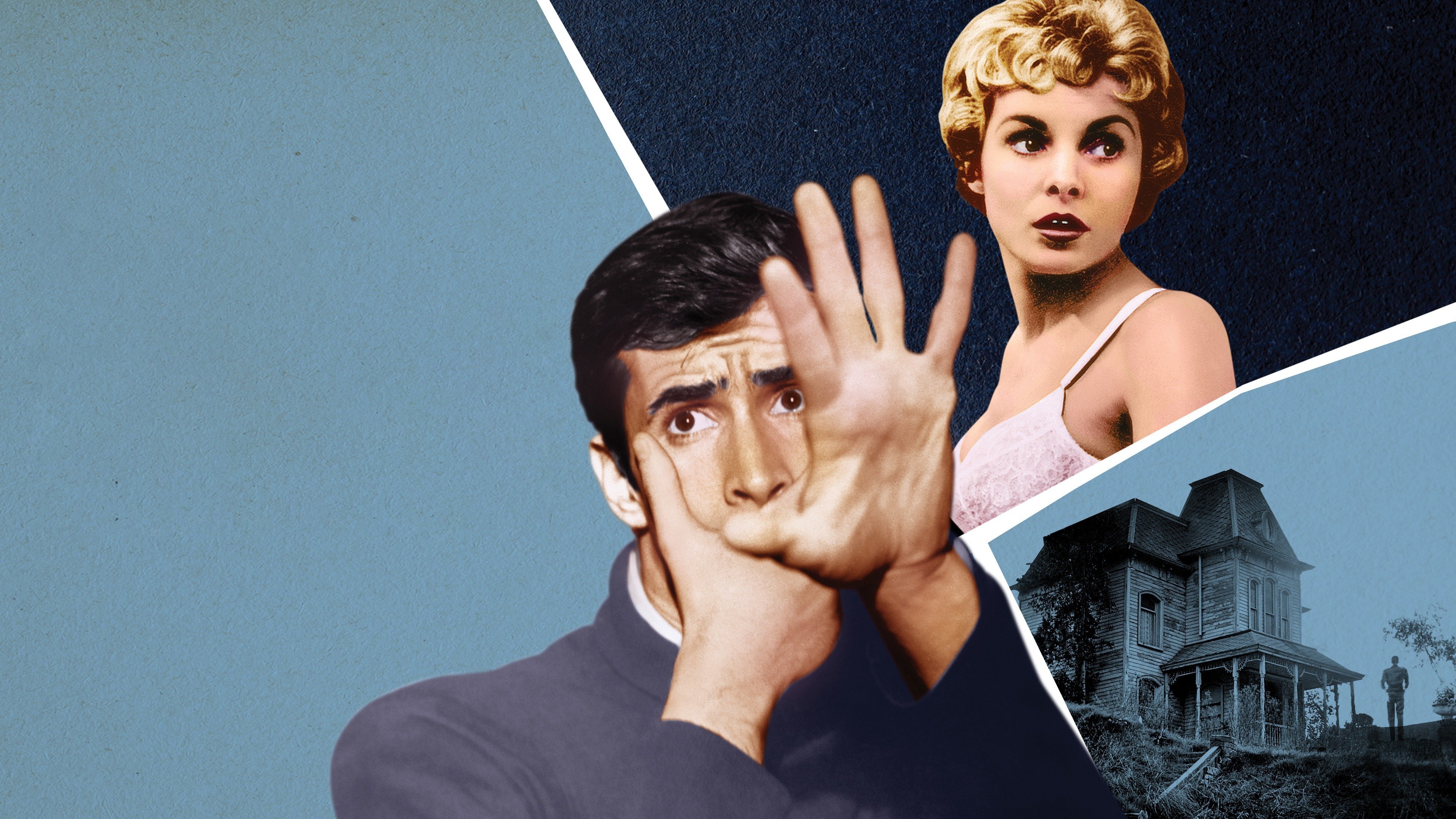
Top 10 Psychological Horror Movies (Ranked) hero banner

Top 10 Psychological Horror Movies (Ranked)

Discover the top 10 psychological horror movies ranked from undisputed classics to modern mind-benders, analyzed by film critic Leo Sterling.

Best of GenreUpdated October 29, 2026

Curating the top 10 psychological horror movies requires separating cheap visceral shocks from narratives that genuinely dismantle the human psyche. What makes this category enduring is its refusal to grant easy catharsis; rather than relying solely on masked slashers or monster reveals, these stories weaponize paranoia, trauma, and identity dissolution to trap viewers inside fractured minds.

From mid-century trailblazers that rewired narrative cinema to contemporary allegories probing societal rot, psychological horror transforms mundane architecture and domestic spaces into crucibles of dread. This definitive hierarchy evaluates every entry based on visual craft, tonal suffocating control, and how thoroughly each film turns internal distress into an inescapable, waking nightmare.

Filter by Platform:
1
Psycho - Ranking #1 Recommendation

Psycho

⚡96% Match
Oedipal GuiltFractured IdentityVoyeuristic Dread

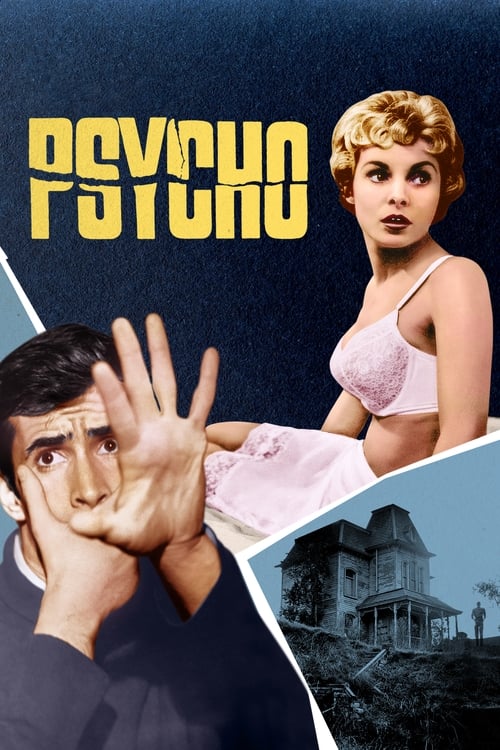
Alfred Hitchcock rewired modern storytelling by pulling the rug out from beneath audiences midway through Marion Crane's fateful detour. Anthony Perkins plays Norman Bates with an eerie, stuttering vulnerability that disguises predatory sickness beneath boyish charm, framed by Bernard Herrmann's shrieking, minimalist string score. Beyond its revolutionary editing and shadowy motel corridors, the picture works because it shifts viewer sympathy directly into the shoes of a disturbed killer concealing evidence. It remains the gold standard for this subgenre, demonstrating that true terror does not require sprawling castles, just a fractured mind trapped in its own domestic labyrinth.

Stream Now (US)

Watch on Provider

2
The Shining - Ranking #2 Recommendation

The Shining

⚡94% Match
Cabin FeverDomestic TyrannySpectral Madness

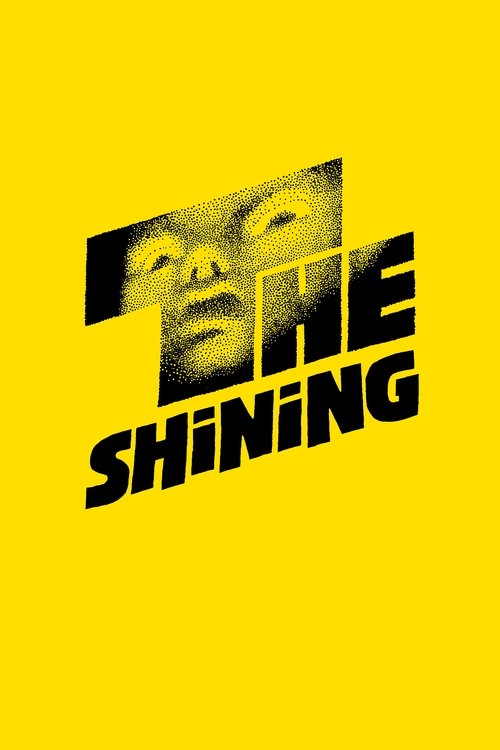
Stanley Kubrick trades shadowed corners for blinding, fluorescent snowscapes and geometric carpets that seem to stretch into infinity. Jack Nicholson delivers an unhinged, feral performance as Jack Torrance, an aspiring writer whose artistic frustrations and latent alcoholism curdle inside the haunted Overlook Hotel. Kubrick constructs an oppressive sense of spatial disorientation using pioneering Steadicam shots that glide through cavernous, dead hallways. The horror stems not merely from supernatural phantoms, but from the terrifyingly gradual erosion of paternal sanity, perfectly crystallizing how isolation accelerates a man's violent psychological collapse.

Stream Now (US)

Watch on Provider
3
Rosemary's Baby - Ranking #3 Recommendation

Rosemary's Baby

⚡92% Match
ParanoiaGaslightingUrban Isolation

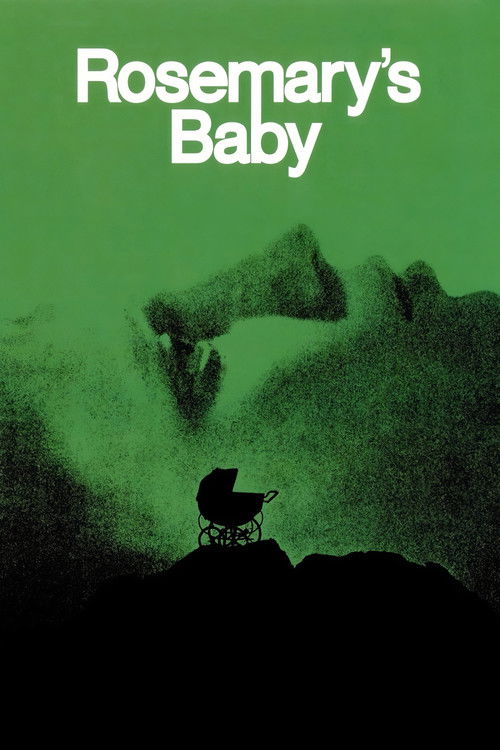
Roman Polanski confines dread within the claustrophobic walls of the Dakota apartment building, framing Mia Farrow's fragile Rosemary against a seemingly polite community of intrusive neighbors. Farrow captures the quiet agony of physical deterioration and social gaslighting, turning ordinary domesticity into an inescapable trap of medical skepticism. Every conversation carries an insidious subtext that chips away at her autonomy. Its brilliance lies in making the audience share Rosemary's agonizing uncertainty: is she unraveling from prenatal paranoia, or is a satanic conspiracy truly tightening around her unborn child?

4
Get Out - Ranking #4 Recommendation

Get Out

⚡90% Match
Social SubversionBodily AutonomyHypnotic Control

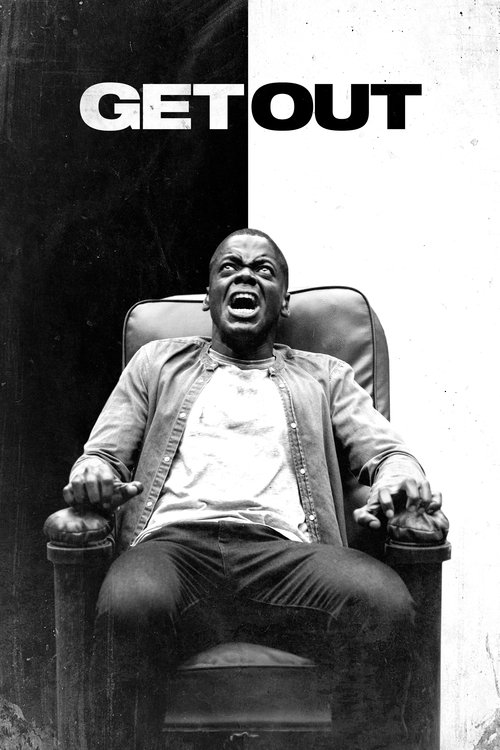
Jordan Peele turned racial alienation into high-wire suspense, using suburban pleasantries to mask predatory horrors. Daniel Kaluuya delivers a masterclass in suppressed unease, anchoring the film with expressive eyes that communicate escalating suspicion long before the teacup clicks. Peele balances satirical wit with genuine menace, transforming the 'Sunken Place' into an unforgettable visual metaphor for stolen agency and paralyzed consciousness. The film earns its high standing by turning societal microaggressions into the fuel for visceral dread, proving that psychological terror thrives when grounded in systemic realities.

5
Black Swan - Ranking #5 Recommendation

Black Swan

⚡88% Match
PerfectionismDoppelgänger MythosPsychosomatic Collapse

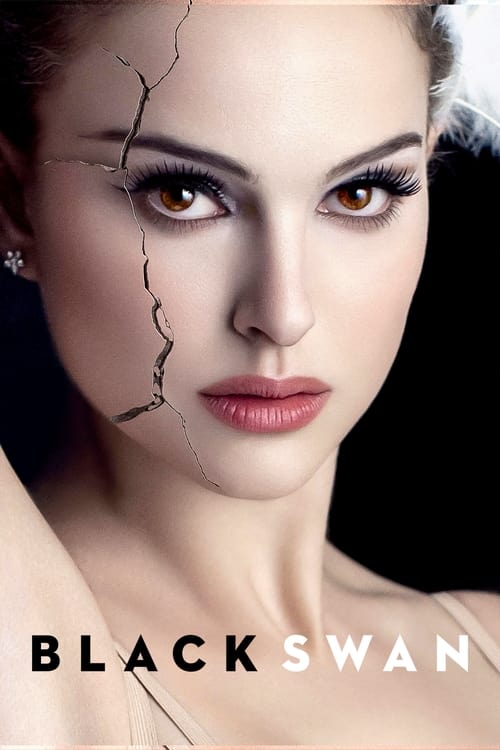
Darren Aronofsky stages a brutal collision between high art and bodily devastation within the cutthroat world of Lincoln Center ballet. Natalie Portman gives an all-consuming, Oscar-winning turn as Nina Sayers, an obsessive perfectionist whose pursuit of artistic transcendence tears her mind apart. The handheld camera work stays glued to Nina's heaving shoulders and bleeding cuticles, blurring stage lights with hallucinations of scratch marks and avian transformations. It captures the psychological terror of self-inflicted pressure, where the quest for absolute creative control morphs into full-scale ego destruction.

6
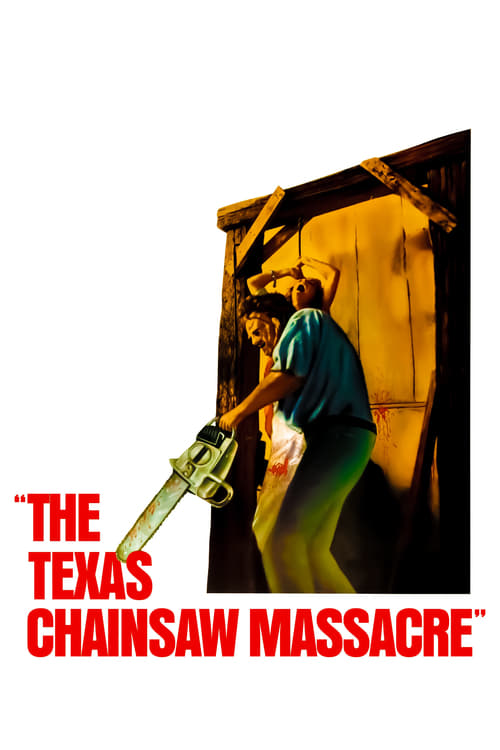
The Texas Chain Saw Massacre - Ranking #6 Recommendation
Sensory AssaultRural NightmarePsychological Panic

Tobe Hooper's low-budget landmark is often remembered for grindhouse savagery, yet its true power is an unrelenting sensory assault that breaks down the viewer's rational defenses. The relentless buzz of power tools, sweltering Texas heat, and bone-cluttered interiors create a hallucinatory atmosphere of rural rot. Marilyn Burns's desperate, eye-bulging screams during the dinner sequence mirror the audience's psychological exhaustion. By stripping away narrative safety nets and treating madness as an ambient condition of the American landscape, it functions as an acoustic and mental pummeling that lingers long after the credits roll.

Stream Now (US)

Watch on Provider
7
A Quiet Place - Ranking #7 Recommendation

A Quiet Place

⚡84% Match
Acoustic DreadParental AnxietyIsolation Tension

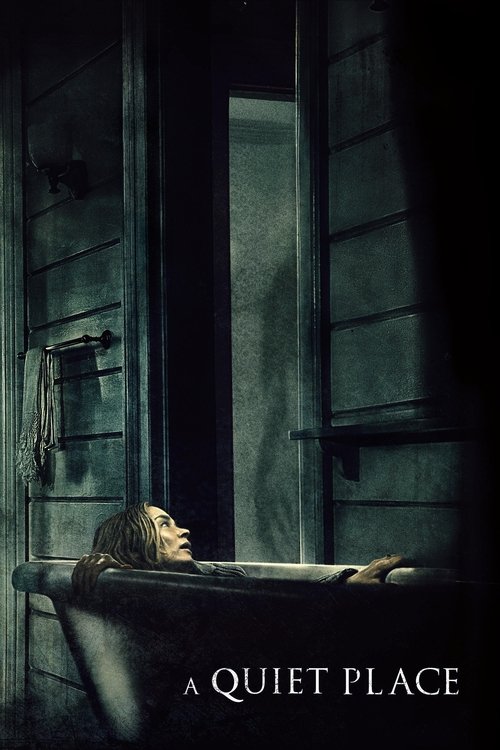
John Krasinski uses absolute silence as an oppressive dramatic weapon, forcing audiences to hang on every creaking floorboard and rustling corn stalk. Emily Blunt and Krasinski anchor the survival narrative with maternal and paternal desperation, grounding alien invasion tropes in the intimate anxieties of family preservation. The sound design acts as an unbearable amplifier of nervous tension, where a misplaced step guarantees swift execution. It secures its spot here by transforming acoustic awareness into psychological torture, showing how chronic vigilance warps the human nervous system under continuous threat.

8
Split - Ranking #8 Recommendation

Split

⚡82% Match
Dissociative IdentityCaptivity TensionNeurotic Metamorphosis

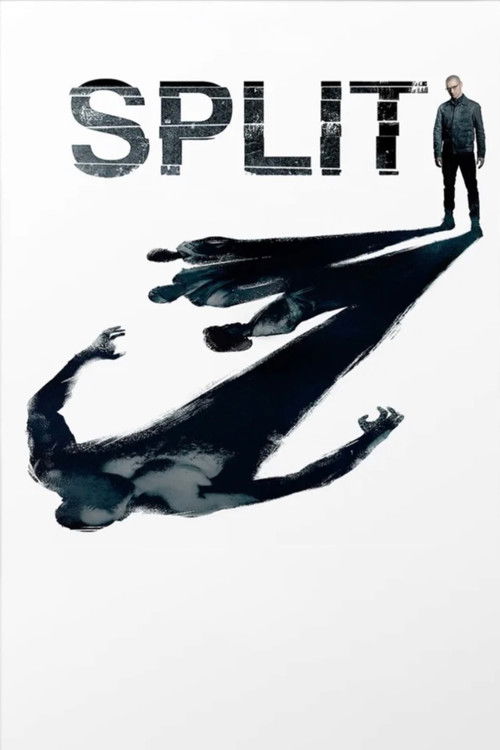
M. Night Shyamalan stages a tense underground chamber piece driven entirely by James McAvoy's shape-shifting physical dexterity. McAvoy cycles through distinct personas with chilling vocal control, while Anya Taylor-Joy matches him as a captive who uses childhood trauma to analyze and anticipate her captor's unpredictable behavioral shifts. The locked-room setup keeps the stakes suffocatingly personal, prioritizing intimate emotional fencing over expansive spectacle. Its psychological weight comes from framing extreme dissociation as both a tragic defense mechanism and a terrifying evolutionary threat.

Stream Now (US)

Watch on Provider

9
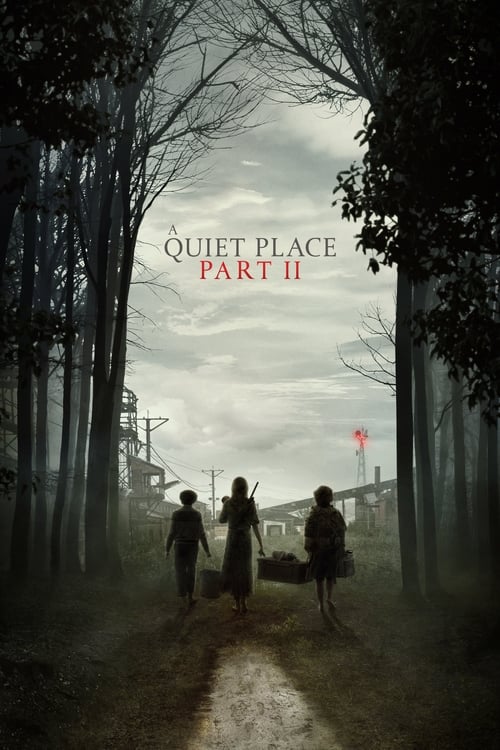
A Quiet Place Part II - Ranking #9 Recommendation
Post-Traumatic StressSensory DeprivationSurvivalist Paranoia

Expanding beyond the original farmhouse, John Krasinski thrusts the Abbott family into wider industrial ruins without sacrificing their foundational quiet terror. Millicent Simmonds steps forward with fierce determination, carrying the narrative through sequences where auditory perception means the difference between life and obliteration. Cillian Murphy adds a layered layer of grief-stricken cynicism to the survival dynamic. While leaning more heavily toward creature-feature action, the film sustains psychological dread by exploring how inherited grief and post-traumatic stress paralyze humans long before the monsters actually strike.

10
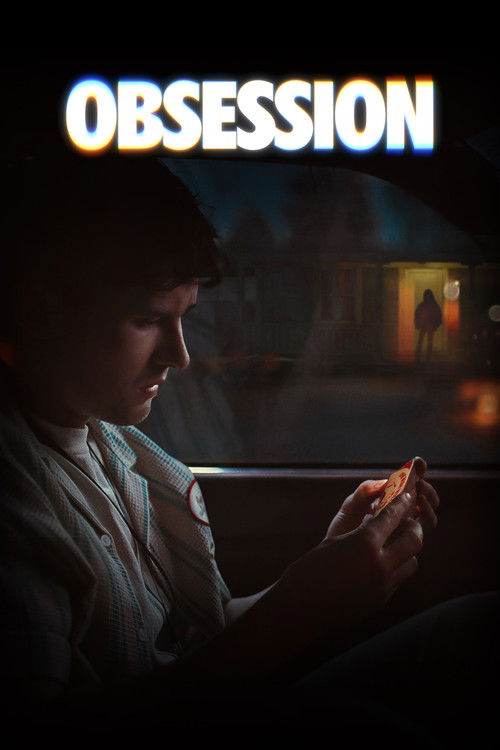
Obsession - Ranking #10 Recommendation

Obsession

⚡78% Match
Romantic DelusionWish FulfillmentObsessive Spiral

This offbeat indie curiosity flips traditional romantic longing into an uncanny downward spiral of corrupted desire. When an insecure protagonist uses an urban folklore wish to force romantic reciprocity, the resulting synthetic affection curdles into suffocating synthetic devotion that feels completely wrong. The production leans into unsettling wide angles and sterile lighting to convey the emptiness of manufactured love. It earns its position as a cult outlier by treating obsessive infatuation not as passion, but as a creeping, self-inflicted psychic trap that eats away at reality.

⚡ At-A-Glance Comparison: Top Ranked Picks

Summary breakdown of release years, match DNA, and where to stream in the US.

RankMovie TitleYearThematic DNAWhere to Stream (US)
#1Psycho1960
Oedipal GuiltFractured Identity
Netflix, Peacock Premium
#2The Shining1980
Cabin FeverDomestic Tyranny
HBO Max Amazon Channel, AMC+ Amazon Channel
#3Rosemary's Baby1968
ParanoiaGaslighting
fuboTV, Paramount Plus Premium
#4Get Out2017
Social SubversionBodily Autonomy
fuboTV, Peacock Premium
#5Black Swan2010
PerfectionismDoppelgänger Mythos
VOD / Digital
#6The Texas Chain Saw Massacre1974
Sensory AssaultRural Nightmare
Netflix, Amazon Prime Video
#7A Quiet Place2018
Acoustic DreadParental Anxiety
fuboTV, MGM+ Amazon Channel
#8Split2017
Dissociative IdentityCaptivity Tension
Netflix, Netflix Standard with Ads
#9A Quiet Place Part II2021
Post-Traumatic StressSensory Deprivation
Paramount Plus Premium, Paramount Plus Essential
#10Obsession2026
Romantic DelusionWish Fulfillment
Peacock Premium, Peacock Premium Plus

Frequently Asked Questions

Key answers for film lovers looking for titles like Top 10 Psychological Horror Movies (Ranked).

Psychological horror emphasizes mental vulnerability, emotional instability, paranoia, and existential dread over overt gore or conventional jump scares. The primary monster is often the unraveling human mind itself, forcing viewers to question what is real and what is hallucinated.