Top 10 Tech Thriller Movies (Ranked) hero banner

Top 10 Tech Thriller Movies (Ranked)

Discover the top 10 tech thriller movies ranked. From algorithmic paranoia to surveillance masterworks, explore cinema's most electrifying techno-dramas.

Best of GenreUpdated October 29, 2026

Curating the top 10 tech thriller movies requires looking past glossy hacker monitors to examine how tools of observation, computation, and infrastructure alter human behavior. As cinema evolved across the late twentieth century, the genre migrated from analog voyeurism into terrifying reflections of modern surveillance capitalism and algorithmic control.

What binds these ten masterworks is not mere silicon fetishism, but an acute dread regarding what happens when our technological extensions slip our grasp. From optical telephoto lenses peering into apartment windows to city-wide acoustic sonar grid networks, these selections track humanity's fraught negotiation with its own inventions.

Filter by Platform:
1
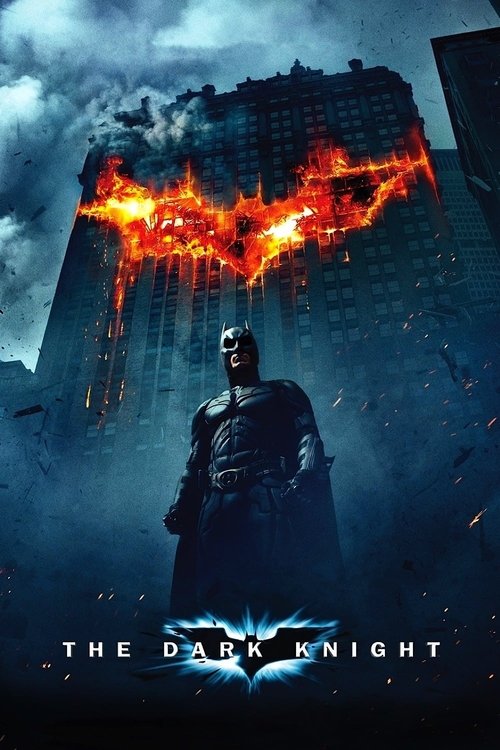
The Dark Knight - Ranking #1 Recommendation

The Dark Knight

⚡96% Match
Mass SurveillanceSonar EavesdroppingEthical DilemmasUrban Infrastructure

Christopher Nolan anchors this urban epic in hyper-grounded realism, pitting Christian Bale's stoic vigilante against Heath Ledger's incendiary, nihilistic Joker. The film's sprawling narrative operates with Swiss-watch precision, cutting between pressurized boardrooms, crumbling municipal infrastructure, and morally compromised swat teams. Nolan's genius lies in stripping away comic-book escapism to expose raw civic vulnerability. It secures the pinnacle spot here because its final act revolves around the ultimate techno-moral dilemma: turning every mobile phone in Gotham into an invasive sonar surveillance array. Batman must violate the privacy of an entire populace to pinpoint a ghost in the machine, crystallizing post-9/11 surveillance ethics into pure, relentless kinetic suspense.

Stream Now (US)

Watch on Provider

2
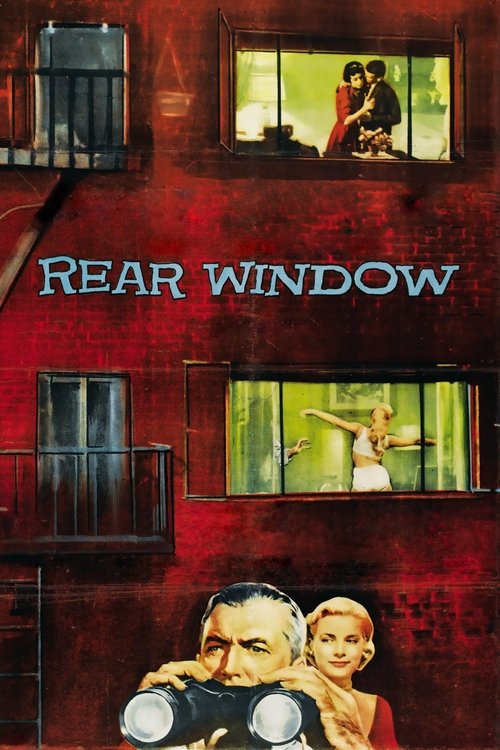
Rear Window - Ranking #2 Recommendation

Rear Window

⚡94% Match
Analog VoyeurismOptical ProstheticsDomestic SurveillanceSpatial Paranoia

Alfred Hitchcock turns a single Greenwich Village courtyard into a claustrophobic pressure cooker of curiosity and dread. Confined to a wheelchair with a broken leg, James Stewart's photojournalist uses his professional telephoto lens to peer inside neighboring apartments, slowly piecing together a domestic homicide. Hitchcock's spatial blocking and razor-sharp editing manipulate point-of-view with astonishing psychological intimacy. Decades before internet privacy debates surfaced, this picture established the foundational architecture of technological voyeurism. Stewart's camera lens functions as an analog precursor to modern webcams and digital snooping, showing how mechanical prosthetics amplify our basest impulses while detaching the observer from physical moral accountability.

3
Fight Club - Ranking #3 Recommendation

Fight Club

⚡92% Match
Cyber-AnarchyCentralized Data MainframesCorporate SabotageSystemic Collapse

David Fincher's anti-consumerist satire vibrates with caustic humor and abrasive stylistic flair, dissecting late-nineties male alienation through Edward Norton's deadpan narrator and Brad Pitt's charismatic soap salesman. Fincher employs flash cuts, fourth-wall breaks, and gritty urban textures to depict a psyche fracturing under corporate monotony. Beyond its subterranean brawls, the film accelerates toward a calculated act of cyber-economic terrorism. The climax abandons street fighting to orchestrate the demolition of credit agency mainframe hubs, targeting the centralized magnetic tapes that hold society's debt records hostage. It brilliantly weaponizes technological vulnerability, proving that wiping out data servers can topple an entire civilization faster than any conventional military assault.

4
Parasite - Ranking #4 Recommendation

Parasite

⚡90% Match
Smart Home VulnerabilityDigital BlackmailClass ConflictNetworked Paranoia

Bong Joon-ho's razor-edged social critique moves with surgical choreography, tracking an impoverished family that infiltrates a pristine, modernist mansion. The film shifts tones on a dime—effortlessly transitioning from buoyant con-artist farce into suffocating dread. Bong uses stark architecture, reflective glass, and vertical staging to externalize brutal economic divides without uttering a single preachiness trope. Its technological dread hinges on domestic connectivity and the weaponization of the smartphone. From poaching unsecured Wi-Fi signals on a toilet to the petrifying countdown of a video upload button that threatens mutually assured destruction, Bong shows how micro-technology mediates modern class conflict and instantaneous social ruin.

5
The Silence of the Lambs - Ranking #5 Recommendation
Forensic ProfilingNight-Vision AsymmetryInstitutional DatabasesPredatory Optics

Jonathan Demme delivers an unyielding study of institutional misogyny and procedural dread, propelled by Jodie Foster's steely vulnerability and Anthony Hopkins' chillingly refined sociopathy. Demme favors intense, direct-to-camera close-ups that trap the viewer in Clarice Starling's suffocating headspace as she navigates institutional corridors. The film functions as an early masterclass in forensic informational tradecraft. Its heart-stopping climax strips away the investigator's visual agency through Buffalo Bill's military-grade night-vision optics, flipping predatory sensory advantage upside down. Demme reveals how technological asymmetry transforms a simple basement into an inescapable slaughterhouse, setting a benchmark for sensory-deprivation suspense in criminal profiling cinema.

Stream Now (US)

Watch on Provider

6
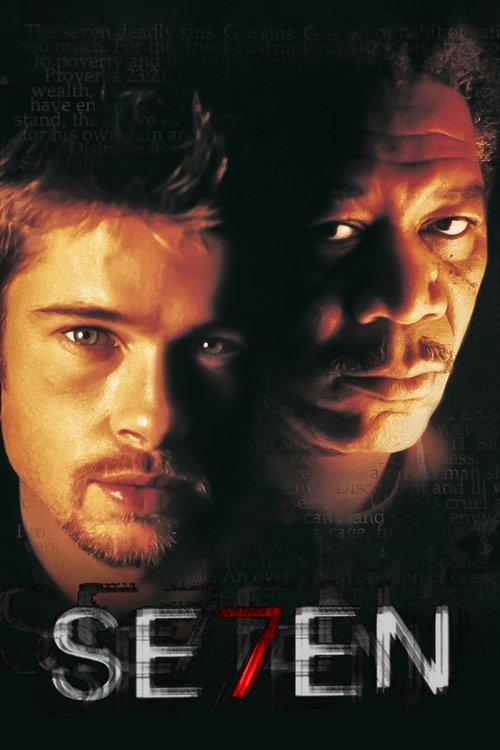
Se7en - Ranking #6 Recommendation

Se7en

⚡86% Match
Library Data ScrapingAnalog Information TrailsProcedural SurveillanceMoral Nihilism

David Fincher coats this rain-soaked metropolis in grime, rotting interiors, and biblical despair, pairing Brad Pitt's impulsive optimism against Morgan Freeman's weathered pragmatism. The atmosphere feels suffocatingly tactile, driven by Darius Khondji's shadow-drenched cinematography and Howard Shore's mournful score as the duo tracks a killer constructing homicidal moral tableaus. While overtly framed as a neo-noir detective procedural, the investigation hinges on high-level data surveillance. Long before public search engines dominated daily life, the detectives crack the killer's trail by clandestinely mining FBI library borrowing records. Fincher exposes the terrifying emergence of institutional data-scraping, demonstrating how informational footprints reveal our darkest obsessions to watchful government monitors.

7
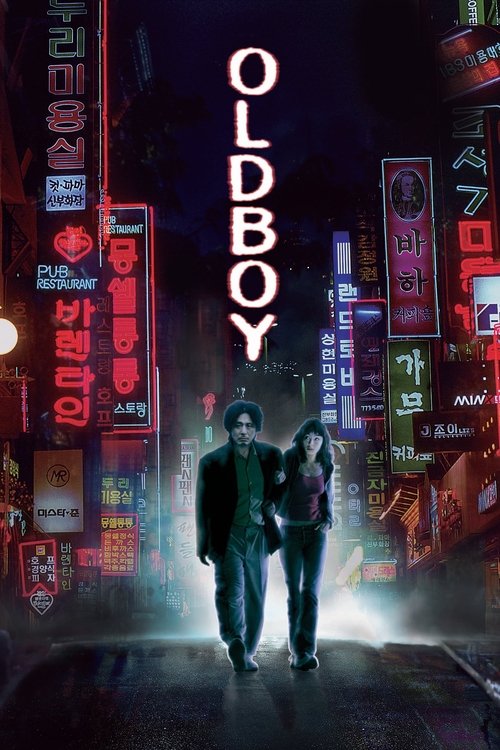
Oldboy - Ranking #7 Recommendation

Oldboy

⚡84% Match
Closed-Circuit CaptivityBehavioral EngineeringRemote ManipulationMediated Reality

Park Chan-wook crafts a ferocious revenge tragedy saturated with operatic grief, kinetic violence, and baroque visual style. Choi Min-sik gives an unhinged, physically punishing performance as Oh Dae-su, a man imprisoned in a nondescript hotel room for fifteen years with no explanation. Park balances brutal corridor combat with intricate narrative traps that shatter conventional revenge tropes. The terror stems from Dae-su's total subjugation to closed-circuit television and mediated reality. His captor orchestrates every sensory input, utilizing private remote-monitoring feeds and telephonic manipulation to puppet his victim's trauma. It functions as a harrowing study in behavioral engineering, showing how automated surveillance systems can methodically dismantle the human soul.

8
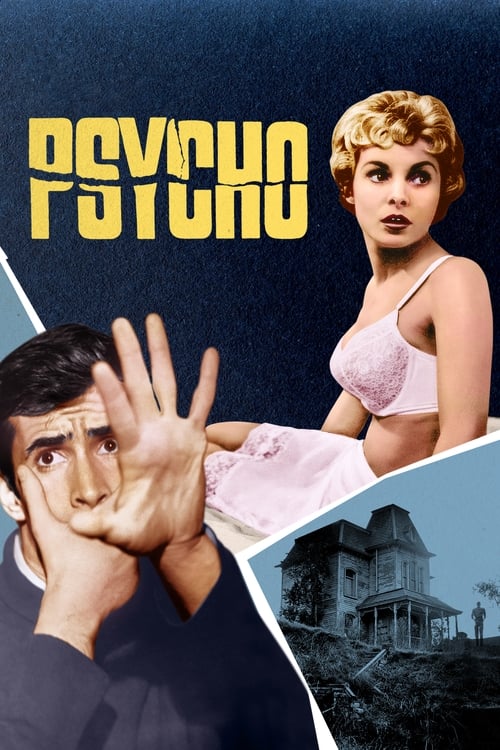
Psycho - Ranking #8 Recommendation

Psycho

⚡82% Match
Architectural VoyeurismMechanical IntrusionPredatory ObservationPsychological Fractures

Alfred Hitchcock shattered studio-era conventions with this ruthless exercise in misdirection, severing audience expectations by slaughtering his apparent lead halfway through. Shot on a frugal television budget, the film relies on Bernard Herrmann's screeching string score and sharp, rhythmic editing to transform a remote roadside motel into an enduring nightmare. Norman Bates' private office features the primitive mechanics of observation: a hidden peephole gouged through plaster to observe Marion Crane undressing. Hitchcock exposes the predatory core of optical intrusion, establishing how physical architectural technology enables illicit voyeurism. This mechanical invasion laid the conceptual groundwork for the camera-mediated voyeurism that defines contemporary tech thrillers.

Stream Now (US)

Watch on Provider
9
Pulp Fiction - Ranking #9 Recommendation

Pulp Fiction

⚡80% Match
Decentralized CommunicationPager LogisticsAnalog FragilityCriminal Networks

Quentin Tarantino upended narrative conventions through non-linear chronologies, crackling pop-culture dialogue, and casual depictions of criminal absurdity. John Travolta and Samuel L. Jackson inject hypnotic rhythm into hitmen navigating Los Angeles' underworld, backed by a soundtrack that revitalized retro surf rock. The tension operates entirely through fragile, decentralized communication. Pagers, payphones, and cryptic instructions delivered across analog lines trigger disastrous miscommunications, accidental discharges, and near-fatal overdoses. Tarantino captures the friction of low-tech operational management in crime syndicates, highlighting how split-second lapses in analog information delivery cause catastrophic chain reactions across intersecting criminal enterprises.

Stream Now (US)

Watch on Provider
10
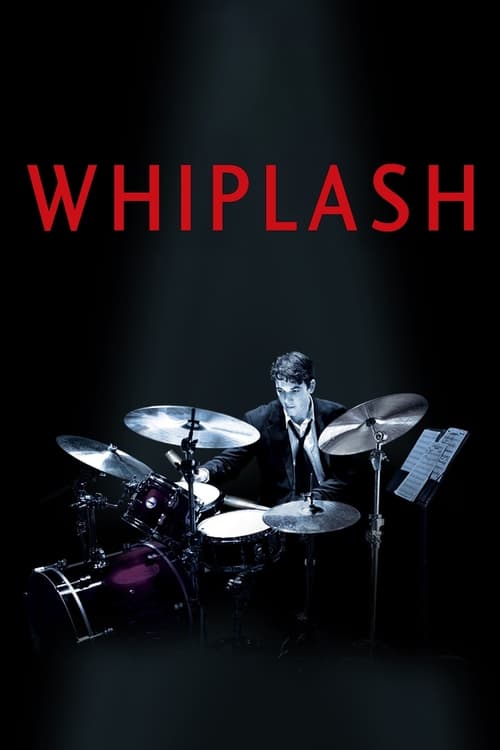
Whiplash - Ranking #10 Recommendation

Whiplash

⚡78% Match
Mechanical PrecisionMetronomic DehumanizationSystemic CalibrationEngineered Obsession

Damien Chazelle stages conservatory jazz education like an arena combat film, stripping away artistic romance in favor of blistered fingers, sweat, and psychological brutality. Miles Teller and J.K. Simmons lock into an electrifying power struggle where musical pedagogy curdles into sheer abuse. Chazelle's hyper-kinetic editing cuts between snapping drumsticks and metronomes with ferocious speed. Ranking as a thematic outlier, the film treats rhythm not as expressive art, but as an unforgiving, mechanical system of calibration. The metronomic drive forces human flesh to function with the relentless, error-free efficiency of automated machinery, interrogating the chilling intersection where human impulse is replaced by engineered execution.

⚡ At-A-Glance Comparison: Top Ranked Picks

Summary breakdown of release years, match DNA, and where to stream in the US.

RankMovie TitleYearThematic DNAWhere to Stream (US)
#1The Dark Knight2008
Mass SurveillanceSonar Eavesdropping
HBO Max Amazon Channel, YouTube TV
#2Rear Window1954
Analog VoyeurismOptical Prosthetics
YouTube TV, TCM
#3Fight Club1999
Cyber-AnarchyCentralized Data Mainframes
VOD / Digital
#4Parasite2019
Smart Home VulnerabilityDigital Blackmail
fuboTV, Paramount Plus Premium
#5The Silence of the Lambs1991
Forensic ProfilingNight-Vision Asymmetry
Amazon Prime Video, Peacock Premium
#6Se7en1995
Library Data ScrapingAnalog Information Trails
fuboTV, Paramount Plus Premium
#7Oldboy2003
Closed-Circuit CaptivityBehavioral Engineering
VOD / Digital
#8Psycho1960
Architectural VoyeurismMechanical Intrusion
Netflix, Peacock Premium
#9Pulp Fiction1994
Decentralized CommunicationPager Logistics
Amazon Prime Video, fuboTV
#10Whiplash2014
Mechanical PrecisionMetronomic Dehumanization
VOD / Digital

Frequently Asked Questions

Key answers for film lovers looking for titles like Top 10 Tech Thriller Movies (Ranked).

A tech thriller centers its primary suspense and conflict on the risks, ethical dilemmas, or catastrophic failures of technological systems, surveillance, or digital infrastructure. Unlike standard science fiction, it typically grounds its threats in plausible contemporary mechanics or near-future realities that directly imperil human autonomy.