Top 10 German War Tragedy Films hero banner

Top 10 German War Tragedy Films

Ranked from brutal realism to psychological ruin: the 10 greatest German war tragedy films that expose the devastating cost of conflict.

Cultural & MoodUpdated October 29, 2026

German cinema has long possessed an unrivaled ability to dissect the horrors of conflict, producing the top german war tragedy films that confront national guilt, catastrophic hubris, and personal ruin without flinching. From Weimar expressionism to modern historical reckonings, these works abandon glorification to expose the raw cost of militarism on both soldiers and civilians caught in the gears of total destruction.

What distinguishes these pictures is their refusal to offer easy catharsis or comfortable moral victories. Instead, they trap audiences in steel hulls, bombed-out bunkers, and surveillance-choked flats, demanding that we bear witness to the terrifying consequences of fanaticism and moral surrender.

Filter by Platform:
1
Das Boot - Ranking #1 Recommendation

Das Boot

⚡96% Match
Claustrophobic DreadNaval WarfareFutile Survival

Wolfgang Petersen confines viewers inside the rusted, creaking hull of U-96, capturing the psychological erosion of young submariners sent to slaughter. Jost Vacano’s handheld camerawork races through suffocatingly narrow corridors, while sound design turns every groaning rivet and pinging sonar echo into an omen of sudden drowning. Jürgen Prochnow plays the battle-weary captain with exhausted, moral detachment. Rather than heroic mythmaking, the film exposes the absolute futility of the German naval campaign. It stands at the apex of war tragedy by stripping away martial propaganda to reveal mechanized combat as an inescapable steel coffin, culminating in a bitter, devastating irony on dry land.

2
The Pianist - Ranking #2 Recommendation

The Pianist

⚡94% Match
Holocaust SurvivalArtistic ResilienceUrban Ruin

Roman Polanski reconstructs the liquidation of the Warsaw Ghetto through the eyes of classical musician Władysław Szpilman, brought to life by Adrien Brody in a performance of harrowing physical decay. Polanski rejects melodrama in favor of quiet, observational horror: an elderly man in a wheelchair pushed from a balcony, streets littered with abandoned luggage, and silent scavengers dodging sniper fire. Brody’s Szpilman survives not through heroism, but pure, humiliating circumstance. The picture anchors German wartime atrocity in intimate ruin, contrasting Chopin’s delicate nocturnes against the industrialized barbarism of the Third Reich to produce an agonizing portrait of cultural and human annihilation.

3
Downfall - Ranking #3 Recommendation

Downfall

⚡92% Match
Totalitarian CollapseBunker PsychologyHistorical Reckoning

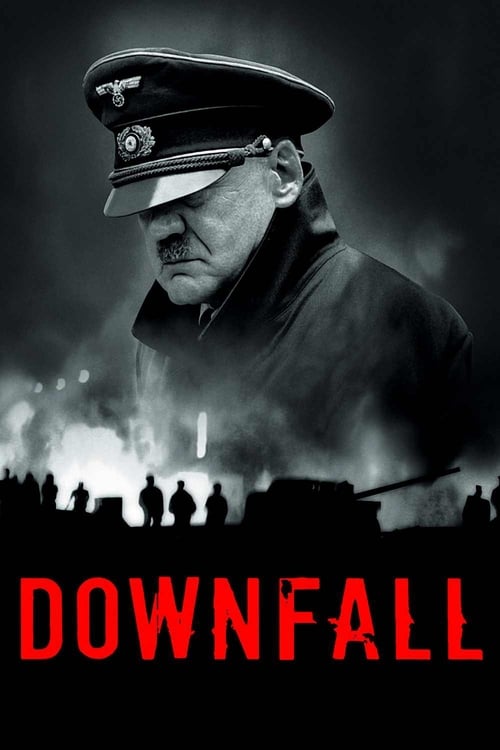
Oliver Hirschbiegel locks the camera inside Adolf Hitler’s subterranean bunker during the dying gasps of the Battle of Berlin in 1945. Bruno Ganz delivers a chilling portrait of monstrous delusion, portraying a trembling, paranoid dictator screaming orders to non-existent armies while artillery shatters the ceiling above. Hirschbiegel refuses to look away from the fanaticism poisoning the civilian population outside, where child soldiers face Soviet armor. By confronting the apocalyptic collapse of Nazi Germany from the inside out, the drama functions as an uncompromising post-mortem on ideological suicide, charting how an entire nation willingly followed its tyrant into total self-destruction.

Stream Now (US)

Watch on Provider
4
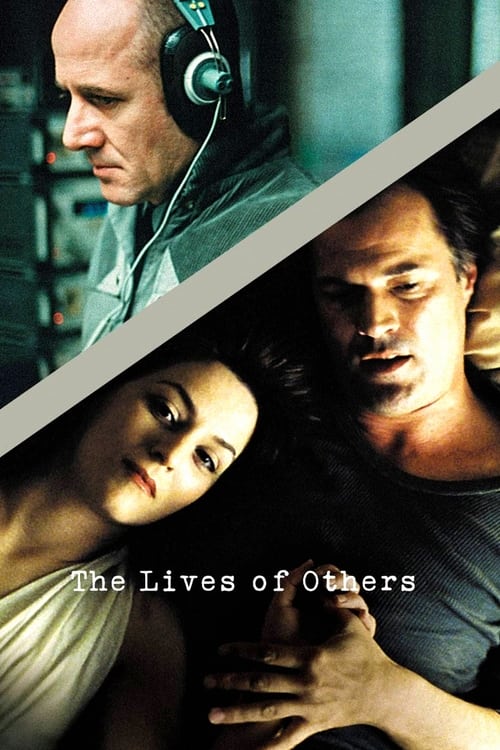
The Lives of Others - Ranking #4 Recommendation
Cold War EspionageMoral AwakeningState Surveillance

Florian Henckel von Donnersmarck crafts an icy, meticulous thriller centered on Gerd Wiesler, an East German Stasi interrogator tasked with eavesdropping on a dissident playwright and his partner. Ulrich Mühe brings profound stillness to Wiesler, whose stone-faced loyalty cracks as he spends days listening to classical music and fragile human warmth through headphones in a dusty attic. The Cold War here is not fought on muddy battlefields, but in private apartments and fractured souls. It reimagines the war tragedy format as an insidious domestic siege, tracing how surveillance, ideological betrayal, and state-sanctioned paranoia destroyed countless lives behind the Iron Curtain.

5
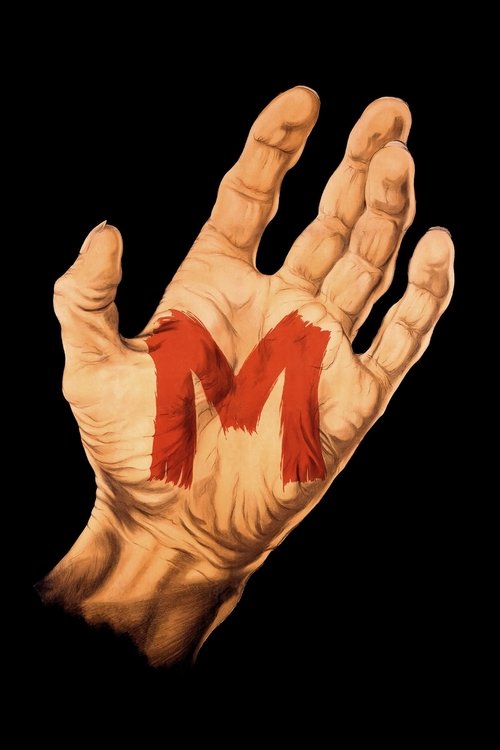
M - Ranking #5 Recommendation

M

⚡88% Match
Weimar ParanoiaPsychological DecayKangaroo Justice

Fritz Lang’s early sound landmark follows a serial child murderer hunted simultaneously by Berlin’s police force and the city’s organized criminal underworld. Peter Lorre turns in an electrifying performance as the pathetic, sweat-soaked monster trapped in the grip of uncontrollable impulse, famously pleading before a kangaroo court of thieves. Lang’s use of expressive shadows, rapid montage, and a recurring whistled tune creates an unbearable mood of civic dread. The film captures the moral vacuum of Weimar Germany just before the fascist takeover, acting as an eerily prescient tragedy about a crumbling society sliding uncontrollably toward totalitarian mob justice.

Stream Now (US)

Watch on Provider
6
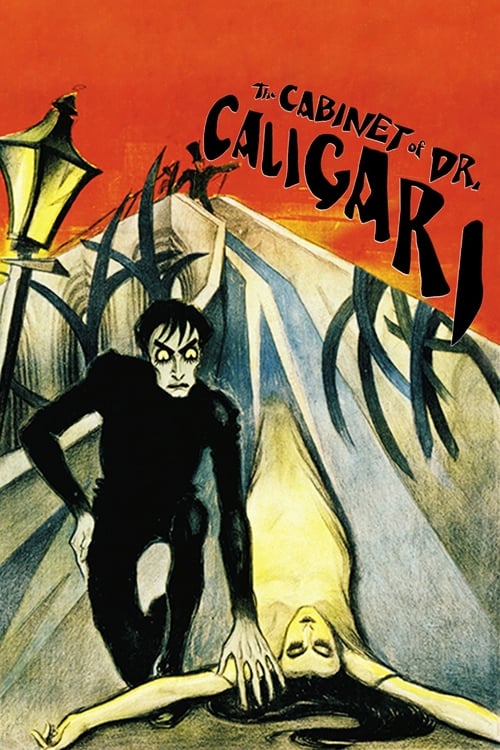
The Cabinet of Dr. Caligari - Ranking #6 Recommendation
Expressionist HorrorPost-WWI TraumaTyrannical Hypnosis

Robert Wiene’s silent horror milestone unfolds against twisted sets, jagged alleyways, and painted shadows that literalize acute psychiatric rupture. Werner Krauss plays the sinister carnival hypnotist who controls Cesare, a somnambulist used to commit murders under cover of darkness. The film’s distorted architectural angles mirrored the psychic mutilation of a generation shattered by the trenches of the First World War. It remains a foundational tragedy of wartime trauma, converting shell shock and militaristic coercion into visual nightmare while warning against tyrannical authority figures who send innocent youths blindly into lethal obedience.

7
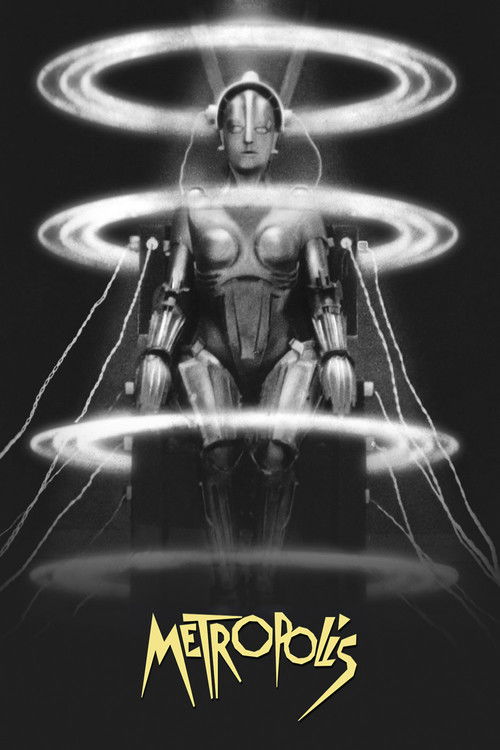
Metropolis - Ranking #7 Recommendation

Metropolis

⚡84% Match
Mechanized OppressionDystopian Class WarfareIndustrial Nightmare

Fritz Lang’s towering science-fiction vision splits humanity between pampered elites living in gleaming towers and subterranean laborers chained to monstrous, fire-breathing machines. Brigitte Helm commands the screen with a dual performance as the saintly Maria and her sinister mechanical double, driving the disenfranchised workers toward catastrophic flood and riot. Lang drew heavily on the mechanized butchery of the Great War, framing modern technology not as progress, but as an insatiable moloch devouring flesh. Its enduring status within tragic war cinema stems from its depiction of class conflict as a meat grinder born from wartime industrialization.

8
Paris, Texas - Ranking #8 Recommendation

Paris, Texas

⚡82% Match
Emotional DesolationPost-War MelancholySpiritual Exile

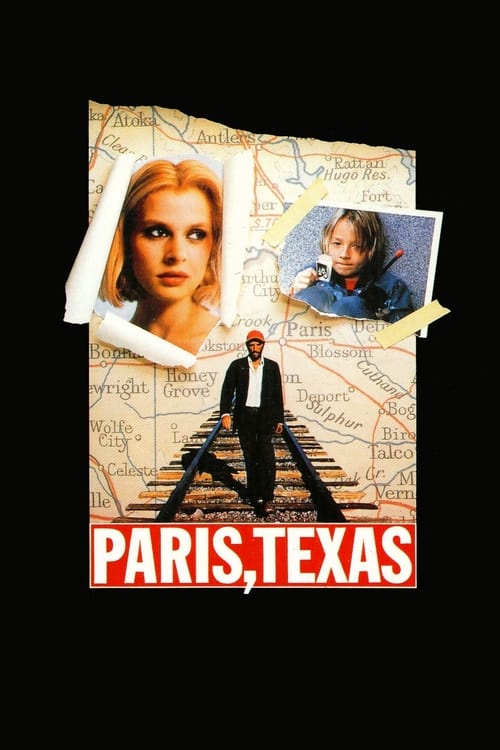
Wim Wenders strips down the American road movie to track Travis Henderson, a mute wanderer who emerges from the scorched Mojave Desert seeking to piece together his shattered family. Robby Müller’s sun-drenched cinematography contrasts against Ry Cooder’s haunting bottleneck guitar, establishing a landscape of profound spiritual isolation. Harry Dean Stanton gives the performance of his career as a man hollowed out by emotional ruin. While set far from traditional battlefields, Wenders’ German auteur perspective channels post-war melancholy, examining personal wreckage and psychological exile through the lens of a generation perpetually detached from home and reconciliation.

Stream Now (US)

Watch on Provider
9
Freedom Writers - Ranking #9 Recommendation

Freedom Writers

⚡80% Match
Historical EmpathyGenerational TraumaClassroom Activism

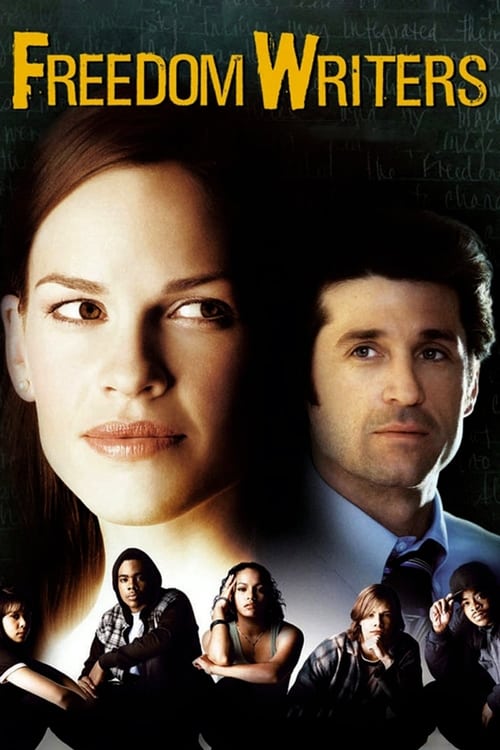
Richard LaGravenese dramatizes the true story of Erin Gruwell, an idealistic high school teacher in Long Beach who uses the historical weight of the Holocaust to connect with gang-entrenched youth. Hilary Swank leads an ensemble cast of young performers who reveal their daily exposure to racial hostility and urban violence through handwritten diaries. The film directly draws its power from the lingering scars of WWII, using the memory of Anne Frank to bridge historical genocide with modern disenfranchised survival. It operates on the periphery of the war tragedy canon by showing how the memory of wartime horror can awaken empathy and resilience in traumatized communities.

10
The Uprising - Ranking #10 Recommendation

The Uprising

⚡78% Match
Peasant RebellionFeudal BrutalityAsymmetric Warfare

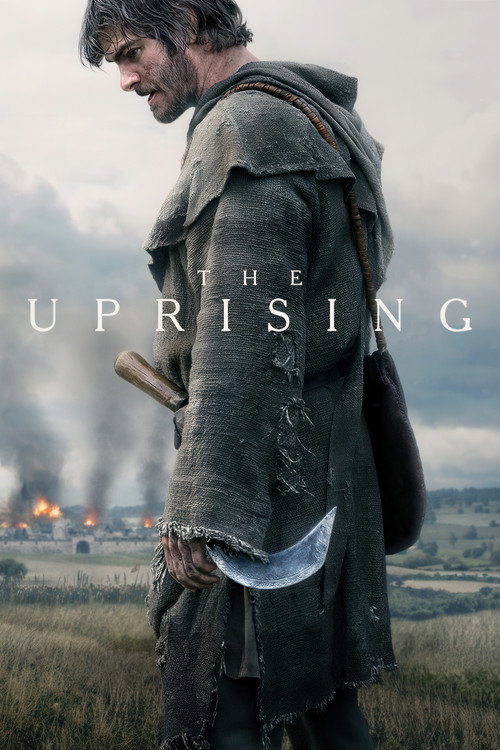
This raw historical drama strips romanticism away from feudal combat, following medieval peasants driven to armed rebellion by crippling taxation, war, and the plague. Grimy handheld cinematography plunges into the mud alongside desperate farmers wielding scythes and pitchforks against heavily armored knights. The production eschews heroic triumph to emphasize the brutal asymmetry of medieval warfare, where populist hope meets ruthless slaughter. Acting as an uncompromising outlier in historical conflict cinema, the narrative captures the cyclical cruelty of war where the lower classes invariably bear the lethal costs of aristocratic squabbling.

⚡ At-A-Glance Comparison: Top Ranked Picks

Summary breakdown of release years, match DNA, and where to stream in the US.

RankMovie TitleYearThematic DNAWhere to Stream (US)
#1Das Boot1981
Claustrophobic DreadNaval Warfare
fuboTV
#2The Pianist2002
Holocaust SurvivalArtistic Resilience
Peacock Premium, Lionsgate+ Amazon Channel
#3Downfall2004
Totalitarian CollapseBunker Psychology
Amazon Prime Video, Amazon Prime Video with Ads
#4The Lives of Others2006
Cold War EspionageMoral Awakening
VOD / Digital
#5M1931
Weimar ParanoiaPsychological Decay
HBO Max Amazon Channel, Criterion Channel
#6The Cabinet of Dr. Caligari1920
Expressionist HorrorPost-WWI Trauma
fuboTV, Philo
#7Metropolis1927
Mechanized OppressionDystopian Class Warfare
fuboTV, Brew
#8Paris, Texas1984
Emotional DesolationPost-War Melancholy
fuboTV, HBO Max Amazon Channel
#9Freedom Writers2007
Historical EmpathyGenerational Trauma
VOD / Digital
#10The Uprising2026
Peasant RebellionFeudal Brutality
VOD / Digital

Frequently Asked Questions

Key answers for film lovers looking for titles like Top 10 German War Tragedy Films.

These films typically reject heroic mythmaking in favor of unflinching psychological realism, moral ambiguity, and the devastating consequences of totalitarianism. They examine conflict from the perspective of systemic collapse, civilian trauma, and the personal guilt of soldiers ensnared in unjust campaigns.