Top 10 Japanese Psychological Horror Films hero banner

Top 10 Japanese Psychological Horror Films

Explore the definitive ranking of top Japanese psychological horror films, from Kiyoshi Kurosawa's Cure to atmospheric postwar classics.

Cultural & MoodUpdated October 29, 2026

Navigating the landscape of top japanese psychological horror films requires confronting an aesthetic defined by ambient dread rather than cheap jump scares. Japanese filmmakers have long recognized that true terror festers within unresolved trauma, existential isolation, and the slow fracturing of the human psyche. Instead of relying on visceral splatter, these works weaponize negative space, sound design, and moral ambiguity to turn everyday environments into suffocating chambers of mental collapse.

From the hypnotic procedural despair of late-nineties J-horror to the folklore-steeped anxieties of mid-century cinema, this curation examines how Japanese storytellers probe guilt and fractured identity. Whether addressing societal decay, survivor's guilt, or the corrupting reach of unseen malice, each title selected redefines psychological terror by turning the camera inward onto human frailty.

Filter by Platform:
1
Cure - Ranking #1 Recommendation

Cure

⚡96% Match
Hypnotic SuggestionSocietal AlienationExistential Void

Kiyoshi Kurosawa crafts an unsettling masterclass in ambient terror with his story of a weary detective investigating bizarre serial murders committed by ordinary citizens who bear no recollection of their acts. Shot with detached, clinical precision, the film relies on mundane compositions and droning background soundscapes to depict an amnesiac drifter who nudges strangers into releasing their repressed violent urges. It stands as a towering pillar of psychological dread by turning murder into a transferable cognitive contagion, stripping away rational police procedural tropes to show how thin the veneer of civilized sanity truly is.

2
Onibaba - Ranking #2 Recommendation

Onibaba

⚡94% Match
Primal JealousySwamp ClaustrophobiaDehumanizing Survival

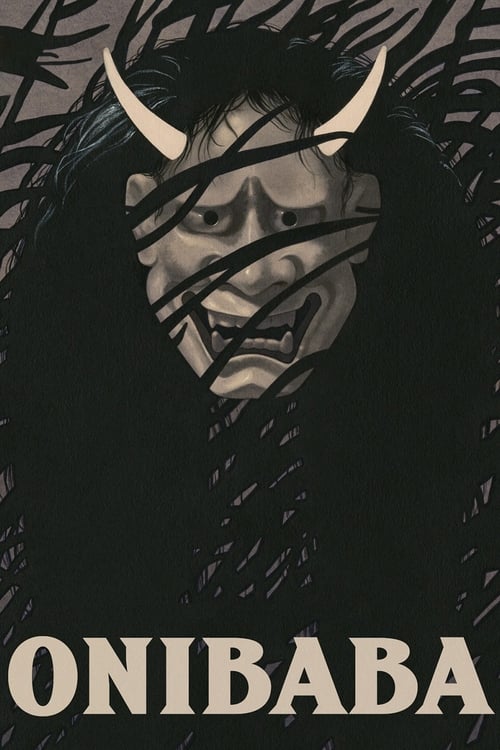
Kaneto Shindo plunges viewers into a wind-whipped sea of towering susuki grass where two destitute peasant women survive wartime starvation by butchering lost samurai and trading their armor for millet. Driven by raw carnality, the narrative curdles when the younger woman begins a frantic affair with a scarred neighbor, driving the mother-in-law toward a feverish deception using an unpeeled demon mask. The film works as a searing psychological nightmare by transforming the swaying wilderness into an externalization of sexual jealousy, moral rot, and the soul-destroying wages of war-torn isolation.

Stream Now (US)

Watch on Provider
3
Kwaidan - Ranking #3 Recommendation

Kwaidan

⚡92% Match
Spectral KarmaAesthetic DreadFolklore Surrealism

Masaki Kobayashi treats traditional ghost stories with austere theatrical staging, painting four distinct folk tales in hand-painted studio sets bathed in painterly, unnatural colors. Each vignette focuses on an individual trapped by personal weakness, from an impoverished swordsman haunted by the hair of his abandoned wife to a blind lute player singing ballads to spectral warriors who slowly siphon his life. Kobayashi's deliberate pacing transforms supernatural folklore into an agonizing internal trial, demonstrating that the most relentless hauntings originate from broken vows, vanity, and the unbearable weight of personal guilt.

Stream Now (US)

Watch on Provider
4
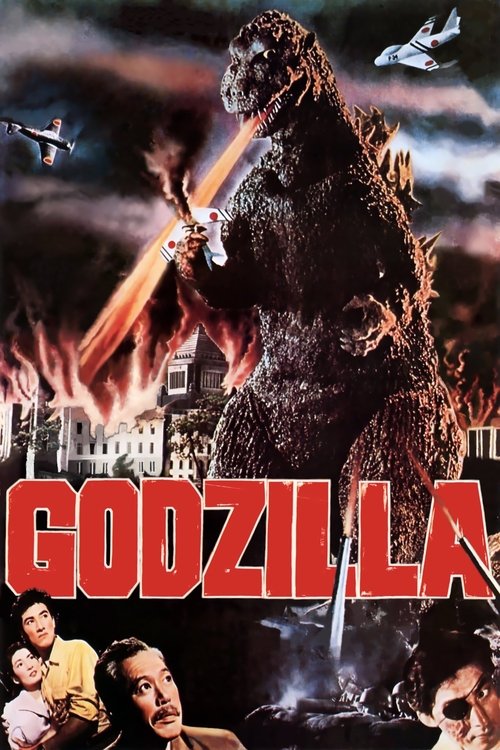
Godzilla - Ranking #4 Recommendation

Godzilla

⚡90% Match
Nuclear TraumaExistential DreadNational Grief

Ishirō Honda's original creature feature is far from a frivolous monster clash; it is a bleak, monochrome funeral dirge for a nation still recovering from atomic ruin. When a prehistoric titan awakened by hydrogen bomb tests obliterates Tokyo, the story pivots on the harrowing moral agony of Dr. Serizawa, a scientist terrified that his own devastating chemical creation could unleash worse horrors on mankind. By framing the monster as an inescapable walking apocalypse, Honda tapped directly into unresolved wartime trauma, establishing a profound template of collective dread and existential angst.

Stream Now (US)

Watch on Provider
5
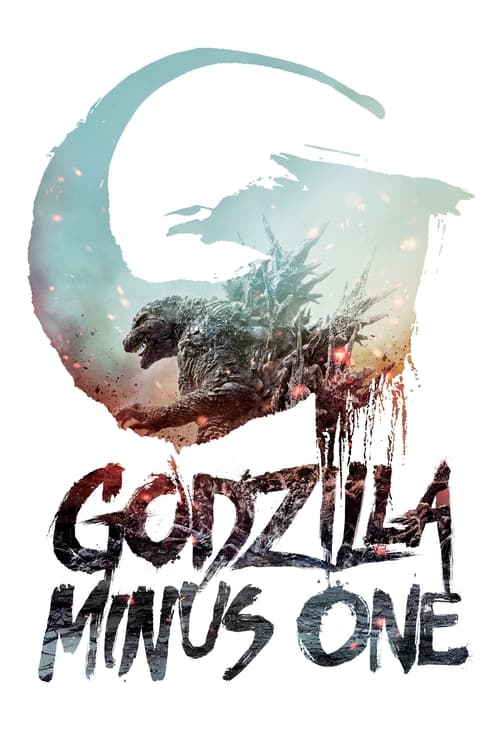
Godzilla Minus One - Ranking #5 Recommendation

Godzilla Minus One

⚡88% Match
Survivor's GuiltPostwar DespairMoral Reclamation

Takashi Yamazaki grounds his kaiju spectacle in raw postwar destitution, following a disgraced kamikaze pilot paralyzed by cowardice and survivor's guilt amidst the rubble of ruined Tokyo. When an emergent leviathan threatens an already broken populace denied state protection, the battle becomes an urgent pursuit of spiritual absolution rather than mere survival. The film earns its psychological weight by treating its central threat as the literalized manifestation of internal post-traumatic stress, forcing its characters to overcome psychic paralyzation through communal solidarity and unyielding self-worth.

Stream Now (US)

Watch on Provider
6
Vampire Hunter D: Bloodlust - Ranking #6 Recommendation
Gothic IsolationTragic ObsessionMelancholic Terror

Yoshiaki Kawajiri elevates dark anime fantasy into an exquisite, melancholic descent through a dying frontier ruled by fading aristocratic vampires and mercenary wanderers. The narrative centers on D, a half-human dhampir hired to retrieve an heiress whose apparent abduction hides a genuine, doomed romance with a noble bloodsucker. Beyond its kinetic action, the picture leans heavily into psychological horror through themes of eternal solitude, genetic self-hatred, and the tragic inevitability of monstrous desire, crafting a haunting mood where beauty and rot exist in unbroken harmony.

7
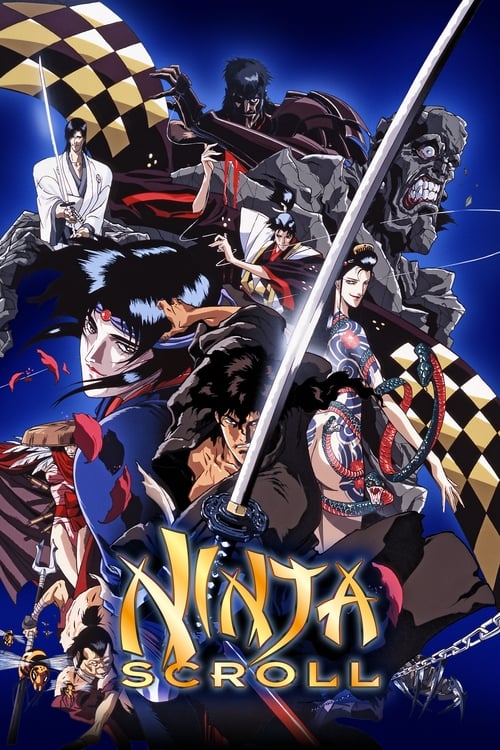
Ninja Scroll - Ranking #7 Recommendation

Ninja Scroll

⚡84% Match
Corporeal ParanoiaDemonic CorruptionRuthless Fatalism

Yoshiaki Kawajiri's relentless feudal action piece follows wanderer Jubei Kibagami as he becomes ensnared in a web of horrific assassinations orchestrated by eight demonic warriors gifted with bizarre physical mutations. The narrative bristles with claustrophobic tension as Jubei is infected with a slow-acting poison, forcing him into violent confrontations while his own body systematically fails him. It skirts psychological terror through its depiction of grotesque body horror, ruthless sadism, and the mental degradation that accompanied the cutthroat realpolitik of Japan's Sengoku period.

8
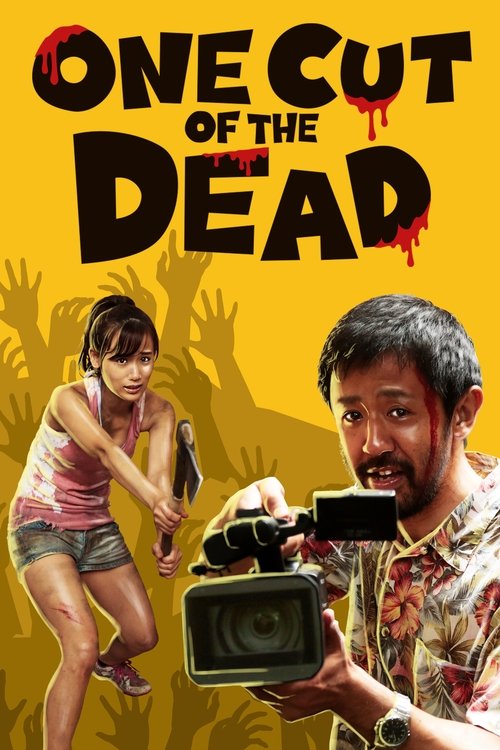
One Cut of the Dead - Ranking #8 Recommendation
Creative PanicMeta-Terror SubversionChaotic Hysteria

Shin'ichiro Ueda turns low-budget zombie tropes inside out, opening with an uninterrupted, manic single-take massacre inside an abandoned water filtration facility before pulling the curtain back entirely. What begins as an apparently amateurish bloodbath morphs into an ingenious dissection of chaotic micro-budget filmmaking, creative exhaustion, and panic-driven problem solving. The film operates as an inspired, comedic subversion of psychological horror, turning the dread of creative failure, logistical disaster, and artistic compromise into a cathartic celebration of resilience under extreme, self-inflicted pressure.

9
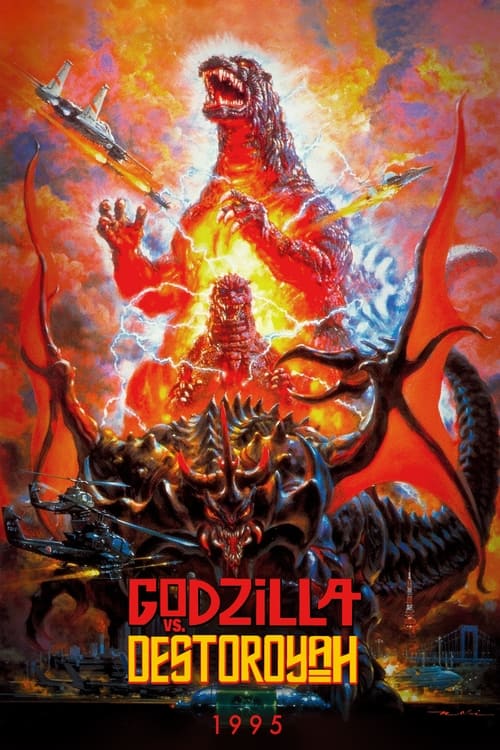
Godzilla vs. Destoroyah - Ranking #9 Recommendation
Terminal MeltdownApocalyptic DreadBiological Mutation

Takao Okawara delivers a surprisingly somber end to the Heisei era, picturing the King of the Monsters on the brink of an inevitable nuclear meltdown that will scorch the globe. Compounding this catastrophic countdown is the emergence of Destoroyah, a demonic swarm born from the Weapon of Mass Destruction used in 1954, directly forcing humanity to confront its past hubris. The narrative generates psychological unease by shifting focus to impending planetary annihilation and the agonizing body horror of a dying icon, lending poignant dread to an apocalyptic showdown.

10
Dollhouse - Ranking #10 Recommendation

Dollhouse

⚡78% Match
Maternal GriefUncanny PhantasmDomestic Haunting

Director Pierre Tsigaridis examines the suffocating grief of a mourning mother who replaces her lost child with an uncanny, antique Japanese doll found in an obscure market. As an adopted newborn arrives in the household, the inanimate relic seemingly exudes a silent, vindictive authority that fractures the family's fragile stability. While uneven in its execution, the film fits this critical spectrum by exploring the uncanny valley of domestic grief, charting how unaddressed loss can twist an ordinary mind into welcoming malevolent illusions over difficult reality.

⚡ At-A-Glance Comparison: Top Ranked Picks

Summary breakdown of release years, match DNA, and where to stream in the US.

RankMovie TitleYearThematic DNAWhere to Stream (US)
#1Cure1997
Hypnotic SuggestionSocietal Alienation
VOD / Digital
#2Onibaba1964
Primal JealousySwamp Claustrophobia
HBO Max Amazon Channel, HBO Max
#3Kwaidan1965
Spectral KarmaAesthetic Dread
HBO Max Amazon Channel, Criterion Channel
#4Godzilla1954
Nuclear TraumaExistential Dread
HBO Max Amazon Channel, Criterion Channel
#5Godzilla Minus One2023
Survivor's GuiltPostwar Despair
Netflix, Netflix Standard with Ads
#6Vampire Hunter D: Bloodlust2001
Gothic IsolationTragic Obsession
VOD / Digital
#7Ninja Scroll1993
Corporeal ParanoiaDemonic Corruption
HiDive, Hidive Amazon Channel
#8One Cut of the Dead2017
Creative PanicMeta-Terror Subversion
Philo, AMC Plus Apple TV channel
#9Godzilla vs. Destoroyah1995
Terminal MeltdownApocalyptic Dread
VOD / Digital
#10Dollhouse2025
Maternal GriefUncanny Phantasm
VOD / Digital

Frequently Asked Questions

Key answers for film lovers looking for titles like Top 10 Japanese Psychological Horror Films.

Japanese psychological horror prioritizes lingering atmospheric dread, psychological suggestion, and unresolved existential despair over violent climaxes and sudden jump scares. It frequently mirrors societal anxieties, domestic alienation, and unresolved spiritual guilt.