Top 10 Japanese Slice Of Life Films hero banner

Top 10 Japanese Slice Of Life Films

Discover the top Japanese slice of life films, ranked by critical acclaim. From quiet anime domesticity to postwar existential dramas, explore cinema's finest.

Cultural & MoodUpdated October 29, 2026

Curating the top japanese slice of life films requires understanding that Japanese cinema treats the ordinary not as empty filler, but as the emotional bedrock of human experience. Where Western storytelling often relies on hyper-kinetic conflict, Japanese filmmakers draw unmatched power from unhurried domestic routines, fading afternoon light, and unspoken glances across dinner tables. This tradition elevates the mundane into something profound, examining how people navigate grief, community, and passing time.

What unifies these selections is their radical patience with character and setting. Whether chronicling a bureaucrat discovering mortality over tea, a young mother grinding barley in a secluded mountain village, or high schoolers wrestling with the quiet mortification of adolescence, these works capture the fleeting beauty of everyday life. This ranking celebrates the landmark releases that perfected the art of finding eternity inside ordinary moments.

Filter by Platform:
1
Ikiru - Ranking #1 Recommendation

Ikiru

⚡96% Match
Bureaucratic AlienationExistential MortalityPostwar Urban Isolation

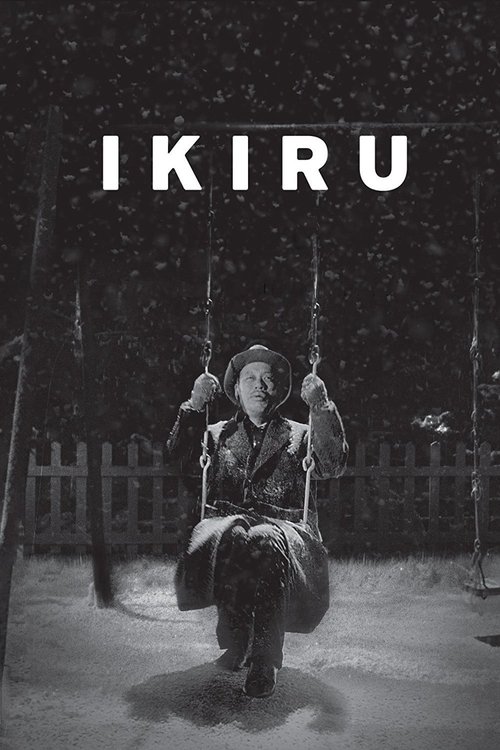
Akira Kurosawa strips away samurai swords and grand spectacle to focus on Kanji Watanabe, a desiccated Tokyo paper-pusher who discovers he has terminal stomach cancer. Takashi Shimura gives an unforgettable, hollow-eyed performance as a man realizing thirty years of stamping documents amounted to nothing. Kurosawa divides the narrative between Watanabe's frantic search for earthly pleasure and the quiet, posthumous realization of what he built. It anchors its power in the soul-crushing doldrums of municipal bureaucracy, transforming the mundane administrative chore of building a neighborhood playground into an act of transcendent grace. It stands as cinema's definitive study of how routine shapes mortal consequence.

Stream Now (US)

Watch on Provider

2
Grave of the Fireflies - Ranking #2 Recommendation
Wartime DomesticitySibling DevotionSensory Realism

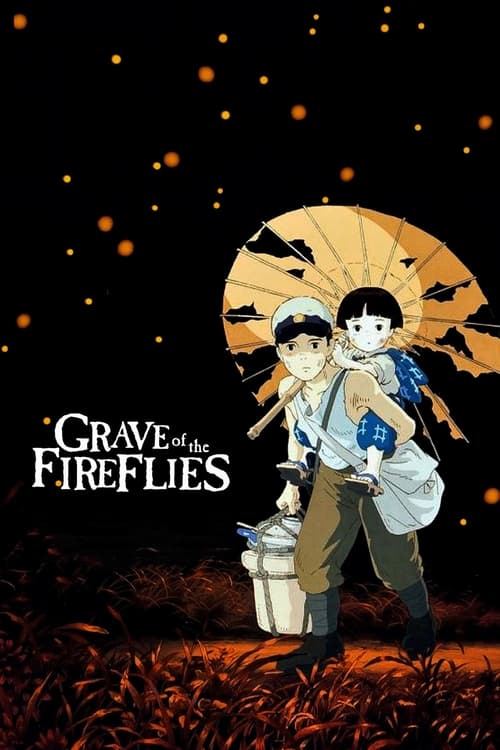
Isao Takahata approaches Akiyuki Nosaka’s semi-autobiographical novella with unflinching documentary sobriety, following two orphaned siblings struggling to survive during the firebombing of Kobe. Rather than dramatizing military maneuvers, Takahata trains his lens on domestic survival: rinsing rice with dwindling rations, catching fireflies to illuminate a dark shelter, and sharing drops of melted fruit drops. The film’s raw emotional devastation stems precisely from its hyper-fixation on childhood domesticity amidst ruin. By grounding wartime tragedy in the tactile rituals of sibling care and physical decay, it proves that the quietest domestic routines carry the heaviest historical weight.

Stream Now (US)

Watch on Provider
3
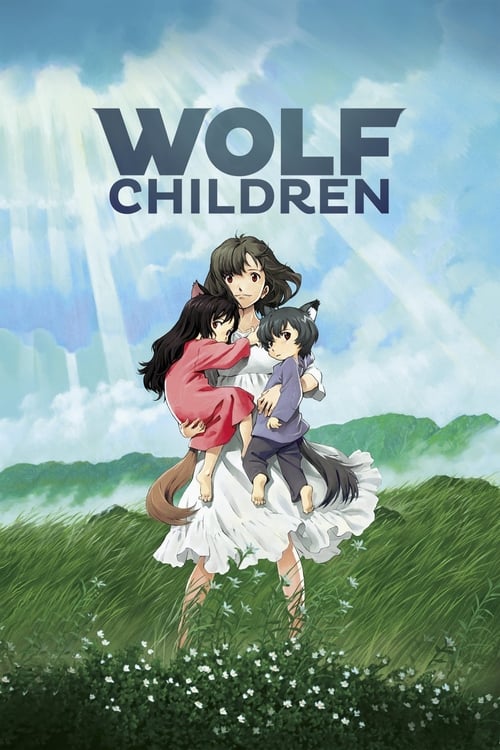
Wolf Children - Ranking #3 Recommendation

Wolf Children

⚡92% Match
Rural IsolationMatricentric DevotionPastoral Domesticity

Mamoru Hosoda approaches fantasy through the patient lens of agrarian realism, charting Hana’s grueling journey as a widowed mother raising half-wolf toddlers in isolated rural Toyama. Hosoda foregoes sweeping magical conflicts to obsess over the physical labor of motherhood: weeding vegetable patches, repairing sliding paper doors ruined by claws, and negotiating frosty relations with suspicious elderly neighbors. The film succeeds because it treats the supernatural with gentle pastoral pragmatism. It is an extraordinary portrait of daily domestic endurance, capturing how seasons change, children drift toward independence, and a mother's quiet routine becomes her greatest expression of love.

Stream Now (US)

Watch on Provider
4
A Silent Voice: The Movie - Ranking #4 Recommendation
Adolescent AtonementSocial ClaustrophobiaDisability & Empathy

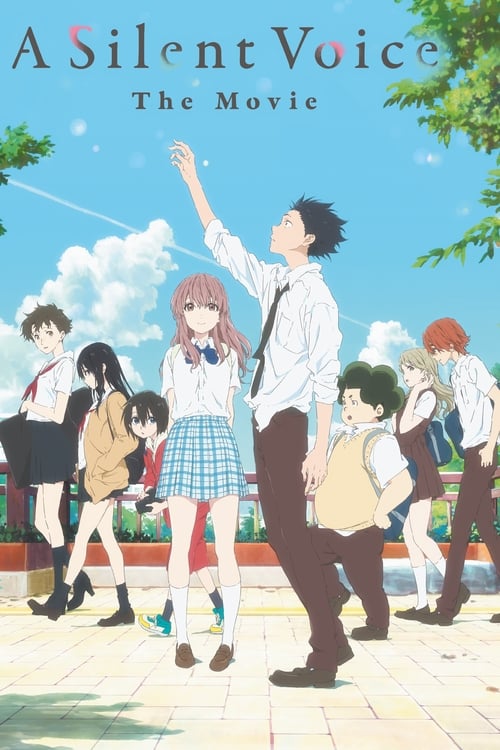
Naoko Yamada crafts a deeply vulnerable exploration of guilt and adolescent alienation, tracking reformed bully Shoya Ishida as he attempts to make amends with Shoko Nishimiya, the deaf classmate he tormented in elementary school. Yamada’s direction thrives on intimate visual framing, often obscuring faces with big blue crosses or focusing on twitching sneakers and nervous hand gestures to communicate crippling social anxiety. The narrative excels because it lives entirely inside the quiet awkwardness of high school corridors, bridge conversations, and bread-feeding sessions by the koi pond. It transforms the agonizingly slow cadence of daily teenage repentance into deeply moving emotional territory.

5
Your Name. - Ranking #5 Recommendation

Your Name.

⚡88% Match
Rural-Urban DualityTemporal LongingTactile Adolescence

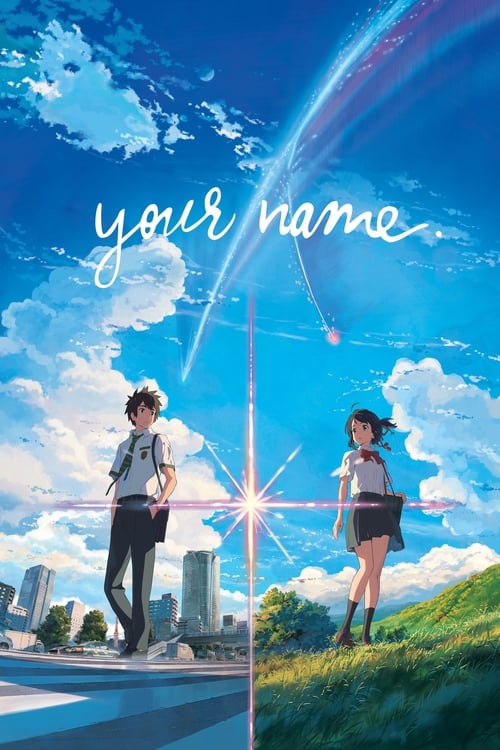
Makoto Shinkai anchors a high-concept body-swapping cosmic romance in the grounded, rhythmic contrasts between rural shrine duties and urban high school commutes. Mitsuha longs for Tokyo's bustling cafes, while Taki struggles to manage her family's Shinto weaving rituals and lake-town customs. Shinkai’s hyper-detailed animation turns commuter trains, bento preparations, and chalkboards into luminous visual poetry. Even as comet impacts and fractured timelines enter the picture, the emotional gravity remains anchored to the sensory details of day-to-day teenage living. It elevates modern teenage slice-of-life staples into an operatic meditation on memory, longing, and transient connections.

Stream Now (US)

Watch on Provider
6
Seven Samurai - Ranking #6 Recommendation

Seven Samurai

⚡86% Match
Agrarian CommunalismFeudal Class DivisionTactical Survivalism

Beneath its legendary status as the template for modern ensemble action, Akira Kurosawa’s monumental epic spends the vast majority of its three-hour runtime observing 16th-century peasant farming life. The real drama hinges not on swordplay, but on harvesting barley, fortifying bamboo fences, rationing handfuls of millet, and bridging the bitter class gulf between starving farmers and wandering mercenaries. Kurosawa embeds the viewer in the dirt, rain, and communal anxiety of village survival. By filtering heroic myth through the grueling, repetitive labor of agricultural routine, it demonstrates that community defense is fundamentally an extension of agrarian daily life.

Stream Now (US)

Watch on Provider
7
Harakiri - Ranking #7 Recommendation

Harakiri

⚡84% Match
Ritual DeconstructionFeudal ImpoverishmentBureaucratic Cruelty

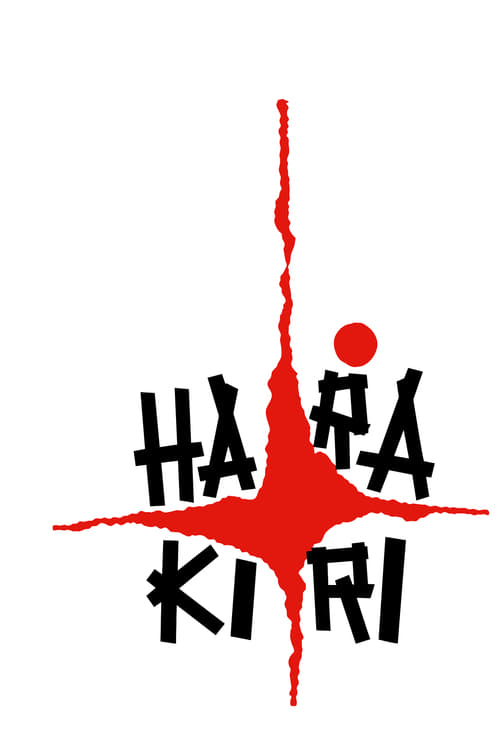
Masaki Kobayashi weaponizes rigid ceremonial protocol in this scalding critique of samurai mythology, framing Tsugumo Hanshiro’s plea for ritual suicide as a calculated indictment of a corrupt clan. Shot in stark, symmetrical black-and-white, Kobayashi's camera lingers on courtyard stones, tea cups, and formal bowing to expose the hollow rot of Edo-era bureaucracy. The film's gut-wrenching core lies in flashbacks showing Tsugumo's desperate, poverty-stricken domestic life—crafting bamboo umbrellas to afford medicine for his dying grandchild. It subverts the honorable warrior myth by showing how everyday economic deprivation and domestic desperation crush the working class under rigid feudal dogma.

8
High and Low - Ranking #8 Recommendation

High and Low

⚡82% Match
Class SegregationProcedural MeticulousnessCorporate Moral Dilemma

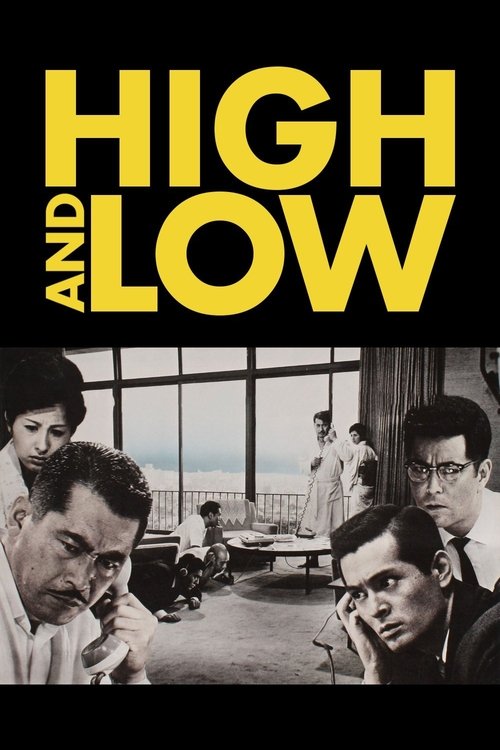
Akira Kurosawa splits this gripping moral drama into two distinct halves, beginning as a claustrophobic parlor piece inside an executive’s hilltop mansion before descending into the sweltering, drug-addled slums of postwar Yokohama. Toshiro Mifune brings immense ethical weight to Kingo Gondo, an industrialist forced to bankrupt his shoe empire to pay ransom for his chauffeur’s kidnapped son. Kurosawa grounds the crime procedural in meticulous workplace realities: cutting shoe leather, studying train commuter routes, and tracing market transactions. It uses mundane investigative legwork and corporate maneuvers to map out the economic disparities defining modern urban life.

Stream Now (US)

Watch on Provider
9
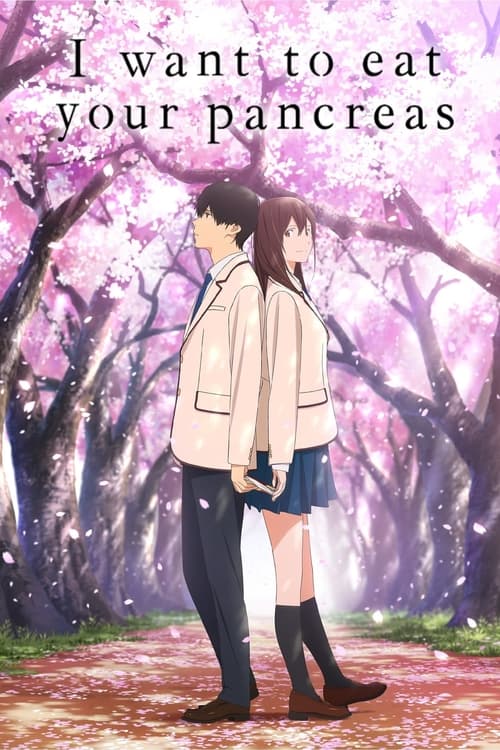
I Want to Eat Your Pancreas - Ranking #9 Recommendation
Terminal MelancholySchoolyard IntimacyTransience of Youth

Shinichirou Ushijima resists typical melodramatic traps by filtering a fatal illness narrative through a mismatched high school friendship. An unnamed, aloof bookworm accidentally discovers that popular, vivacious classmate Sakura Yamauchi has terminal pancreatic disease, prompting her to draft him into finishing her bucket list. The animation focuses heavily on quiet library shifts, train rides to Fukuoka, and halting hotel room conversations. By refusing overt tear-jerking theatrics for most of its runtime, the film lets mundane interactions do the heavy lifting. It builds its emotional wallop out of the unpretentious, quiet afternoons shared between two introverted souls facing an unyielding clock.

10
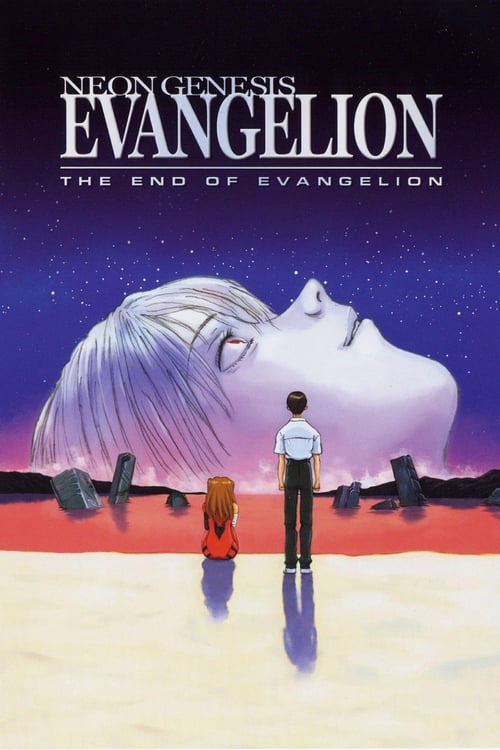
Neon Genesis Evangelion: The End of Evangelion - Ranking #10 Recommendation
Psychic DisintegrationApocalyptic DeconstructionInterpersonal Dread

Hideaki Anno’s psychological finale violently deconstructs the mecha genre by dragging cosmic apocalypse down into the miserable psychological inertia of Shinji Ikari’s bedroom. Rather than offering conventional apocalyptic spectacle, Anno lingers on the agonizing silence of hospital rooms, spilled coffee, and paralyzing teenage depression before the world dissolves into primordial soup. The film operates as an anti-slice-of-life: it exposes how the inability to endure mundane interpersonal friction leads to catastrophic escapism. By weaponizing everyday adolescent neuroses on a planetary scale, it stands as an uncompromising, visceral inversion of everyday social coping.

Stream Now (US)

Watch on Provider
⚡ At-A-Glance Comparison: Top Ranked Picks

Summary breakdown of release years, match DNA, and where to stream in the US.

RankMovie TitleYearThematic DNAWhere to Stream (US)
#1Ikiru1952
Bureaucratic AlienationExistential Mortality
HBO Max Amazon Channel, Criterion Channel
#2Grave of the Fireflies1988
Wartime DomesticitySibling Devotion
Netflix, Netflix Standard with Ads
#3Wolf Children2012
Rural IsolationMatricentric Devotion
HBO Max Amazon Channel, HBO Max
#4A Silent Voice: The Movie2016
Adolescent AtonementSocial Claustrophobia
Crunchyroll, Crunchyroll Amazon Channel
#5Your Name.2016
Rural-Urban DualityTemporal Longing
HBO Max Amazon Channel, HBO Max
#6Seven Samurai1954
Agrarian CommunalismFeudal Class Division
HBO Max Amazon Channel, HBO Max
#7Harakiri1962
Ritual DeconstructionFeudal Impoverishment
Criterion Channel
#8High and Low1963
Class SegregationProcedural Meticulousness
HBO Max Amazon Channel, HBO Max
#9I Want to Eat Your Pancreas2018
Terminal MelancholySchoolyard Intimacy
VOD / Digital
#10Neon Genesis Evangelion: The End of Evangelion1997
Psychic DisintegrationApocalyptic Deconstruction
Netflix, Criterion Channel

Frequently Asked Questions

Key answers for film lovers looking for titles like Top 10 Japanese Slice Of Life Films.

The genre focuses on naturalistic pacing, unhurried domestic routines, and the emotional texture of everyday living rather than melodramatic plot machinery. It frequently channels the aesthetic concept of mono no aware, finding beauty in transience and quiet human connections.