Top 10 Korean Psychological Horror Films hero banner

Top 10 Korean Psychological Horror Films

Explore the definitive top Korean psychological horror films, ranked by critical acclaim from haunting family tragedies to relentless descents into paranoia.

Cultural & MoodUpdated October 29, 2026

Exploring the top korean psychological horror films reveals an industry that understands guilt, grief, and generational trauma better than almost any other national cinema. South Korean filmmakers routinely discard cheap jump scares in favor of creeping dread, weaponizing domestic spaces and fractured psyches to turn personal sorrow into genuine terror. From the stylish dread of the Korean New Wave to contemporary folk mysteries, these films trap their protagonists—and audiences—in suffocating mazes of doubt and moral decay.

What sets Korean psychological thrillers apart is their refusal to offer easy catharsis. Characters rarely escape untainted; their survival often demands the sacrifice of their sanity or moral compass. By dissecting familial pressure, historical scars, and the fragile veneer of modern civility, this ranking celebrates the titles that mess with your mind long after the credits roll.

Filter by Platform:
1
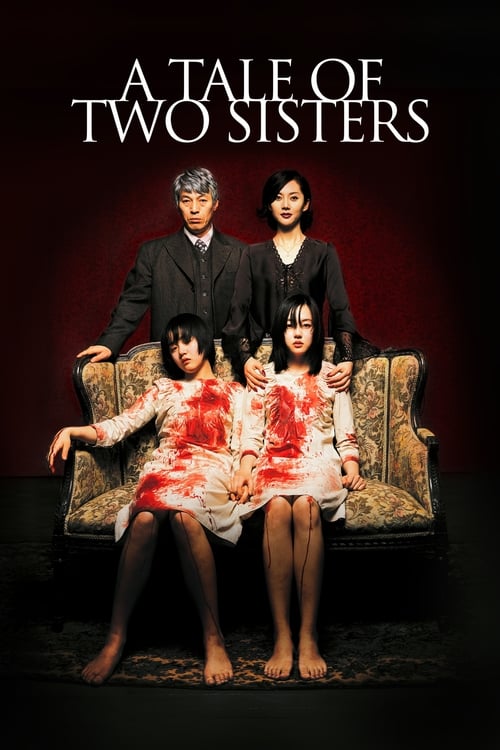
A Tale of Two Sisters - Ranking #1 Recommendation
Dissociative IdentityDomestic GriefGothic AtmosphereGenerational Guilt

Kim Jee-woon crafts an exquisite nightmare anchored by Im Soo-jung and Moon Geun-young as sisters reunited in a rural estate plagued by a volatile stepmother. Clad in ornate floral wallpapers and bathed in sickly wood tones, the house operates as an external manifestation of unspoken familial trauma. Kim orchestrates every creaking floorboard and whispered accusation with unbearable precision, ensuring the dread stems as much from domestic estrangement as spectral apparitions. It earns the pinnacle spot because it defines Korean psychological horror at its purest: an intricate study of dissociative grief where the real monster is the crushing guilt a fractured mind refuses to confront.
2
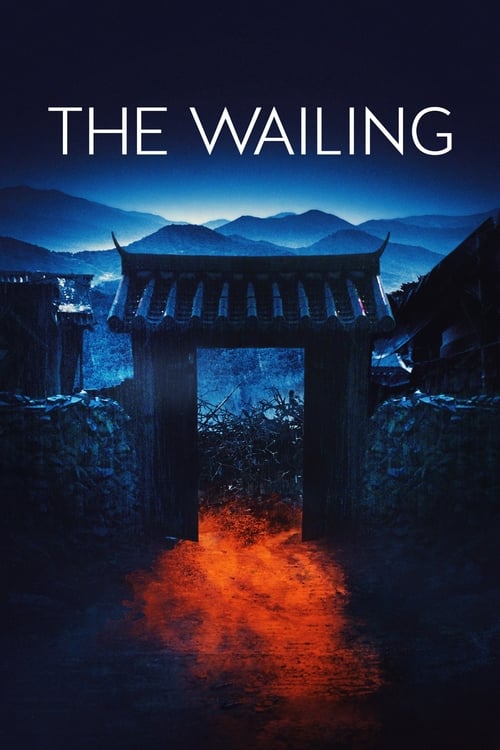
The Wailing - Ranking #2 Recommendation

The Wailing

⚡94% Match
Spiritual AmbiguityFolk DreadCollective ParanoiaErosion of Faith

Na Hong-jin plunges viewers into a damp, rot-infested mountain village where suspicion spreads faster than an unidentified flesh-eating infection. Kwak Do-won turns in a harrowing performance as a bumbling small-town cop watching his daughter succumb to madness while xenophobia and occult hysteria rip the community apart. The film continuously shifts its narrative ground, manipulating religious iconography, shamanic rituals, and folklore to disorient both protagonist and spectator. Its psychological terror lies in the corrosive nature of doubt; by the final act, reality itself collapses into an agonized crisis of faith where every single choice feels like a trap.

3
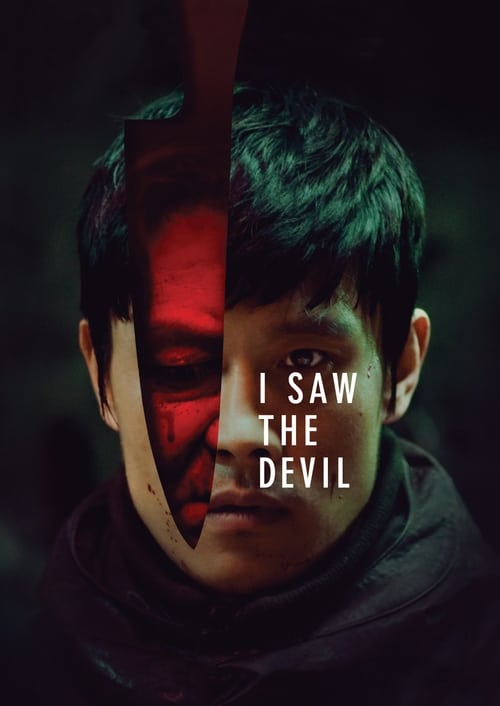
I Saw the Devil - Ranking #3 Recommendation

I Saw the Devil

⚡92% Match
Moral DehumanizationObsessive VengeanceSadistic Cat-and-MouseNihilism

Kim Jee-woon returns with a ferociously bleak revenge odyssey pitting Lee Byung-hun's elite secret agent against Choi Min-sik's depraved serial murderer. Rather than ending with a quick execution, the narrative spirals into a sickening cat-and-mouse game where the investigator repeatedly captures, tortures, and releases his quarry. Choi is terrifyingly feral, but Lee’s slow devolution into an unfeeling monster carries the real weight. The film earns its critical stature by stripping away the romanticism of vengeance, forcing the audience to witness how prolonged proximity to evil hollows out the human conscience until justice becomes indistinguishable from psychopathy.

4
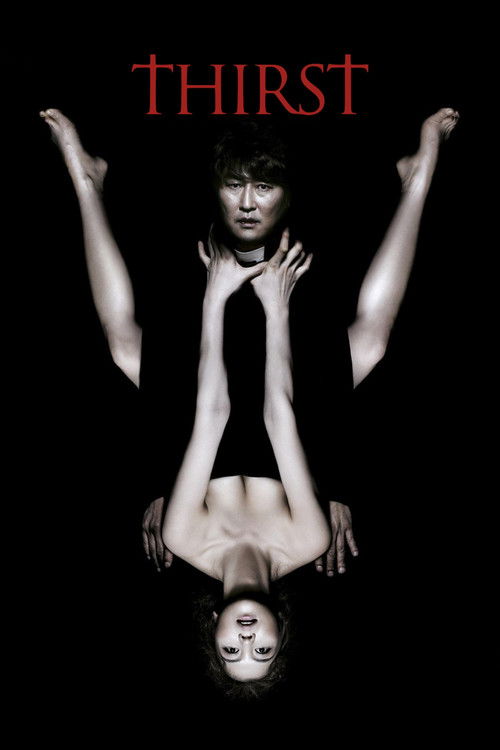
Thirst - Ranking #4 Recommendation

Thirst

⚡90% Match
Theological GuiltErotic ObsessionMoral DegradationBody Horror

Park Chan-wook turns the vampire archetype into a sweltering domestic crisis of conscience. Song Kang-ho portrays a devoted Catholic priest who contracts vampirism during a medical trial, only to unleash repressed lust and spiritual rot alongside an unhappy housewife, played with razor-sharp intensity by Kim Ok-bin. The film pulses with baroque visual flair, framing bloodlust not as an empowering fantasy, but as a dirty, humiliating addiction. It stands out in this canon because its horror is overwhelmingly internal—a theological breakdown where pious vows crumble under carnal obsession, leaving its doomed lovers trapped in their own moral degradation.

5
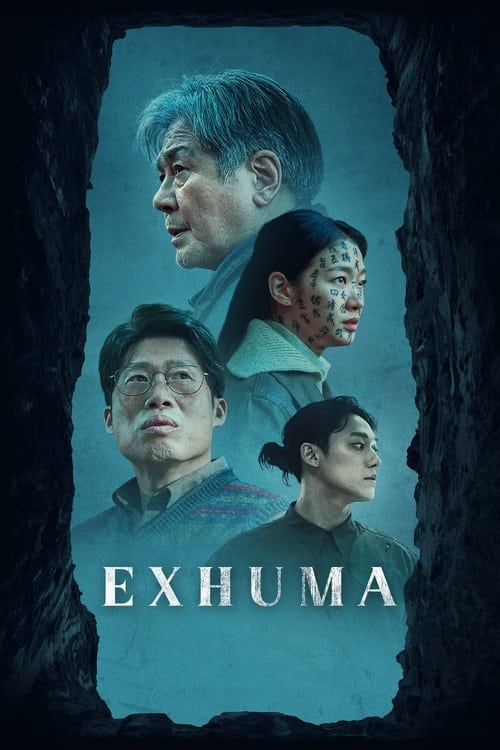
Exhuma - Ranking #5 Recommendation

Exhuma

⚡88% Match
Ancestral CursesHistorical TraumaShamanic RitualsOccult Procedural

Jang Jae-hyun re-energizes occult cinema by treating grave-digging and shamanic rites with procedural rigor. Choi Min-sik and Kim Go-eun lead an ensemble of geomancers and undertakers hired to relocate a cursed ancestral burial plot, only to disturb a malevolent presence tied to Korea’s colonial scars. The sound design is skin-crawling, relying on hypnotic drum cadences and guttural chants to generate oppressive atmospheric tension. What cements its psychological bite is how it binds ancestral guilt to inherited national memory, proving that historical denial festers in the bloodline until it physically erupts into waking nightmares.

Stream Now (US)

Watch on Provider
6
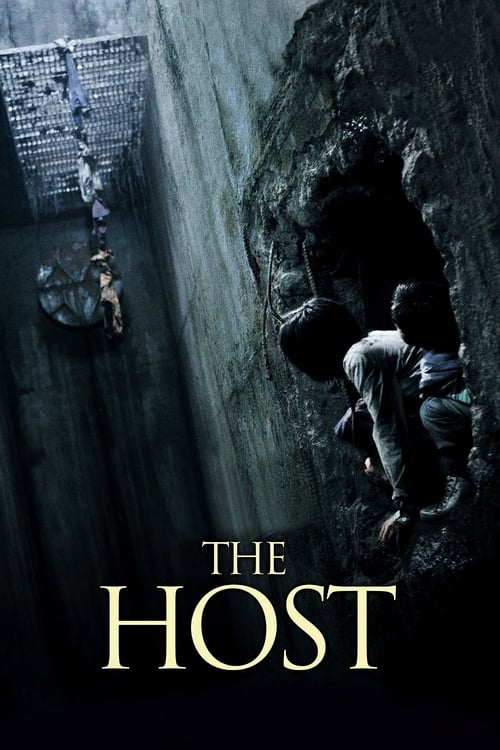
The Host - Ranking #6 Recommendation

The Host

⚡86% Match
Bureaucratic ParanoiaFamily AlienationSocietal NeglectEnvironmental Horror

Bong Joon-ho’s genre hybrid uses a mutated river beast to expose systemic incompetence and family despair. While the creature sequences offer kinetic thrill, the true engine of the film is the Park family’s desperate search for their captured daughter amid government quarantine and media fabrications. Song Kang-ho brings tragicomic vulnerability to a father pushed to his absolute emotional limit. The film functions brilliantly as psychological dread by turning bureaucratic gaslighting and biological hysteria into a cage, where the terror of being abandoned by society feels far more lethal than the monster lurking offshore.

Stream Now (US)

Watch on Provider
7
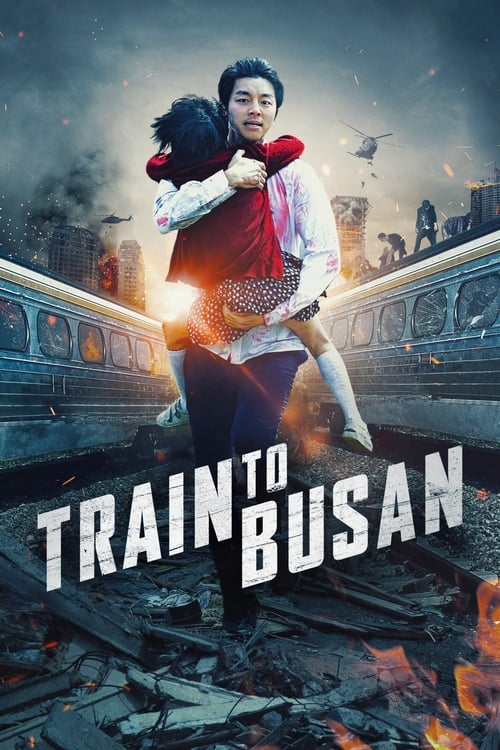
Train to Busan - Ranking #7 Recommendation

Train to Busan

⚡84% Match
Claustrophobic SurvivalClass WarfareSocial PanicMob Mentality

Yeon Sang-ho takes a high-concept zombie outbreak aboard an express train and strips down civil society to raw, animalistic desperation. Gong Yoo shines as an emotionally detached fund manager whose self-preservation instincts clash with the selfless heroics of working-class passengers. While celebrated for tight staging and kinetic stunt work, the film’s cruelty stems from how quickly fear curdles into collective hostility. It earns its position through its claustrophobic social horror, turning packed passenger compartments into psychological battlegrounds where panic exposes the monstrous selfishness lurking inside respectable citizens.

8
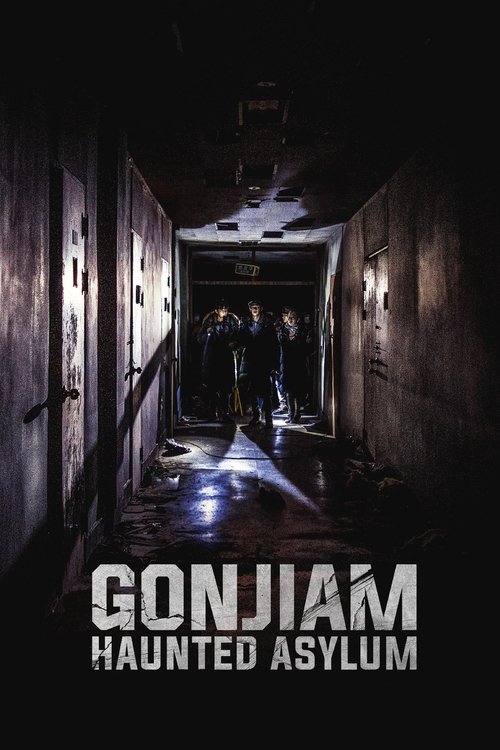
Gonjiam: Haunted Asylum - Ranking #8 Recommendation
Found Footage DreadDigital NarcissismSpatial DisorientationHysteria

Jung Bum-shik revitalizes found footage by sending an arrogant streaming crew into Korea’s most notorious real-life asylum. Utilizing chest mounts, drones, and ambient night-vision cameras, the film methodically builds an excruciating sense of spatial vulnerability as the squad's staged ghost-hunting pranks trigger authentic demonic retaliation. The escalating spatial distortion transforms familiar rooms into inescapable loops of dread. Its psychological edge thrives on digital narcissism and group panic, showing how youthful bravado implodes into paralyzing psychosis the moment the camera lens stops acting as a shield against the abyss.

Stream Now (US)

Watch on Provider
9
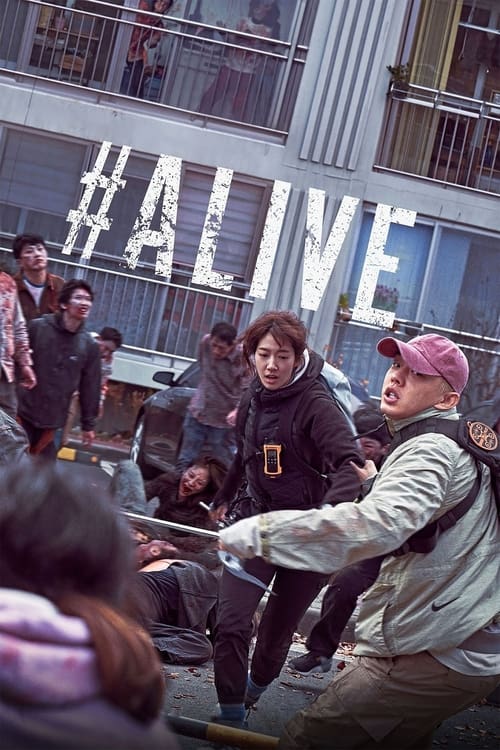
#Alive - Ranking #9 Recommendation

#Alive

⚡80% Match
Quarantine PsychosisSensory DeprivationTechnological IsolationUrban Despair

Cho Il-hyung isolates the infected apocalypse inside a claustrophobic high-rise apartment complex. Yoo Ah-in delivers a sympathetic, nerve-fraying performance as a gaming shut-in who watches civilization collapse outside his balcony while food, water, and smartphone batteries steadily deplete. The narrative eschews sprawling wasteland tropes to focus on the suffocating terror of prolonged isolation. It secures its spot by mining modern tech-dependency and sensory deprivation, capturing the slow psychological disintegration of a modern youth pushed to suicidal ideation before finding a tenuous reason to keep holding on.

Stream Now (US)

Watch on Provider
10
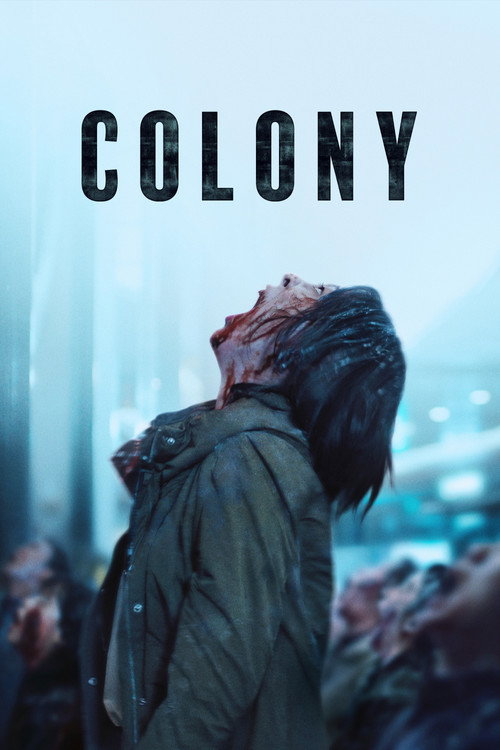
Colony - Ranking #10 Recommendation

Colony

⚡78% Match
Viral ParanoiaConfined FacilityInstitutional MistrustSurvival Instinct

This high-concept outbreak chamber piece centers on Professor Se-jeong trapped within a sealed biotech conference facility as a volatile pathogen spreads behind locked fire doors. Stripped of resources and surrounded by suspicious colleagues, the characters unravel under extreme biological paranoia. The staging emphasizes sterile fluorescent lighting and narrow laboratory corridors to trigger intense agoraphobia and mistrust. While operating on a smaller, pulpier scale than its cinematic peers, it functions as a pure exercise in contagion-driven claustrophobia, highlighting how institutional confinement quickly strips away intellectual reason to expose basic, panicked survival impulses.

⚡ At-A-Glance Comparison: Top Ranked Picks

Summary breakdown of release years, match DNA, and where to stream in the US.

RankMovie TitleYearThematic DNAWhere to Stream (US)
#1A Tale of Two Sisters2003
Dissociative IdentityDomestic Grief
AMC Plus Apple TV channel, AMC+
#2The Wailing2016
Spiritual AmbiguityFolk Dread
fuboTV, Fandor Amazon Channel
#3I Saw the Devil2010
Moral DehumanizationObsessive Vengeance
VOD / Digital
#4Thirst2009
Theological GuiltErotic Obsession
VOD / Digital
#5Exhuma2024
Ancestral CursesHistorical Trauma
Amazon Prime Video, AMC Plus Apple TV channel
#6The Host2006
Bureaucratic ParanoiaFamily Alienation
Amazon Prime Video, Peacock Premium
#7Train to Busan2016
Claustrophobic SurvivalClass Warfare
Peacock Premium, Peacock Premium Plus
#8Gonjiam: Haunted Asylum2018
Found Footage DreadDigital Narcissism
Amazon Prime Video, Philo
#9#Alive2020
Quarantine PsychosisSensory Deprivation
Netflix, Netflix Standard with Ads
#10Colony2026
Viral ParanoiaConfined Facility
VOD / Digital

Frequently Asked Questions

Key answers for film lovers looking for titles like Top 10 Korean Psychological Horror Films.

Kim Jee-woon's 2003 classic A Tale of Two Sisters is widely considered the pinnacle of Korean psychological horror due to its layered narrative, chilling production design, and devastating exploration of familial grief. Its influence on international genre cinema remains unmatched.