All 4 Twilight Psalm Movies Ranked (Best to Worst) hero banner

All 4 Twilight Psalm Movies Ranked (Best to Worst)

Phil Solomon's visionary avant-garde Twilight Psalm cycle ranked from best to worst. Discover which celluloid elegy claims the top spot.

Franchise & UniverseUpdated October 28, 2026

When charting the Twilight Psalm movies ranked from worst to best, one enters the ghost-haunted corridors of American avant-garde cinema. Phil Solomon’s celebrated cycle treats celluloid not merely as a recording medium, but as an organic, decaying artifact that mourns its own passing while meditating on memory, tragedy, and mortality.

Spanning from the twilight of physical photochemical film into the cold digital expanse of machinima, Solomon’s four-part suite presents a radical journey through cinematic archaeology. While every installment possesses a distinct chemical grammar, certain chapters achieve an awe-inspiring, tactile transcendence that sets them apart in modern experimental filmmaking.

1
Psalm II: Walking Distance - Ranking #1 Recommendation
Photochemical AlchemyEarly Cinema NecromancyOptical Printing MasteryCelluloid Elegy

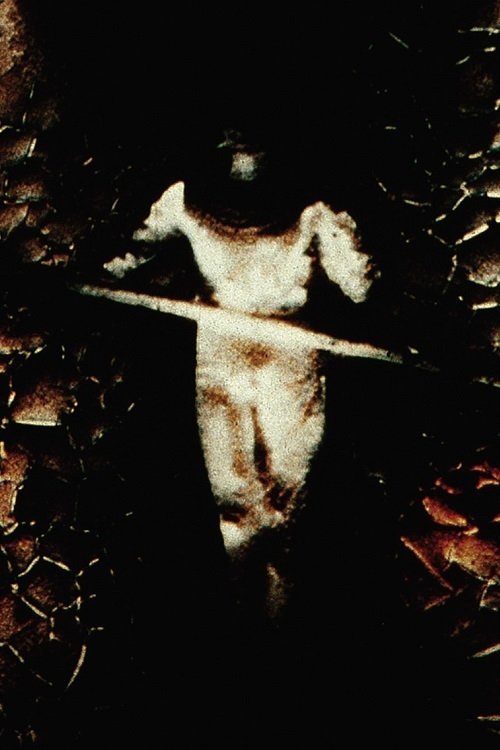
Few works in the history of avant-garde cinema unlock the uncanny emotional power of emulsion like this hypnotic second installment. Solomon conjures the sensation of excavating a waterlogged film reel buried since the dawn of the twentieth century, superimposing fragments of trick cinema into swirling silver halide grain. Every frame ripples with chemical blisters, mimicking a lost dreamscape where childhood memories dissolve into absolute whiteness. It achieves an astonishing equilibrium between technical optical manipulation and raw, subterranean grief. This is without question the towering high point of the entire cycle, transcending the nocturnal moodiness of its predecessor and outshining the later entries through sheer textural ferocity and formal perfection.

2
Psalm III: Night of the Meek - Ranking #2 Recommendation
Expressionist HorrorHolocaust MemoryArchival CollageGolem Mythos

A suffocating, storm-swept intensity powers this third movement, which binds archival newsreel traces with Paul Wegener's silent horror classic The Golem. Solomon subjects his celluloid to punishing physical abrasions, turning the screen into a blizzard of crackling static and bubbling dyes that mirror the historical cataclysms of twentieth-century Jewish trauma. The sound design roars with ghostly resonance, generating sheer dread that few abstract works ever muster. While its suffocating density occasionally denies the viewer the tender intimacy found in Walking Distance, it easily surpasses the fractured digital shift of the fourth installment, standing as the saga's most politically furious and conceptually harrowing chapter.

3
Psalm I: The Lateness of the Hour - Ranking #3 Recommendation
Nocturnal OvertureCyan Tone PoeticsLullaby CadenceTactile Emulsion

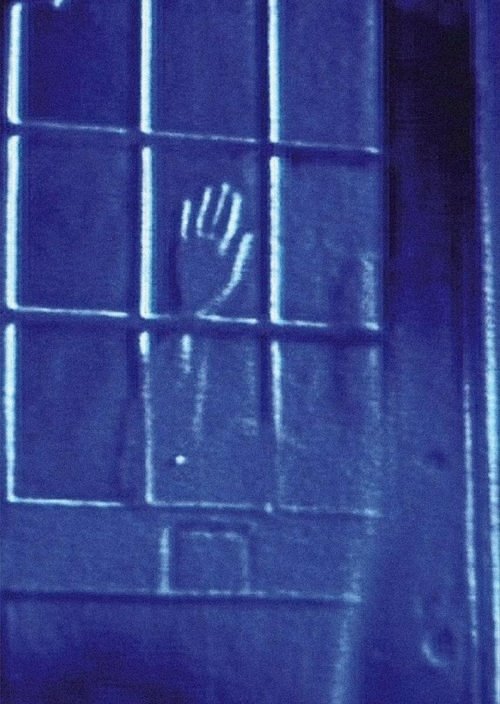
Operating as a serene, blue-tinted overture, this opening salvo introduces Solomon’s optical alchemy with hypnotic gentleness. Bathed in saturated midnight cyans and aquatic textures, the imagery drifts like a cradle song whispered against the dark, letting light flicker through eroded layers of film emulsion. It functions less as a confrontational assault and more as a quiet, meditative doorway into Solomon’s haunted universe. Its brief runtime and understated scale naturally yield less visceral shock than the explosive brilliance of the second and third movements. Still, its unhurried grace provides the essential bedrock for the sequence, comfortably eclipsing the stylistic rupture found in the final entry.

4
Psalm IV: Valley of the Shadow - Ranking #4 Recommendation
Machinima LandscapesLiterary MonologueDigital MelancholiaGrand Theft Auto Mod

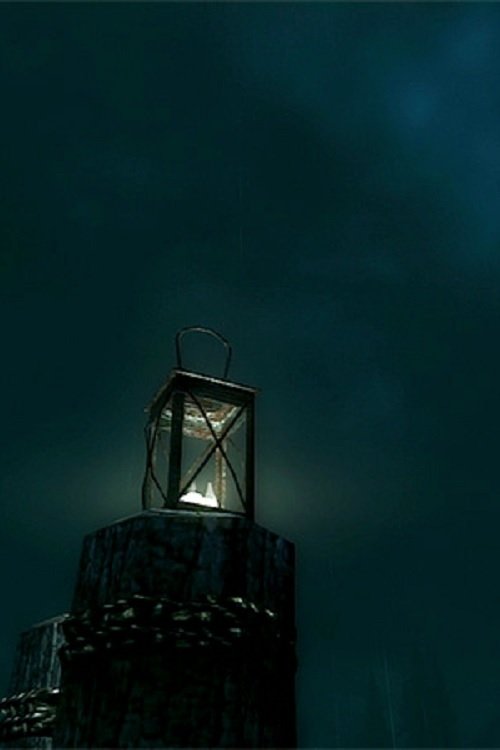
Marking a seismic aesthetic pivot, this concluding work departs from physical film processing to appropriate the digital terrain of Grand Theft Auto IV, underscored by John Huston reciting James Joyce. Solomon searches for genuine ghosts within cold polygons and programmed rainstorms, interrogating mortality through synthetic environments. The conceptual daring deserves respect, yet the virtual assets lack the tactile soul, visceral decay, and chemical sorcery that defined Solomon’s 16mm masterpieces. Because the digital textures feel emotionally detached compared to the crackling film stock of earlier installments, it sits unequivocally at the bottom of the ladder as an ambitious, if alienated, coda.

⚡ At-A-Glance Comparison: Top Ranked Picks

Summary breakdown of release years, match DNA, and where to stream in the US.

RankMovie TitleYearThematic DNAWhere to Stream (US)
#1Psalm II: Walking Distance2000
Photochemical AlchemyEarly Cinema Necromancy
VOD / Digital
#2Psalm III: Night of the Meek2002
Expressionist HorrorHolocaust Memory
VOD / Digital
#3Psalm I: The Lateness of the Hour1999
Nocturnal OvertureCyan Tone Poetics
VOD / Digital
#4Psalm IV: Valley of the Shadow2014
Machinima LandscapesLiterary Monologue
VOD / Digital

Frequently Asked Questions

Key answers for film lovers looking for titles like All 4 Twilight Psalm Movies Ranked (Best to Worst).

The ideal viewing path follows the chronological sequence from Psalm I (1999) to Psalm IV (2014). This preserves Phil Solomon's deliberate progression from pure 16mm photochemical degradation to digital machinima landscapes.