
Most Underrated Cyber Espionage Movies You Need to Watch hero banner

Most Underrated Cyber Espionage Movies You Need to Watch

Discover the most underrated cyber espionage movies that trade Hollywood hacking clichés for cold, high-stakes surveillance and network tradecraft.

Best of GenreUpdated October 29, 2026

Hunting down genuinely underrated cyber espionage movies reveals how quickly cinema evolved from crude dial-up tropes into existential dread. While mainstream cinema often reduces hacking to neon command prompts and frantic keystrokes, the most potent thrillers ground their electronic warfare in institutional paranoia, cold calculation, and human fallibility.

This ranking sifts through covert network penetrations, algorithmic threats, and digital surveillance dragnets to celebrate the espionage titles that cut far deeper than standard gadget spectacles. From iron-curtain wiretaps that laid the conceptual groundwork for today's data harvesting to frantic desk-bound cyber misdirections inside Langley, these films capture the true menace of invisible warfare.

Filter by Platform:
1
The Lives of Others - Ranking #1 Recommendation
Acoustic EavesdroppingStasi Surveillance StateMoral AwakeningAnalog Tradecraft

Florian Henckel von Donnersmarck directs this cold, agonizing study of totalitarian intrusion with ruthless precision. Ulrich Mühe delivers an astonishing, understated performance as Gerd Wiesler, an unbending Stasi captain stationed in a gray attic above a suspected playwright's apartment. Surrounded by reel-to-reel recorders and phonic cables, Wiesler documents every breath, rustle, and whisper, only to experience an unscripted crisis of conscience. While set before the dawn of modern internet protocol, it operates as the ultimate analogue ancestor to cyber surveillance cinema. The film lays bare the terrifying intimacy of warrantless data interception, demonstrating how systemic electronic eavesdropping degrades both the watcher and the watched long before fiber optics weaponized the tradecraft.

2
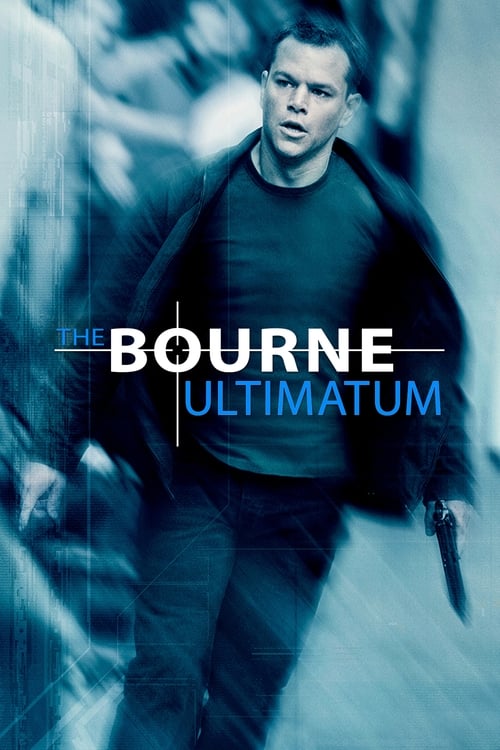
The Bourne Ultimatum - Ranking #2 Recommendation
ECHELON DragnetAlgorithmic PanopticonTerminal IntrusionKinetic Tradecraft

Paul Greengrass turns London's Waterloo Station into an arena of sheer tactical panic, guiding Matt Damon's amnesiac operative through a fatal game of cat-and-mouse. Greengrass relies on frenetic handheld framing and hyper-kinetic editorial rhythm to pit Bourne against the CIA’s modern panopticon. The film excels because it treats information itself as lethal ammunition; a single spoken codename triggers automated international dragnets within milliseconds. It functions as a defining benchmark for cyber espionage by exposing the lethal speed of modern signals intelligence. Instead of detached keyboard clatter, the digital surveillance apparatus—facial recognition cameras, real-time audio intercepts, and automated wiretaps—becomes an omnipresent physical predator that forces Bourne to weaponize raw tradecraft against omniscient machine algorithms.

Stream Now (US)

Watch on Provider
3
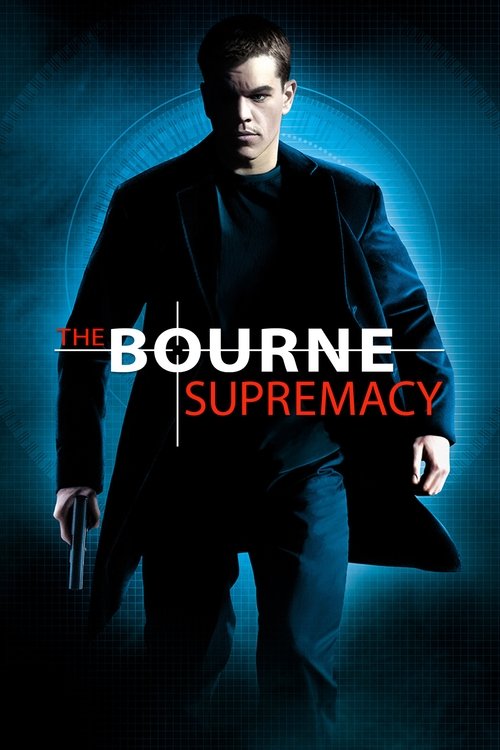
The Bourne Supremacy - Ranking #3 Recommendation
Digital Frame-JobElectronic ForensicsBureaucratic SabotageTargeted Assassination

Stepping into the franchise, Paul Greengrass radically stripped away Hollywood gloss in favor of brutal realism and kinetic verite documentary stylings. The plot kicks off with ruthless simplicity: Jason Bourne is framed for a botched clandestine operation in Berlin, forcing him out of Goan exile to unravel an internal agency conspiracy. Karl Urban’s ice-cold Russian assassin and Joan Allen’s sharp, procedural deputy director anchor an unrelenting chase. What cements its cyber intelligence pedigree is how electronic deception initiates the carnage. The film brilliantly explores the weaponization of forged digital fingerprints, encrypted bank transfers, and hacked satellite arrays, illustrating how high-level bureaucratic corruption exploits network opacity to manipulate physical strikes across foreign soil.

Stream Now (US)

Watch on Provider
4
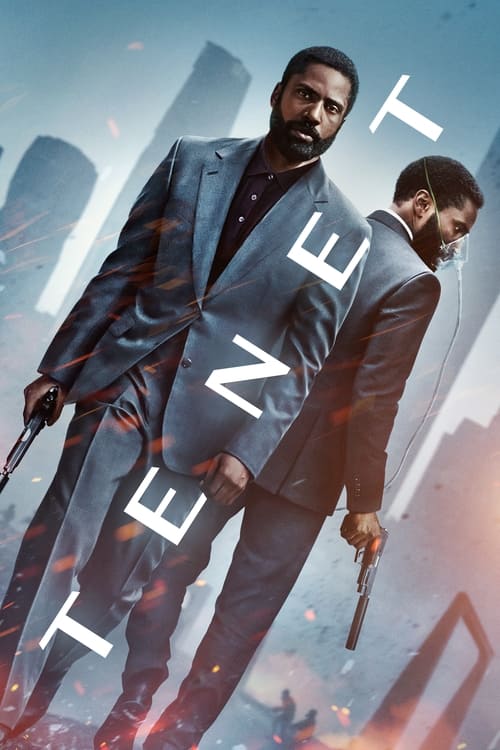
Tenet - Ranking #4 Recommendation

Tenet

⚡90% Match
Temporal InversionAlgorithmic WarfareAsymmetric IntelligenceQuantum Encryption

Christopher Nolan crafts an audaciously complex puzzle box that replaces conventional military logistics with chronological inversion. John David Washington leads the charge through sterile, ultra-modern corridors and sleek freeports, pursuing a dying Russian oligarch who communicates with future adversaries through inverted entropy algorithms. Nolan’s choreography is clinical and massive, treating temporal physics with the harsh finality of an encrypted binary firewall. It belongs here because it translates cyber warfare into theoretical mechanics; the threat is no longer a stolen hard drive, but an algorithmic doomsday equation dispatched across time. Nolan envisions espionage in its purest contemporary form: asymmetric, disorienting data warfare where weaponized algorithms manipulate reality itself while operators fight blind against an invisible technological enemy.

5
Mission: Impossible - Ranking #5 Recommendation
Air-Gapped Vault HeistNOC List InfiltrationHitchcockian ParanoiaProto-Internet Espionage

Brian De Palma treats the espionage thriller not as a run-and-gun action vehicle, but as an exercise in sheer, Hitchcockian technical suspense. Tom Cruise’s Ethan Hunt navigates a labyrinth of betrayal after his entire unit is wiped out in Prague, leaving him framed as an international traitor. The film’s centerpiece—a noiseless descent into the pristine, climate-controlled CIA black-vault at Langley—remains unmatched in tension. That sequence single-handedly codified the visual grammar of cyber heists for the modern era. By dramatizing the physical terror of air-gapped terminal intrusions and 56k terminal handshakes, De Palma anchored the dawn of electronic espionage in tactile vulnerability, proving that accessing classified digital files demanded exquisite, sweat-inducing tradecraft.

Stream Now (US)

Watch on Provider
6
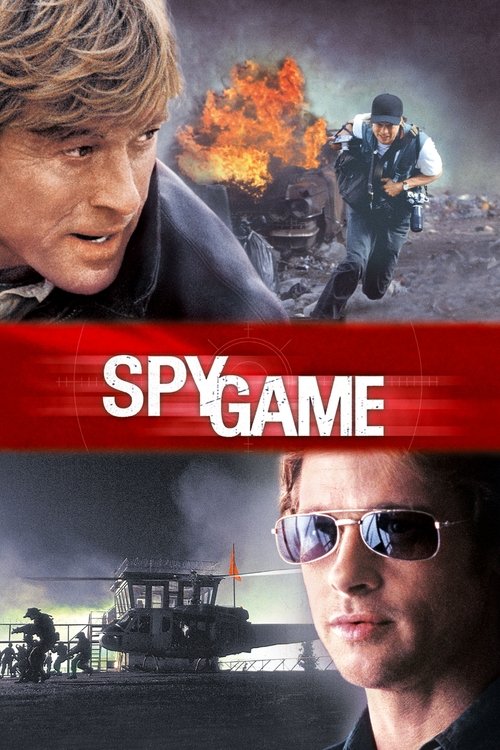
Spy Game - Ranking #6 Recommendation

Spy Game

⚡86% Match
Langley BureaucracySatellite ReconnaissanceNetwork MisdirectionCold War Tradecraft

Tony Scott delivers a masterclass in split-second pacing and slick bureaucratic tension, confining Robert Redford to a fluorescent-lit conference room on the final day before his CIA retirement. While Brad Pitt languishes in a brutal Chinese prison awaiting execution, Redford’s Nathan Muir wages a cerebral war against his own superiors using burner phones, fax reroutes, and covert accounts. Scott’s camera sweeps through Langley with frantic energy, turning bureaucratic manipulation into a thrilling chess match. Muir’s tactical mastery showcases the lethal efficiency of network-era intelligence manipulation. By hacking internal agency protocols, doctoring satellite recon imagery, and intercepting international wire feeds from an office desk, Muir transforms cyber espionage into an art of white-collar deception.

Stream Now (US)

Watch on Provider

⚡ At-A-Glance Comparison: Top Ranked Picks

Summary breakdown of release years, match DNA, and where to stream in the US.

RankMovie TitleYearThematic DNAWhere to Stream (US)
#1The Lives of Others2006
Acoustic EavesdroppingStasi Surveillance State
VOD / Digital
#2The Bourne Ultimatum2007
ECHELON DragnetAlgorithmic Panopticon
Netflix, Netflix Standard with Ads
#3The Bourne Supremacy2004
Digital Frame-JobElectronic Forensics
Netflix, Netflix Standard with Ads
#4Tenet2020
Temporal InversionAlgorithmic Warfare
VOD / Digital
#5Mission: Impossible1996
Air-Gapped Vault HeistNOC List Infiltration
HBO Max Amazon Channel, Paramount Plus Premium
#6Spy Game2001
Langley BureaucracySatellite Reconnaissance
Netflix, Netflix Standard with Ads

Frequently Asked Questions

Key answers for film lovers looking for titles like Most Underrated Cyber Espionage Movies You Need to Watch.

Cyber espionage films revolve around the illicit penetration of secure networks, data extraction, and electronic surveillance to gain strategic political or corporate leverage. Unlike traditional spy stories focused primarily on gunplay, tension in this sub-genre hinges on digital footprints, firewall breaches, and the weaponization of private information.