Rear Window
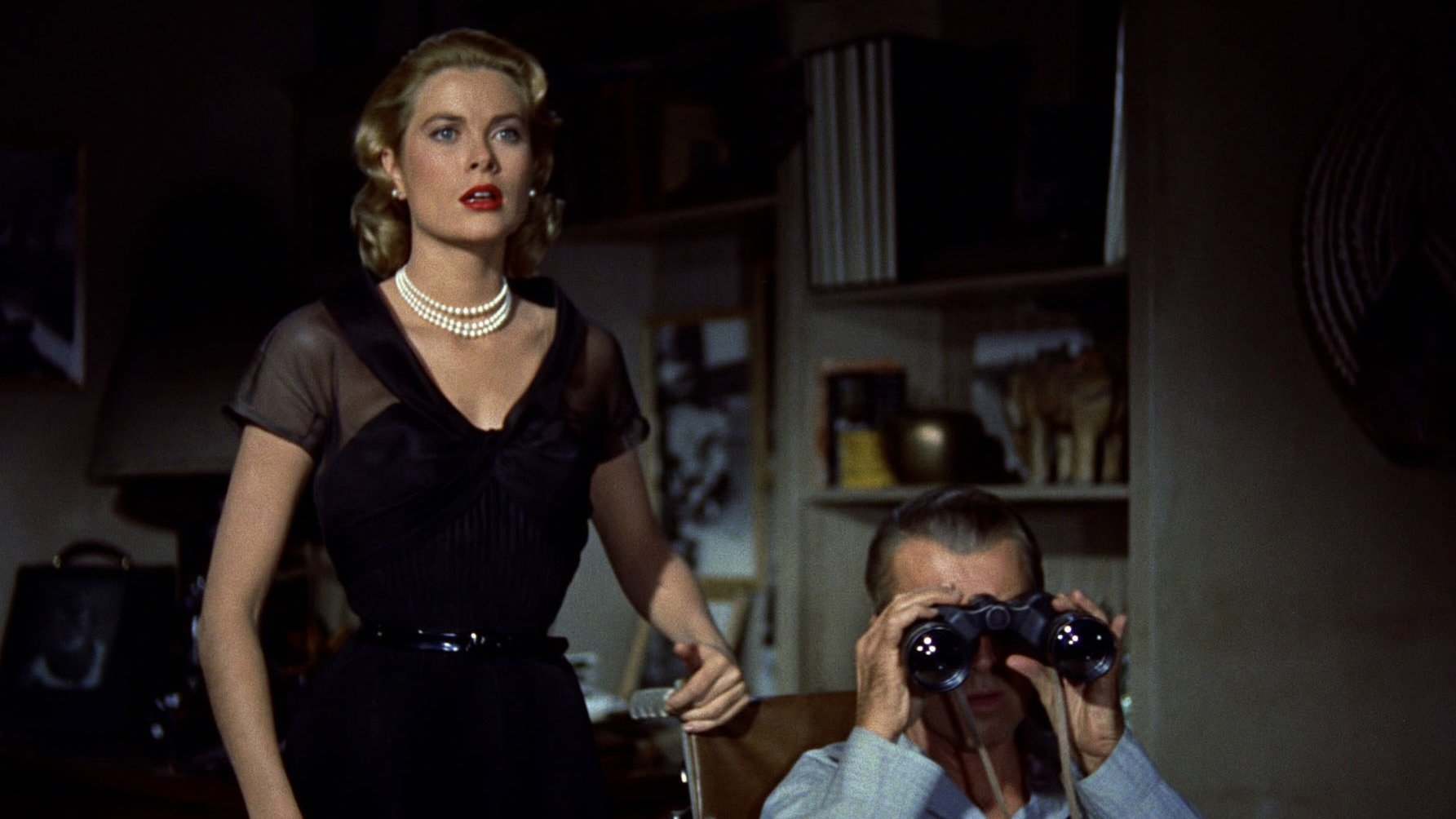
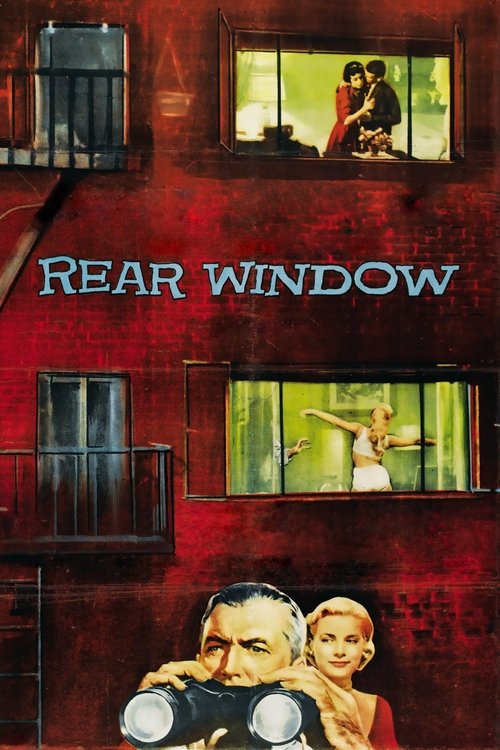
Alfred Hitchcock turns domestic paralysis into an acute observational nightmare as L.B. Jefferies, immobilized in his sweltering Greenwich Village flat, fixates on his courtyard neighbors. Robert Burks' fluid camera glides through open window frames, capturing mundane domestic routines that slowly curdle into suspected homicide, anchored by James Stewart’s sweat-soaked agitation and Grace Kelly’s razor-sharp charm. It remains the absolute touchstone of single-room cinema, weaponizing architectural geometry to make the spectator an active accomplice in voyeurism. By refusing to ever abandon Jefferies' single vantage point, Hitchcock establishes the foundational playbook for how spatial entrapment transforms passive observation into pulse-pounding, helpless terror.