Most Underrated Psychological Drama Movies You Need to Watch hero banner

Most Underrated Psychological Drama Movies You Need to Watch

Discover the most underrated psychological drama movies ranked by critics, exploring intense internal conflict, moral dilemmas, and gripping narratives.

Best of GenreUpdated October 29, 2026

Cinema reaches its highest dramatic pitch when it turns inward, peeling back social decorum to examine the fragile machinery of the human mind. Pinpointing truly underrated psychological drama movies requires sifting past bombastic thrillers to uncover films that trade cheap shocks for existential dread, internal collapse, and moral paralysis. These works bypass external spectacle in favor of claustrophobic headspace, forcing viewers to sit with isolation, guilt, and the crushing consequences of unchecked obsession.

While mainstream awards circuits often reward comfortable sentimentality, the finest psychological dramas challenge our grasp on sanity and social consensus. From institutional battlegrounds to intimate domestic prisons, this curated ranking establishes the definitive hierarchy of the subgenre, evaluating each title on narrative rigor, aesthetic conviction, and raw thematic weight.

Filter by Platform:
1
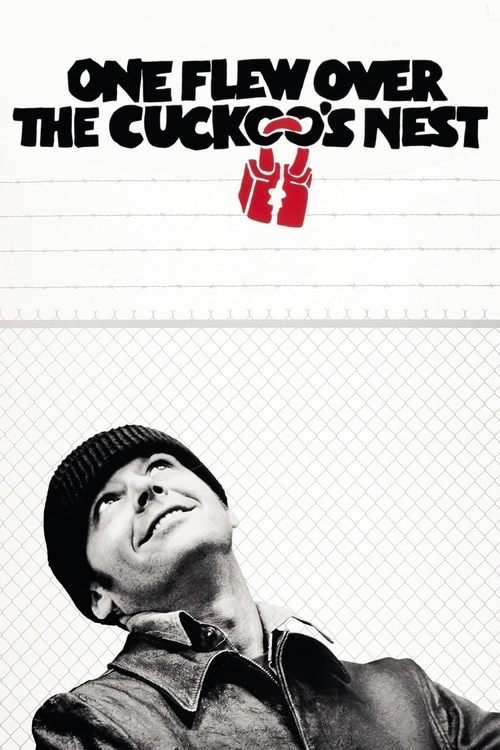
One Flew Over the Cuckoo's Nest - Ranking #1 Recommendation
Institutional OppressionAnti-Authoritarian RebellionClinical Alienation

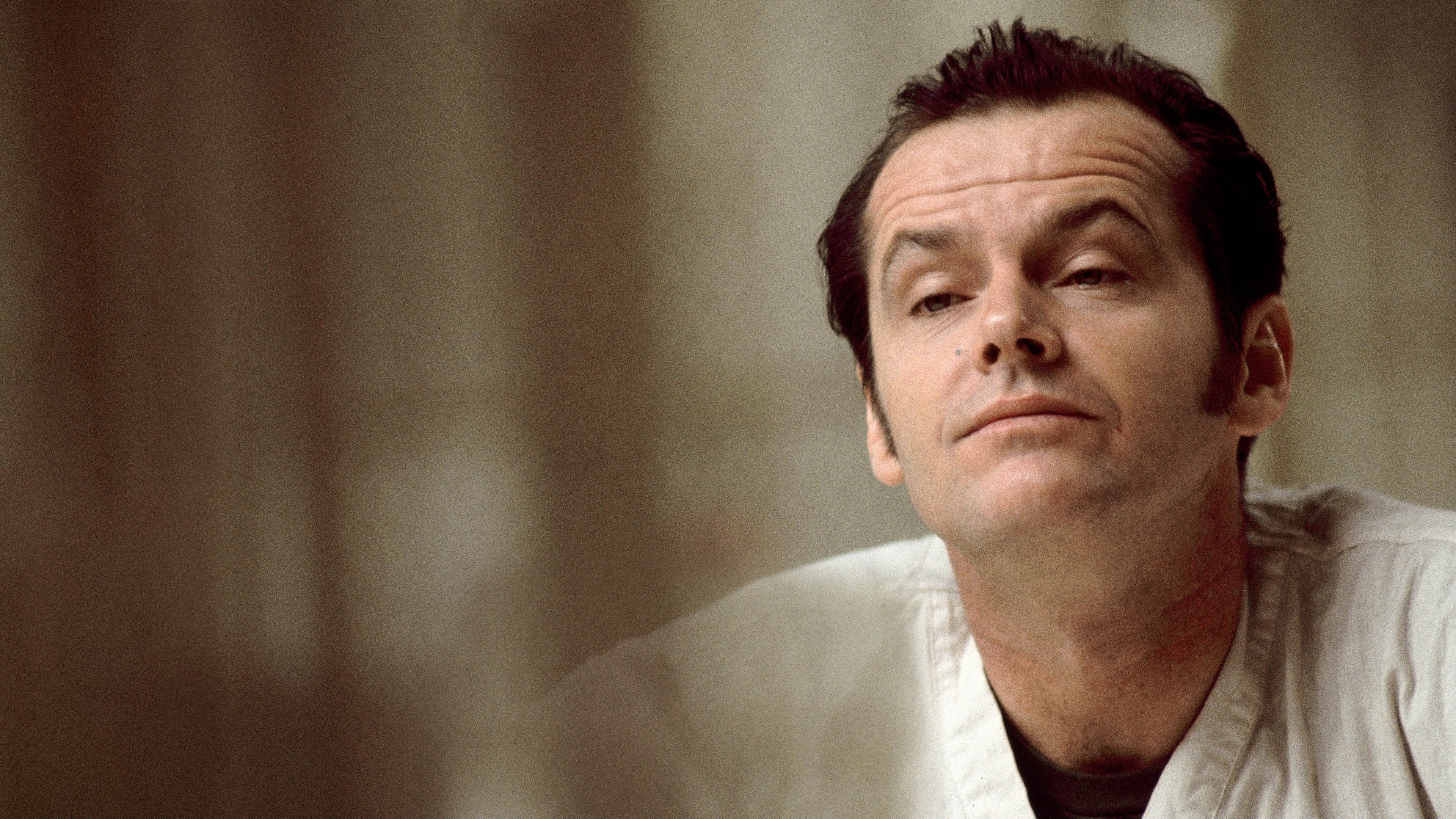
Miloš Forman’s adaptation turns a state psychiatric hospital into an agonizing microcosm of social subjugation. Jack Nicholson delivers an electric, volatile performance as Randle McMurphy, a rebellious con man whose clash of wills with Louise Fletcher’s chillingly passive-aggressive Nurse Ratched drives the narrative. Forman uses sharp, observational blocking and unnerving close-ups to contrast McMurphy’s anarchic vitality against the sterile, sedated routine of the ward. It claims top standing because it dismantles the thin boundary separating sanity from institutional enforcement. By treating institutional therapy as a mechanism of psychological obliteration rather than healing, the film established the gold standard for clinical alienation and anti-authoritarian drama.


2
The Hunt - Ranking #2 Recommendation

The Hunt

⚡94% Match
Mass HysteriaSocial OstracizationMoral Paranoia

Thomas Vinterberg constructs an excruciating study of communal panic anchored by Mads Mikkelsen’s quietly shattered performance as Lucas, a mild-mannered kindergarten teacher falsely accused of abuse. Vinterberg strips away sensationalism, shooting the close-knit Danish hunting community with crisp naturalism and icy spatial control. The camera stays uncomfortably close to Mikkelsen, capturing every swallowed indignity as lifelong friends transmute affection into primal hostility. This film excels as a masterwork of psychological devastation, systematically documenting how suspicion infects collective logic. It bypasses conventional courtroom theatrics to expose the sheer terror of social excommunication, making Lucas’s internal disintegration an unforgettable portrait of vulnerability under the crushing weight of mass hysteria.

Stream Now (US)

Watch on Provider
3
Whiplash - Ranking #3 Recommendation

Whiplash

⚡92% Match
Obsessive PerfectionismMentorship AbuseCreative Self-Destruction

Damien Chazelle mounts a sweat-soaked arena battle behind a drum kit, pitting Miles Teller’s fanatical music student against J.K. Simmons’ abusive bandleader. Chazelle edits with percussive brutality, slicing between bruised knuckles, trembling cymbal stands, and venomous verbal assaults. The aesthetic borrows far more from sports thrillers and combat pictures than typical music conservatory portraits, turning practice rooms into torture chambers. Within psychological drama, it stands out by interrogating the toxic myth of exceptionalism. Rather than celebrating artistic triumph, the narrative interrogates the price of validation, showing how relentless psychological manipulation can convince an artist to willingly sacrifice his physical well-being and moral boundaries for momentary perfection.

4
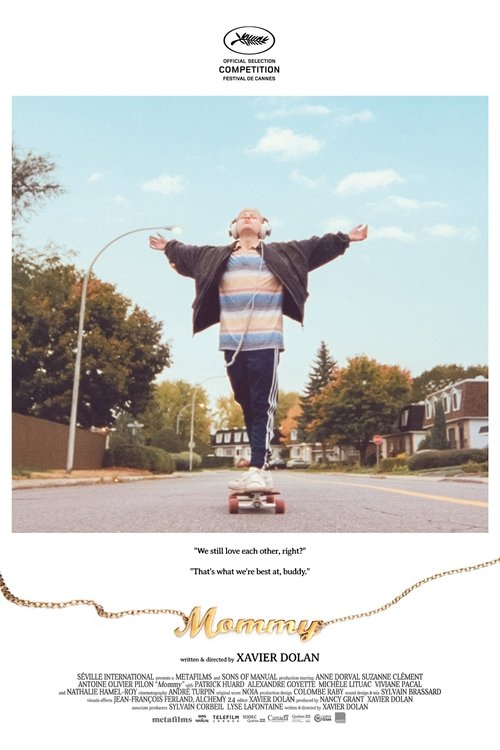
Mommy - Ranking #4 Recommendation

Mommy

⚡90% Match
Maternal AmbivalenceNeurodivergent VolatilityClaustrophobic Domesticity

Xavier Dolan shoots this volatile family tragedy in an ultra-constricted 1:1 aspect ratio, literally boxing his characters into their chaotic domestic reality. Anne Dorval plays a fiercely loving yet financially desperate widow trying to manage her explosive, ADHD-afflicted son, played with electrifying manic energy by Antoine Olivier Pilon. Dolan blends hyper-saturated colors with raw, unvarnished dialogue, orchestrating a sensory hurricane that alternates between manic joy and devastating domestic ruin. It redefines contemporary psychological drama by externalizing neurodivergence through daring visual grammar. The changing aspect ratio mirrors brief flashes of emotional liberation before snapping shut, laying bare the crushing emotional toll of maternal duty and incurable mental instability.

5
Paths of Glory - Ranking #5 Recommendation

Paths of Glory

⚡88% Match
Military HypocrisyMoral CompromiseInstitutional Cowardice

Stanley Kubrick’s early anti-war polemic strips World War I of patriotic romanticism, focusing on three scapegoated French soldiers chosen for court-martial after a suicidal assault fails. Kirk Douglas provides ferocious moral clarity as Colonel Dax, while Adolphe Menjou’s vanity-driven general personifies bureaucratic sociopathy. Kubrick’s celebrated tracking shots through filthy trenches establish a physical and ethical labyrinth where soldiers are meat for careerist ambition. The film operates as an incisive psychological study of institutional cowardice and guilt. It unmasks how military hierarchies weaponize psychological terror against their own ranks, demonstrating that the most lethal attacks often originate behind mahogany conference tables rather than enemy lines.

6
Eternal Sunshine of the Spotless Mind - Ranking #6 Recommendation
Neurotic MemoryGrief and DenialSubconscious Yearning

Michel Gondry constructs a fragmented, melancholic labyrinth out of human heartbreak, pairing Charlie Kaufman’s intricate script with lo-fi practical visual trickery. Jim Carrey delivers a muted, melancholic turn as Joel, who undergoes an experimental neurological procedure to erase memories of his former lover, played with restless brilliance by Kate Winslet. As Joel’s mental landscape dissolves room by room, Gondry visualizes regret through collapsing architecture, vanishing light, and auditory distortions. The picture expands psychological drama into speculative territory, questioning whether identity can survive the systematic erasure of emotional trauma. It remains a poignant investigation of subconscious longing, illustrating how pain remains inextricably bound to personal growth.

7
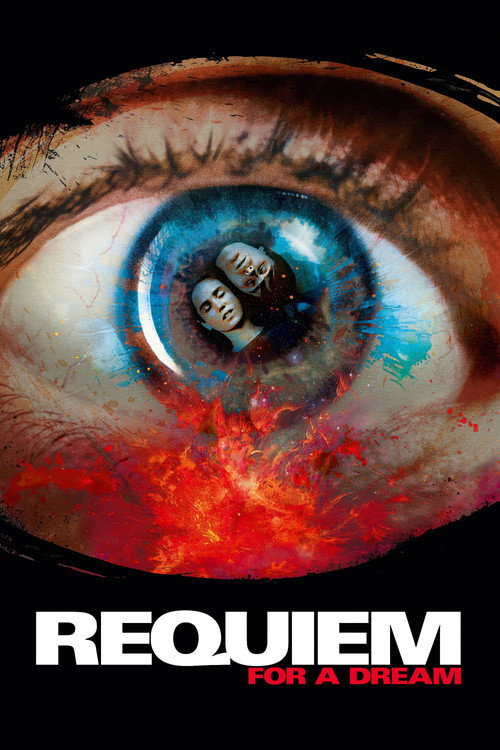
Requiem for a Dream - Ranking #7 Recommendation
Addictive PsychosisSensory OverloadDelusion and Decay

Darren Aronofsky employs frenetic hip-hop editing, split screens, and extreme macro close-ups to chronicle the ruin of four Coney Island dreamers. While Jared Leto and Jennifer Connelly convey youthful desperation, Ellen Burstyn gives an unforgettable performance as a lonely widow spiraling into amphetamine-fueled psychosis. Aronofsky’s relentless rhythm matches the erratic heartbeat of obsession, denying the viewer any aesthetic reprieve from the characters' physical deterioration. The project endures as an unsparing autopsy of addictive psychology. Rather than offering cautionary moralizing, it examines how the desperate pursuit of comfort, status, and connection systematically distorts cognitive function until the self is entirely consumed by fantasy.

8
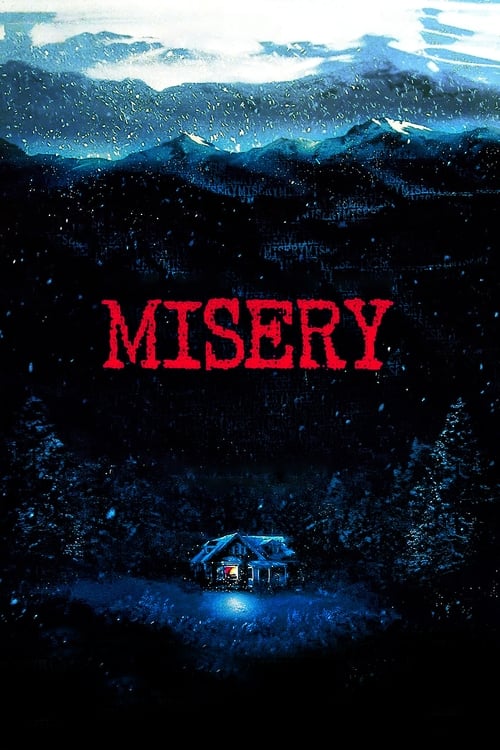
Misery - Ranking #8 Recommendation

Misery

⚡82% Match
Parasitic ObsessionCreative CaptivityPsychopathic Co-Dependence

Rob Reiner extracts nerve-shredding intimacy from Stephen King’s novel, trapping James Caan’s injured author inside a remote blizzard-bound home controlled by Kathy Bates’ unhinged Annie Wilkes. Bates shifts effortlessly from motherly domesticity to volcanic sadism, while Caan conveys profound physical helplessness and frantic strategic calculation. Reiner restricts the action to claustrophobic rooms, heightening the tension through razor-sharp blocking and agonizing pacing. The film belongs among the sharpest psychological dramas because it interrogates the warped, parasitic bond between creator and consumer. Annie’s bedroom prison serves as a physical externalization of artistic paralysis, proving that sheer psychological co-dependence can be far more horrifying than overt gore.

Stream Now (US)

Watch on Provider
9
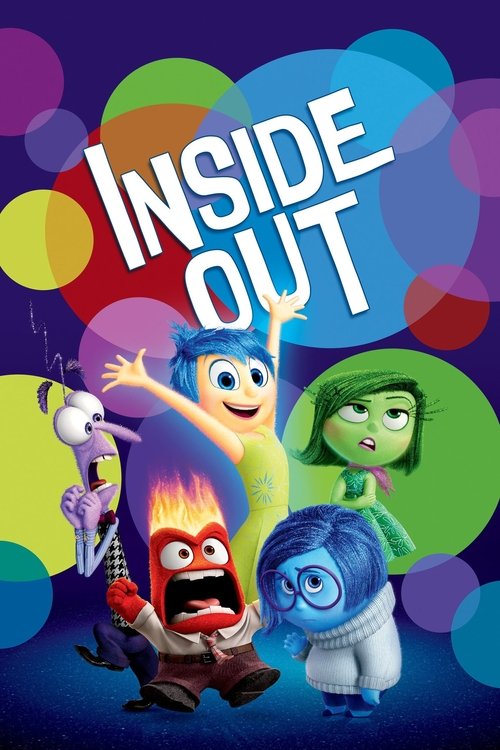
Inside Out - Ranking #9 Recommendation

Inside Out

⚡80% Match
Cognitive ArchitectureEmotional MaturationDepressive Affect

Pete Docter pulls off an audacious narrative feat by staging the emotional turbulence of an uprooted eleven-year-old girl inside the control room of her brain. By personifying Joy, Sadness, Anger, Fear, and Disgust, the film transforms cognitive development, core memories, and identity loss into tangible terrain. Vibrant art direction and clever visual metaphors mask a surprisingly mature thematic core about the loss of childhood simplicity. While wrapped in family-friendly animation, it operates fundamentally as psychological drama. Its refusal to cast sadness as an antagonist provides an extraordinarily nuanced look at depressive affect, illustrating how emotional suppression destabilizes mental health during critical life transitions.

Stream Now (US)

Watch on Provider
10
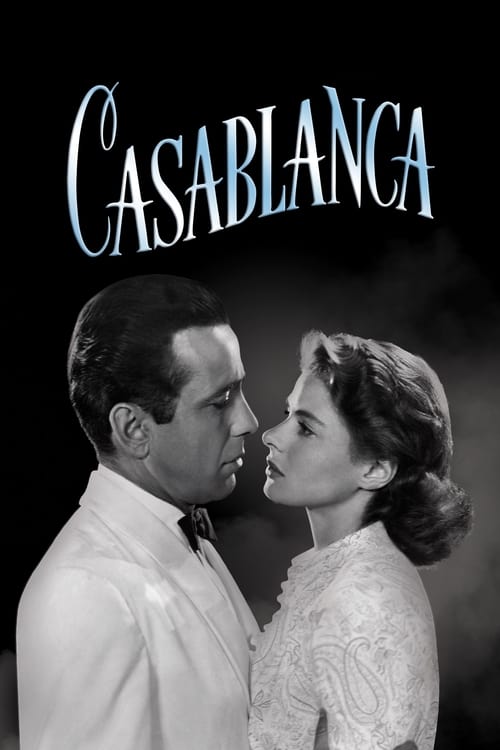
Casablanca - Ranking #10 Recommendation

Casablanca

⚡78% Match
Cynical DetachmentMoral CompartmentalizationWartime Disillusionment

Michael Curtiz directs an evocative noir-tinged romance set in a Moroccan transit hub choked with desperate refugees and opportunistic officials. Humphrey Bogart’s Rick Blaine embodies wounded cynicism, masking deep-seated disillusionment behind a façade of absolute detachment until Ingrid Bergman’s Ilsa walks into his café. Curtiz relies on expressive shadow, crisp repartee, and smoky atmospheric framing to build unbearable unspoken tension. Beneath its classic romantic veneer lies an astute psychological portrait of moral apathy and isolation. The film charts Rick’s internal conflict between protective self-interest and civic responsibility, demonstrating how buried trauma can dictate behavior until personal sacrifice restores a fractured moral compass.

Stream Now (US)

Watch on Provider

⚡ At-A-Glance Comparison: Top Ranked Picks

Summary breakdown of release years, match DNA, and where to stream in the US.

RankMovie TitleYearThematic DNAWhere to Stream (US)
#1One Flew Over the Cuckoo's Nest1975
Institutional OppressionAnti-Authoritarian Rebellion
VOD / Digital
#2The Hunt2012
Mass HysteriaSocial Ostracization
Amazon Prime Video, Amazon Prime Video with Ads
#3Whiplash2014
Obsessive PerfectionismMentorship Abuse
VOD / Digital
#4Mommy2014
Maternal AmbivalenceNeurodivergent Volatility
Lionsgate+ Amazon Channel
#5Paths of Glory1957
Military HypocrisyMoral Compromise
YouTube TV, MUBI
#6Eternal Sunshine of the Spotless Mind2004
Neurotic MemoryGrief and Denial
VOD / Digital
#7Requiem for a Dream2000
Addictive PsychosisSensory Overload
Peacock Premium, Sundance Now
#8Misery1990
Parasitic ObsessionCreative Captivity
HBO Max Amazon Channel, AMC+ Amazon Channel
#9Inside Out2015
Cognitive ArchitectureEmotional Maturation
Disney Plus
#10Casablanca1943
Cynical DetachmentMoral Compartmentalization
HBO Max Amazon Channel, HBO Max

Frequently Asked Questions

Key answers for film lovers looking for titles like Most Underrated Psychological Drama Movies You Need to Watch.

While psychological thrillers prioritize plot twists, external pacing, and physical peril, psychological dramas focus intensely on internal character decay, emotional dynamics, and existential moral dilemmas. The central conflict in a drama is fought within the protagonist's fractured psyche or interpersonal relationships rather than against an overt physical antagonist.