Most Underrated Psychological Horror Movies You Need to Watch hero banner

Most Underrated Psychological Horror Movies You Need to Watch

Discover the most underrated psychological horror movies ranked by critical acclaim. Explore mind-bending paranoia, isolation, and chilling classics.

Best of GenreUpdated October 29, 2026

Cinema thrives on the fragility of the human mind, yet finding genuinely overlooked psychological terror often means looking past predictable formulaic releases. Seeking out underrated psychological horror movies requires interrogating stories that abandon cheap jump scares in favor of weaponized paranoia, cognitive dissonance, and creeping isolation.

While mainstream horror frequently leans on visceral bloodletting and sudden auditory jolts, psychological dread operates like a slow-acting neurotoxin. The films ranked here showcase the breadth of cerebral terror, exploring everything from apartment gaslighting to the fractured architecture of private obsession.

Filter by Platform:
1
Psycho - Ranking #1 Recommendation

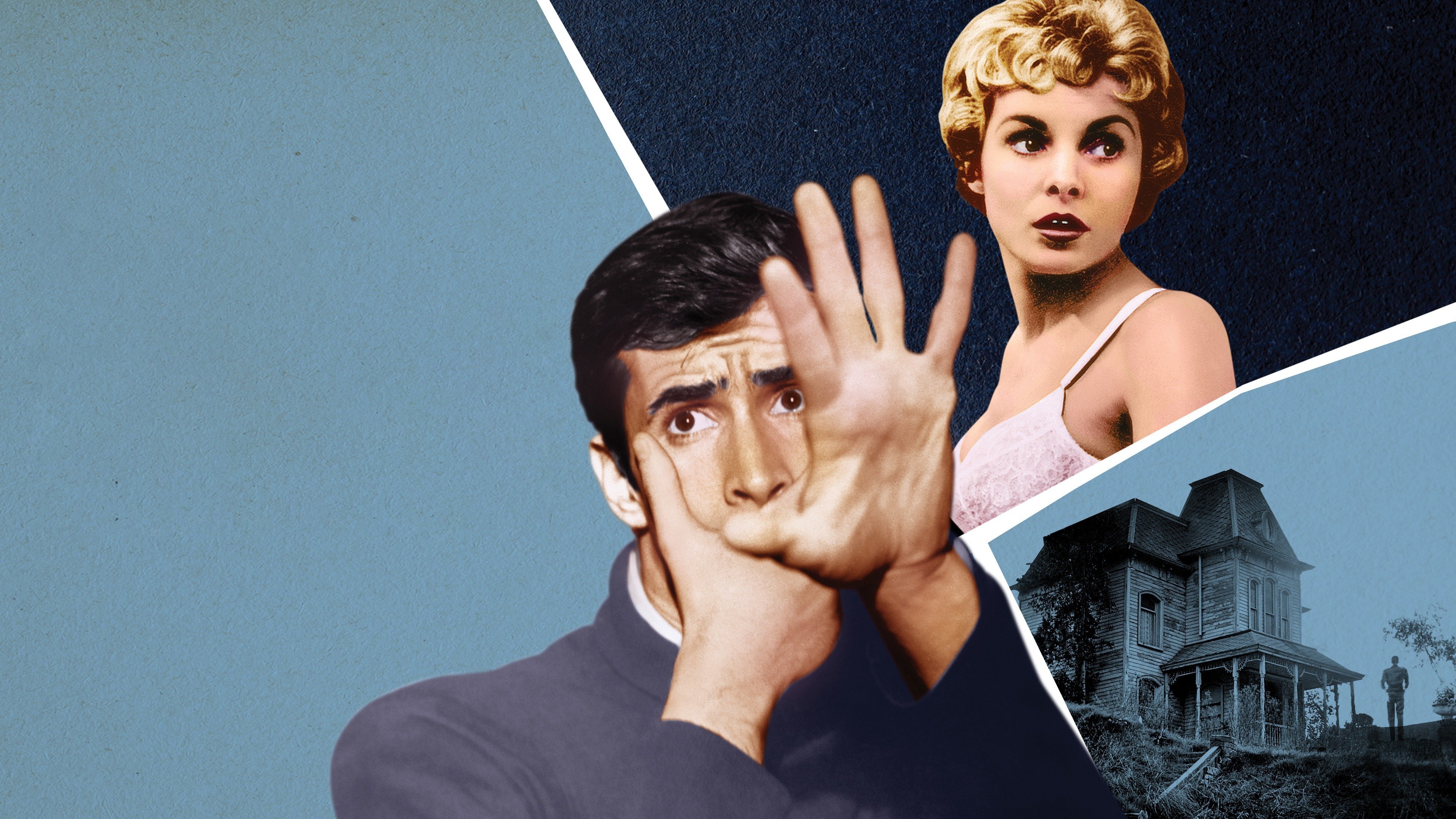
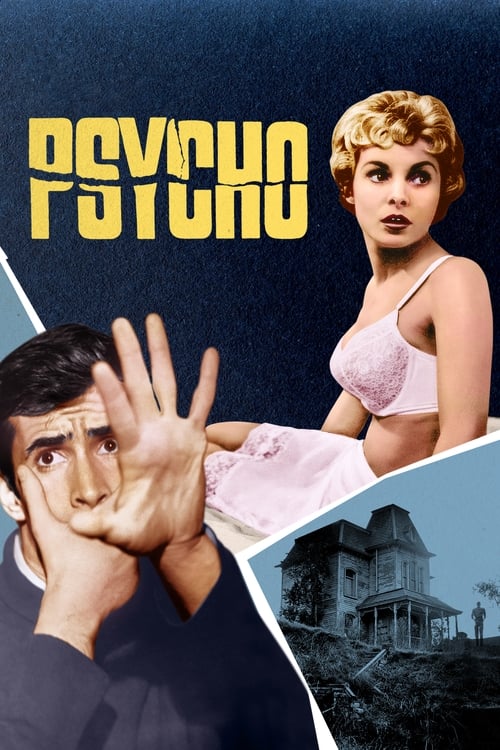
Psycho

⚡96% Match
Identity DissociationFreudian GuiltVoyeuristic Dread

Alfred Hitchcock pulls off an audacious structural heist, eliminating his supposed heroine forty minutes in to trap viewers inside the disturbed psyche of Norman Bates. Anthony Perkins plays Bates with an agonizing, birdlike vulnerability, balancing filial piety with murderous repression. Bernard Herrmann's shrieking strings amplify the suffocating atmosphere of the Bates Motel, turning shadow and domestic voyeurism into instruments of pure anxiety. It established the grammar of psychological horror by demonstrating that the ultimate monster carries no supernatural pedigree—only the warped, untreatable fractures of an unmoored domestic trauma.

Stream Now (US)

Watch on Provider

2
The Shining - Ranking #2 Recommendation

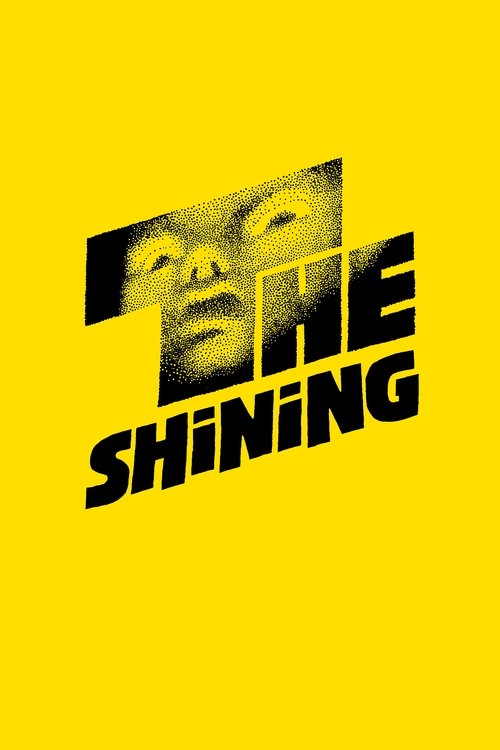
The Shining

⚡94% Match
Cabin Fever PsychosisDomestic TyrannyArchitectural Claustrophobia

Stanley Kubrick turns Stephen King's haunted hotel yarn into an icy, geometric dissection of domestic breakdown. Jack Nicholson’s gradual decay from frustrated patriarch to murderous vessel is framed with unnerving Steadicam tracking shots through endless labyrinthine hallways. Kubrick replaces shadows with sterile fluorescent lighting and cavernous silence, stripping away Gothic crutches to scrutinize alcoholism, isolation, and writer’s block. Its psychological horror works because the ghosts feel secondary to Jack's pre-existing rage; the Overlook Hotel merely opens the pressure valve on a human mind desperate to destroy itself and its family.

Stream Now (US)

Watch on Provider
3
Rosemary's Baby - Ranking #3 Recommendation

Rosemary's Baby

⚡92% Match
Systemic GaslightingParanoid IsolationBodily Autonomy

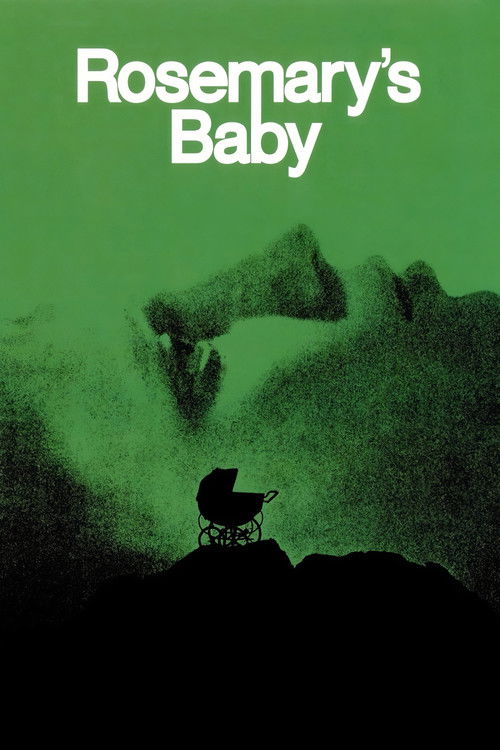
Roman Polanski builds an inescapable labyrinth of domestic gaslighting within the Gothic confines of the Dakota. Mia Farrow delivers a fragile, career-defining performance as Rosemary Woodhouse, an expectant mother whose bodily autonomy is systematically dismantled by smiling neighbors and a self-serving husband. The camera lingers on mundane domesticity—chalky herbal drinks, muffled hallway conversations, and patronizing doctors—amplifying an oppressive sense of entrapment. The film excels at psychological horror by making institutional skepticism the villain; it forces viewers to inhabit Rosemary’s paralyzing terror where society insists her instincts are merely hysterical delusions.

4
Black Swan - Ranking #4 Recommendation

Black Swan

⚡90% Match
Perfectionist ManiaDoppelgänger ParanoiaArtistic Self-Destruction

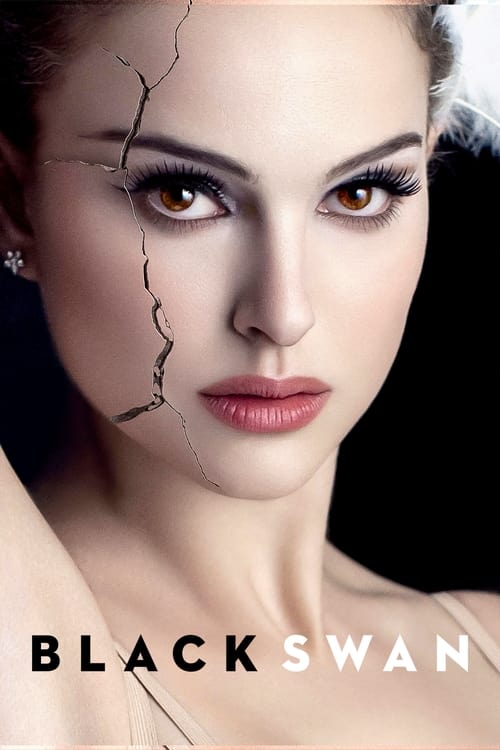
Darren Aronofsky converts the high-stakes discipline of professional ballet into a suffocating, body-warping nightmare. Natalie Portman plays Nina Sayers with frantic, brittle perfectionism, chronicling an artist disintegrating under the oppressive expectations of her mother and artistic director. Utilizing handheld camerawork and fractured mirrors, the film blurs hallucinations with reality until every scratch, feather, and pirouette bleeds paranoia. As a psychological horror work, it excavates the toxic intersection of artistic obsession and self-annihilation, illustrating how the desperate pursuit of immaculate technique can fracture the ego beyond repair.

5
Get Out - Ranking #5 Recommendation

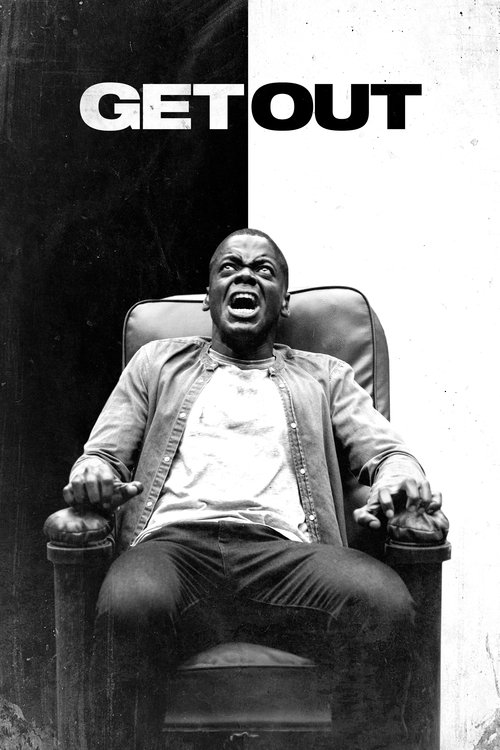
Get Out

⚡88% Match
Suburban ParanoiaHypnotic EnslavementRacial Subjugation

Jordan Peele’s directorial debut operates with razor-sharp satirical precision, disguising an insidious study of racial dread under the guise of an awkward weekend meet-the-parents trip. Daniel Kaluuya anchors the narrative with subtle, watchful skepticism as Chris Washington, slowly piecing together the uncanny microaggressions lurking behind affluent liberal hospitality. The sunken place stands as an indelible visual metaphor for total physical paralysis coupled with mental clarity. By weaponizing suburban politeness into existential dread, Peele reframes psychological horror around systematic erasure and the terrifying vulnerability of being weaponized against your own mind.

6
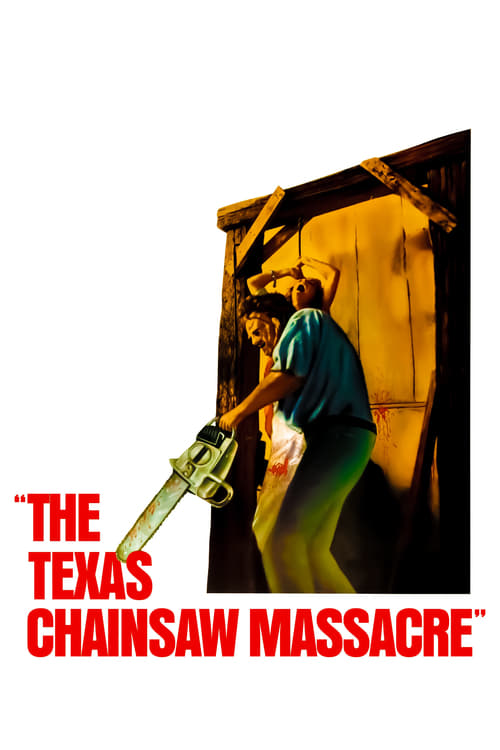
The Texas Chain Saw Massacre - Ranking #6 Recommendation
Sensory OverloadHeatstroke HysteriaNihilistic Decay

Tobe Hooper’s sun-drenched sunstroke nightmare operates with documentary immediacy, discarding clean Hollywood aesthetics for sweltering, grimy verisimilitude. While remembered as a raw slasher, Hooper shows surprisingly little on-screen gore, relying instead on ambient industrial clatter, suffocating heat, and sensory overload. Marilyn Burns' frantic, unhinged screams during the climactic dinner scene capture pure hysteria pushed to the absolute breaking point. It functions as primal psychological horror because it abandons reason entirely; the terror stems from the inescapable breakdown of rational sanity when confronted with bizarre, predatory absurdity.

Stream Now (US)

Watch on Provider
7
Split - Ranking #7 Recommendation

Split

⚡84% Match
Dissociative IdentityAdaptive TraumaSubterranean Captivity

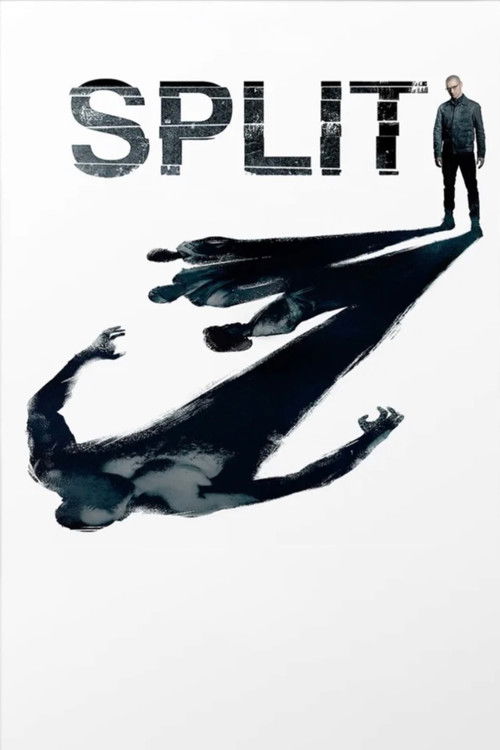
M. Night Shyamalan crafts a claustrophobic chamber piece anchored by James McAvoy’s astonishing multi-role performance as Kevin Wendell Crumb. Staged primarily in stark underground service rooms, the film builds friction through personality shifts rather than sudden shocks, letting tonal unpredictability drive the tension. Anya Taylor-Joy plays Casey with an understated, trauma-informed wariness that matches McAvoy’s volatile energy beats. Its psychological horror lies in examining how severe childhood abuse fractures consciousness, treating the human psyche not merely as a site of terror, but as a dangerous adaptive ecosystem.

Stream Now (US)

Watch on Provider

8
A Quiet Place - Ranking #8 Recommendation

A Quiet Place

⚡82% Match
Hypervigilance ExhaustionAcoustic DreadParental Guilt

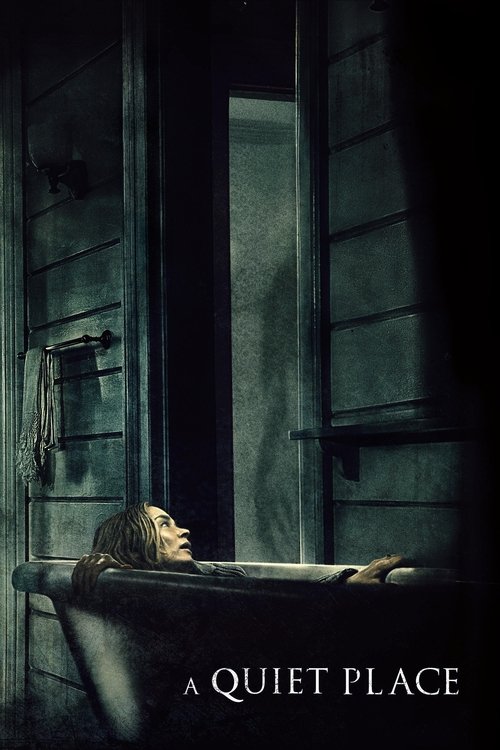
John Krasinski strips away cinematic dialogue to build an economy of silence where the slightest misstep brings swift death. The film’s brilliance stems from its tactile vulnerability—every creaking floorboard, exposed nail, and muted breath becomes a trigger for acute panic. Emily Blunt and Krasinski convey complex familial grief and parental dread almost entirely through nuanced facial micro-expressions. Within the psychological horror framework, the film transforms everyday sensory awareness into continuous psychological exhaustion, proving that constant, high-strung hypervigilance is just as terrifying as any monster lurking outside the farmhouse walls.

9
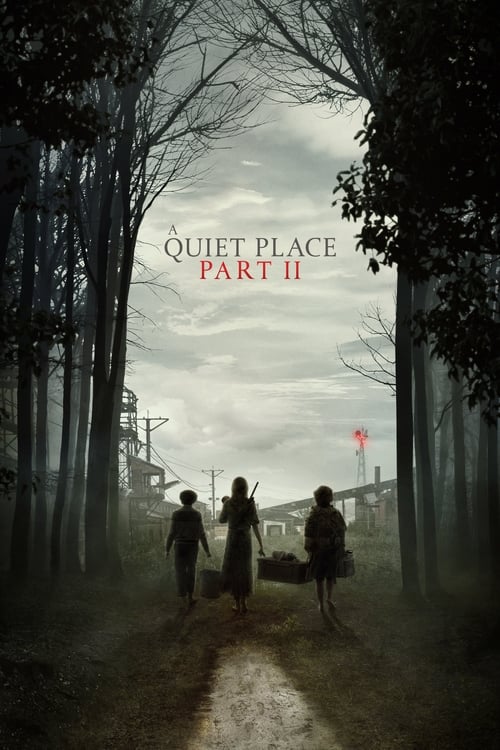
A Quiet Place Part II - Ranking #9 Recommendation
Sensory IsolationTerritorial ParanoiaPost-Disaster Grief

Expanding beyond the isolation of the original farmhouse, John Krasinski pushes the surviving Abbott family onto the open road, compounding physical danger with acute social distrust. Millicent Simmonds emerges as the film's steely heart, carrying entire sequences through silent, high-stakes spatial problem-solving alongside a weary Cillian Murphy. Krasinski uses cross-cutting and sudden sonic drops to ratchet up parallel crises without relying on cheap trickery. It leans effectively into psychological horror by depicting how long-term acoustic isolation erodes human empathy, replacing communal survival instincts with deep-seated territorial dread.

10
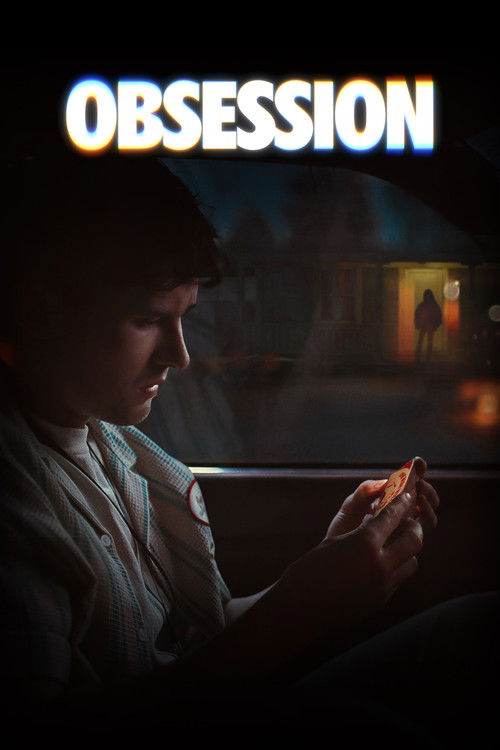
Obsession - Ranking #10 Recommendation

Obsession

⚡78% Match
Unrequited DelusionErosion of AgencyObsessive Fixation

This compact micro-budget indie strips supernatural wish-fulfillment down to its ugliest emotional core. When a desperate protagonist leverages an arcane willow tree to command affection, the narrative sidesteps romantic fantasy in favor of a grim portrait of obsessive fixation and moral compromise. Tight framing and discordant ambient scoring trap the audience alongside an unhinged narrator whose reality twists under the weight of forced intimacy. As an outlier in psychological horror, it demonstrates how possessive delusions warp everyday morality, making the erosion of free will far more disturbing than any physical haunting.

⚡ At-A-Glance Comparison: Top Ranked Picks

Summary breakdown of release years, match DNA, and where to stream in the US.

RankMovie TitleYearThematic DNAWhere to Stream (US)
#1Psycho1960
Identity DissociationFreudian Guilt
Netflix, Peacock Premium
#2The Shining1980
Cabin Fever PsychosisDomestic Tyranny
HBO Max Amazon Channel, AMC+ Amazon Channel
#3Rosemary's Baby1968
Systemic GaslightingParanoid Isolation
fuboTV, Paramount Plus Premium
#4Black Swan2010
Perfectionist ManiaDoppelgänger Paranoia
VOD / Digital
#5Get Out2017
Suburban ParanoiaHypnotic Enslavement
fuboTV, Peacock Premium
#6The Texas Chain Saw Massacre1974
Sensory OverloadHeatstroke Hysteria
Netflix, Amazon Prime Video
#7Split2017
Dissociative IdentityAdaptive Trauma
Netflix, Netflix Standard with Ads
#8A Quiet Place2018
Hypervigilance ExhaustionAcoustic Dread
fuboTV, MGM+ Amazon Channel
#9A Quiet Place Part II2021
Sensory IsolationTerritorial Paranoia
Paramount Plus Premium, Paramount Plus Essential
#10Obsession2026
Unrequited DelusionErosion of Agency
Peacock Premium, Peacock Premium Plus

Frequently Asked Questions

Key answers for film lovers looking for titles like Most Underrated Psychological Horror Movies You Need to Watch.

Psychological horror emphasizes the unstable mental and emotional states of its characters rather than external monsters or graphic gore. It builds tension through paranoia, unreliable narration, and ambient dread, forcing audiences to question reality alongside the protagonist.