1
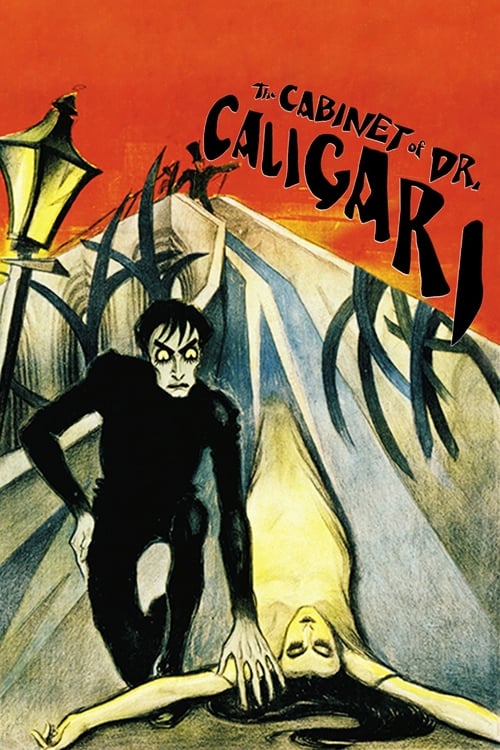
The Cabinet of Dr. Caligari
96% Match
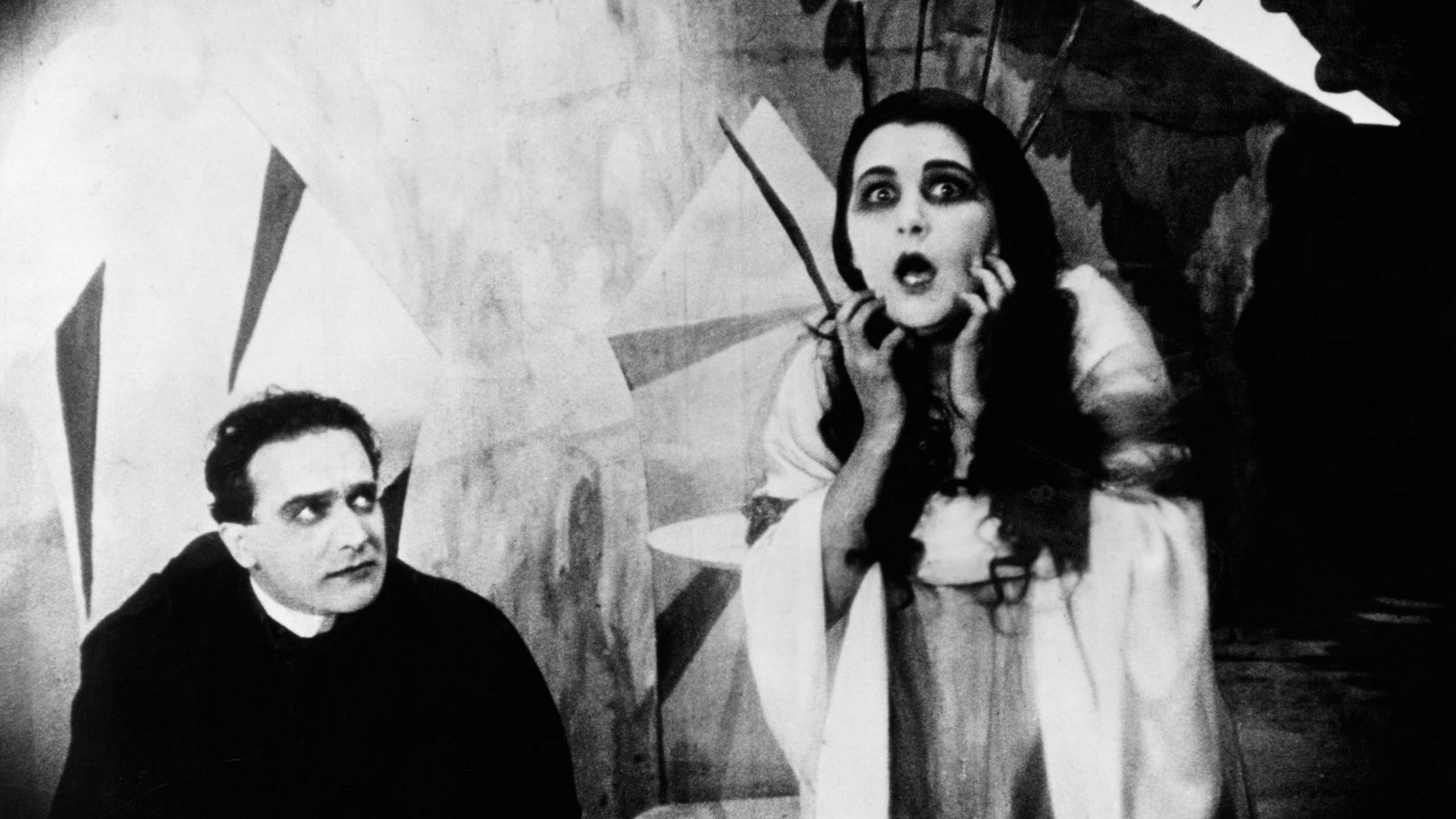
Robert Wiene crafts a waking nightmare out of jagged cardboard, distorted angles, and sharp painted shadows. The story of Francis detailing the homicidal rampage orchestrated by an asylum director and his somnambulist puppet Cesar remains an audacious visual feat of German Expressionism. Wiene physicalizes psychic distress directly into the production design, forcing the architecture itself to bend under personal madness. As cinema's inaugural study in deceptive framing, the narrative upends itself by revealing Francis’s testimony as the rambling projection of an asylum inmate. It established the bedrock grammar of visual deception, proving that a film's camera can lie just as effortlessly as any mortal speaking voice.