
Introduction
From the moment the credits roll, 12 Years a Slave leaves an indelible mark, a visceral experience that is both rough and profoundly moving. This is not a film that allows for casual viewing; it demands attention and delivers an unflinching look at one of history's darkest chapters. For those who sought it out during its initial limited release, navigating the sparse theater landscape was a small price to pay for such a powerful cinematic journey.
The film plunges viewers into the disturbingly true story of Solomon Northup, a free African-American man living in New York, who is cruelly abducted and sold into slavery. His life, once his own, is violently stripped away, forcing him into a brutal existence where human beings are treated as mere commodities. This narrative immediately sets a tone of stark realism, promising a historical account far removed from any sugarcoated versions.
The Lead Dynamic & The Action
At the heart of 12 Years a Slave is the extraordinary performance by Chiwetel Ejiofor as Solomon Northup. His portrayal is nothing short of phenomenal, anchoring the entire film with a depth and raw emotion that is impossible to ignore. From the initial shock of his enslavement to the gradual, soul-crushing realization that his freedom is gone, Ejiofor conveys every nuance of Northup's harrowing journey. It's a performance so central and compelling that it rightfully positions him as a prime contender for top acting honors.
The film refuses to shy away from the brutal realities of slavery. It's unapologetically graphic, depicting the violence and dehumanization with a stark realism that challenges the viewer. This isn't a historical drama that softens the edges; it presents the injustice of buying, selling, and trading people with a visceral impact that previous cinematic attempts often missed. The film makes it clear that to truly do justice to the subject, one must confront its full, gory fashion, and it does so with unwavering commitment.
Cameos, Nostalgia & Narrative Stakes
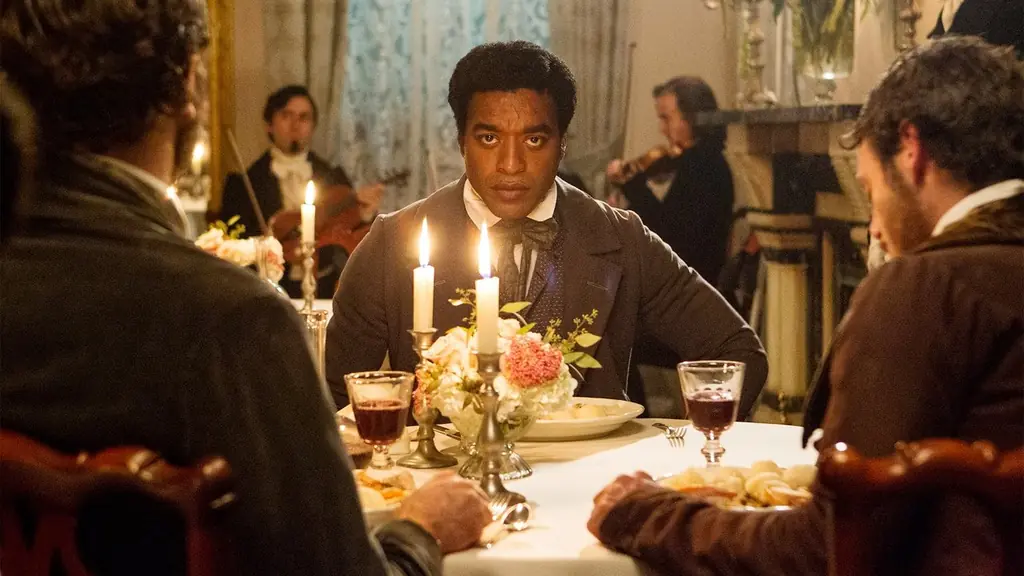
While Chiwetel Ejiofor carries the narrative, the supporting cast delivers equally powerful performances, each contributing to the film's oppressive atmosphere. Even brief appearances, like that of Brad Pitt, feel purposeful, with actors clearly drawn to being part of such a significant project. Benedict Cumberbatch plays one of Northup's slave owners, a character who, by the grim standards of the time, might be considered "not bad." Yet, the film astutely reminds us that "as far as slave owners go, he's a slave owner," highlighting the inherent moral bankruptcy of the institution.
Then there's Michael Fassbender as the sadistic slave owner Edwin Epps, a character so vile he makes other cinematic villains seem tame. Fassbender embodies pure malevolence, delivering monologues that reveal a chilling detachment and a profound capacity for cruelty. His performance is so disturbingly real, it draws comparisons to the intensity of Calvin Candie from Django Unchained, but without any of the stylized distance. This is not a film where audiences can kick back and enjoy a villain's antics; Fassbender's portrayal is designed to disturb and horrify, and he succeeds completely. The collective strength of the ensemble ensures that every character, no matter how brief their appearance, contributes to the film's overwhelming sense of narrative stakes.
Tone, Direction & Creative Freedom
Steve McQueen's direction is masterful, guiding the film with an unflinching gaze that never sensationalizes but always confronts. The tone is one of relentless realism, refusing to sugarcoat the horrors of slavery. This approach is crucial, as it allows the film to effectively convey the profound injustice and brutality without ever feeling exploitative. McQueen ensures that the audience experiences the full weight of Northup's ordeal, making it clear that this is a story that demands to be told with absolute honesty.
The film's pacing, while deliberate, serves to immerse the viewer in Northup's prolonged suffering. It's a testament to McQueen's vision that the film maintains its grip, even through its most difficult scenes. This is cinema that aims to educate and provoke thought, rather than simply entertain, and it achieves this through a powerful combination of direction, performance, and an unwavering commitment to historical accuracy.
The Final Verdict
12 Years a Slave is not an easy watch. It's rough, disturbing, and will likely leave viewers speechless and profoundly affected. Comparisons to films like Schindler's List and The Shawshank Redemption are apt, as it shares their capacity to deeply move and challenge an audience. This is a film that hits hard, like a precisely aimed knife, leaving an unforgettable impact.
Despite its difficulty, or perhaps because of it, 12 Years a Slave is absolutely worth watching. It stands as one of the year's best films, a powerful and essential piece of cinema that demands to be seen. It's okay to cry; the film earns every tear. This is an awesometacular achievement, a vital historical document brought to life with unparalleled intensity and emotional resonance.
What Worked
- [[person:5294|Chiwetel Ejiofor]] delivers a career-defining, awards-worthy performance.
- Unflinching and brutally honest portrayal of slavery's horrors.
- Powerful and effective storytelling that avoids sugarcoating history.
- Exceptional supporting cast, particularly [[person:17288|Michael Fassbender]]'s chilling villain.
- A profoundly important and essential historical film.
What Didn't Work
- Extremely difficult and emotionally draining to watch.
- The graphic brutality can be overwhelming for some viewers.
- Not a film for those seeking light entertainment.



