Introduction
The end of the year always brings a flurry of films vying for awards season glory, and among them, the musical biopic often makes a reliable appearance. This time, it's A Complete Unknown, a film that arrived with the promise of James Mangold's steady hand and a captivating lead performance. Audiences were eager to see how this take on a legendary figure would navigate the well-trodden path of musical biopics, especially with such a specific focus.
The Lead Dynamic & The Action
A Complete Unknown zeroes in on a crucial, tumultuous period in Bob Dylan's life: 1961 to 1965. This isn't a sprawling cradle-to-grave narrative; instead, it hones in on the intense pressure Dylan faced as he dared to outgrow the folk genre that made him famous. The central tension revolves around his controversial shift to electric music, a move that alienated a significant portion of his devoted fanbase. This isn't the typical "sex, drugs, and rock & roll" spiral; it's a far more nuanced exploration of an artist's struggle with expectation versus evolution.
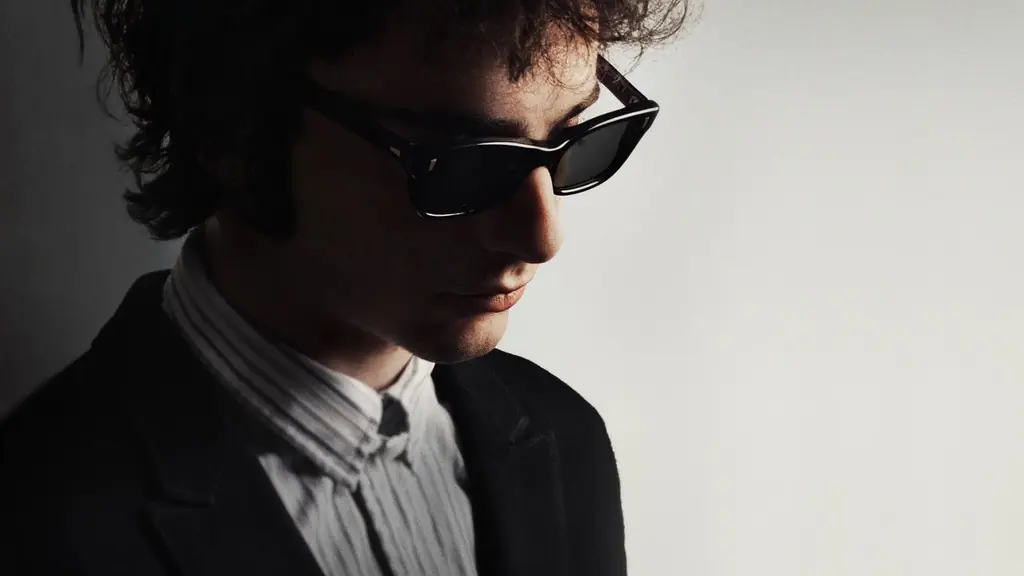
At the heart of it all is Timothée Chalamet as Dylan, and he truly disappears into the role. Any initial skepticism about his casting quickly evaporates. Chalamet doesn't just mimic; he embodies the quiet intensity and raw talent of the young Dylan, even genuinely playing the guitar. His performance avoids the one-note portrayal often found in biopics, instead showcasing the profound weight of the spotlight on an inherently introverted artist.
Cameos, Nostalgia & Narrative Stakes
While the film is undeniably centered on Dylan, the supporting cast shines brightly. Edward Norton delivers a strong turn as Pete Seeger, and Monica Barbaro impresses as Joan Baez. However, the absolute standout, despite limited screen time, is Boyd Holbrook as Johnny Cash. His portrayal is next-level, a testament to the film's commitment to strong performances across the board. It's a clever nod, given James Mangold's previous work on Walk the Line.
The film excels in its period authenticity. Unlike many modern productions that attempt a mid-century setting with an artificial, "Instagram filter brown hue," A Complete Unknown genuinely transports viewers to the 1960s. The visual fidelity is commendable, making the world feel lived-in and real. The narrative, however, does feel a bit fast-tracked in places, with the passage of time occasionally feeling less fluid than it should. The decision to limit the story to just four years, while focusing, also leaves a sense that there's much more to tell.
Tone, Direction & Creative Freedom
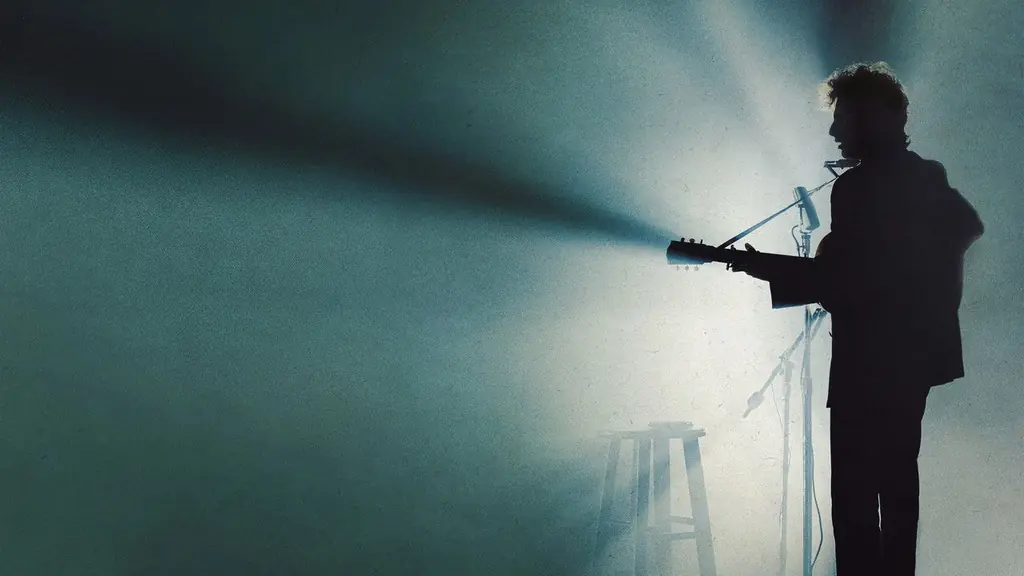
James Mangold masterfully crafts a tone that is both intimate and expansive. He delves into the unique pressures of fame, not just the general burdens seen countless times, but specifically the expectations imposed by the very community that elevated an artist. The film explores the idea that outgrowing one's origins can be as challenging as achieving success itself. It's a thoughtful examination of artistic integrity versus public demand, handled with a keen eye for detail and emotional resonance. The direction allows the story to unfold organically, focusing on the internal conflict rather than external theatrics.
The Final Verdict
A Complete Unknown is a thoroughly entertaining biopic that offers a compelling look at a pivotal moment in music history. It's a film that resonates with its authentic performances and period detail, even if its pacing occasionally rushes through key developments. For those interested in the evolution of an artist and the complex relationship between creator and audience, this is a journey well worth taking.
What Worked
- Timothée Chalamet's immersive, nuanced portrayal of Bob Dylan.
- Sharp focus on Dylan's pivotal and controversial genre shift.
- Outstanding supporting performances, especially Boyd Holbrook as Johnny Cash.
- Authentic 1960s aesthetic that avoids artificial period filters.
- Thought-provoking exploration of artistic pressure and fame's weight.
What Didn't Work
- The limited 1961-1965 scope leaves much of Dylan's story untold.
- Pacing issues, with the passage of time feeling occasionally rushed.
- Some initial biopic formula tropes in the setup.