Introduction
The enduring bond between humans and their canine companions has long been a wellspring of cinematic inspiration, and Arthur the King arrives to tug at those heartstrings with an adventurous twist. Audiences were primed for a tale of grit, determination, and an unlikely friendship forged in the crucible of extreme sports. This film promises an emotional journey, following an aging athlete on his last shot at glory, whose path unexpectedly intertwines with a stray dog. It’s a setup that immediately resonates, tapping into that universal soft spot for underdog stories—both human and canine—and setting the stage for a narrative that aims to be both thrilling and deeply moving.
The Lead Dynamic & The Action
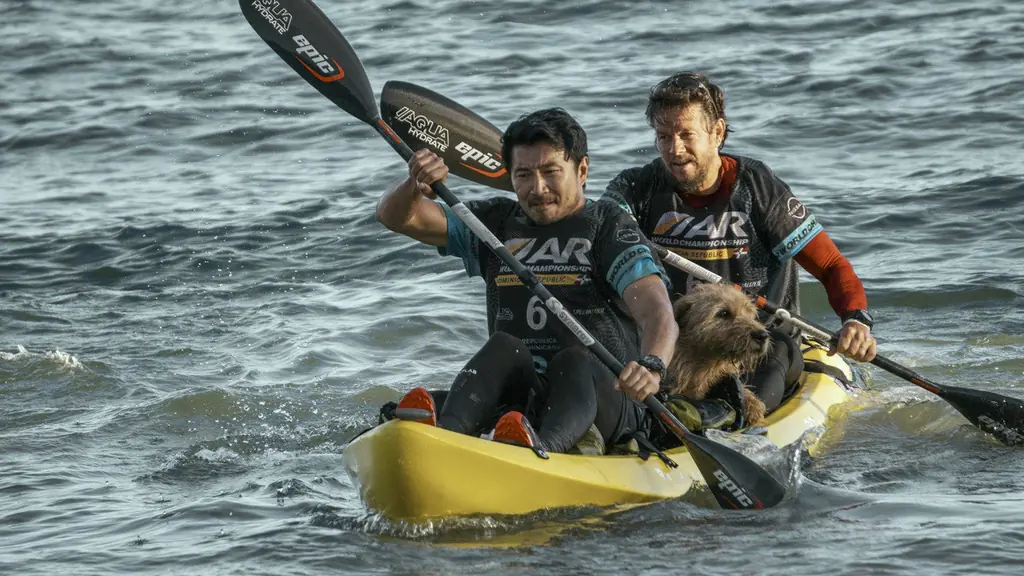
At its core, Arthur the King attempts to weave two distinct narratives, which at times feels a little disjointed. On one hand, there's the high-octane world of endurance racing, spearheaded by Mark Wahlberg's character, an athlete desperate for a win. He assembles a crew, including Simu Liu, Juliet Rylance, and Nathalie Emmanuel, for one final, grueling competition. On the other, there's the compelling story of Arthur, the titular dog, who is thankfully treated as a fully-fledged character rather than a mere plot device. The film periodically shifts focus to Arthur's own struggles and journey—scrounging for food, evading other dogs—ensuring he's never an afterthought simply strolling into the narrative. This dual focus, while occasionally creating a sense of two movies vying for attention, ultimately enriches the emotional landscape, allowing both the human and animal struggles to shine.
The athletic competition itself delivers some surprisingly intense moments that defy expectations. Far from being a saccharine dog story from the outset, the film dedicates solid screen time to the grueling race, keeping viewers engaged with the physical and mental challenges faced by the team. The stakes feel real, and the viewer is genuinely invested in the outcome of the race, not just waiting for the dog to appear. One particular highlight is a zipline sequence that genuinely impresses, sparking a visceral desire to experience such an adventure firsthand. It’s a testament to the film’s ability to generate genuine tension and excitement within its sporting framework, proving that the human drama can stand on its own before Arthur fully integrates into the team. The film leans into the classic underdog sports narrative, a formula that consistently delivers feel-good moments, especially when it features an actual underdog in the form of a stray dog, making for a brilliant, double-layered pitch.
Cameos, Nostalgia & Narrative Stakes
While the film largely succeeds in its emotional beats and action sequences, some narrative choices introduce a few bumps in the road. The "based on a true story" tag often implies a degree of creative license, and Arthur the King is no exception. A significant plot point reveals that Mark Wahlberg's character funded his entry into the competition by taking a substantial sum from his wife's life savings without her knowledge. This decision, presented in a way that makes the character less sympathetic and even makes the filmmakers appear somewhat ignorant to the implications, feels like a misstep, momentarily undermining the audience's connection to the protagonist. It raises questions about the filmmakers' awareness of how such an action would be perceived, momentarily undermining the hero's journey.
Another intriguing subplot involves Simu Liu's character, a social media influencer whose online actions have real-world consequences. Early in the film, he publicly blasts Mark Wahlberg's character on social media, severely damaging his reputation and future sponsorship prospects. While the film addresses the lasting impact of such online condemnation on the victim, it notably sidesteps the opportunity to explore the responsibility of those wielding large social media platforms. This feels like a missed chance for a more nuanced discussion, reducing a potentially teachable moment to a one-sided conversation. The film acknowledges the "both can be true" scenario—that one person can be a bad leader while another acts irresponsibly with social media—but ultimately doesn't fully explore the latter, leaving a valuable lesson on the table.
Tone, Direction & Creative Freedom
Simon Cellan Jones directs Arthur the King with a clear vision for a family-friendly, feel-good experience. The tone is largely safe and, at times, a touch cheesy, but it consistently aims for warmth and inspiration. The film understands its audience, delivering on the promise of an emotional journey without veering into overly dark or complex territory. This approach makes it a solid choice for a family night out, offering broad appeal and a comforting cinematic experience. The narrative carefully balances the intensity of the race with the heartwarming development of the bond between human and dog, ensuring that the emotional core remains central.
However, it's in the final act that the film truly unleashes its emotional power. The last 20 minutes are an absolute roller coaster, designed to wring every possible tear and gasp from the audience. For those susceptible to dog movies, prepare for an intense emotional ride, as the film expertly strings viewers along, constantly questioning whether a happy ending is truly in store. The narrative skillfully builds suspense, making the audience genuinely fear for Arthur's fate, creating a palpable sense of dread and hope. Thankfully, the film delivers a satisfying conclusion, providing the emotional payoff that dog lovers and fans of underdog stories crave. It’s a testament to the film’s ability to deliver on its core promise, even with a few narrative stumbles along the way, ultimately leaving viewers with a sense of fulfillment.

The Final Verdict
Arthur the King is an engaging athletic competition film with a genuinely sweet dog angle that elevates it beyond a typical sports drama. Despite a couple of character missteps and a slightly disjointed feel from its dual focus, the movie offers a compelling and often intense viewing experience. If you're a dog person, this film is undeniably tailored for you. If you enjoy inspiring underdog sports narratives, you'll find plenty to appreciate. And if you happen to be both, then this movie is practically a bespoke cinematic experience. It’s a solid pick for a family outing, delivering feel-good moments and a powerful emotional punch, proving that sometimes, all you need is a good dog and a challenging race to find your true purpose and a satisfying cinematic journey.
What Worked
- Arthur is a well-developed, central character.
- Engaging and intense athletic competition sequences.
- The zipline scene provides genuine thrills.
- Delivers a powerful emotional roller coaster in its final act.
- A genuinely feel-good and family-friendly adventure.
What Didn't Work
- Narrative can feel disjointed, like "two movies."
- Questionable character choices for the protagonist (wife's savings).
- Missed opportunity to fully explore social media responsibility.
- Can lean into cheesy territory at times.