Introduction
The musical biopic genre often feels like a well-trodden path, with familiar beats and predictable narratives. So, when news broke of Better Man, a film chronicling the life of pop icon Robbie Williams, with the unconventional twist of portraying its lead as an ape, skepticism was a natural first reaction. Many wondered if this was a desperate gimmick, a sign of a subgenre running on fumes. Yet, from its limited December 2024 release to its wider debut, this film, directed by Michael Gracey, proves that sometimes, the wildest gambles pay off, delivering a surprisingly energetic and deeply human story.
The Lead Dynamic & The Action
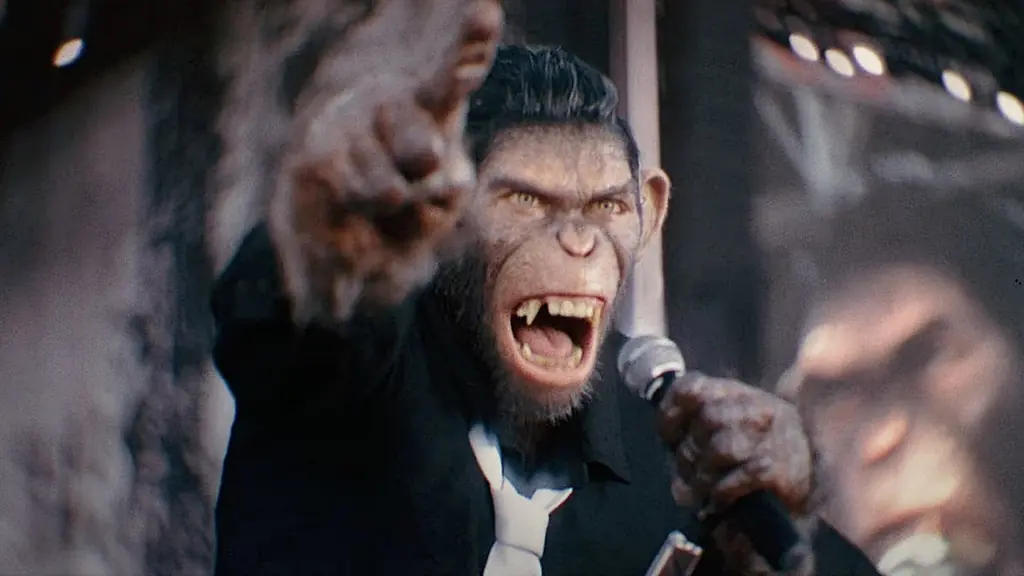
What could have been a bizarre, eye-rolling choice—casting Robbie Williams as a chimp—emerges as one of Better Man's most compelling elements. Far from a mere gimmick, this creative decision, which Robbie Williams himself reportedly co-signed, allows for a fantastical lens through which to view the often-fudged realities of a biopic. It cleverly signals to the audience that while this is a true story, it's also an interpretation, freeing the narrative from strict adherence to every single detail. This approach fosters an immediate connection, making the audience more receptive to the emotional core rather than nitpicking historical accuracy.
The film's energy is palpable, particularly in its musical sequences. These aren't just standard song-and-dance numbers; they possess a kinetic momentum that would be entertaining even on mute. The editing and visual effects shine, especially during Robbie Williams's downward spiral, where transitions from one location to the next are seamlessly woven with visual cues like a line of coke or a drink. This efficient and dynamic storytelling keeps the pace brisk, preventing the film from feeling its slightly over two-hour runtime and ensuring the audience remains engaged throughout.
Cameos, Nostalgia & Narrative Stakes
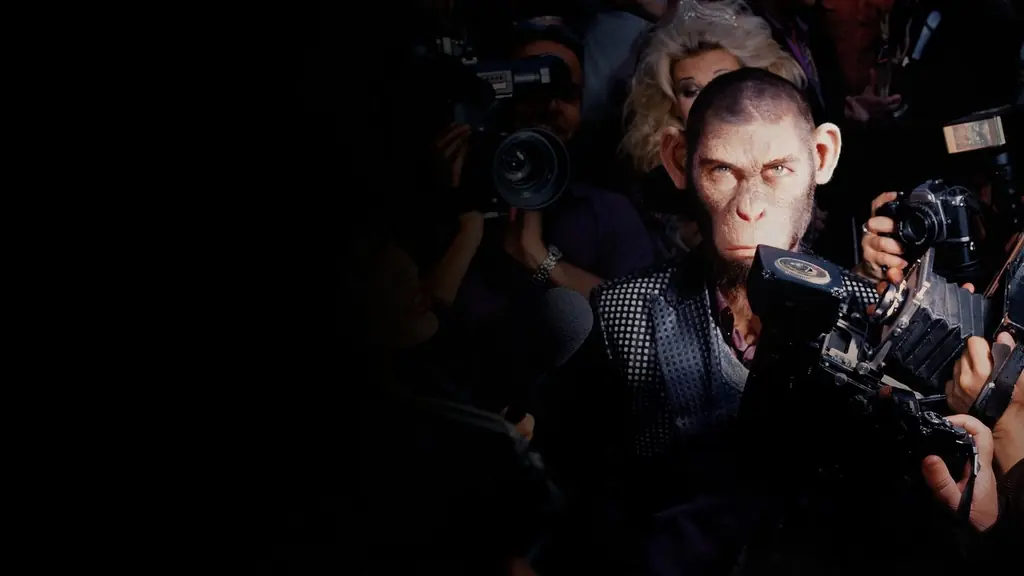
Beyond the unique visual metaphor, Better Man truly excels in its exploration of the human condition beneath the glare of fame. While many biopics show the byproduct of industry pressures—the descent into drugs and alcohol—this film uniquely illustrates why its subject falls into these traps. It delves into the doubts, anxiety, and depression that plague Robbie Williams, giving voice to the internal critic, "the voice telling you how you're f***ing up and you shouldn't even try." This nuanced portrayal makes his struggles relatable, moving beyond mere sensationalism to a genuine understanding of his inner turmoil.
A particularly poignant moment comes from a character describing the spotlight of fame like a restaurant patron's birthday, where everyone sings "Happy Birthday," and all you want is for the moment to end so you can enjoy your cake. This accessible illustration perfectly encapsulates the overwhelming nature of celebrity. Ultimately, the film's core message revolves around forgiveness and acceptance—not just forgiving others, like parents for perceived damage, but crucially, forgiving and accepting oneself. This emotional depth culminates in an ending scene that is genuinely moving, capable of eliciting "man tears" from even the most stoic viewers.
Tone, Direction & Creative Freedom
Michael Gracey's direction injects a much-needed shot of adrenaline into the biopic formula. The film's tone is consistently energetic, even when depicting the darkest moments of Robbie Williams's life. This isn't a superficial gloss; it's a purposeful choice that acknowledges the subject matter while making it accessible and, dare we say, fun. The movie understands its subject and its own narrative choices, ensuring that the fantastical elements, like the ape portrayal, never feel out of character or forced.
The creative freedom evident in Better Man is its secret weapon. By embracing an unconventional approach, it sidesteps the pitfalls of formulaic biopics, offering a fresh perspective on a familiar story. It's a testament to how a director can take a well-worn genre and infuse it with vitality, making it resonate with a contemporary audience.
The Final Verdict
Better Man is a cinematic surprise, a film that takes what audiences think they know about musical biopics and turns it on its head. It’s an engaging, energetic, and surprisingly profound journey through the life of Robbie Williams, offering a unique lens on fame, mental health, and the universal quest for self-acceptance. This is a film that doesn't just tell a story; it makes you feel it, proving that sometimes, the most audacious creative choices lead to the most rewarding cinematic experiences. It's a solid start to the cinematic year, delivering an "awesome tacular" ride that is both entertaining and deeply resonant.
What Worked
- Energetic and engaging storytelling
- Unique and effective "chimp" metaphor for fame and struggle
- Powerful exploration of anxiety, depression, and self-forgiveness
- Well-executed musical sequences and dynamic transitions
- Accessible and relatable human story at its core
What Didn't Work
- Initially appears to follow some biopic genre conventions
- Doesn't fully delve into the "shittier" lows of its subject's life (a common biopic trait)
- The unconventional "ape" concept might deter some viewers at first
- Slightly over two hours, though efficiently paced