Introduction
The original Black Phone arrived as a surprising, self-contained horror hit, leaving audiences both thrilled and satisfied. Its unexpected success, however, inevitably paved the way for Black Phone 2, a sequel that arrives with the weight of expectation and the challenge of expanding a story that felt complete. This follow-up, with Scott Derrickson once again at the helm, attempts to dive deeper into the supernatural aftermath, but the question remains: was this a necessary call?
The Lead Dynamic & The Action
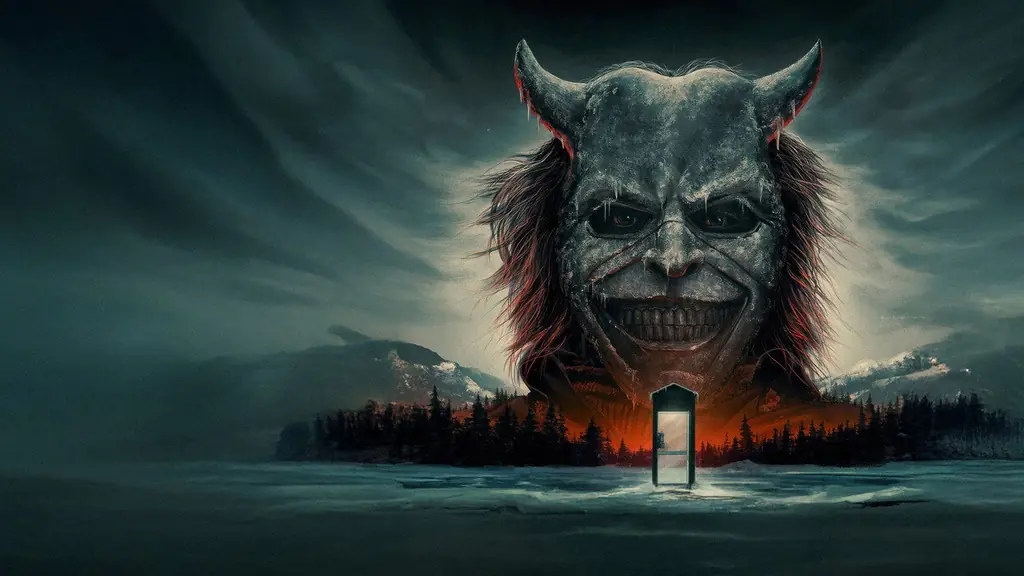
Three years after the harrowing events of the first film, the focus shifts dramatically. While Mason Thames' Finny remains a co-lead, the narrative truly revolves around his sister, Gwen, played with conviction by Madeleine McGraw. The Grabber, portrayed by Ethan Hawke, is no longer confined to a physical basement; he now invades dreams, turning sleep into a terrifying battleground. The concept is clear: what happens in the dream, stays in the body. This shift from a claustrophobic missing persons thriller to a full-blown supernatural horror feels like a deliberate, if somewhat familiar, genre pivot. While the original thrived on its grounded tension, this sequel ventures into territory that inevitably draws comparisons to classic dream-stalking villains, sometimes feeling more like "dollar store Freddy Krueger goes to camp" than a fresh take.

Cameos, Nostalgia & Narrative Stakes
The film attempts to expand its lore, peeling back layers of information to reveal new truths about the Grabber's abilities. However, this ambition is often undermined by a surprising predictability. Many of the "reveals" are telegraphed far in advance, diminishing any sense of genuine surprise. The pacing, a strong suit of the first film's "deliberate" approach, often feels like a "slog" here, with moments that could easily have been trimmed. A significant point of contention arises with the Grabber's evolving powers. Initially, he can only harm Gwen in her dreams, but later, he inexplicably becomes a poltergeist capable of inflicting real-world damage on anyone while they're awake. This inconsistency in the established rules of the universe is a frustrating misstep, leaving viewers questioning why such a powerful entity didn't simply act sooner.
Tone, Direction & Creative Freedom
Despite its narrative stumbles, Black Phone 2 is "shot really well," showcasing some "interesting choices" in its visual execution. The dream sequences, in particular, stand out, filmed with a grainy, 16mm aesthetic that effectively conveys a sense of unease and disorientation. This visual distinction is crucial, helping to differentiate between the waking world and the nightmare realm. Scott Derrickson also includes flashback sequences that are genuinely "disturbing," though the film occasionally crosses the line into "gratuitous violence on kids," leaving one to wonder if every brutal detail was truly necessary for the story. While the acting is generally "fine," particularly from the young leads, some of the dialogue in emotional moments can feel surprisingly "silly," detracting from the film's more serious themes.
The Final Verdict
Black Phone 2 is not an overtly bad film, but it undeniably suffers from "sequelitis." It's an inferior follow-up to a superior original that, frankly, didn't need to happen. While it offers some compelling emotional beats, particularly in exploring Finny's ongoing trauma from the first film, its predictable plot, inconsistent lore, and sluggish pacing prevent it from reaching the same heights. For those curious about the continuation of the story, it's a film "worth checking out when it comes out on streaming," but it's unlikely to leave the same lasting impression as its predecessor.
What Worked
- Visually striking dream sequences with a grainy, 16mm aesthetic.
- Strong performances from the returning cast, especially [[person:1530558|Madeleine McGraw]].
- Thoughtful exploration of Finny's lingering trauma from the first film.
- [[person:55499|Scott Derrickson]]'s direction maintains a disturbing atmosphere.
What Didn't Work
- Pacing often feels sluggish, making the film a "slog."
- Inconsistent rules regarding the Grabber's powers in the real world.
- Dialogue in emotional moments can be surprisingly silly.
- Predictable plot undermines the lore expansion.
- Gratuitous violence on children feels unnecessary rather than informative.