Introduction
The anticipation for a sequel to Ridley Scott's seminal sci-fi classic was immense, and Blade Runner 2049 arrived with the weight of cinematic history on its shoulders. Directed by the visionary Denis Villeneuve, this follow-up promised to delve back into a dystopian future where the lines between human and artificial intelligence blur. The question on every fan's mind wasn't just if it could live up to the original, but if it could expand that world with the same thoughtful reverence. This film doesn't just attempt to answer; it embarks on a sprawling, investigative journey that feels like a true continuation, not a forced cash-grab.
Character Arcs & Dramatic Conflict
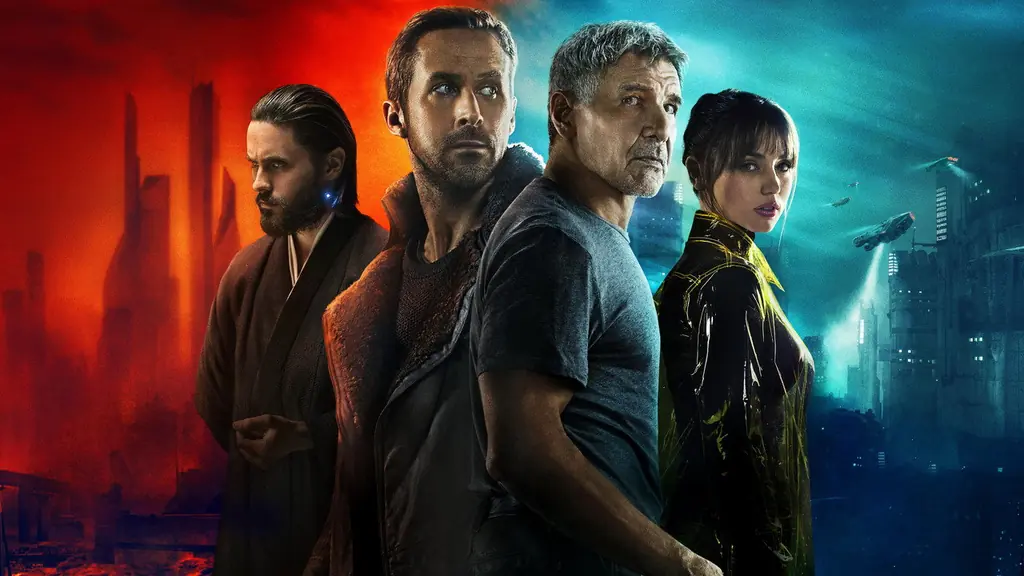
At the heart of this sprawling narrative is Ryan Gosling as K, a new generation Blade Runner tasked with "retiring" older model replicants. Gosling delivers a performance that is, as expected, nothing short of excellent, maintaining his signature stoicism while conveying a deep internal struggle. The film itself is less about explosive action sequences and more about a meticulous, investigative unraveling of a profound mystery. K's journey is a slow burn, one clue leading to another, pulling him deeper into a conspiracy that challenges the very fabric of his existence and the established order. The world-building here is exceptional; the tech and scenery are not just backdrops but integral characters, flushing out a future that feels both advanced and hauntingly analog, a clever evolution of the original's aesthetic.
Dramatic Stature & Story Arcs
One of the biggest concerns for any legacy sequel is how it handles its past. Blade Runner 2049 navigates this with remarkable grace, particularly with the return of Harrison Ford as Rick Deckard. The original film famously left Deckard's nature ambiguous, and this sequel wisely maintains that delicate balance, offering strong implications without delivering a definitive, heavy-handed answer. It's a testament to Denis Villeneuve's understanding of the source material. Supporting performances also shine, with Robin Wright delivering a strong turn. Jared Leto as the eccentric corporate head, Niander Wallace, embodies a "god complex" with a suitably "douchey" demeanor, perfectly fitting the film's exploration of humanity and creation. The narrative stakes are high, expanding on the universe in a way that feels earned and necessary, rather than simply cashing in on nostalgia.
Directorial Vision & Technical Craft
Denis Villeneuve's direction is the film's backbone, crafting a mood that is both visually stunning and intellectually stimulating. It's clear this was a passion project for him, a film made by a fan for fans. The atmosphere is thick with philosophical questions: "What is humanity? What is a soul?" These themes, while present in the original, are explored with renewed depth here. However, the film's commitment to its deliberate pace is a double-edged sword. At nearly three hours, the runtime can feel excessive, with certain conversations and plot threads feeling like they lead nowhere significant. While the original also had its moments of deliberate pacing, Blade Runner 2049 occasionally stretches patience, making some viewers wish for a tighter edit.
The Final Verdict
Blade Runner 2049 is a rare beast: a sequel that not only honors its predecessor but genuinely expands its universe with intelligence and visual grandeur. It's an immersive, thought-provoking experience that feels like a proper continuation of the Blade Runner legacy. While its deliberate pacing and extended runtime might not appeal to everyone, especially those unfamiliar with the original's contemplative style, fans of the first film will find this a deeply satisfying and essential watch. It does everything a Blade Runner sequel should, and then some, making it a film well worth seeing and owning.
What Worked
- Stunning visuals and immersive world-building.
- A truly proper and respectful sequel to the original.
- Ryan Gosling delivers a compelling lead performance.
- Thought-provoking themes of humanity and identity.
- Clever handling of the original film's ambiguities.
What Didn't Work
- Pacing can be slow and drawn out at times.
- Overly long runtime at nearly three hours.
- Some scenes feel unnecessary or lead nowhere significant.
- May not appeal to those unfamiliar with the original Blade Runner.
Frequently Asked Questions
Is Blade Runner 2049 worth watching?
Yes, Blade Runner 2049 is highly recommended, especially for fans of the original film and those who appreciate thoughtful, visually stunning science fiction.