Introduction
For years, fans have dreamed of a faithful, epic adaptation of Frank Herbert's seminal sci-fi novel. The wait is over. Dune, directed by Denis Villeneuve, arrives not as a mere remake of the 80s cult classic, but as a grand retelling of the source material, justifying its very existence on every level. Forget "Game of Thrones in space"; this is a galactic "Game of Thrones" – a sprawling saga of houses, alliances, backstabbing, and schemes, all centered around the most valuable resource in the galaxy: the spice of Arrakis.
From the moment the spice harvesters appear on screen, it's clear this isn't just a movie; it's an experience. The visuals are breathtaking, the scope immense, and the ambition palpable. This is the kind of cinematic event that demands to be seen on the biggest screen possible, a true testament to what modern filmmaking can achieve when given the right vision.
The Lead Dynamic & The Action
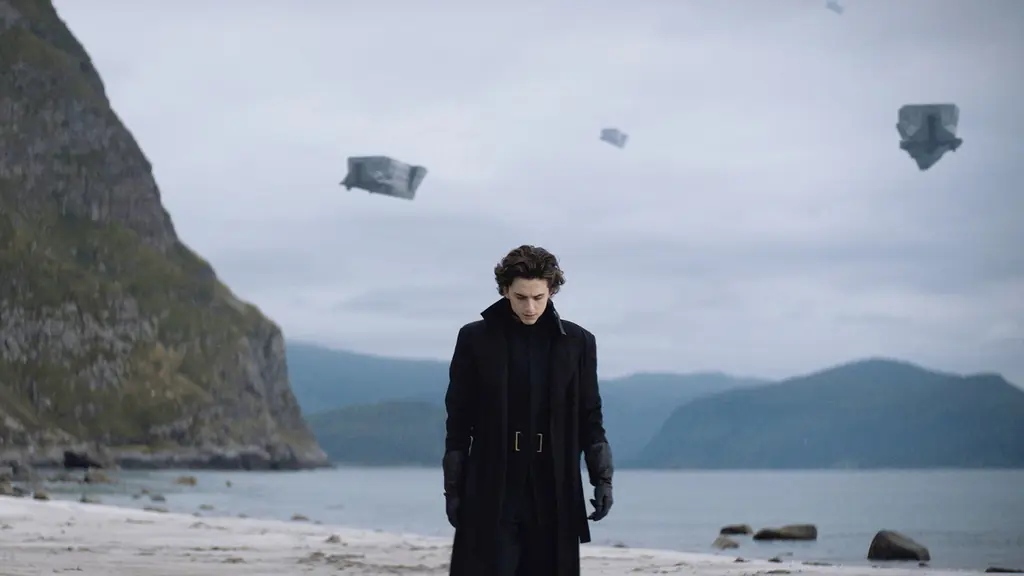
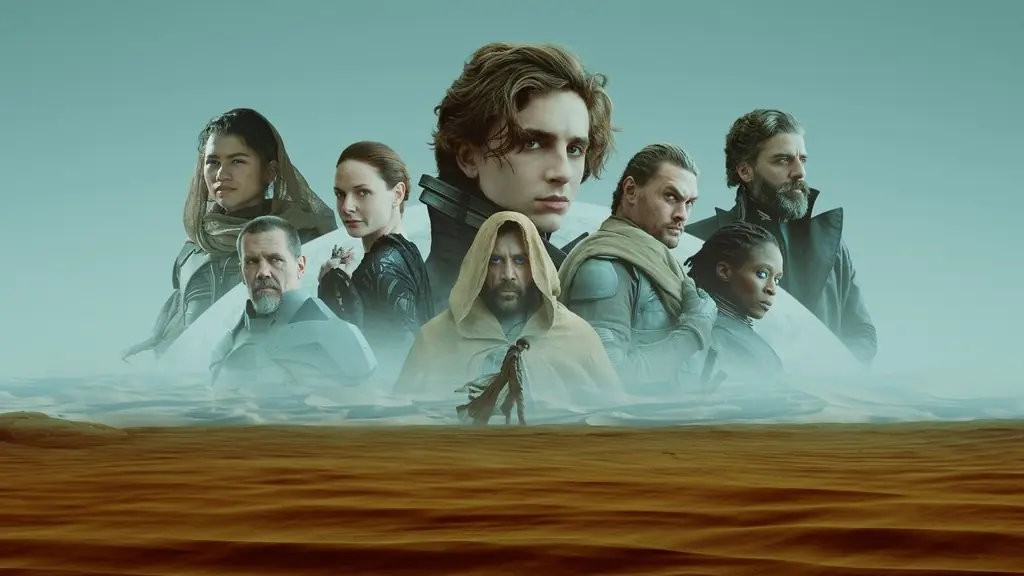
While Dune boasts a truly stacked cast, the film ultimately rests on the shoulders of Timothée Chalamet as Paul Atreides and Rebecca Ferguson as Lady Jessica. Their performances are the emotional core, anchoring the vast, intricate narrative. Chalamet embodies the reluctant hero with a quiet intensity, while Ferguson delivers a powerful, nuanced portrayal of a mother navigating treacherous political waters and her son's burgeoning destiny. Their dynamic is compelling, drawing viewers deep into the House Atreides' plight.
Beyond the leads, the supporting cast shines. Jason Momoa as Duncan Idaho brings a much-needed dose of humanity and heart to the proceedings, his character providing a grounded counterpoint to the high-stakes political machinations. Even in a world of floating, evil bastards, Momoa's presence resonates, offering moments of genuine warmth and loyalty. The film is an "orgasmic audio-visual odyssey," where every shot feels meticulously crafted to be the "greatest looking scene in existence." Paired with Hans Zimmer's evocative score, the visuals aren't just pretty; they enhance the tension, tragedy, and sheer epic scale of every moment.
Cameos, Nostalgia & Narrative Stakes
With a cast list that reads like a who's who of Hollywood, it's inevitable that some talents get more screen time than others. While Timothée Chalamet and Rebecca Ferguson dominate, actors like Stellan Skarsgård as Baron Harkonnen are menacing scene-stealers, even in limited appearances. Skarsgård's portrayal is ruthless and utterly captivating, embodying the kind of power that comes from being the wealthiest, most ruthless figure in the galaxy. Javier Bardem also makes a strong impression, hinting at a larger role to come.
Crucially, this adaptation isn't just fan service; it's a thoughtful, patient unfolding of the story. The film takes its time, catching audiences up to speed with the complex politics of the galaxy, the standing of various houses, and the intricate web of allegiances and rivalries. This deliberate pacing ensures that the narrative stakes feel real and earned, rather than rushed. It successfully justifies its existence by delivering an experience far grander and more immersive than previous attempts, proving that some stories truly benefit from a modern, expansive vision.
Tone, Direction & Creative Freedom
Denis Villeneuve's direction is nothing short of masterful. He crafts a world that feels lived-in, ancient, and utterly alien all at once. The tone is a slow burn, a signature of Villeneuve's style, but it's a burn that constantly builds, drawing you deeper into Arrakis's harsh beauty and the Atreides' unfolding tragedy. This isn't a movie you just watch; it's a world you experience. The sheer scale and detail in every frame are astonishing, making it one of the most immersive cinematic experiences of the year.
The film's greatest strength lies in its ability to translate the dense, philosophical nature of the book into a visually stunning and emotionally resonant narrative. Villeneuve doesn't shy away from the grandeur or the grit, creating a universe that feels both majestic and terrifying. It's clear that the filmmakers were given the freedom to realize their vision without compromise, resulting in a film that feels singular and uncompromising in its artistic integrity.
The Final Verdict
Dune is an awesome-tacular achievement, a truly epic cinematic experience that delivers on decades of anticipation. It's a visual and auditory marvel, with stunning performances and a meticulously crafted world. However, it's important to note that this is unequivocally "part one of two." The film concludes not with a neat resolution, but with a palpable sense of anticipation, feeling very much like the first half of a larger story. While this leaves viewers craving the next chapter, it also means the film doesn't feel entirely complete on its own. If Part Two doesn't happen, it would be a cinematic tragedy, leaving an epic saga unfinished. But for now, as an optimistic first chapter, it's an unforgettable journey into a world unlike any other.
What Worked
- Unparalleled audio-visual experience and stunning cinematography
- Strong, compelling performances from the lead cast, especially Timothée Chalamet and Rebecca Ferguson
- Successfully justifies its existence as a grand retelling of the classic novel
- Immersive world-building and meticulous attention to detail
- Epic scope and scale that enhances tension and tragedy
What Didn't Work
- Feels incomplete, very much like "half a movie" due to its part-one nature
- Reliance on a sequel for narrative resolution leaves a cliffhanger
- Pacing can be a slow burn for some viewers
- Some beloved cast members have limited screen time