
Introduction
The buzz around 1917 was palpable, promising a World War I epic unlike any other. Directed by the visionary Sam Mendes, a filmmaker known for his keen eye and ability to craft compelling narratives, anticipation was high. Mendes, who previously showcased his flair for extended takes in the opening sequence of Spectre, seemed to be dipping his toes into a technique he was ready to fully embrace. The stage was set for a cinematic experience that aimed to redefine immersion, and it delivered.
The Lead Dynamic & The Action
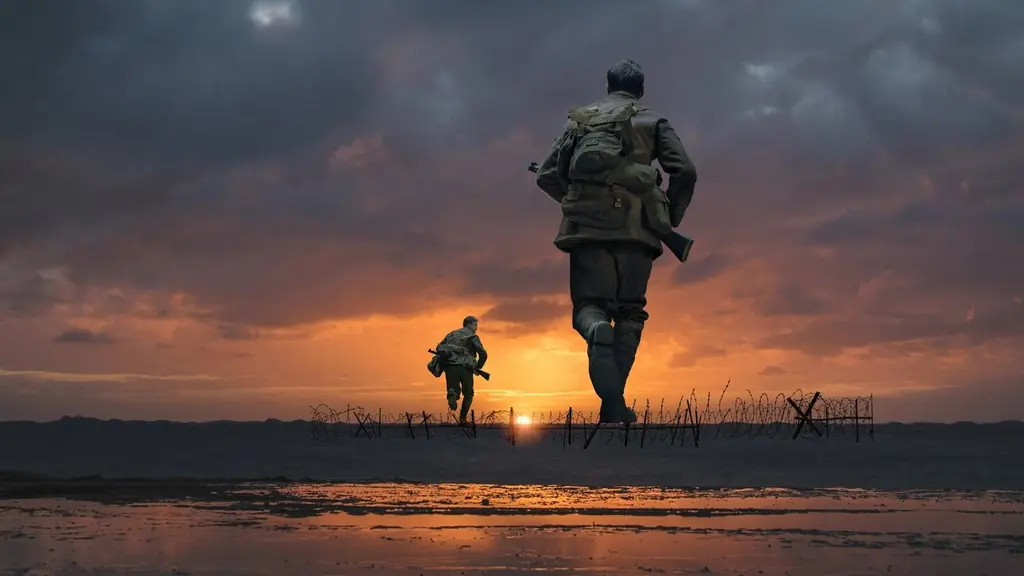
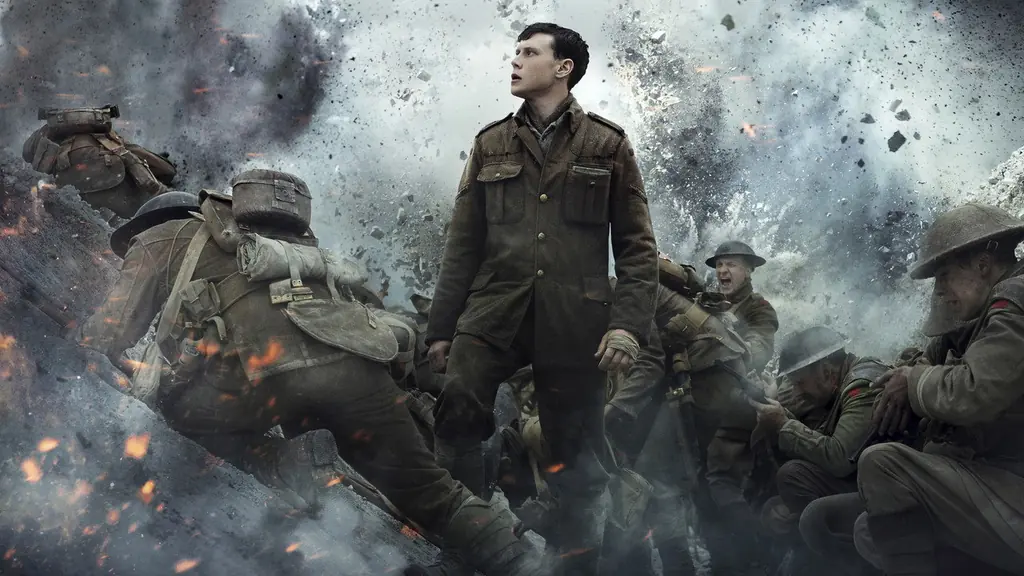
At its core, 1917 tells a deceptively simple story: two British soldiers, George MacKay and Dean-Charles Chapman, must race against time to deliver a critical message deep behind enemy lines, preventing 1600 men from walking into a deadly trap. This straightforward premise, reminiscent of the epic journey of Frodo and Sam, becomes an intensely personal and harrowing ordeal.
The film's most talked-about element, the illusion of a single, continuous shot, could have easily felt like a gimmick. Instead, it becomes the very heartbeat of the experience. This "Birdman-style" approach on the battlefields of World War I doesn't just enhance the viewing; it transforms it. Viewers aren't just watching a two-person mission; they become the third member, their senses heightened, constantly scanning for danger alongside the protagonists. When the soldiers pause, the audience can't rest either, becoming the vigilant eyes in a world teeming with unseen threats.
The cinematography is nothing short of insane. One particular shot stands out, following the soldiers as they navigate a large puddle or "pond," the camera seamlessly dropping to water level before rising again to meet them on the other side. It's a testament to the meticulous craft that every frame feels deliberate and impactful. This isn't a war movie that relies on gratuitous carnage or endless firefights; in fact, traditional gun battles are surprisingly sparse. Instead, the intensity stems from the constant threat, the feeling of being perpetually on the defensive, just trying to escape. The film massages you into its world, making you project yourself into the desperate struggle. There's a moment so startling, it genuinely makes you gasp, a visceral reaction rarely elicited by other war films.
Narrative Stakes & Emotional Resonance
While the narrative is simple, its execution is nothing short of epic. The stakes are clear and immediate: save 1600 lives. This clarity, combined with the relentless pacing, ensures that every step taken by the soldiers feels monumental. The film avoids the pitfalls of excessive fan service or unnecessary cameos, instead focusing squarely on the harrowing journey and the emotional toll it takes. The story's power lies in its ability to make the audience feel the weight of the mission, the urgency of every decision, and the sheer terror of the unknown.
Tone, Direction & Creative Freedom
Sam Mendes's direction is masterful, orchestrating a tone that is both grimly realistic and profoundly human. The "one continuous shot" technique, far from being a mere technical flex, serves the story by creating an unbroken sense of real-time urgency. It's a bold creative choice that pays off handsomely, demonstrating a director given the freedom to push cinematic boundaries. The film's pacing is relentless, yet it knows when to offer brief, tense moments of respite, only to plunge back into the chaos. It's a testament to Mendes's vision that such a demanding technical feat never overshadows the raw human drama at its core.
The Final Verdict
1917 is an awesome tacular achievement, succeeding on all fronts. It delivers an unparalleled immersive experience, placing you directly into the brutal realities of World War I with a level of intimacy rarely seen. This is a film that will stay with you long after the credits roll, a powerful and emotional journey that demands to be seen on the biggest screen possible.
What Worked
- Unparalleled immersive "one continuous shot" filmmaking.
- Intense and suspenseful without relying on excessive gore or constant gunfights.
- Stunning and innovative cinematography, with memorable visual sequences.
- Relatable characters that anchor the emotional weight of the mission.
- Simple yet epic story execution with profound emotional resonance.
What Didn't Work
- The narrative's simplicity might not appeal to those seeking complex plotlines.
- The film's deliberate avoidance of traditional, large-scale firefights could disappoint audiences expecting more conventional war action.



