Introduction
When Ad Astra premiered at the Toronto International Film Festival, it arrived with a wave of critical acclaim, with many critics seemingly falling head over heels for its ambitious vision. Audiences were primed for a profound cinematic experience, a journey into the cosmos that promised both spectacle and introspection. This film, starring Brad Pitt, certainly delivers on the visual front, but its deliberate pacing and sometimes "pretentious" leanings mean it's not for every space-faring enthusiast.
The Lead Dynamic & The Action
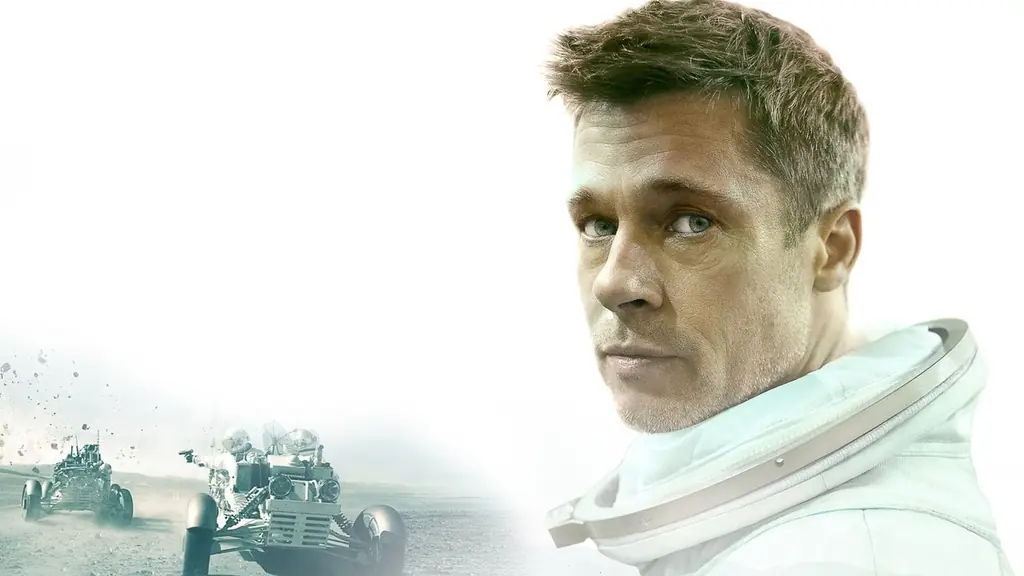
At its core, Ad Astra is a character study, with Brad Pitt as astronaut Roy McBride, a man whose pulse rate rarely rises above resting. He's a "legacy child," following in the footsteps of his father, Clifford McBride, played by Tommy Lee Jones, who disappeared decades ago on an expedition to Neptune. Pitt's performance is a masterclass in understated emotion, portraying an "emotionally closed off" character with remarkable depth. He has "so few lines yet still show[s] you... his acting talent," a testament to his prowess. The film's pacing is undeniably a "slow burn," a deliberate choice that mirrors the vast, empty stretches of space travel. This isn't a high-octane action flick, but rather a contemplative journey, punctuated by moments of quiet intensity. The presence of "two out of four space cowboys" (Pitt and Jones) adds a subtle layer of gravitas to the narrative.
Cameos, Nostalgia & Narrative Stakes
The narrative of Ad Astra is deeply personal, focusing on Roy's quest to find his father. For a character as emotionally reserved as Roy, the film relies heavily on voiceover narration to bridge the gap between his internal world and the audience. While some might initially find it "overcooking it a bit," it ultimately "saves the movie," providing crucial insight into Roy's thoughts and feelings, especially in the earlier stages before his emotional arc truly develops. The film draws clear inspiration from classics like "2001: A Space Odyssey," not just in its visual grandeur but also in its philosophical undertones. This influence is evident in the film's exploration of humanity's place in the universe and the search for intelligent life. However, the "message about humanity in the end" is noted as being less unique than the film's stunning visuals, a sentiment that suggests the thematic conclusions might not break new ground.
Tone, Direction & Creative Freedom
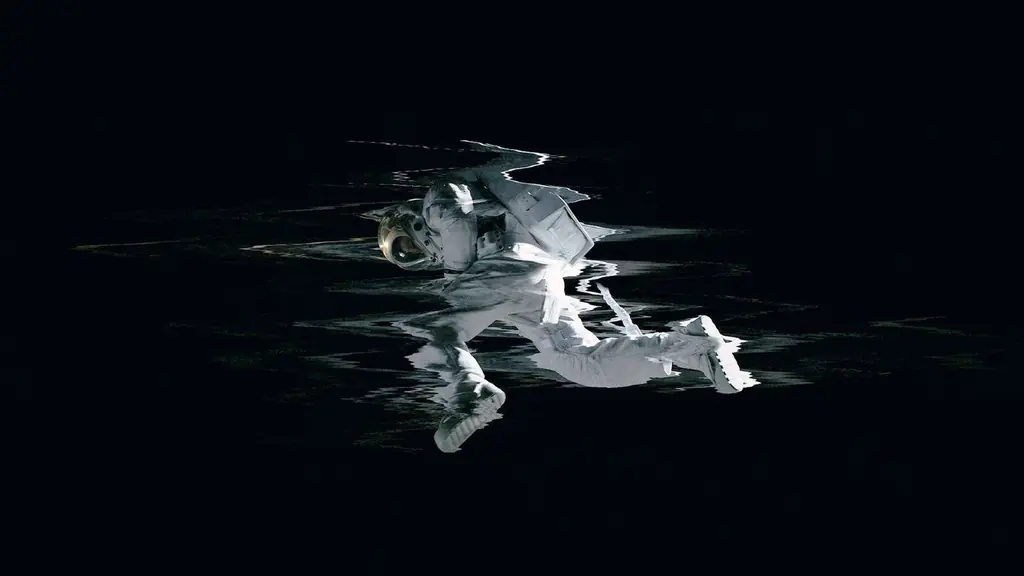
Directed by James Gray, Ad Astra is "gorgeous" to behold, "competently shot," and often described as "like watching a painting that moves." The cinematography is a standout, creating a truly immersive and breathtaking vision of space. The film commits to a realistic portrayal of space travel, including the extensive "downtime" that would be inherent in such journeys. This commitment to accuracy, while perhaps not always "exciting," serves to deepen the character moments, allowing the audience to truly "be with Brad Pitt's character" as he navigates his internal and external landscapes. The deliberate pacing and visual artistry suggest a directorial vision that was largely uncompromised, allowing Gray to craft a unique and meditative experience.
The Final Verdict
Ad Astra is a film that demands patience and rewards contemplation. It's a "well done" and "good time" for those who appreciate a "gorgeous looking slow burn." While it might occasionally lean into pretentiousness and its ultimate message isn't entirely novel, its visual splendor and Brad Pitt's compelling, understated performance make it a memorable journey. If you're seeking a thought-provoking, visually stunning sci-fi drama that prioritizes atmosphere and character over explosive action, then prepare for a cosmic voyage unlike any other.
What Worked
- Visually stunning cinematography and art direction
- Brad Pitt's compelling and nuanced performance
- Thought-provoking themes of solitude and humanity
- Realistic portrayal of space travel and its downtime
- Effective use of voiceover to connect with the protagonist
What Didn't Work
- Pacing is a deliberate "slow burn" which may not appeal to all viewers
- Can feel "a little pretentious sometimes"
- The ultimate message about humanity is not entirely unique
- Emotionally closed-off protagonist can be challenging to connect with initially