Introduction
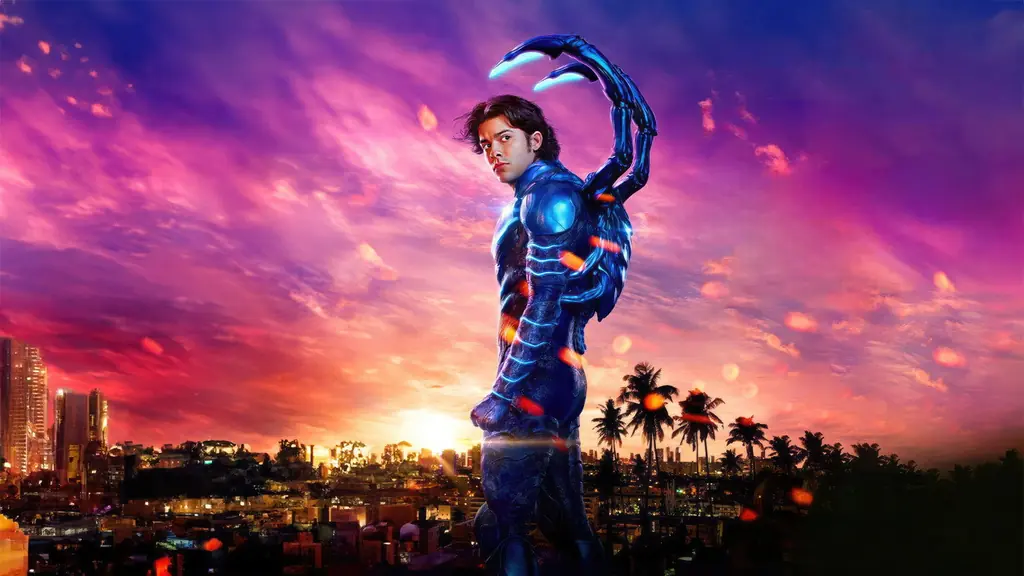
In a cinematic landscape constantly shifting, Blue Beetle arrives as a new entry in the DC universe, notably positioned as "vaguely part" of the new regime. This strategic framing aims to draw audiences into a story that, at its core, introduces a character many might only know from video games like Injustice 2. The premise is classic superhero fare: a robotic, world-ending death Scarab from outer space latches onto a young man, transforming him into the titular hero, now tasked with saving the day—and his family.
The Lead Dynamic & The Action
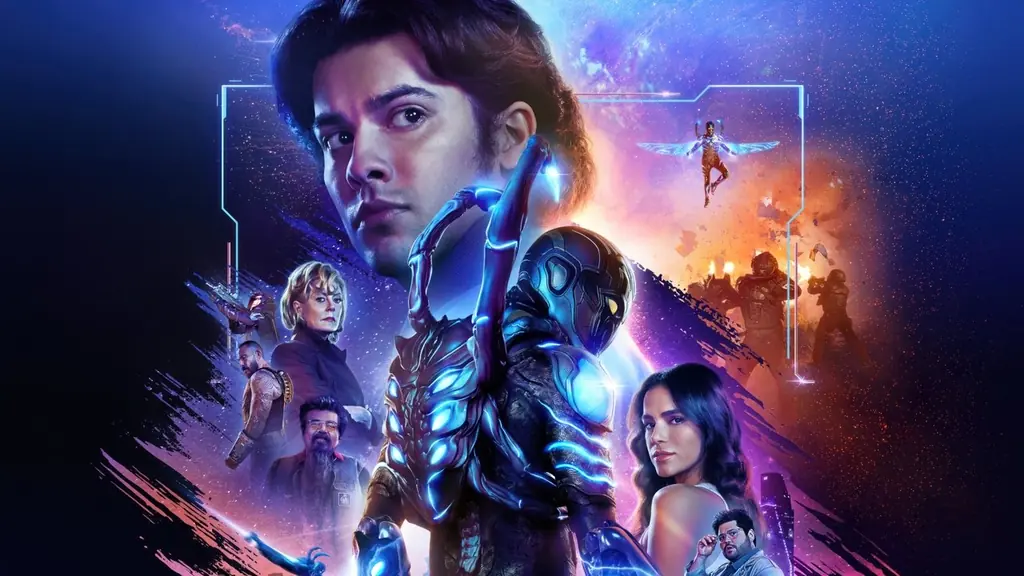
The undeniable heart of Blue Beetle rests squarely on the shoulders of its lead, Xolo Maridueña. Known for his vibrant energy in Cobra Kai, Maridueña brings that same likability and relatable "good kid" essence to the role. He anchors the film, making audiences genuinely root for the human behind the suit. Indeed, the movie shines brightest when focusing on him and his family, a dynamic that truly forms the soul of the film. However, once the Scarab suit takes over, the action often veers into territory that feels all too familiar, resembling "a lot of superhero stuff we've seen."
Despite some tonal inconsistencies—moments that feel like they were initially conceived for a more hardcore film before being softened for a broader audience—the family unit provides much of the film's charm and humor. The standout, without question, is the grandmother, who delivers an ironically amazing performance, kicking ass with a Gatling gun. This campy, over-the-top element works surprisingly well, providing genuine fun. Veteran comedian George López also delivers a strong comedic performance, demonstrating how a seasoned comic can land jokes without letting them overstay their welcome, a welcome relief in a genre often criticized for forced humor.
Cameos, Nostalgia & Narrative Stakes
On the villainous front, Blue Beetle presents Susan Sarandon as a "passive-aggressive racist CEO Karen Baddie," a character that, while fitting the archetype, doesn't quite elevate the narrative. The other primary antagonist, initially intriguing with a "Cyberpunk 2077-ish" aesthetic, unfortunately becomes less compelling once he dons his battle gear, transforming into a generic "Tron-like" robot. This highlights a recurring "mask problem" in the film: the human characters are engaging, but once the masks come on and the fighting starts, the action often feels like "everything I've seen before a fucktillion times."
The film also grapples with narrative inconsistencies, particularly regarding its stance on violence. While Blue Beetle himself adheres to a "no guns, no killing" ethos, his family members are depicted as far more ruthless, willing to "end lives" without much apparent consequence or discussion. This creates a jarring contrast that undermines the hero's moral compass. Ultimately, the film struggles to carve out its own identity, often feeling like a "frankenstitch" of other superhero movies. It evokes a sense that it "would have been great if it came out in 2004," suggesting a lack of originality in a highly competitive modern landscape.
Tone, Direction & Creative Freedom
Ángel Manuel Soto's direction navigates a tricky balance between intense moments and lighthearted humor, sometimes to the film's detriment. The tonal shifts, such as an intense transformation scene being undercut by a lighthearted song choice, suggest a struggle between different creative visions or marketing pressures. While the film attempts to blend drama with action, its reliance on familiar superhero tropes prevents it from truly standing out. The elements present here, while enjoyable in parts, can often be found executed with more polish and originality in other contemporary comic book films.
The Final Verdict
Blue Beetle is a film buoyed by the undeniable charm and likability of Xolo Maridueña and a genuinely engaging family dynamic. While it delivers moments of fun, particularly with its comedic beats and a surprisingly badass grandma, it ultimately struggles to escape the shadow of its predecessors. The action sequences, while competent, often feel generic, and the narrative inconsistencies detract from its overall impact. It's a film that offers a pleasant, if unoriginal, diversion for those craving a new superhero story, but it doesn't quite redefine the genre.
What Worked
- [[person:1185997|Xolo Maridueña]] delivers a highly likable and relatable lead performance.
- The family dynamic is the heart and soul, providing genuine humor and emotional grounding.
- The grandmother character is a standout, offering unexpectedly hilarious and action-packed moments.
- [[person:41798|George López]] provides well-timed and effective comedic relief.
- Features some genuinely good dramatic moments amidst the action.
What Didn't Work
- Action sequences often feel generic and too similar to other superhero films.
- Tonal inconsistencies, particularly between intense scenes and lighthearted comedic choices.
- Villains, while initially interesting, become less compelling once masked and in action.
- Inconsistent messaging regarding violence, especially between the hero and his family.
- Lacks originality, feeling like a film that would have been more impactful in an earlier era of superhero movies.