Introduction
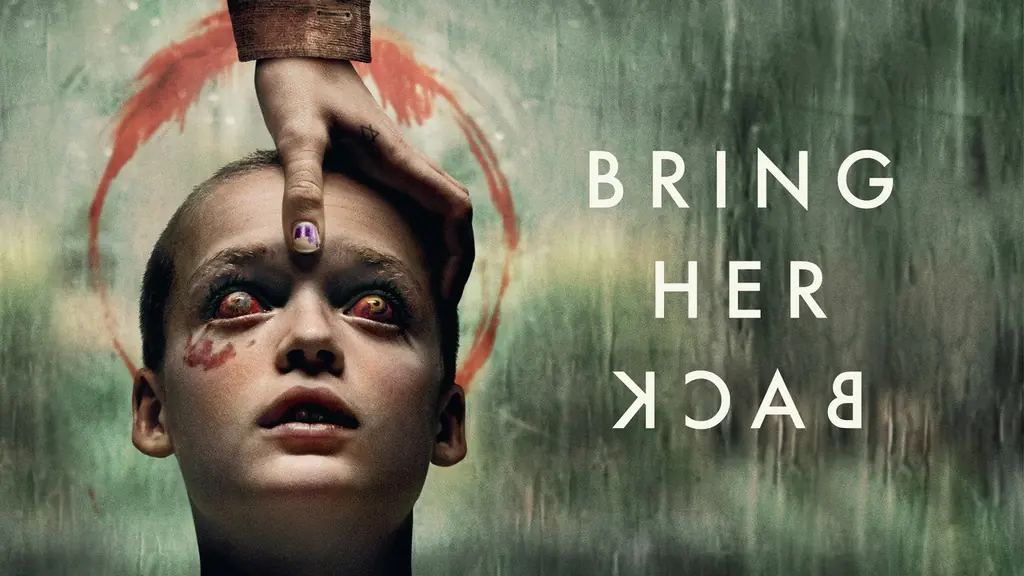
Following the breakout success of "Talk to Me," directors Danny and Michael Philippou return with Bring Her Back, a film that defies easy categorization. While it might be shelved under horror in a video store, this is far more an emotional, psychological thriller and mystery, with a supernatural undercurrent that slowly simmers to a boiling point. Audiences anticipating another "Talk to Me"-esque party trick horror will find a distinctly different, more somber experience awaiting them.
The Lead Dynamic & The Action
The film centers on a brother and sister, with the narrative largely seen through the eyes of the older brother, played by Billy Barratt. His protective instinct for his younger sister, portrayed by Mischa Heywood (who is visually impaired in real life, mirroring her character), feels genuinely palpable. This connection grounds the unsettling events that unfold after they enter a new foster home. From the moment Sally Hawkins appears as their new guardian, an immediate sense of unease permeates the screen. Her portrayal of a woman who is "too nice" is masterfully unsettling, hinting at a deeper, more sinister maternal nature that feeds directly into the film's themes. The young Jonah Wren Phillips also delivers a chilling performance as little Oliver, proving how effectively child actors can convey creepiness. While not a "scary" film in the traditional sense, Bring Her Back is profoundly disturbing, featuring visuals that will have viewers wincing, squinting, and cringing.
Cameos, Nostalgia & Narrative Stakes
Bring Her Back takes a bold departure from the Philippous' previous work, offering a very different kind of cinematic journey. This is not a fun, cool horror movie; it's a somber, emotionally draining exploration of loss, grief, manipulation, and gaslighting. The true horrors within the film stem not from supernatural entities alone, but from the very real dangers of not processing grief and the consequences of failing to move on. The film excels by not over-explaining its mysteries, trusting the audience to piece together the narrative clues. This approach respects the viewer's intelligence, a refreshing change from films that spoon-feed every answer. While some elements may feel familiar, drawing inspiration from other films, Bring Her Back tells its story with a unique voice, proving that similar themes can be explored in distinct and compelling ways.
Tone, Direction & Creative Freedom
Michael Philippou demonstrates exceptional visual craftsmanship throughout Bring Her Back. The camerawork and cinematography are engrossing, creating a world that is both beautiful and deeply unsettling. The film's slow-burn pacing, while deliberate, never feels sluggish, maintaining a constant undercurrent of tension that builds effectively. The directors prove they are far from one-trick ponies, showcasing a versatility that allows them to tackle deeper human themes through a horroresque lens. This creative freedom results in a film that feels distinct and impactful, even if some character decisions, like grabbing a knife by the blade, might elicit a groan from the audience. The film's gore, when present, generally serves the narrative, though one particular CPR scene involving bloody vomit pushes the boundaries of what's necessary, leaving a lasting, unpleasant impression.

The Final Verdict
Ultimately, Bring Her Back is a compelling and disturbing watch. It's a film that demands engagement, rewarding those willing to delve into its emotional complexities and unsettling visuals. For audiences seeking a horror experience that prioritizes psychological depth and character-driven dread over jump scares, this film delivers a powerful and memorable punch. It solidifies the Philippou brothers' reputation as filmmakers capable of crafting diverse and impactful genre cinema.
What Worked
- Deeply emotional and psychological horror experience
- Outstanding visual craftsmanship and cinematography
- Powerful performances, especially from Sally Hawkins and the child actors
- Respects audience intelligence by avoiding over-explanation
- A unique and distinct directorial vision from "Talk to Me"
What Didn't Work
- Some character decisions strain credulity (e.g., knife scene)
- A few moments of gratuitous gore (e.g., CPR scene)
- Certain narrative beats feel inspired by other films