Introduction
When a film arrives with a title as straightforward as Clown in a Cornfield, audiences might expect a simple, bloody slasher flick—and little else. Yet, under the direction of Eli Craig, known for the cult hit Tucker and Dale Versus Evil, this adaptation of the 2020 novel delivers a surprising amount of depth beyond its gruesome premise. While the promise of a killer clown emerging from a cornfield is certainly fulfilled, the journey to that bloody crescendo is far more engaging than anticipated.
The Lead Dynamic & The Action
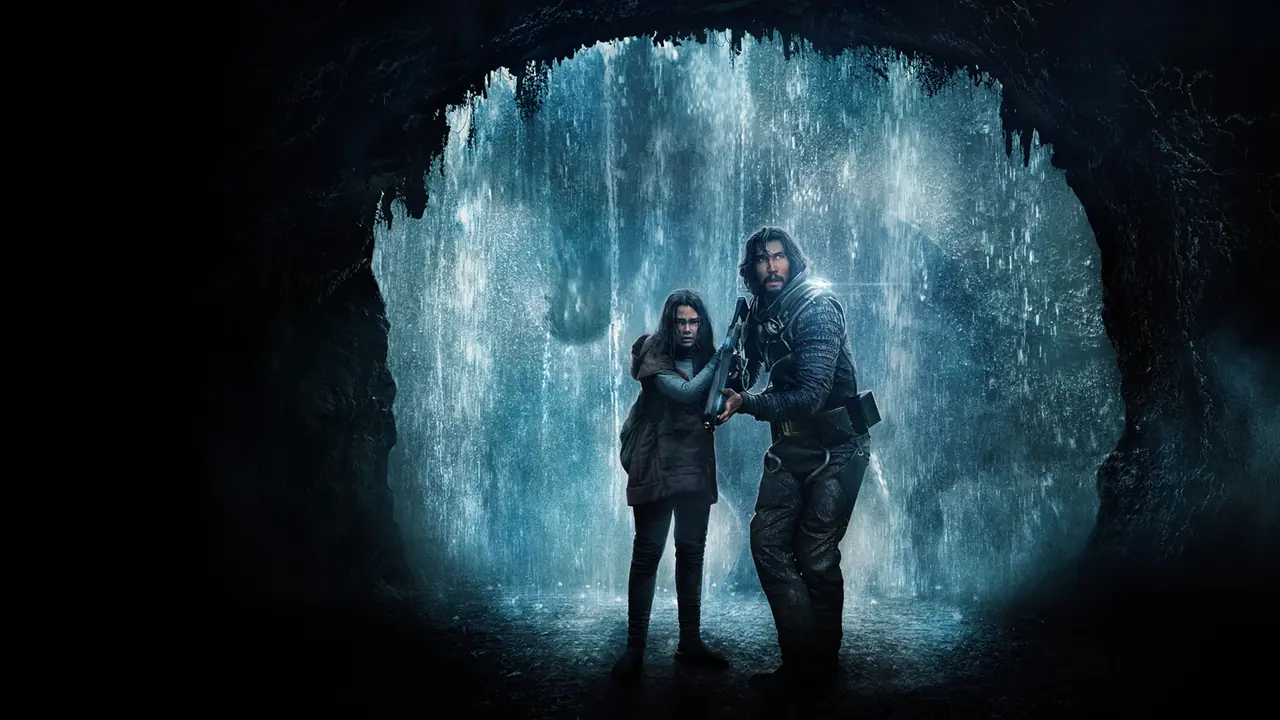
What truly sets Clown in a Cornfield apart is its unexpected investment in character. The narrative centers on a compelling father-daughter duo navigating a move to a new small town, and the film skillfully builds tension around their relationship. This isn't just about waiting for the next victim; it’s about caring for the people caught in the crosshairs. The small-town setting itself becomes a character, reflecting a relevant societal divide between older and younger generations, adding a layer of relatability often missing in slasher fare. While the film takes its time to unleash the full horror, the reviewer found themselves genuinely invested, a rare feat for the genre. When the last act finally arrives, it’s a visceral payoff: the kills are described as "mean, bloody, and memorable," exactly what fans crave from a film of this ilk.

Narrative Stakes & Character Choices
Clown in a Cornfield makes a conscious effort to elevate its young characters beyond mere "death fodder." The lead girl, a newcomer to town, finds herself drawn into a local friend group, and the film explores the nuances of these relationships. Are they "bad apples" as the adults suggest, or is there more to their dynamic? This approach encourages the audience to care, amplifying the stakes when peril inevitably strikes. However, the film isn't without its genre quirks. There are moments where characters make baffling decisions—like failing to unmask a downed killer when given a clear opportunity—that can pull viewers out of the experience. These "dumb character moments" are a familiar slasher trope, but they stand out precisely because the film otherwise works so hard to build believable characters.
Tone, Direction & Creative Freedom
Eli Craig navigates the film's tone with a steady hand, balancing the inherent absurdity of its title with genuine suspense and character development. The film’s origin as a novel allows for a richer narrative foundation, distinguishing it from purely conceptual slashers. While comparisons to other iconic clowns like Art the Clown are inevitable, Clown in a Cornfield carves out its own identity, delivering a fresh take on the killer clown subgenre. The film's release in May, rather than the more fitting October or January, is noted as an unusual choice, but it doesn't detract from the overall enjoyment.

The Final Verdict
For those who approach Clown in a Cornfield expecting nothing more than a straightforward slasher, prepare for a pleasant surprise. It’s a film that understands its genre but isn't afraid to offer a little more—a compelling story, surprisingly likable characters, and a final act that delivers on its bloody promise. It’s a genuinely good time, proving that sometimes, the most obvious titles can hide the most unexpected delights.
What Worked
- Delivers memorable and bloody kills, especially in the last act.
- Surprisingly invested in the father-daughter story and likable characters.
- Elevates its youth beyond typical slasher "death fodder."
- Engaging small-town tension reflecting relevant societal divides.
- Exceeds expectations for a film with such a straightforward title.
What Didn't Work
- Takes a while to build to the intense, bloody kills.
- Features some "dumb character moments" where obvious opportunities are missed.
- The May release timing feels unusual for a horror film of this nature.