Introduction
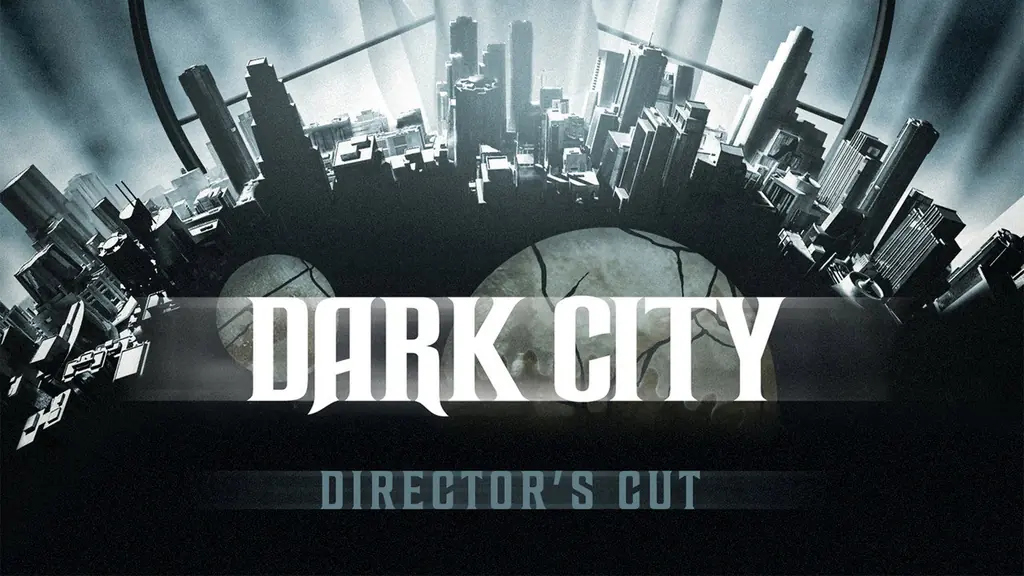
It's a strange phenomenon when a film of such profound impact slips through the cracks of a reviewer's catalog, yet here we are with Dark City. Released in 1998, this Alex Proyas-directed gem, hot on the heels of his success with The Crow, has long deserved its moment in the spotlight. For those yet to experience its unique blend of mystery and science fiction, a crucial piece of advice: seek out the director's cut. The theatrical release, marred by a studio-mandated voiceover, unfortunately spoiled the film's central mystery, forcing audiences to view clues through "spoiler goggles" rather than unraveling the enigma organically. This review, however, aims to preserve that magical, unadulterated discovery, inviting newcomers into a world where nothing is quite as it seems.
The Lead Dynamic & The Action
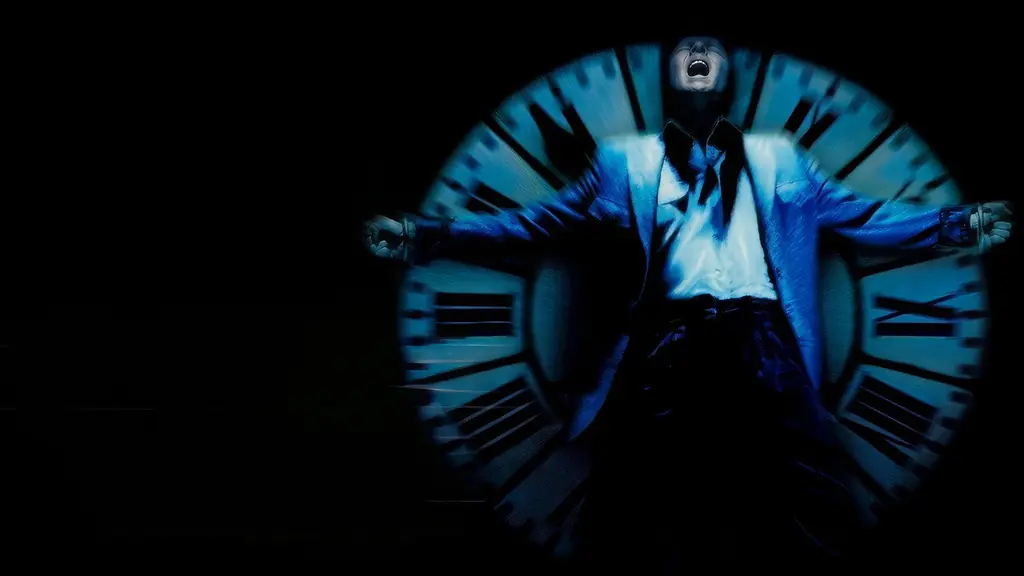
At the heart of Dark City is Rufus Sewell as Mr. Murdoch, who awakens with a severe case of amnesia, thrust into a labyrinthine city where he's pursued by both a detective, played by William Hurt, and a cadre of unsettling, pale figures known as the Strangers. Sewell is perfectly cast, embodying the everyday man caught in an extraordinary predicament, his intense gaze hinting at both innocence and a potential darkness. The film's casting is top-tier across the board, with Jennifer Connelly and Kiefer Sutherland delivering memorable performances. Sutherland, in particular, offers a surprising turn, portraying a tortured soul far removed from the expected action hero. A special nod must go to Richard O'Brien as Mr. Hand, whose scene-stealing presence among the Strangers adds another layer of compelling menace to the pursuit.
Cameos, Nostalgia & Narrative Stakes
Dark City excels in its high-concept premise, drawing viewers into a world where the very nature of reality is questioned. The narrative masterfully keeps the audience in the dark alongside Murdoch, creating a shared journey of discovery that makes repeat viewings incredibly rewarding. Knowing the answers only enhances the appreciation for the film's intricate execution. However, the studio's decision to include an expository voiceover in the theatrical cut remains a baffling misstep. It stripped away the film's core mystery, undermining the carefully constructed intrigue that makes the director's cut such a compelling experience. This film isn't about cheap thrills or fan service; it's a profound deconstruction of consciousness, asking fundamental questions about what it means to be human, a theme that resonates more deeply with each passing year.
Tone, Direction & Creative Freedom
Alex Proyas's direction crafts a visually stunning "Noir sci-fi" world. The cinematography is a true MVP, creating a claustrophobic, perpetually nocturnal city that feels like a hybrid of different decades, almost akin to a darker, more oppressive version of Burton's Batman. The film was ahead of its time in its use of CGI, particularly in dark scenes, which effectively masked the then-nascent technology. While some of the 1998 CGI in the final act can feel a bit more noticeable and out of place compared to the meticulously crafted earlier sequences, it never detracts significantly from the overall experience. The film's aesthetic and thematic depth are what truly make it timeless, proving that creative vision can transcend technological limitations.
The Final Verdict
Dark City stands as an absolute sci-fi classic of the 90s, a film that hooks you from the very first moment Rufus Sewell's character awakens. It's an intriguing, engaging, and beautifully realized sci-fi noir that only grows in relevance and appreciation with age. This is a film that demands to be seen, preferably in its director's cut, for an experience that is both thought-provoking and endlessly rewatchable. It's a testament to bold storytelling and visionary filmmaking that continues to captivate and challenge audiences decades later.
What Worked
- Timeless exploration of consciousness and reality
- Compelling, engaging mystery from start to finish
- Stunning Noir sci-fi aesthetic and cinematography
- Perfectly cast lead and supporting performances
- Highly rewatchable, revealing new layers with each viewing
What Didn't Work
- Theatrical cut's voiceover severely spoils the plot
- Some 1998 CGI in the final act feels dated
- Pacing in the last act can feel slightly rushed