Introduction
From the moment the concept of Dog Man hit the airwaves, based on the beloved children's graphic novel, audiences wondered: could a story about a cop with a dog's head sewn onto his body truly work on the big screen? The premise, as absurd as it sounds, sets the stage for an animated adventure that promises to entertain the younger crowd. But the real question for parents shelling out for tickets is whether this zany tale offers more than just an hour and a half of babysitting. Screenverse can confirm: it absolutely does.
The Lead Dynamic & The Action
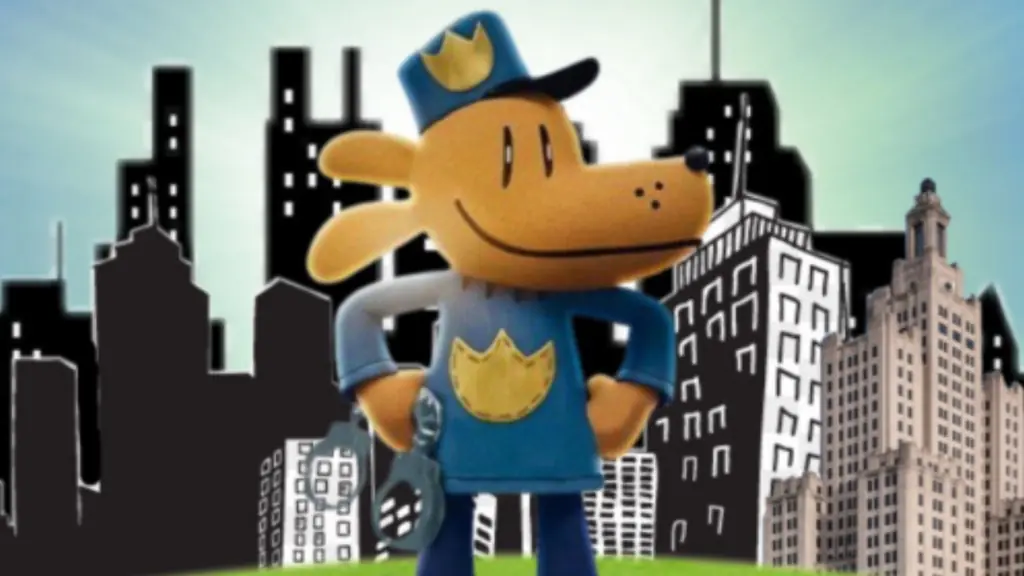
Dog Man bursts onto the screen with an infectious energy, a momentum that feels distinctly "toony." This isn't surprising, given that director NoahToons was a writer and producer on the iconic Animaniacs. That pedigree shines through, infusing the film with a delightful madness that keeps kids glued to the screen, especially those with TikTok-era attention spans. The animation style itself is a visual treat, mimicking the art from the books while cleverly employing techniques that make it appear like stop-motion, with a cut-down frame rate that adds to its unique charm.
The action sequences are a highlight, delivering genuine excitement. One standout moment involves "Transformers that are buildings," a concept that speaks to the film's imaginative and often hilarious set pieces. While the film is clearly aimed at a younger audience, it smartly weaves in jokes and references that only adults will catch, ensuring that parents aren't just enduring the experience but actively enjoying it.
Cameos, Nostalgia & Narrative Stakes
Beyond the initial silliness, Dog Man introduces a compelling villain in Petey the cat, whose schemes drive much of the plot. The narrative cleverly expands to include other antagonists, blurring the lines between hero and villain in a way that adds unexpected complexity. What truly elevates this film, however, is its surprising emotional depth. It tackles themes like generational trauma, exploring how "jerks might have learned to be jerks from their father." This profound undercurrent offers a valuable lesson for kids about breaking cycles, while also resonating deeply with parents.
This isn't just a surface-level romp; it's a story that asks whether one wants to pass down negative traits or choose to stop them. It's a testament to the film's thoughtful writing that it can deliver such weighty themes amidst its chaotic fun, making parents feel their ticket purchase was genuinely worthwhile.
Tone, Direction & Creative Freedom
NoahToons's direction masterfully balances the film's inherent absurdity with its heartfelt moments. The tone is consistently fun, yet it knows when to slow down and deliver emotional punches. The film feels like it was given the creative freedom to truly embrace its source material's unique spirit, resulting in a cohesive and engaging experience. The pacing is brisk, maintaining that "toony" momentum without ever feeling rushed or overwhelming. It's a film that understands its audience, both young and old, and caters to both with equal care and wit.
The Final Verdict
Dog Man is a genuinely good time, a vibrant animated adventure that defies its simple premise to deliver something truly special. It's a rare family film that manages to be both wildly entertaining for children and surprisingly profound for adults. With its madcap energy, clever humor, and unexpected emotional resonance, it's a cinematic outing that proves you don't need alcohol to enjoy a kid's movie. This one's a winner for the whole family, offering laughs, thrills, and even a few thoughtful moments to ponder long after the credits roll.
What Worked
- Infectious, madcap energy keeps kids engaged
- Surprising emotional depth with themes like generational trauma
- Clever adult jokes and references woven into the narrative
- Unique animation style mimicking stop-motion
- Exciting and imaginative action sequences
What Didn't Work
- Initial premise might seem overly silly to some adults
- Rapid-fire pacing could be overwhelming for very young viewers
- The inherent absurdity requires a willingness to suspend disbelief