Introduction
The anticipation for Dune: Part Two was palpable, a fervent hope after the first installment left audiences craving more. Picking up precisely where its predecessor concluded, this film plunges viewers back into the harsh, beautiful world of Arrakis. It's the pivotal coming-of-age chapter for Timothée Chalamet's Paul Atreides, as he and his mother, Lady Jessica (Rebecca Ferguson), integrate with the Fremen. The stage is set for Paul to embrace his destiny as Muad'Dib, all while the relentless Harkonnens continue their brutal campaign.
The Lead Dynamic & The Action
The film's initial hour stands out as a particular highlight, captivating with its focus on the burgeoning connection between Paul and Zendaya's Chani. Their "young love growing" provides a compelling emotional anchor, drawing viewers into Paul's journey. Witnessing Paul navigate his trials and achieve milestones with the Fremen is genuinely engaging, fostering a sense of pride in his accomplishments. This narrative benefits immensely from the groundwork laid in the first film, allowing Denis Villeneuve to immediately delve deeper into character and plot. The chemistry between Chalamet and Zendaya is undeniable, anchoring the story as it rightfully revolves around their characters.
Cameos, Nostalgia & Narrative Stakes
Dune: Part Two introduces new faces and expands on existing ones, though not always with equal screen time. Austin Butler's portrayal of Feyd-Rautha is a chilling standout, a true "psychopath" whose menacing "smolder" suggests he "will kill you if he's just bored." His performance evokes comparisons to Sting's iconic turn in the 1984 film, albeit with a unique, unsettling intensity. On the other hand, Christopher Walken's casting as the Emperor was a surprising choice, though his role is notably brief. While some characters, like Javier Bardem's unexpectedly humorous Stilgar, shine by bringing the film's religious and spiritual themes to the forefront, others, such as Stellan Skarsgård's Baron Harkonnen, feel "pushed to the back," which is a "bummer" for fans of his character.
The film masterfully maintains its galactic scope despite much of the action unfolding on Arrakis. The intricate scheming of the Bene Gesserit and Harkonnens is ever-present, adding layers of political intrigue. However, some narrative moments feel "fast-tracked or cut short," suggesting a longer cut might have allowed certain scenes, particularly in the final act, to land with greater impact. This pacing choice might leave some viewers, especially "book purists," feeling that certain adaptations deviate significantly from the source material.
Tone, Direction & Creative Freedom
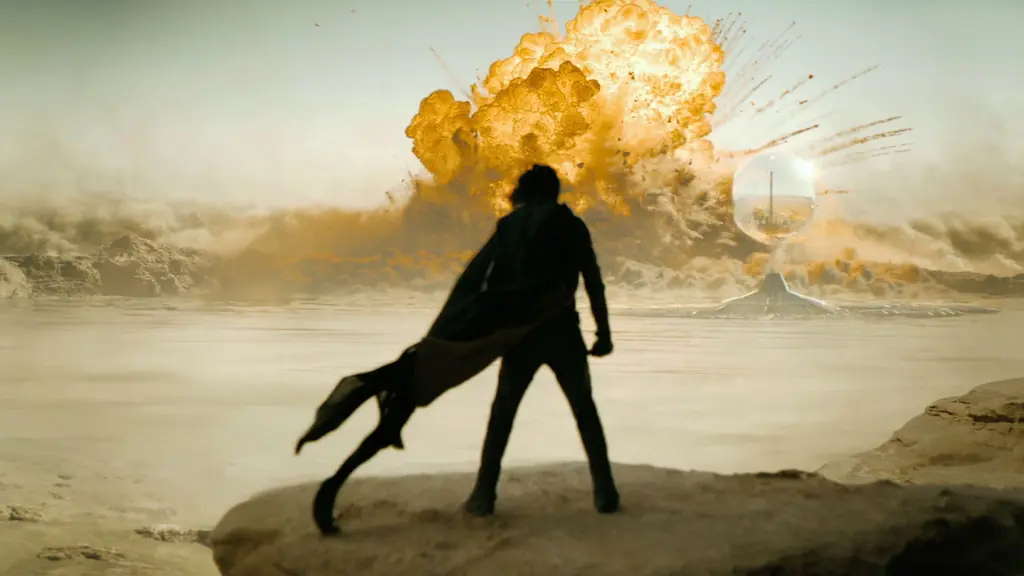
Denis Villeneuve's direction ensures the film's grand scale is consistently felt, even in its most intimate moments. The "epic gorgeous visuals" are a constant, transporting audiences into the world of Arrakis. Cinematographer Greg Fraser's work is particularly lauded; his ability to craft stunning imagery is so profound that his name, it is argued, should be a major selling point for any film he touches. His visuals "speak to" the audience, drawing them into the world with a language all their own. The film's exploration of religion, spirituality, and belief, and how these concepts can be wielded for control, adds significant thematic weight.
The Final Verdict
For those who embraced Dune: Part One, Dune: Part Two is an essential and deeply satisfying continuation. It's a film that not only warrants watching but also owning, destined to sit proudly alongside its predecessor. While some minor pacing issues and character development choices exist, the overall experience is undeniably "great." Watching both films back-to-back promises an epic cinematic journey, solidifying this saga as a monumental achievement in modern science fiction.
What Worked
- Visually stunning cinematography and epic scale
- Compelling coming-of-age arc for Paul Atreides
- Strong chemistry between Paul and Chani
- Austin Butler's chilling performance as Feyd-Rautha
- Javier Bardem's unexpectedly humorous Stilgar
What Didn't Work
- Some scenes felt rushed or cut short
- Paul's transition to a leader was not entirely convincing
- Reduced screen time for certain key characters
- Potential deviations from the book may irk purists