Introduction
Anticipation ran high for Flight Risk, a high-stakes thriller from acclaimed director Mel Gibson. With Mark Wahlberg in a leading role, audiences were primed for a tense, confined action experience. The premise itself was a compelling hook: a government informant, a U.S. Marshal, and a seemingly innocent pilot on a small plane, only for the pilot to be a hitman. This setup promised a cat-and-mouse game at 30,000 feet, a concept ripe for nail-biting suspense.
The Lead Dynamic & The Action
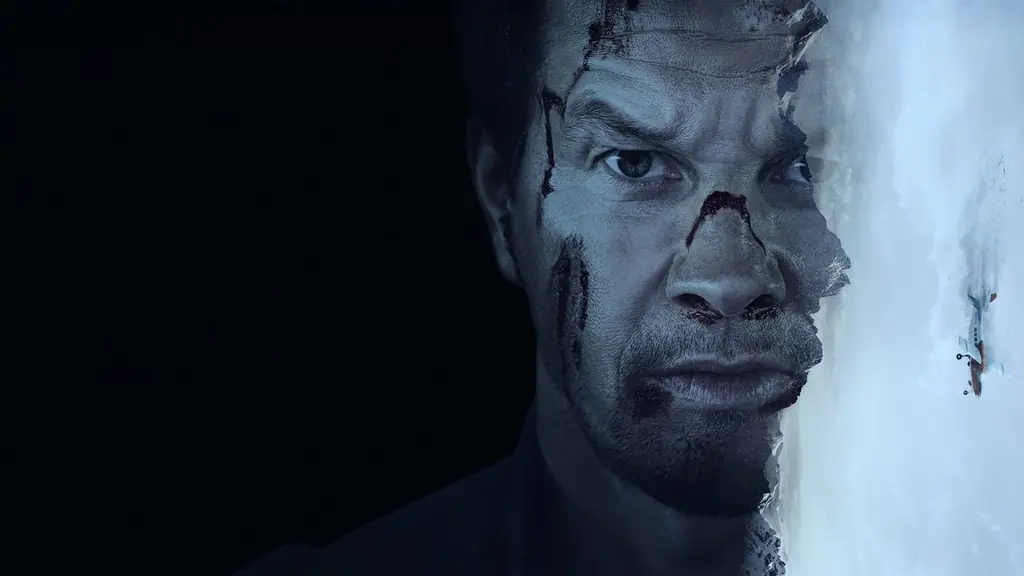
The initial half-hour of Flight Risk delivers on this promise, locking viewers into a solid, palpable tension. The dynamic between Michelle Dockery as the U.S. Marshal, Topher Grace as the motor-mouthed informant, and Mark Wahlberg as the menacing pilot-turned-assassin is initially intriguing. Wahlberg, in particular, leans into his "psycho killer" persona, a role he's undeniably adept at. His portrayal is threatening and unsettling, especially when the other characters slowly begin to suspect his true intentions. Grace, channeling a "Deadpool"-esque wit, provides a constant stream of remarks, though his character's incessant chatter occasionally borders on grating. However, Wahlberg's performance, while initially effective, eventually "overcooks" its menace, devolving into repetitive, raunchy innuendo that feels less genuinely terrifying and more like lazy writing. The film's peak tension unfortunately resides in this early act, before the narrative takes a nosedive.

Cameos, Nostalgia & Narrative Stakes
The narrative stakes plummet the moment the satellite phone is introduced. What began as a taut, confined thriller quickly unravels into a series of disconnected, less engaging subplots. The U.S. Marshal's reliance on ground support to navigate and land the plane diminishes the immediate threat posed by Wahlberg's character. The film then introduces a baffling "mole in the office" side plot, which feels entirely shoehorned in to pad the runtime, transforming a potential aerial thriller into a generic, phone-based procedural. This shift is jarring, making the film feel less like a feature and more like a stretched-out 1990s television episode. Adding to the film's woes are noticeable technical shortcomings, including "shotty CGI" in background scenery shots and questionable physics that break immersion. The overall impression is that the script, penned by Jared Rosenberg, feels "AI-written" in its predictability and lack of genuine ingenuity.
Tone, Direction & Creative Freedom
Mel Gibson, a director known for his visceral and impactful filmmaking, struggles to elevate the material beyond its foundational flaws. While the initial setup hints at his signature tension, the film's inconsistent tone and narrative choices suggest a lack of creative freedom or perhaps an overreliance on a weak script. The abrupt ending, in particular, feels less like a deliberate artistic choice and more like a studio-mandated cut-off, leaving several plot threads unresolved and contributing to the overall sense of dissatisfaction. The film never quite commits to its thriller premise, instead opting for narrative detours that dilute its impact and squander its initial promise.
The Final Verdict
Flight Risk is a film that promises a thrilling ride but ultimately delivers a bumpy landing. While its opening act establishes a compelling premise and features a committed (if eventually over-the-top) performance from Mark Wahlberg, the narrative quickly loses altitude. What begins as a tense, confined thriller devolves into a padded, often illogical experience marred by questionable writing and technical hiccups. It's a movie best caught on streaming, and even then, viewers might find themselves bailing out long before the credits roll.
What Worked
- Initial 30 minutes deliver solid tension
- Strong premise for a confined thriller
- Mark Wahlberg is menacing as the psychopath
- Well-cast overall
What Didn't Work
- Narrative loses steam after the first act
- Mark Wahlberg's dialogue becomes repetitive and "raunchy"
- "Mole in the office" side plot feels like filler
- "Shotty CGI" and questionable physics
- Abrupt and unsatisfying ending