Introduction
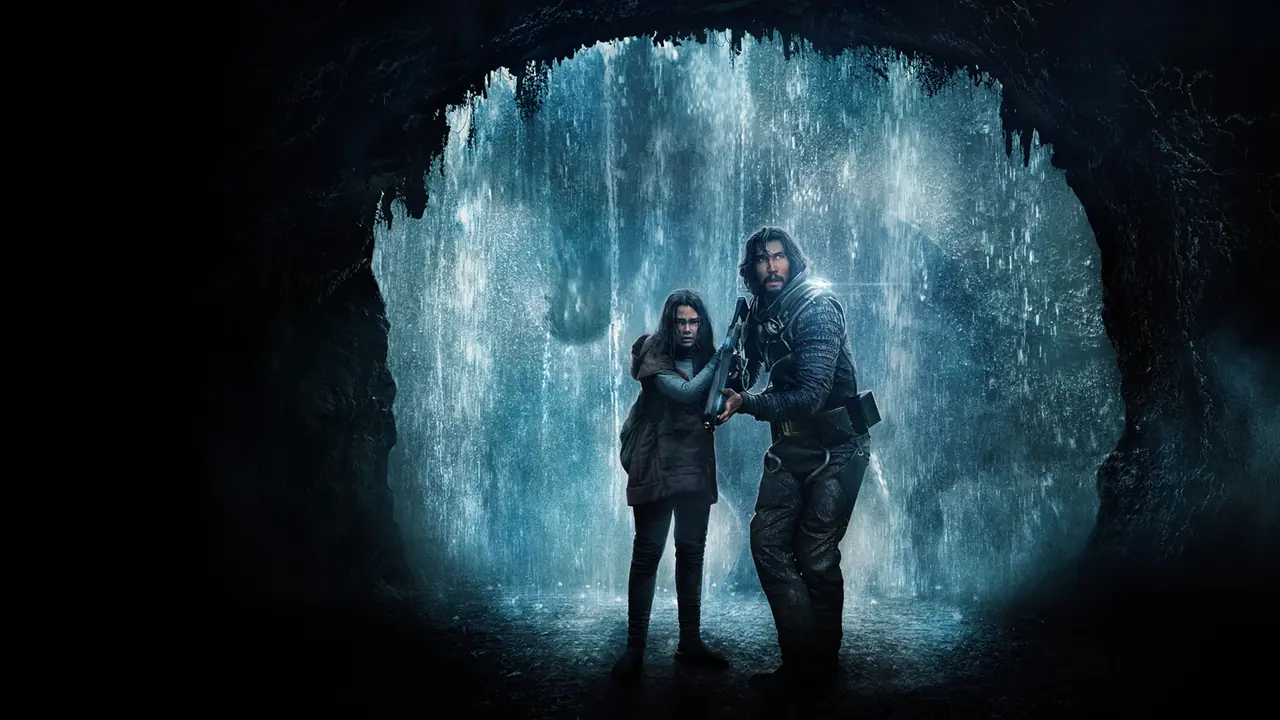
The legend of Frankenstein has been told countless times, but when Guillermo del Toro takes the reins, anticipation reaches a fever pitch. This isn't a rehash of previous cinematic attempts; it's a direct, gothic reimagining of Mary Shelley's foundational novel, promising a deep dive into humanity and monstrosity. Del Toro, a master of blending the beautiful with the grotesque, steps into his wheelhouse, delivering a film that asks profound questions about creation, identity, and the very nature of being. Forget your preconceived notions of a "monster movie" for a Halloween party; this is a film poised for awards season, a testament to its serious artistic ambition.
The Lead Dynamic & The Action
At the heart of this dark tale is Oscar Isaac as Victor Frankenstein, a performance that truly anchors the film. Isaac portrays Victor not just as an ambitious scientist, but as a deeply flawed, almost monstrous figure himself – a "dick" who is oblivious to his own cruelty, particularly towards his creation. The film hammers home the idea that Victor, not his reanimated being, is the true monster, a concept often stated but rarely embodied with such conviction.
Then there's Jacob Elordi as the Frankenstein monster, a portrayal that is both compelling and, for some, perhaps a touch too aesthetically pleasing. Elordi delivers a great performance, and his physical presence is undeniable; he looks enormous, towering over others. However, the monster's patchwork, while "impressively del Toro" in its clean lines and complementary colors, still leaves him looking like a "male model with some patchwork" rather than a truly horrific creature. This aesthetic choice might diminish the stark contrast between the monster's appearance and his inherent decency, a core theme of the story.
Visually, the film is a triumph. The production design is "out of this world impressive," blurring the lines between practical sets and digital enhancements. Del Toro's commitment to animatronics shines through, particularly in the chilling scenes involving reanimated corpses. These practical effects lend a tangible, unsettling realism that modern CGI often struggles to replicate, proving that sometimes, the old ways are the best ways.
Cameos, Nostalgia & Narrative Stakes
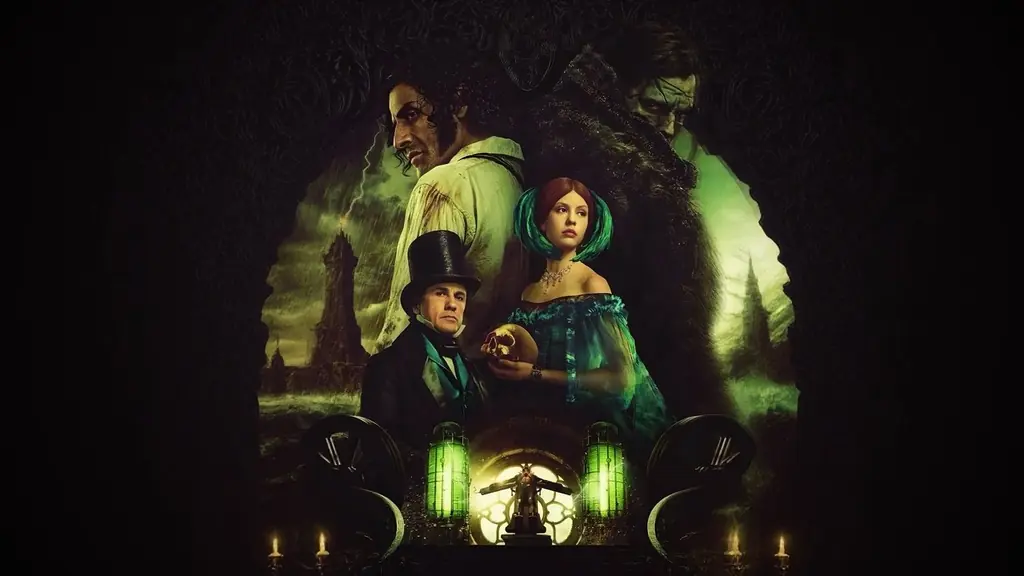
Beyond the central duo, the film boasts an ensemble cast that delivers across the board. Mia Goth, Christoph Waltz, Charles Dance, David Bradley, Lars Mikkelsen, and Felix Kammerer all contribute strong performances, elevating the narrative. The story unfolds with a compelling structure, often told through Victor's past-tense recollections, adding layers to the unfolding tragedy.
Despite its substantial runtime of 2 hours and 29 minutes, Frankenstein never feels like a slog. In fact, it manages to feel shorter than previous, less engaging adaptations, a testament to its immersive storytelling and captivating visuals. The film keeps audiences engaged, drawing them into its richly detailed world. One minor disappointment for long-time fans might be the absence of the "Bride of Frankenstein" arc, a narrative thread that could have added another layer to the monster's journey.
Tone, Direction & Creative Freedom
Guillermo del Toro's signature gothic romance permeates every frame of Frankenstein. He masterfully balances the film's inherent darkness with moments of surprising beauty and emotional depth. While it's not a conventional "horror" film, it doesn't shy away from violence when necessary. The film can lull you into a false sense of security before delivering genuinely shocking moments, though some viewers might find the inclusion of animal violence unsettling. Del Toro's vision is clear and uncompromised, showcasing his unique ability to explore human themes through the lens of the monstrous. This is a film that feels like it was made with complete creative freedom, allowing its director to fully realize his distinct aesthetic and thematic concerns.

The Final Verdict
Guillermo del Toro's Frankenstein is a powerful, visually stunning reinterpretation of a timeless story. With phenomenal acting from Oscar Isaac and a supporting cast that shines, it takes a narrative we've heard countless times and makes it feel fresh and vital. While the ending might lean a little too heavily into saccharine hope for some monster movie purists, and the monster's aesthetic might be a touch too polished, these are minor quibbles in an otherwise engrossing experience. This is a film that demands to be seen, appreciated for its artistry, and perhaps even owned on Blu-ray. It's a compelling, Oscar-worthy endeavor that justifies its existence by making the familiar feel profoundly new.
What Worked
- Guillermo del Toro's signature visual style and thematic depth
- Outstanding performances, especially Oscar Isaac as Victor
- Immersive, "out of this world" production design
- Effective use of practical effects and animatronics
- Engaging pacing that makes a long film feel shorter
What Didn't Work
- Jacob Elordi's "pretty" monster might dilute the horror for some
- A "sappy" ending that leans too heavily on hope
- Inclusion of animal violence
- Lack of the "Bride of Frankenstein" arc